Highlights of 3 projects:
Education & Transmission – Inspiring generations
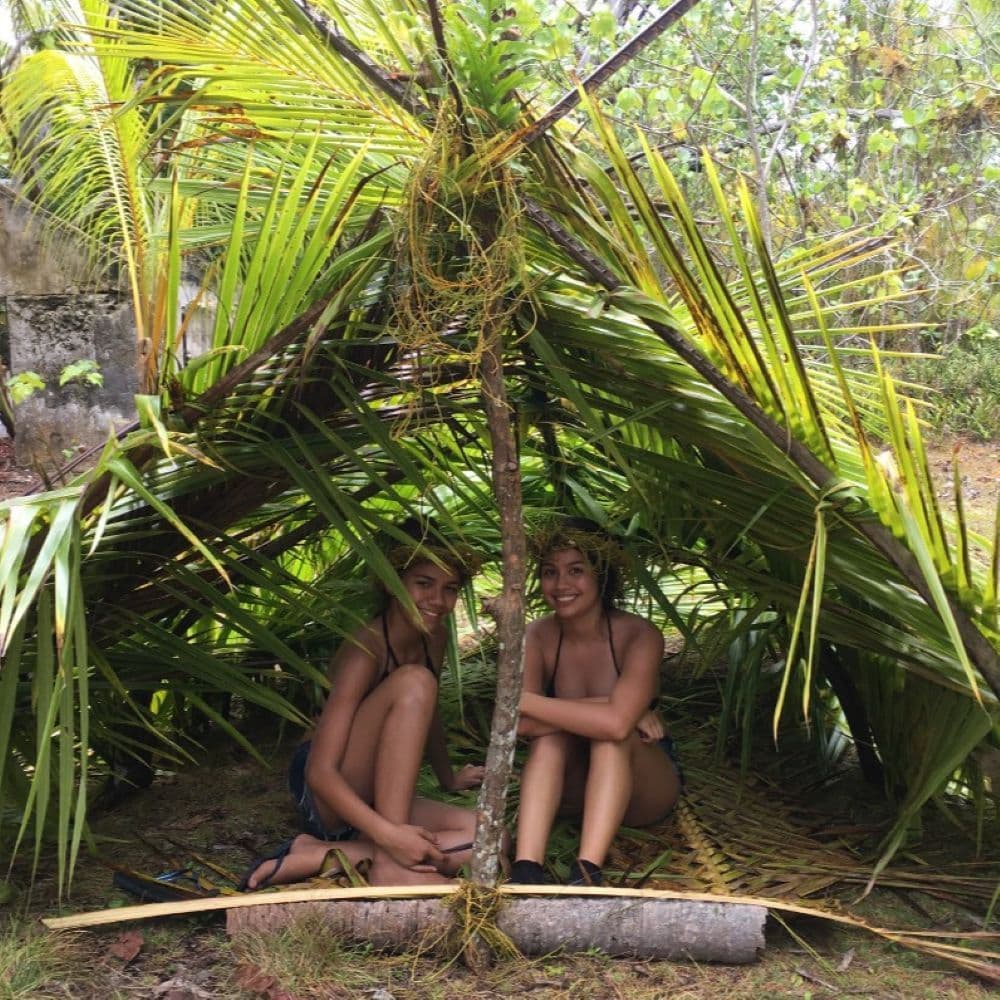
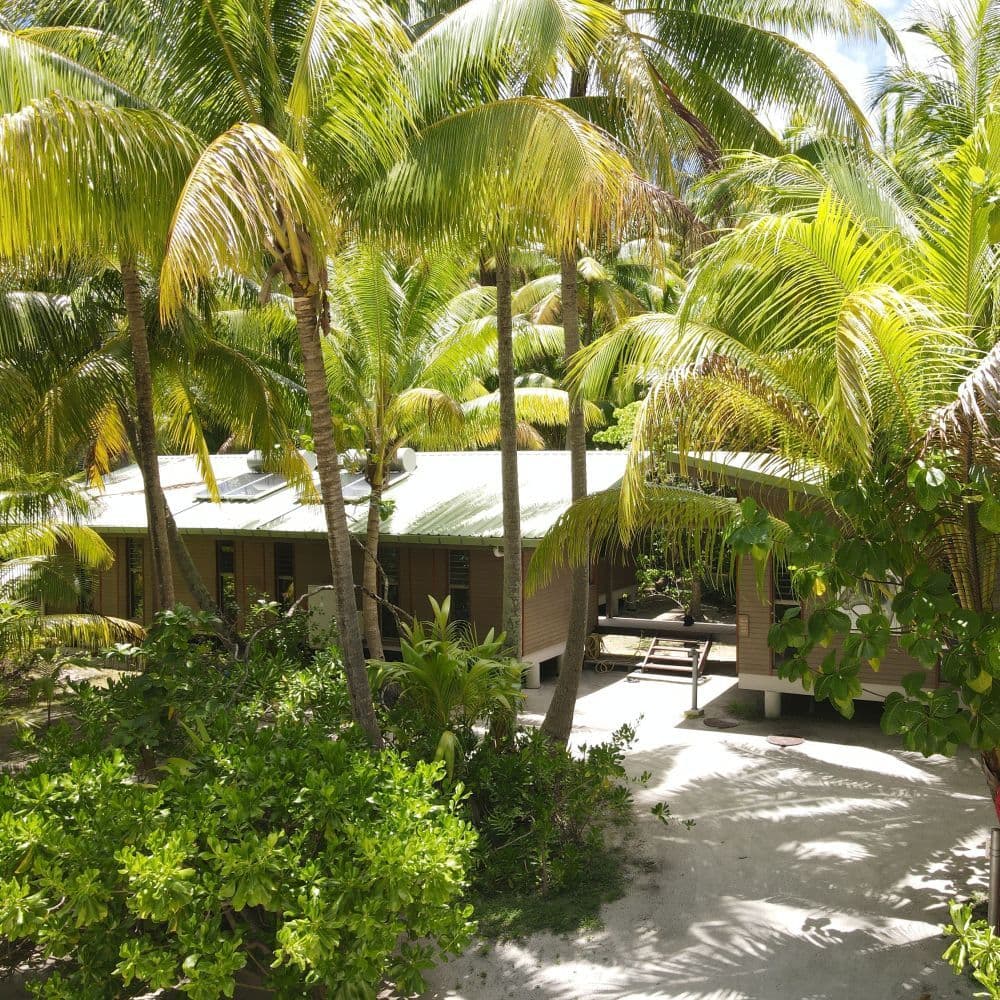
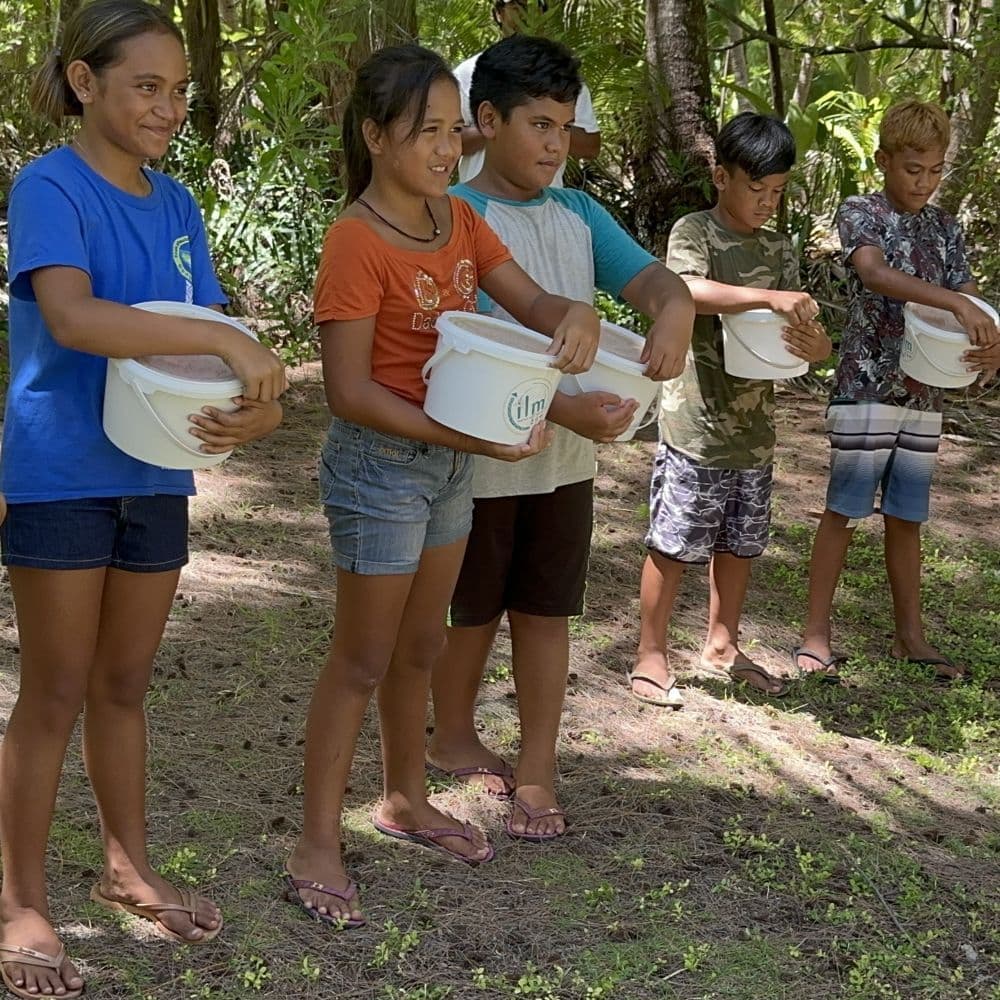
Education is at the heart of Tetiaroa Society’s mission, connecting science, culture, and nature to inspire future generations. In 2024, over 5,000 visitors were engaged by our naturalist guides, including more than 1,200 students from local and international schools through hands-on environmental programs. We honor Polynesian culture by working closely with local communities and blending traditional knowledge with cutting-edge science. To expand these experiences, we are investing in new infrastructure — such as dormitories — to welcome more learners in better conditions.
Learn about our Education program
TARP - Tetiaroa Atoll Restoration Project
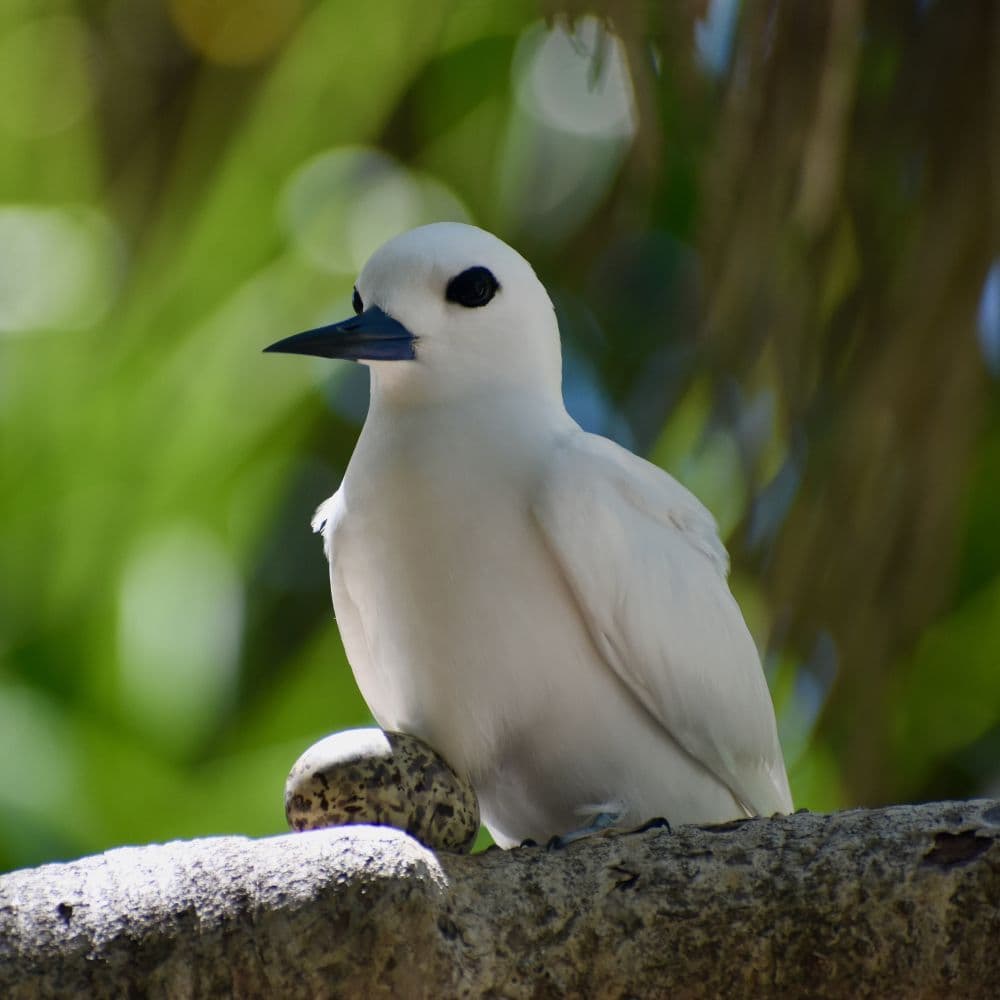
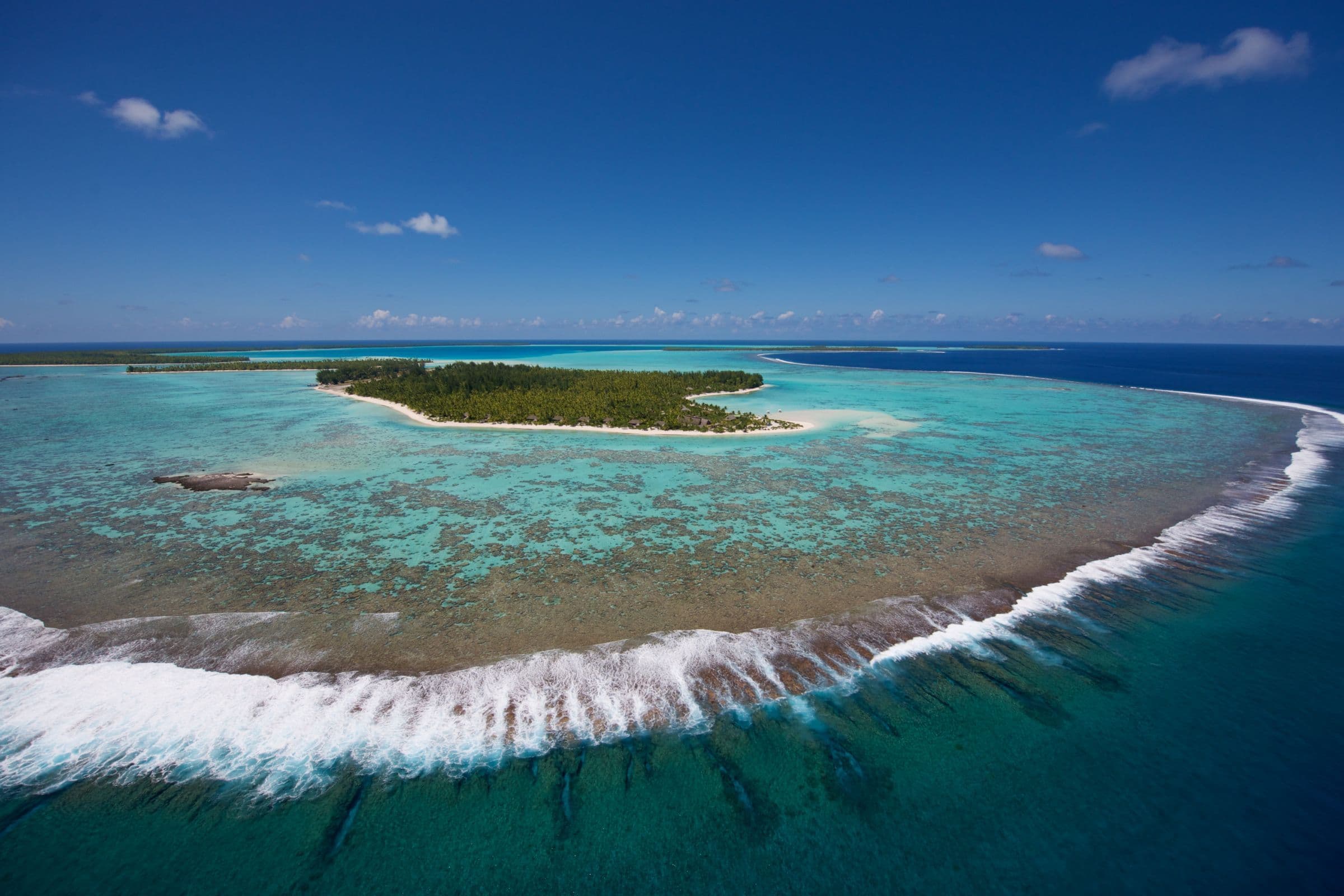
The Tetiaroa Atoll Restoration Program (TARP) aims to restore the natural balance of the atoll by eliminating invasive species such as rats and ants. This allows seabird populations to return, helping to reconnect land and ocean ecosystems and protect the island’s biodiversity. This program is supported by international partners and recognized as a model for island restoration. The program has been officially recognized with the “La Mer en Commun” label as part of the Year of the Ocean, led by French Polynesia and the French Ministry of Ecological Transition.
More about the successes of TARP
HONU SUB – Honu Research Platform
The Honu Submersibles Project opens a new chapter in deep-sea exploration with the development of two manned submersibles capable of diving to 1,200 meters into the mesopelagic zone, which holds up to 90% of oceanic biomass but remains largely unexplored and threatened by industrial activity. Led by renowned oceanographer Dr. Sylvia Earle, the project aims to make deep-ocean research more accessible and to pioneer a model where sustainable tourism helps fund science. Launch planned for 2026 — an expedition at the crossroads of exploration, protection, and wonder, we are investing in new infrastructure — such as dormitories — to welcome more learners in better conditions.
Gallery