

Society Islands / French Polynesia
Save the island.
Save the world.
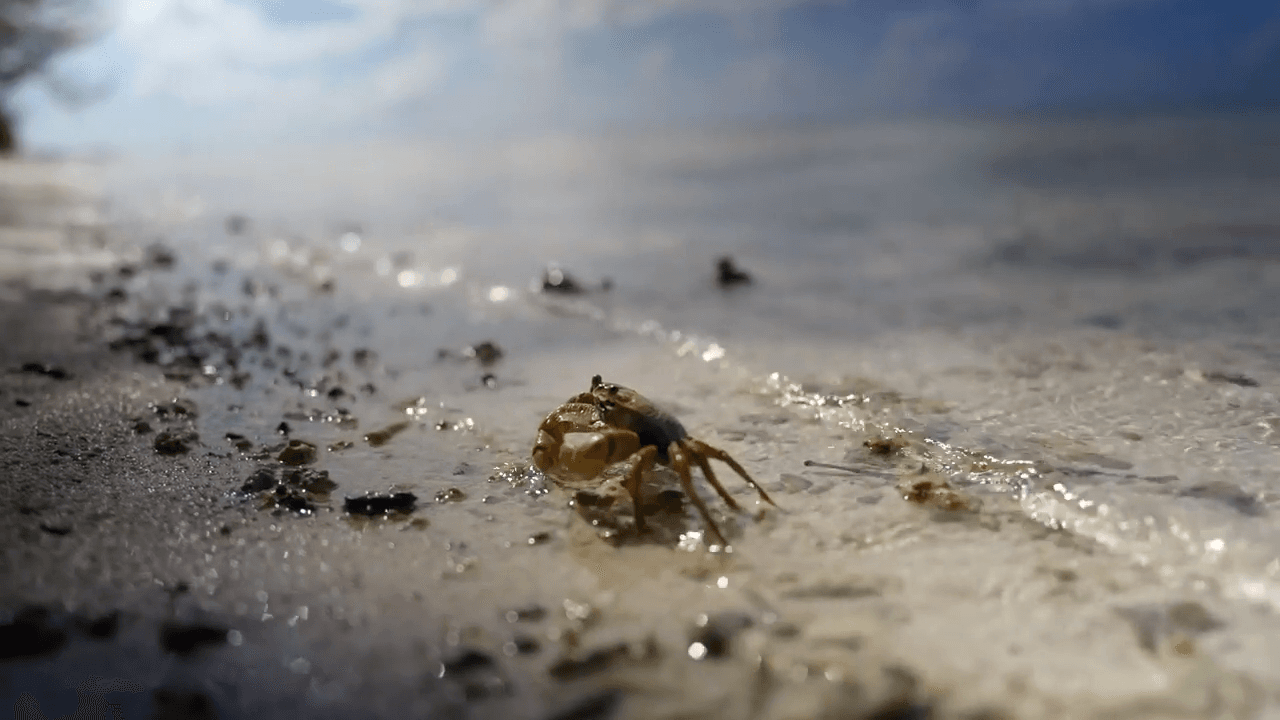
The Living Laboratory : Episode 3
Through the forests and along the shorelines of Teti’aroa, crabs play a vital role that most visitors never see.
Learn More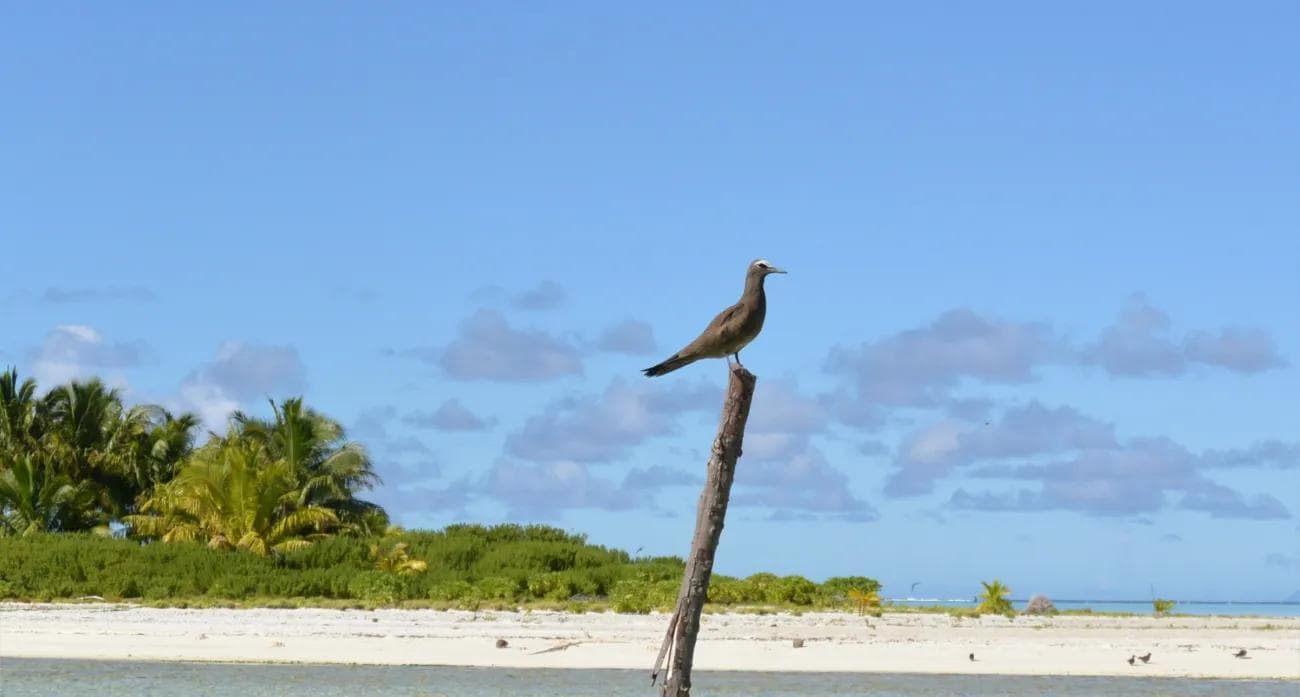
Birds on Sticks
Seabirds play a key role in coral reef health: their droppings, rich in nutrients, fertilize lagoon waters and support coral growth.
Learn More
Protect. Educate. Empower.
One atoll. A thousand metres of story.
the deep-water submersible
Meet Honu. Built to bring the ocean to everyone.
Built by Doer Marine in partnership with Tetiaroa Society, Honu, Tahitian for sea turtle, will carry scientists, visitors, and budding oceanographers into the deep. The Honu submersibles are built for real science and to share what they see and learn, with descents filmed by state-of-the-art 360° XR cameras, allowing Honu to open up the deep ocean to people in Polynesia and around the world.
Learn more about Honu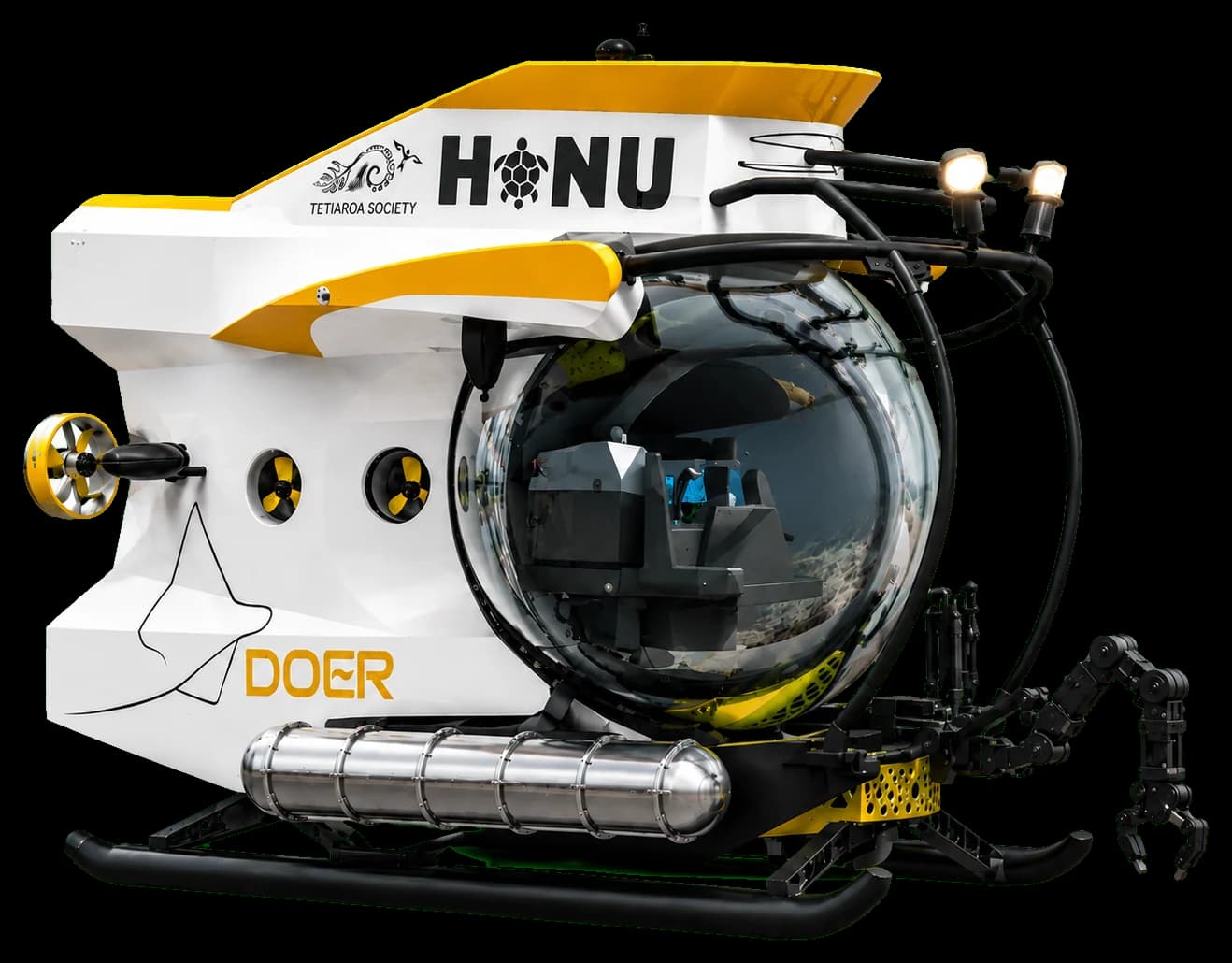
sea turtles + lemon sharks
The nursery in the shallows.
Every November, green sea turtles return to the same sand where they hatched. Just offshore, juvenile lemon sharks spend their first years inside the reef's protection. Teti'aroa's sanctuary work holds both beginnings together: nests mapped and guarded through hatching season, reef edge kept intact so the lagoon can keep raising the predators that hold the food web in balance.
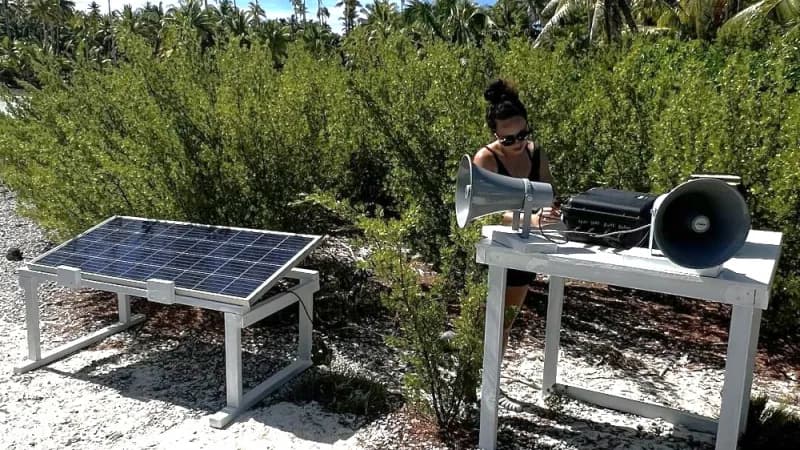
Tetiaroa Atoll Restoration Program
TARP: Restoring a meta-ecosystem
Invasive species are the leading cause of island extinctions worldwide and have already driven the extinction of Teti'aroa's native land birds while contributing to declines in native seabirds, crabs, and vegetation.
Our large-scale restoration program is unique in French Polynesia and aims to restore the atoll's natural ecological processes by removing invasive species and helping native species return.
Pillars of Tetiaroa
Three responsibilities, one atoll.
Research shows us how our world is changing, education turns that knowledge into action and care, and global collaboration carries what works beyond the island, out into the world.


Tamari'i
how kids meet the atoll
Tamari'i means children. Some meet Tetiaroa with sandy feet, some through a turtle story, and some through a headset in a classroom far away. The goal is the same: turn wonder into care.
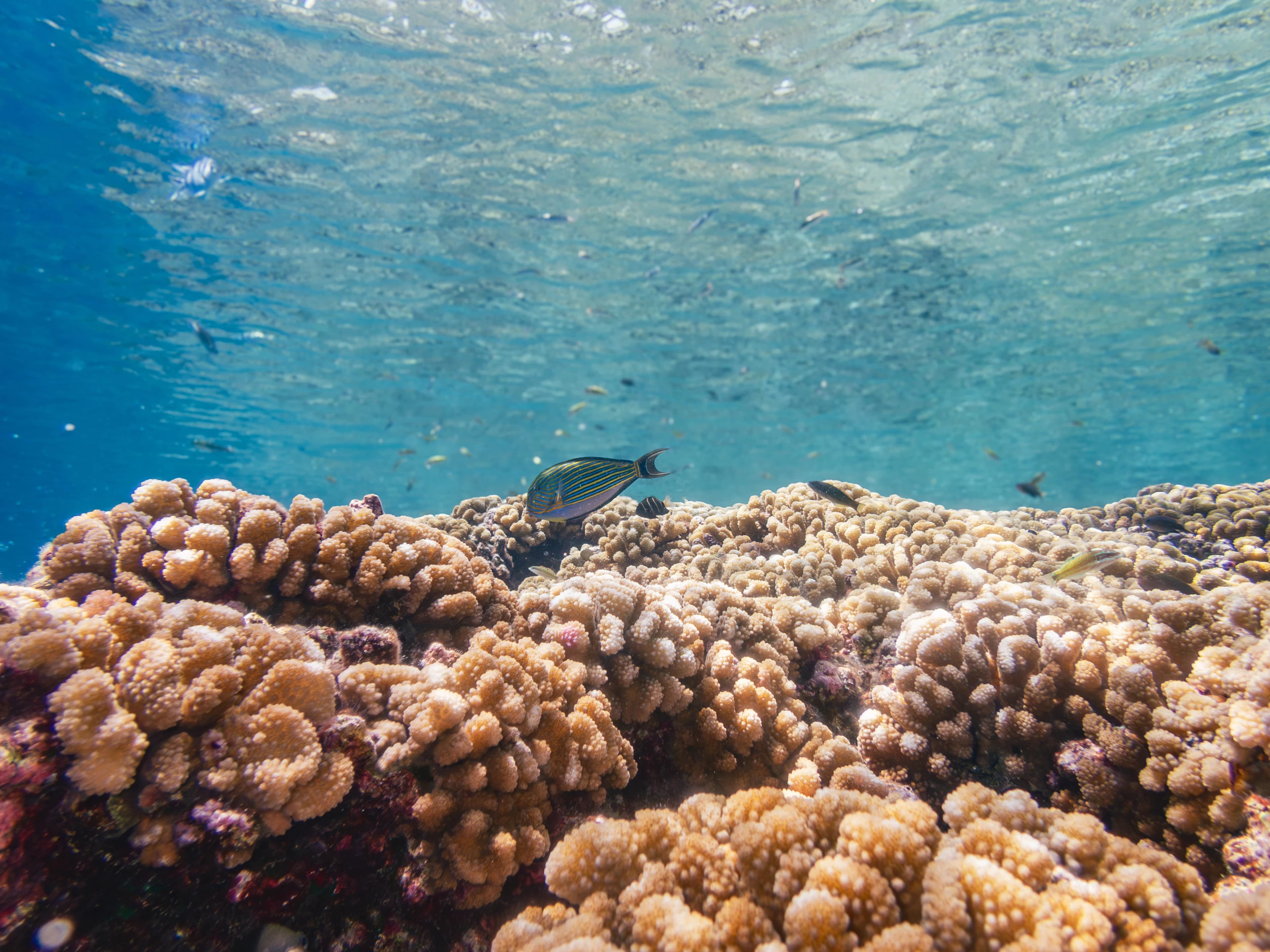
For children who visit the atoll: reef observations, junior naturalist prompts, turtle-care moments, and shoreline activities rooted in the real place beneath their feet.
School programs, classroom media, and Honu XR field trips are being built to bring Tetiaroa's lagoon, science, and stewardship to children anywhere on Earth.
What hatches here
doesn't stay here.
- On Teti'aroa, a nest begins to hatch — our staff guide 96 baby turtles to the water.
- Footage and data from the night patrol stream to our servers and across the world.
- In a classroom on the other side of the world, a child puts on a headset and discovers a passion for the ocean.
- One of those kids starts a local beach clean-up, another studies marine biology.
- 25 years later, one of those sea turtle hatchlings returns to the same beach to lay her own eggs.
- ... and those kids, now grown, teach their own children about our place in this world.