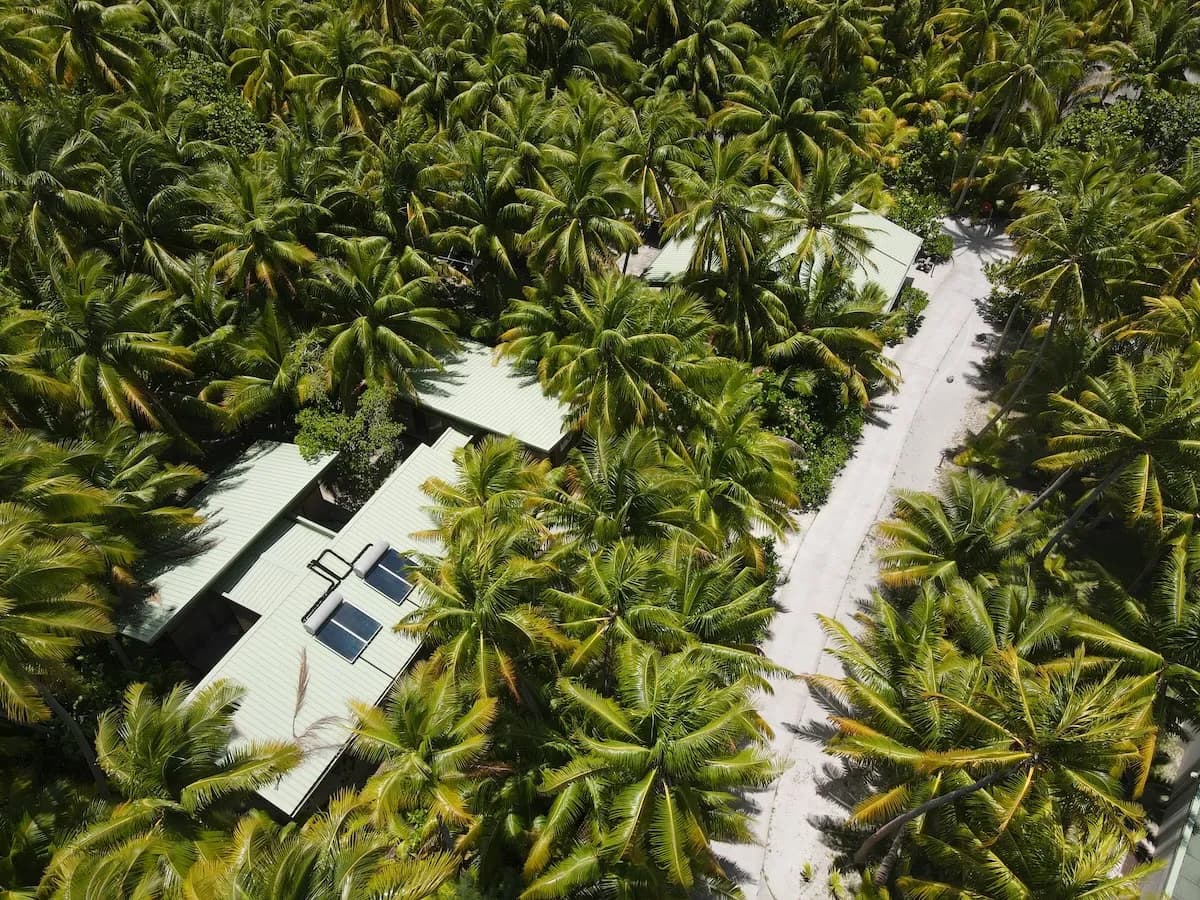
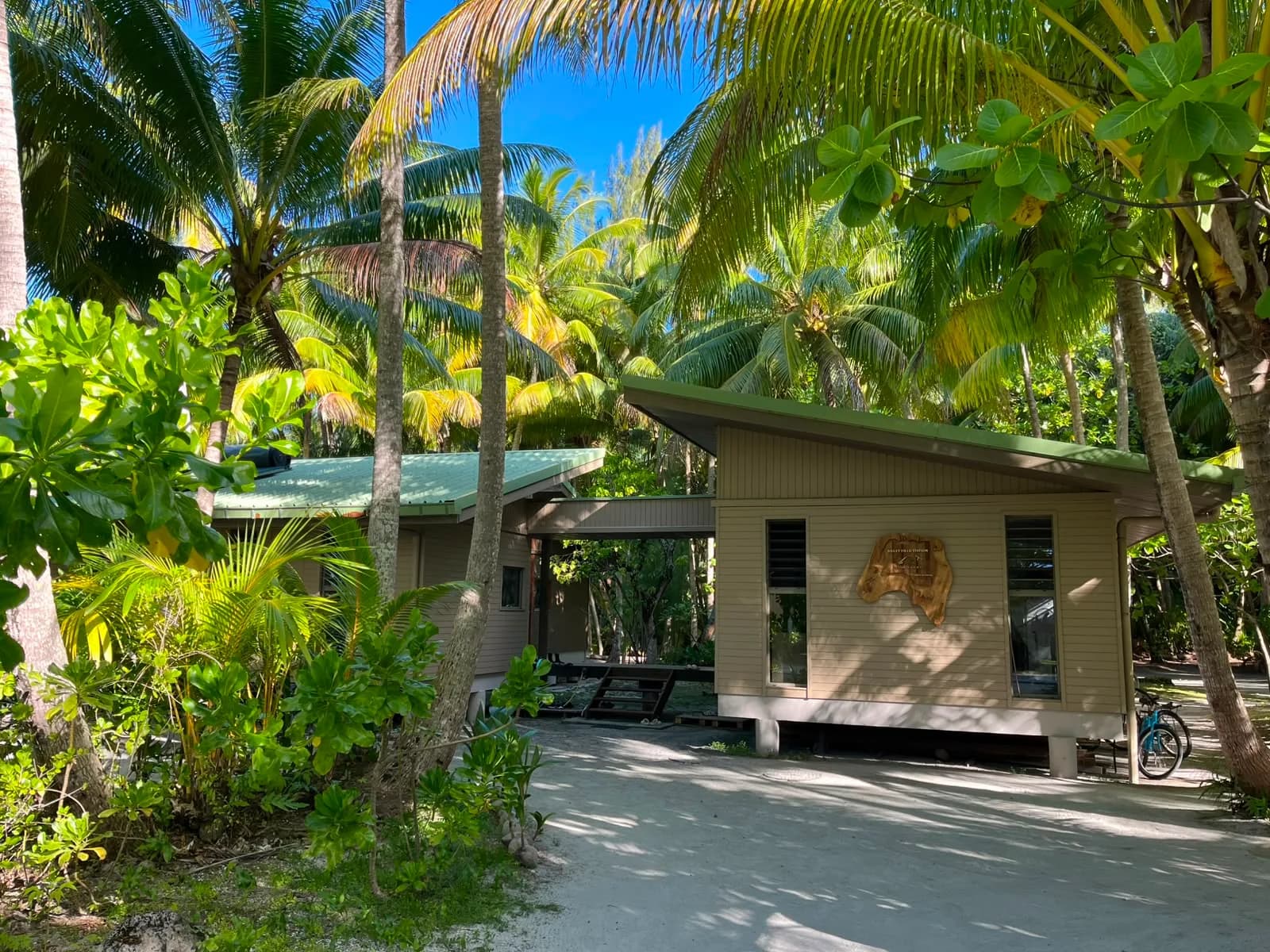
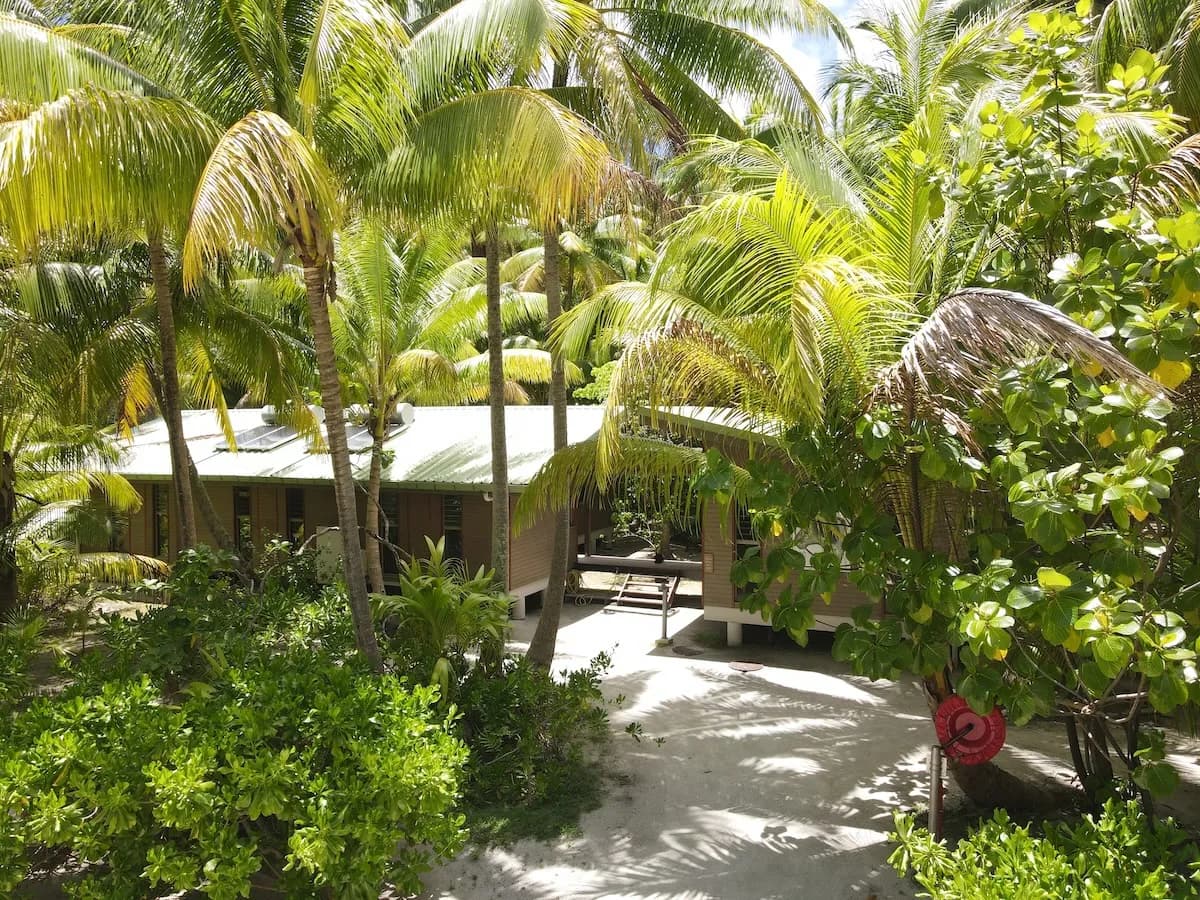
The Bailey Field Station seen from the air, set among the palms on Motu Onetahi

Science lives here

The Bailey Field Station gives our research a home.

beds that keep the work going year-round
18
of lab, so samples never leave the atoll
40 m²
motus within a morning's boat ride
13
water lines: fresh, reef and deep ocean
3

Why stations matter

Our Field Stations serve as a base for our conservation efforts.

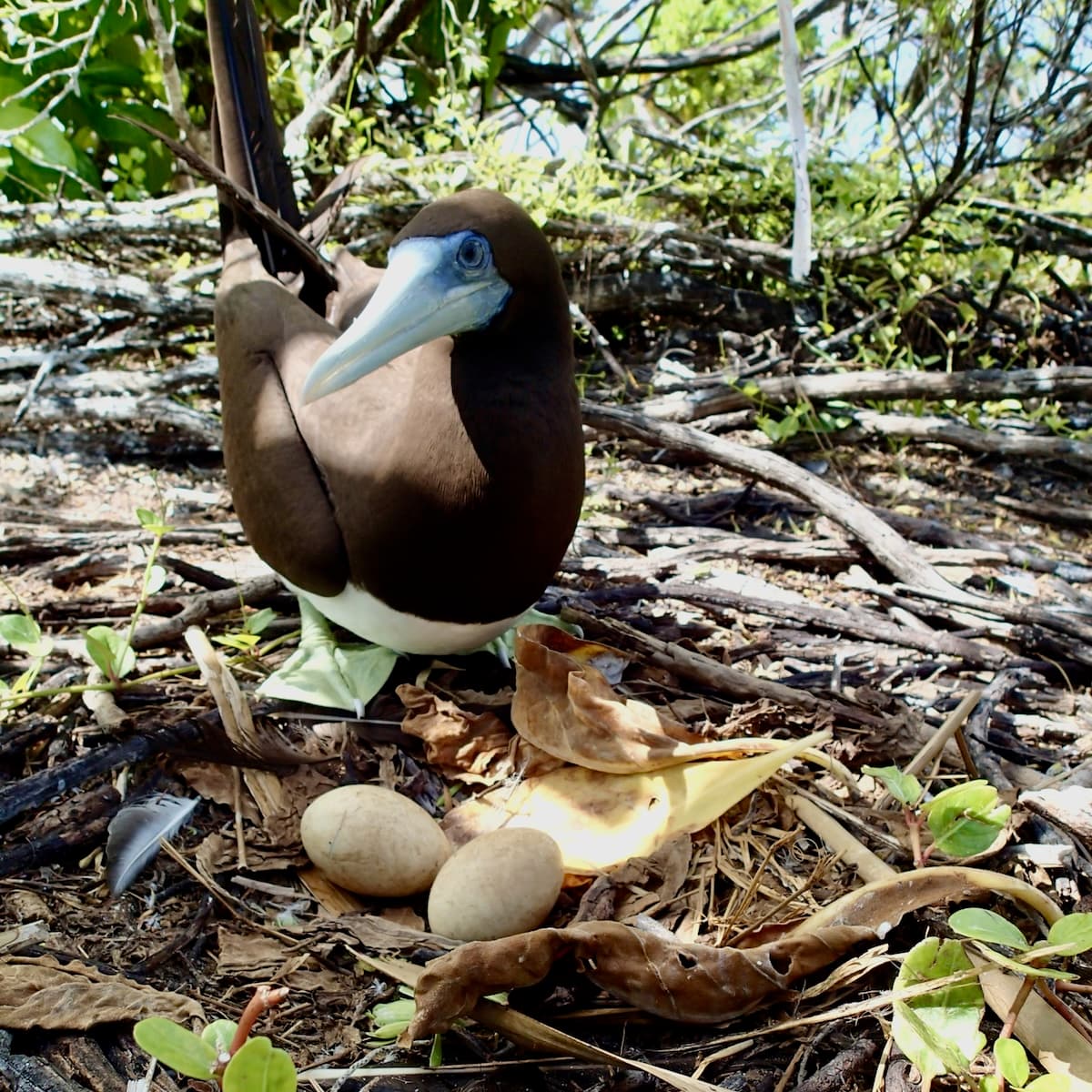
A brown booby standing over two eggs in a nest on the open ground

Seabirds are coming back to the treated motus

Ground-nesting seabirds are the honest scorecard, and the numbers on the treated motus are climbing. You only know that because someone walks those beaches season after season, counting the same nests in the same places. That kind of record is a habit, and the station is what makes the habit possible.
The field station buildings standing among the island's coastal forest

Rat eradication takes years, so we stay for years

The Tetiaroa Atoll Restoration Project has cleared rats from most of the atoll. Tiaraunu, Tauvini and Ahuroa still show signs, and another baiting round is coming. Eradication is won in the follow-up: the checking, the re-baiting, the unglamorous Tuesday in February. With beds and boats on site, we can keep showing up until the last motu is clean.

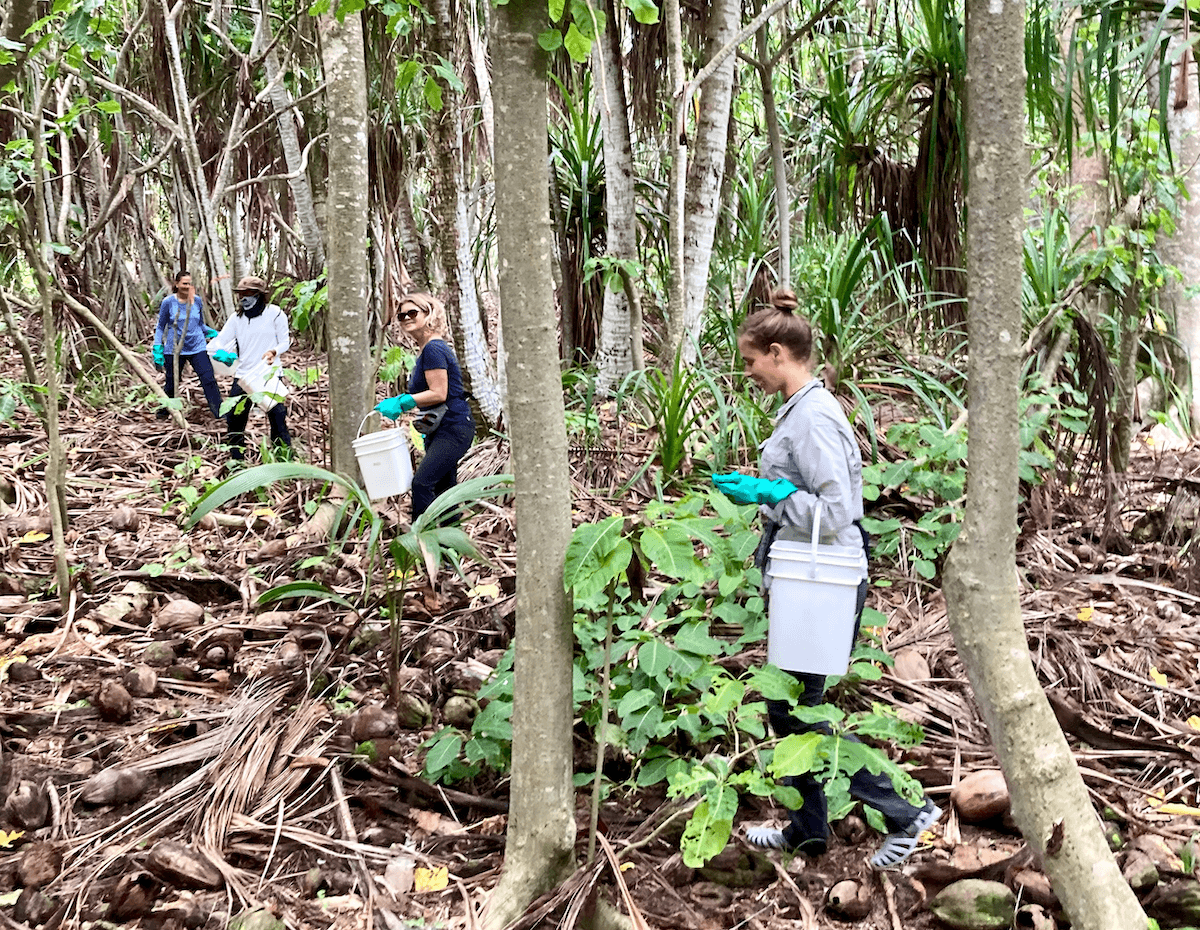
A team carrying bait buckets through the forest to treat yellow crazy ants

We caught the crazy ants early

Yellow crazy ants make the IUCN's hundred worst invasive species list. They spray formic acid that blinds seabird chicks in the nest. We treated the last known infestations through to May 2025 and we're monitoring now to confirm they're gone. Catching an outbreak that early takes eyes on the ground every month.

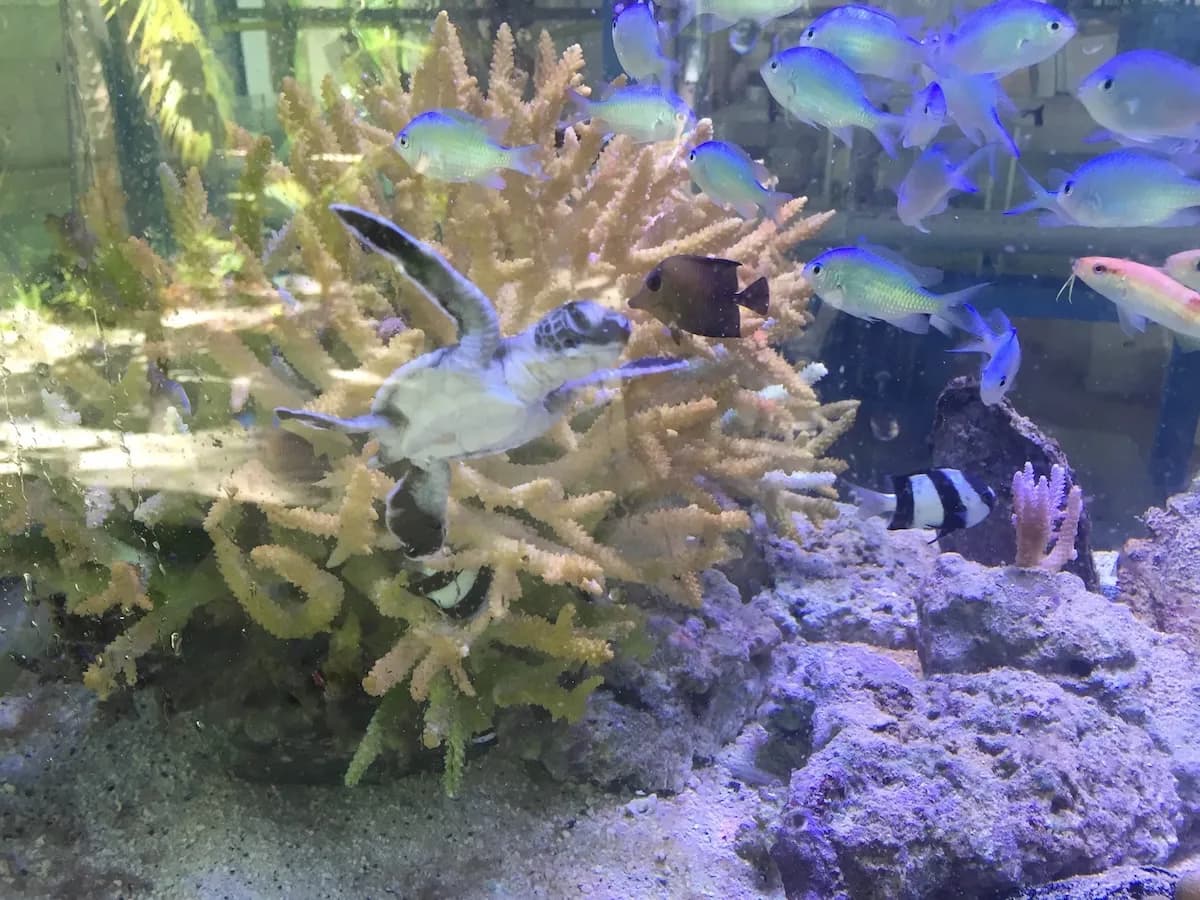
A juvenile green turtle swimming among staghorn coral in a laboratory tank

Turtles are studied a few steps from the reef

The outdoor wet lab runs on three water lines — fresh, surface seawater and deep ocean — feeding tanks and seawater tables a short walk from the lagoon. Green turtle monitoring happens alongside Te Mana o te Moana, and it happens here on the atoll. An animal can be cared for and released into the same water it came from.

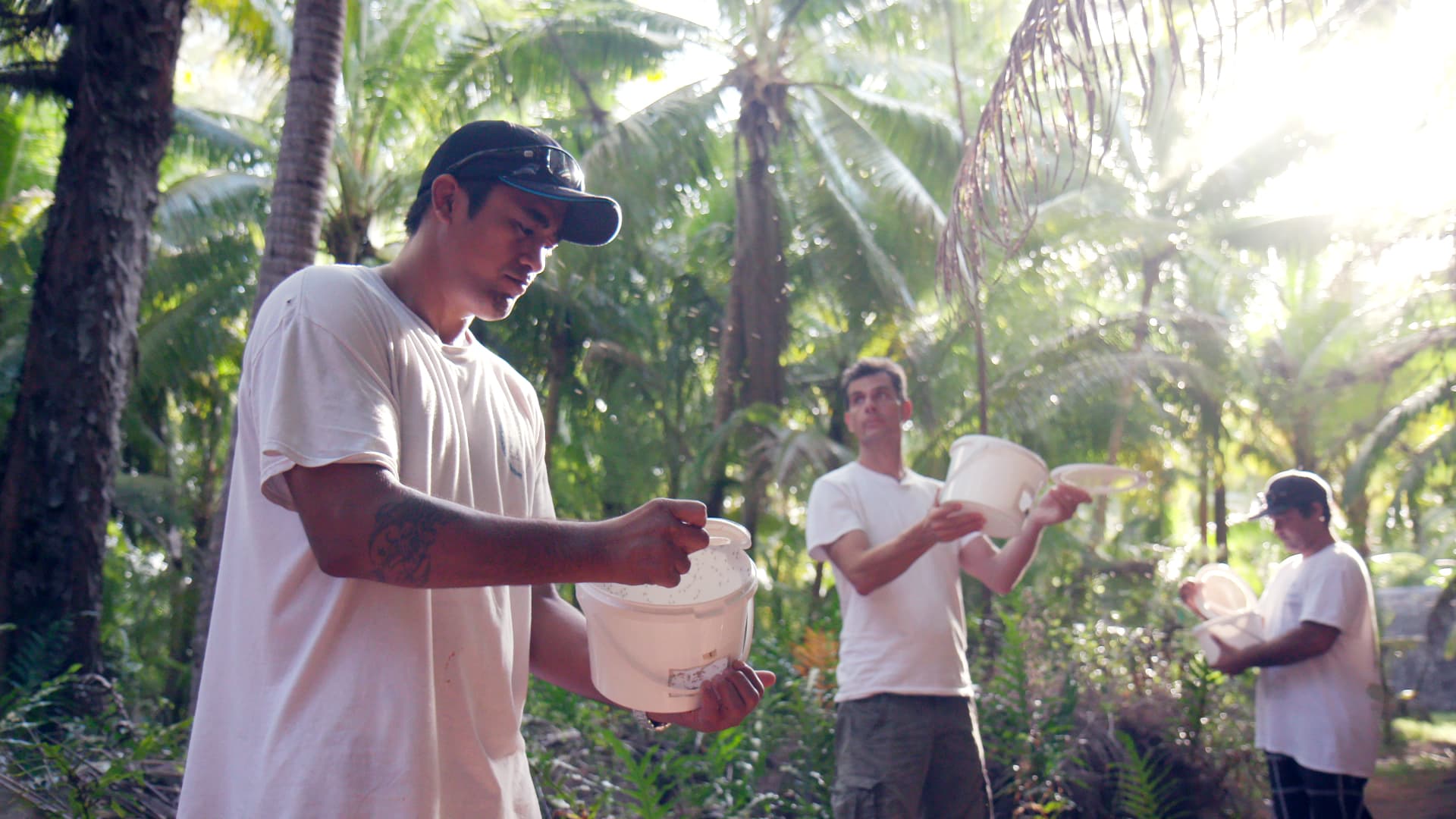
Three people releasing sterile male mosquitoes from buckets in the island forest

A mosquito programme that needs a local partner

Institut Louis Malardé leads AeLIMIN+ for The Brando, releasing sterile male mosquitoes to suppress the Aedes species behind dengue and filariasis, mainly on Onetahi. We're a partner in that work. Programmes like it need people who live here, know the ground, and can turn up for release after release. That's the role a station plays.

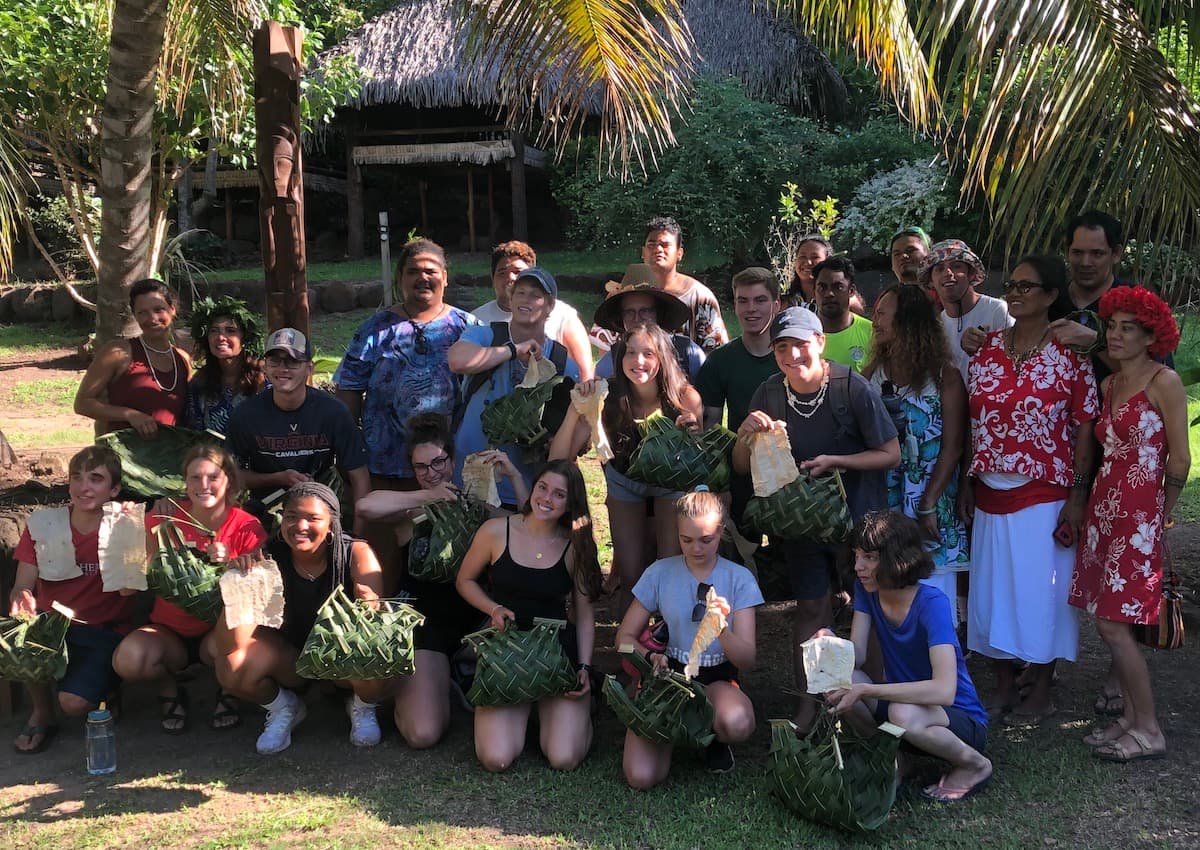
A large group of students and Polynesian teachers holding woven palm baskets

The teaching lab is where the next generation starts

The dry lab doubles as a classroom, and university field courses and school groups fill it. Students meet Polynesian teachers, handle real specimens, and stand on the reef they've been reading about. Tetiaroa's marae are protected under French Polynesian law and treated with the respect they're owed. Science and culture get taught here as one subject, because on this atoll they are.

Get involved

Help keep the lights on.

The station runs on people, and people need funding, fuel and food. Whether you give, follow along, or come and work here yourself, you're helping to protect vulnerable species.

Give

Your gift pays for the things that make a permanent presence possible: boat fuel, lab supplies, and salaries for the people who show up all year.

Follow the work

We publish what's actually happening on the atoll: eradication updates, seabird counts, what the students found, what surprised us.

Research here

The station is open to visiting researchers. There's a full guide to facilities, equipment, and how to apply.