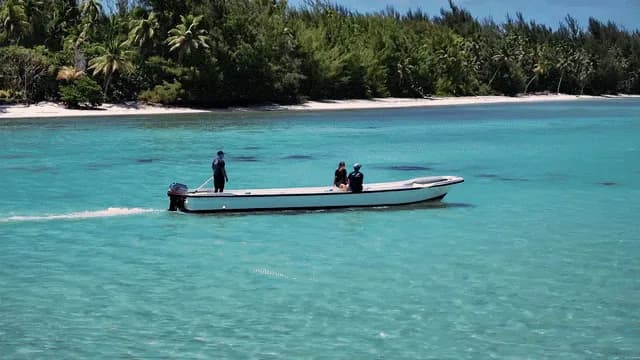
Dedicated to the promise
Marlon Brando was so moved by this place, that he spent his remaining years trying to protect it. Tetiaroa Society continues his mission.
A short film on how the Tetiaroa Society came to be.
This story begins long ago...
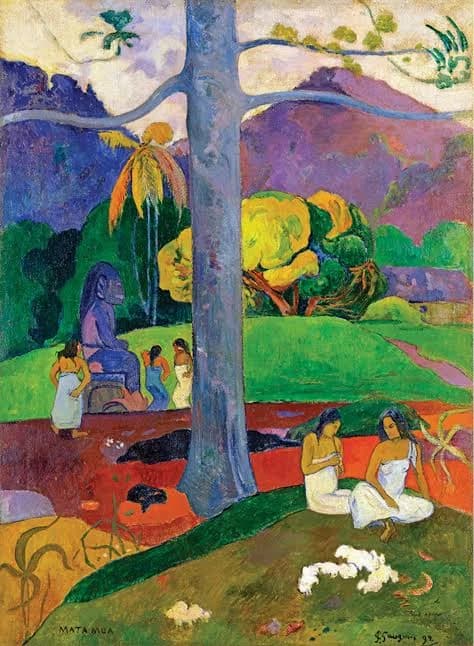
Long before the film crews, Teti'aroa was a place of ceremony, rest, and chiefly authority.
Archaeology and oral histories cast the atoll as a central part of the political and cultural life of Tahiti. Marae, archery platforms, fishponds, and more than a hundred recorded structures carry an old and rich history.
An encounter became a calling.
Brando first encountered Tetiaroa while filming Mutiny on the Bounty in 1961. Six years later, he acquired the place he sought to protect.
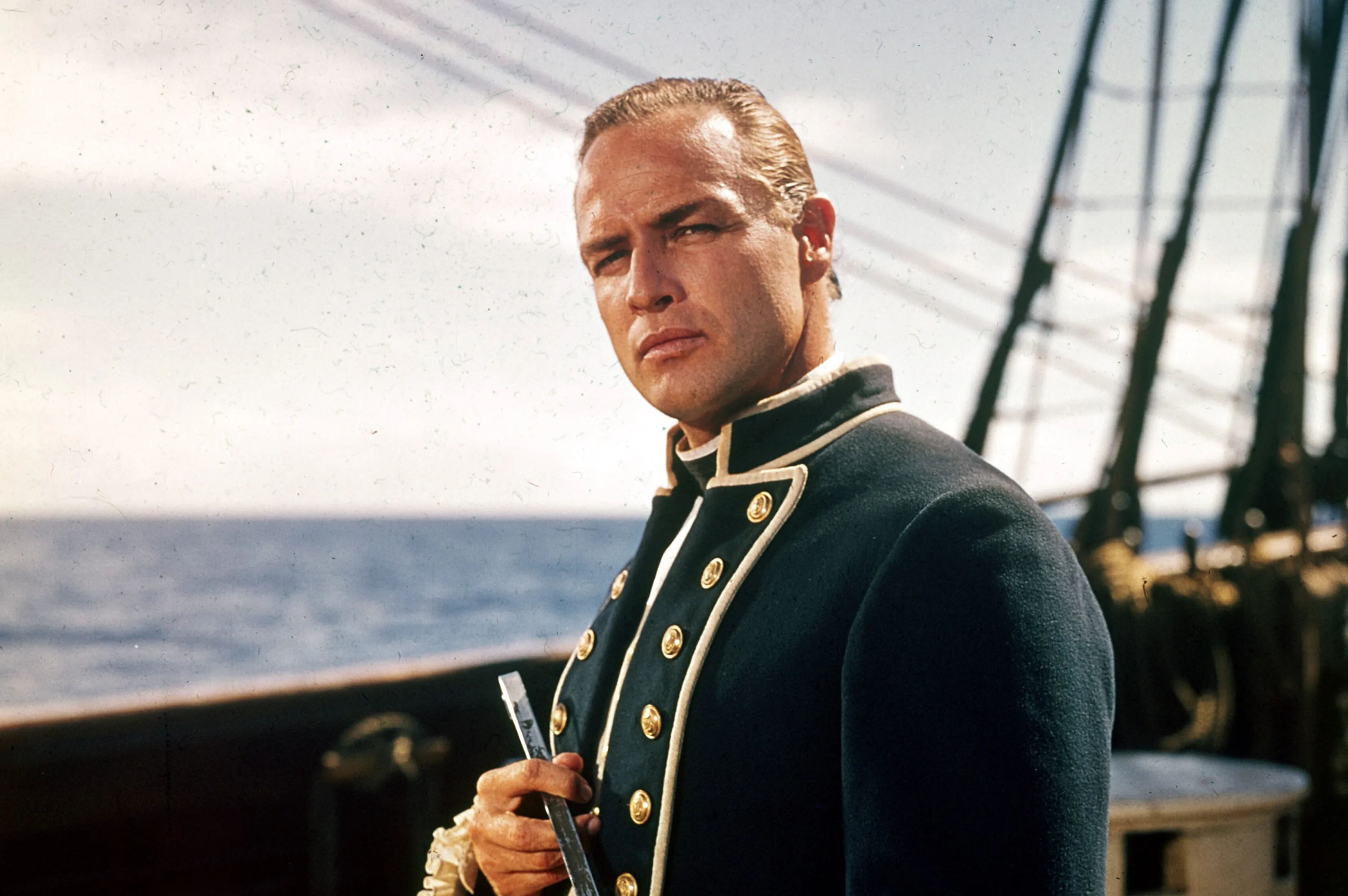
“It is my hope that the island will serve as an ecological model… not only a tourist preserve but a marine preserve as well—a place for all manner of scientific research and investigation.”
From Brando to today.
Brando supported archaeological digs and a field school for Tahitian students. Decades later, Tetiaroa Society took up the work of research, conservation, and education on the atoll.
1961
Brando arrives in Tetiaroa
While filming Mutiny on the Bounty in French Polynesia, Marlon Brando visits the atoll for the first time.
1967
The atoll changes hands
Six years later, Brando buys Tetiaroa. He hopes it can become a place for conservation and scientific research.
1972
Digging into Tetiaroa's past
With Brando's support, archaeological fieldwork and a field school bring Tahitian students into the study of the atoll's history.
2010
Tetiaroa Society is founded
Tetiaroa Society is established with three purposes: research, conservation, and education. The atoll is where that work begins.
2014
A home for field research
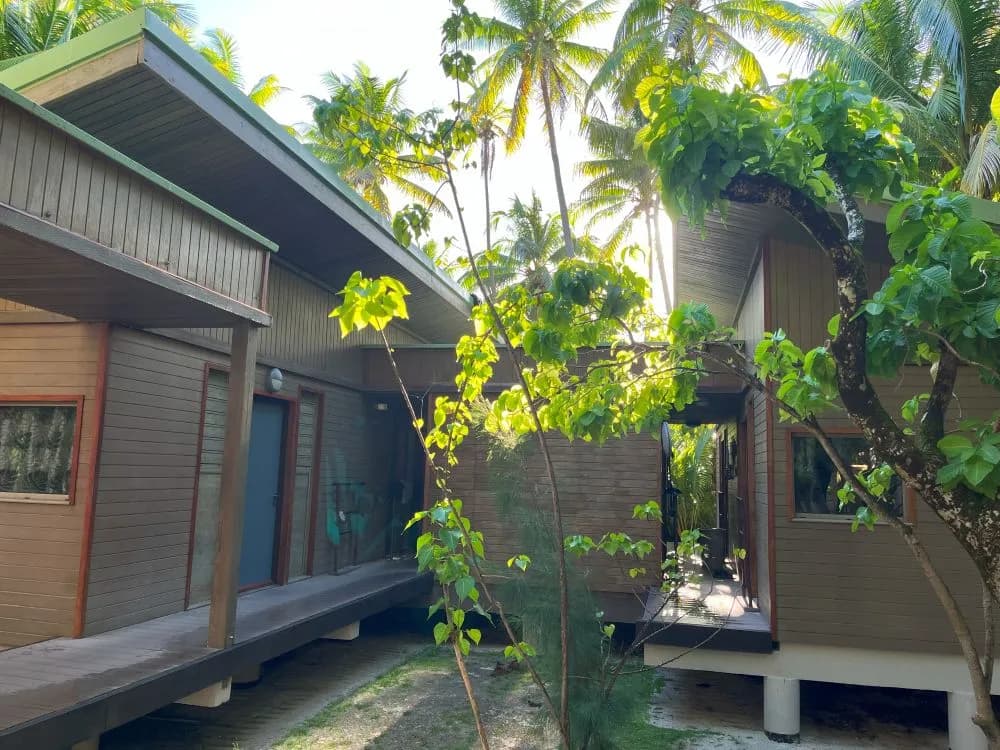
The Bailey Field Station is completed, giving scientists a base on the atoll to study its land, lagoon, and reef.
2016
A plan for the atoll
A draft Conservation and Sustainable Use Plan is published, setting out proposals for protecting wildlife, cultural heritage, and the atoll's resources.
Today
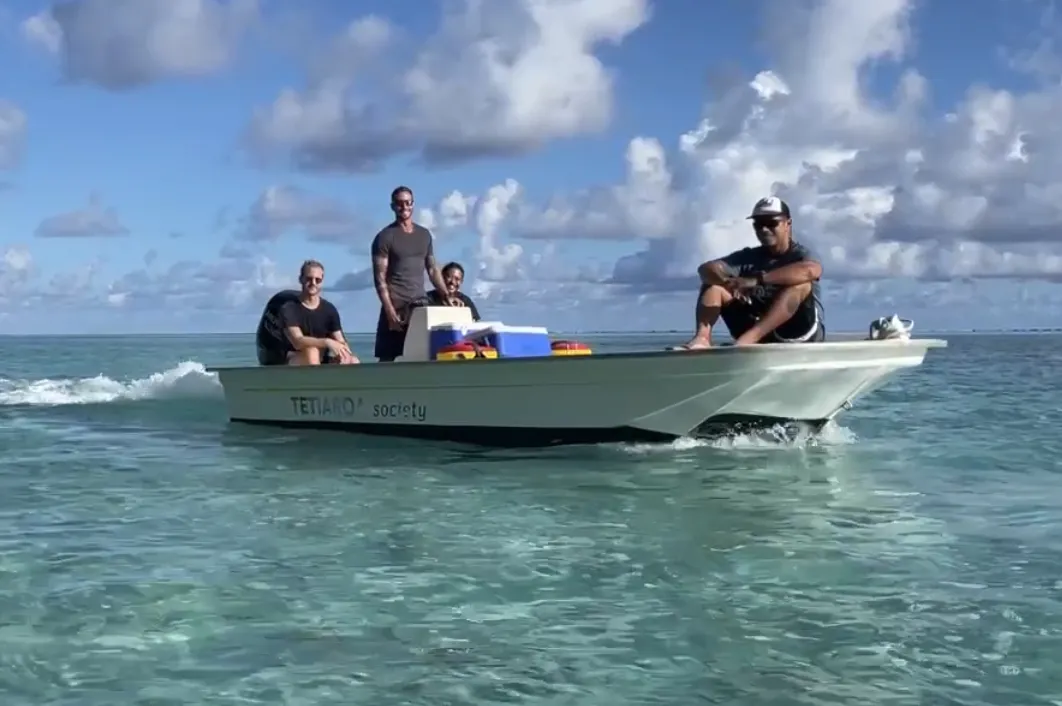
On the water, in the field
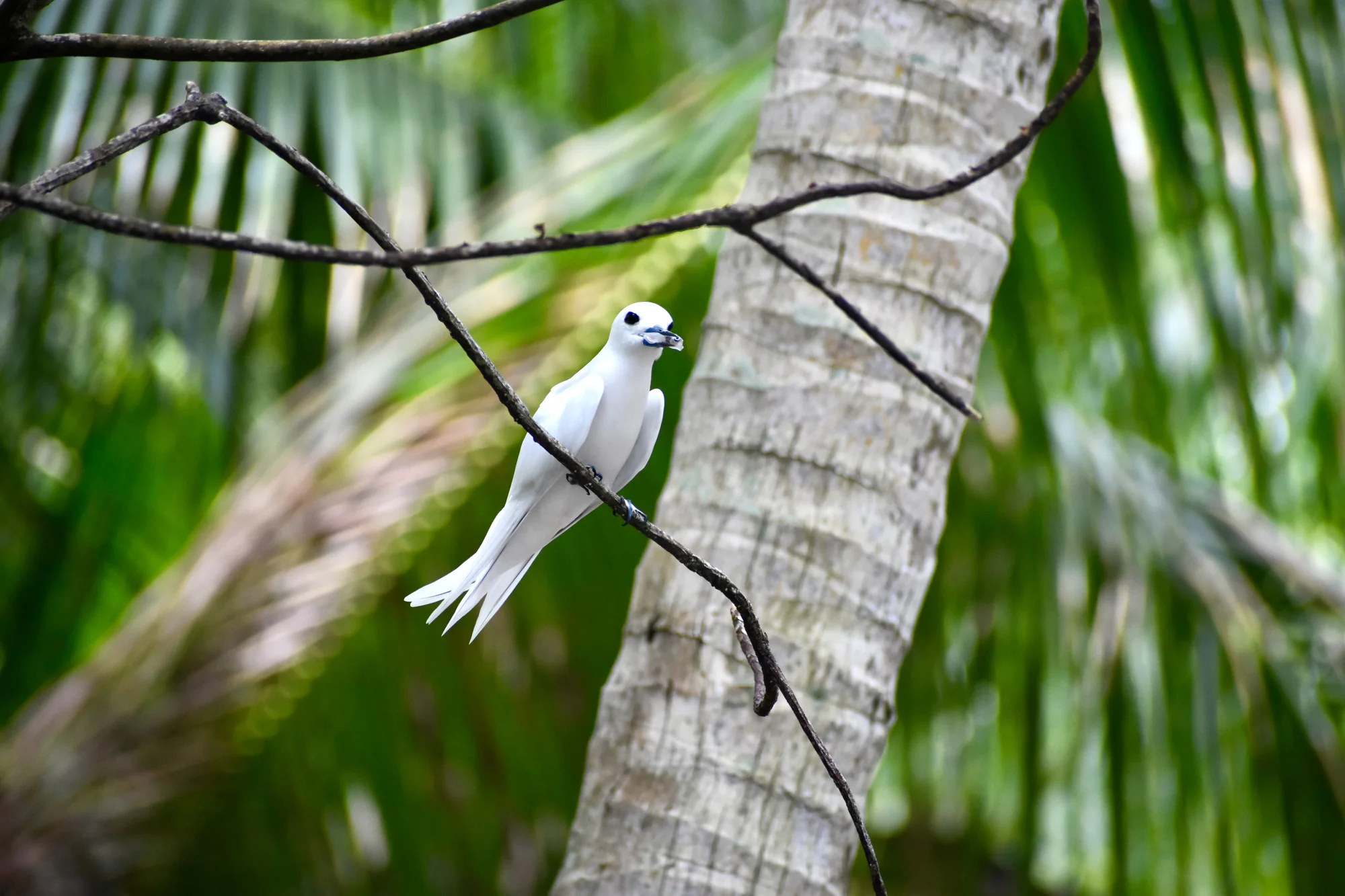
Researchers, conservation teams, and educators work across the atoll, studying its ecosystems, protecting its wildlife, and sharing what they learn.
The conservation framework
This is where ideals meet decisions.
The 2016 Conservation and Sustainable Use Plan set out a shared framework for research, coral reefs, turtles, birds, vegetation, cultural heritage, water, waste, invasive species, and responsible human use. A plan earns its value in daily decisions: what is protected, what is measured, what must change, and who remains accountable.
Published document · Draft dated March 18, 2016 · 84 pages
Read the conservation planThe trajectory
One atoll. Lessons meant to travel.
Tetiaroa is where the work is tested. It is not where the responsibility ends.
The Society's direction is to understand and restore this place deeply enough that the learning becomes useful beyond it—helping island and coastal communities face global change without separating ecological resilience from cultural continuity.
French Polynesia
Island + coastal communities
Protect
01Start with one whole place
Care for reef, lagoon, motu, wildlife, culture, and human use as parts of one connected system.
Learn
02Pay attention to what changes
Bring traditional knowledge, field experience, and scientific research together—and stay willing to be corrected.
Share
03Let the learning leave the island
Turn tested practice into partnerships, education, and tools other communities can adapt to their own places—not copy blindly.
The next chapter is already in the field
A promise survives by becoming work.
Follow what the team is learning now, meet the people doing it, and help carry the work forward.