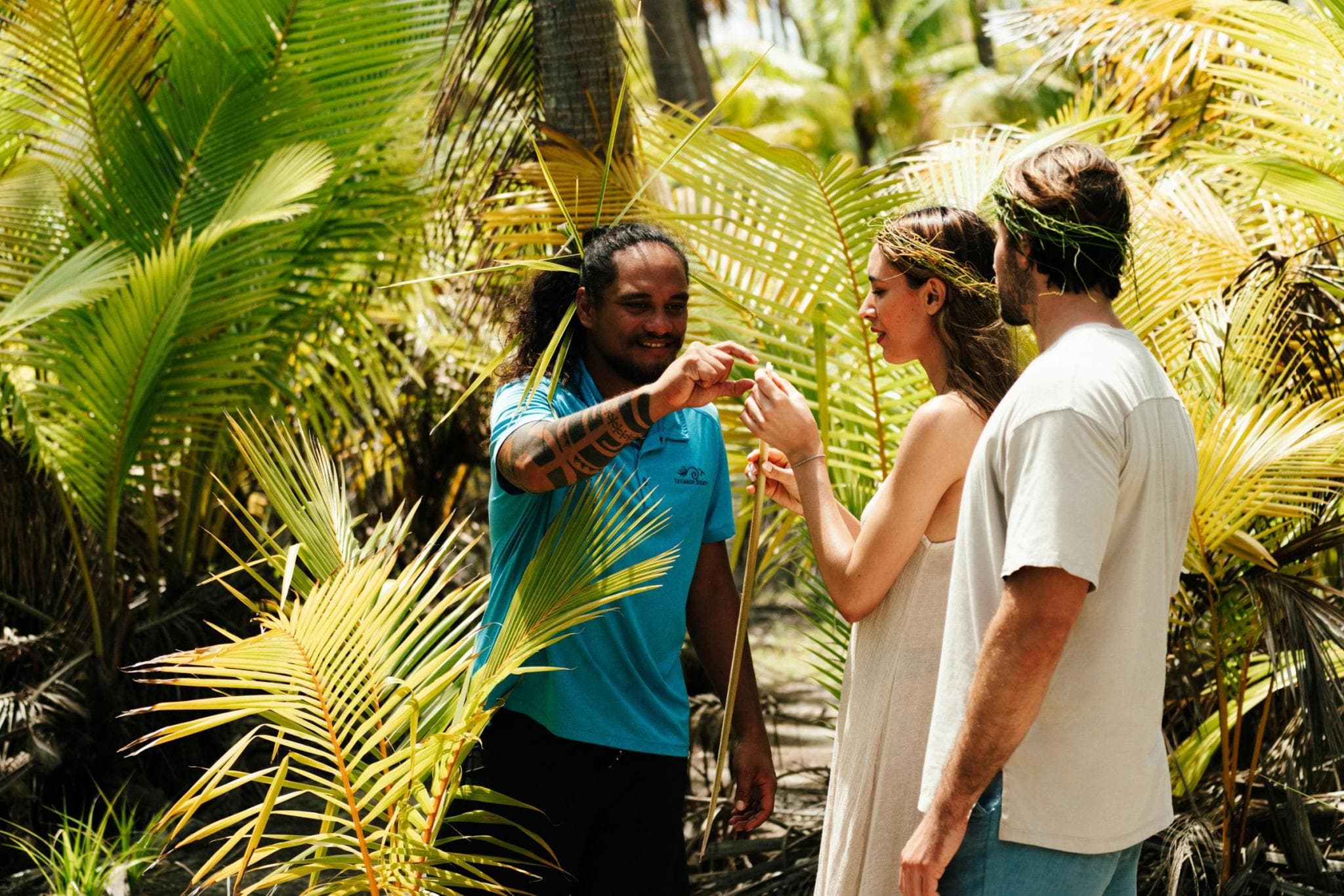
The Living Laboratory : Episode 3
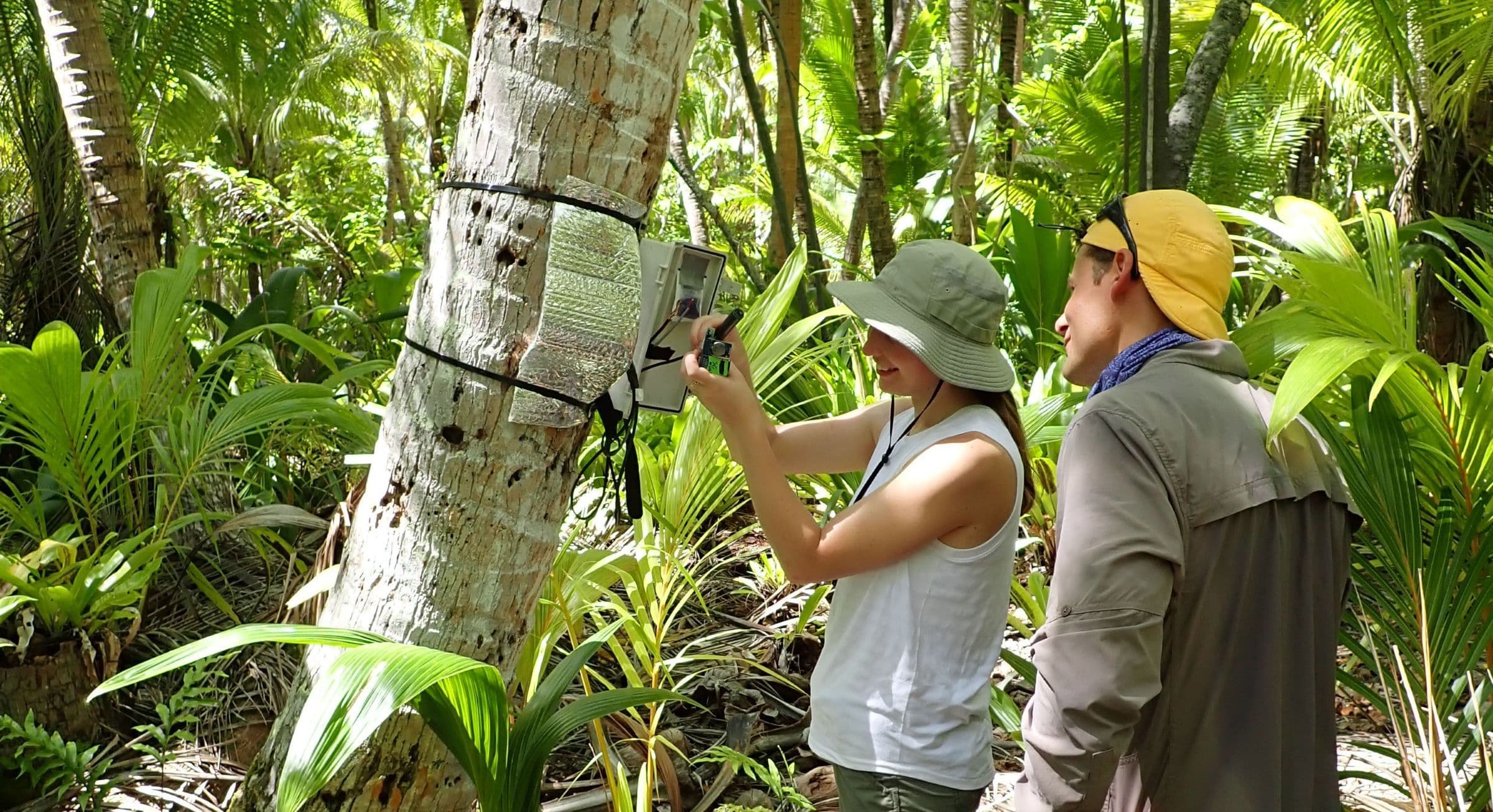
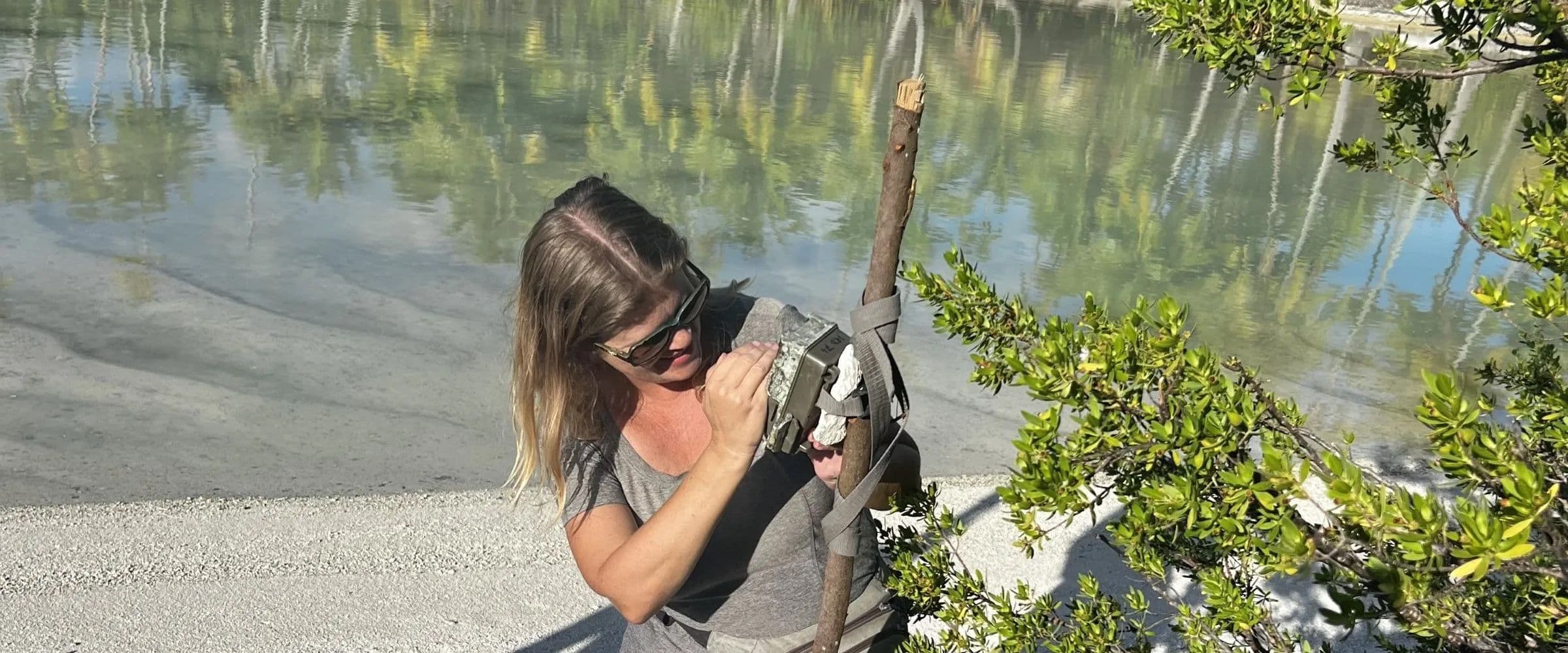
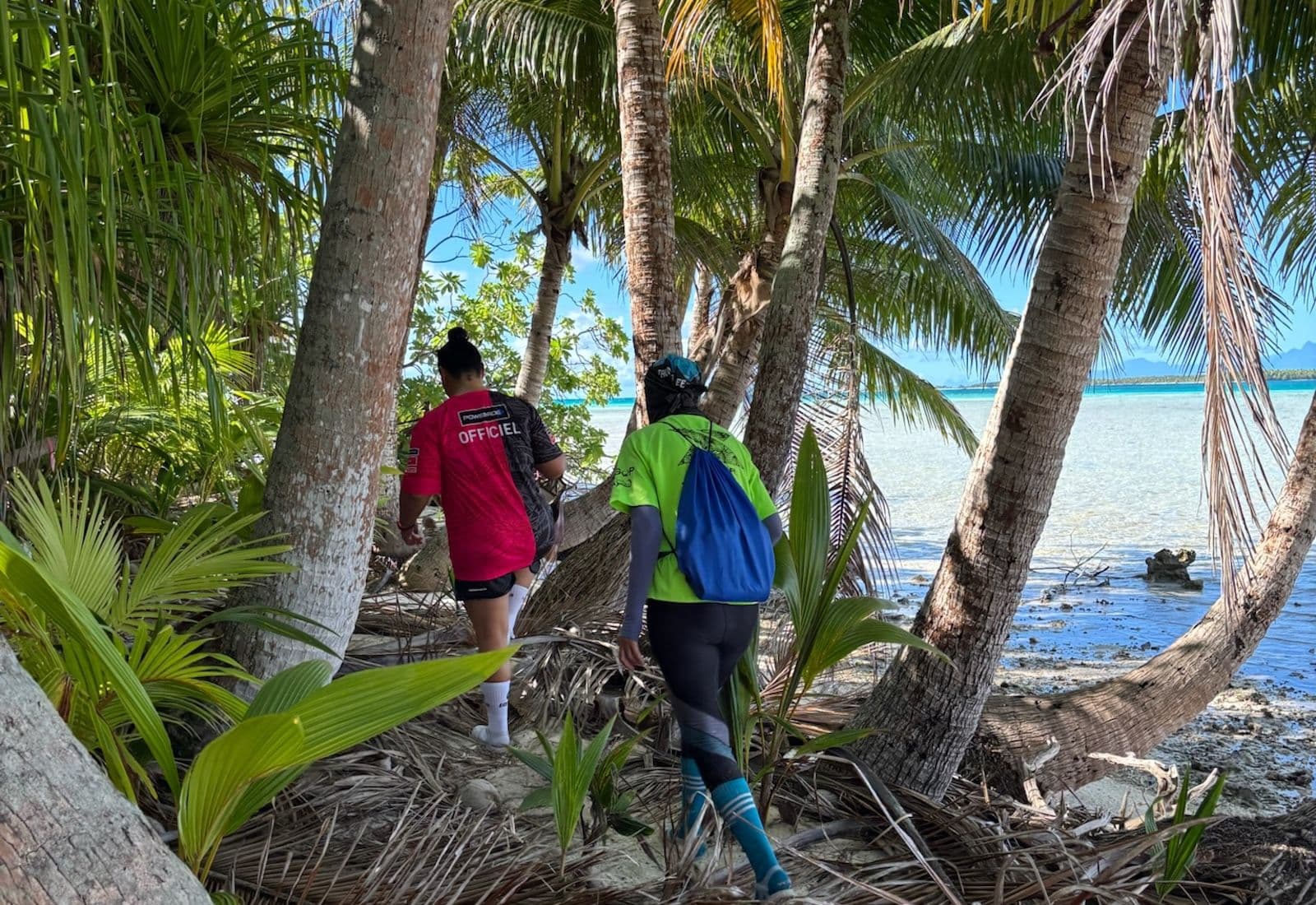
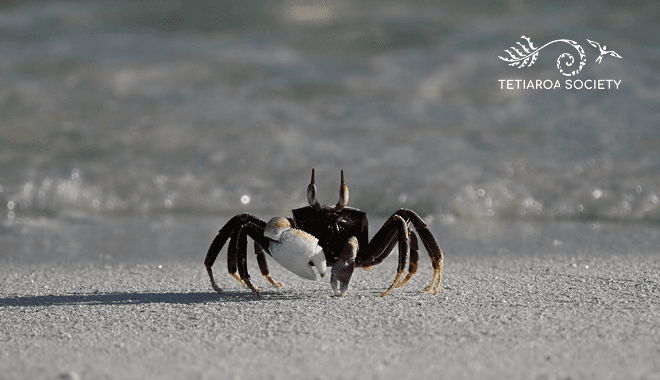
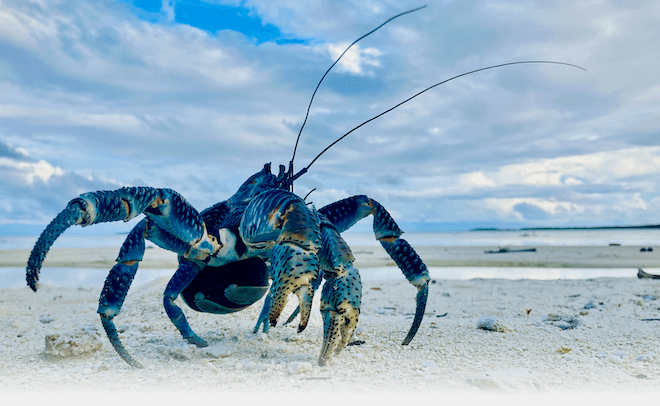
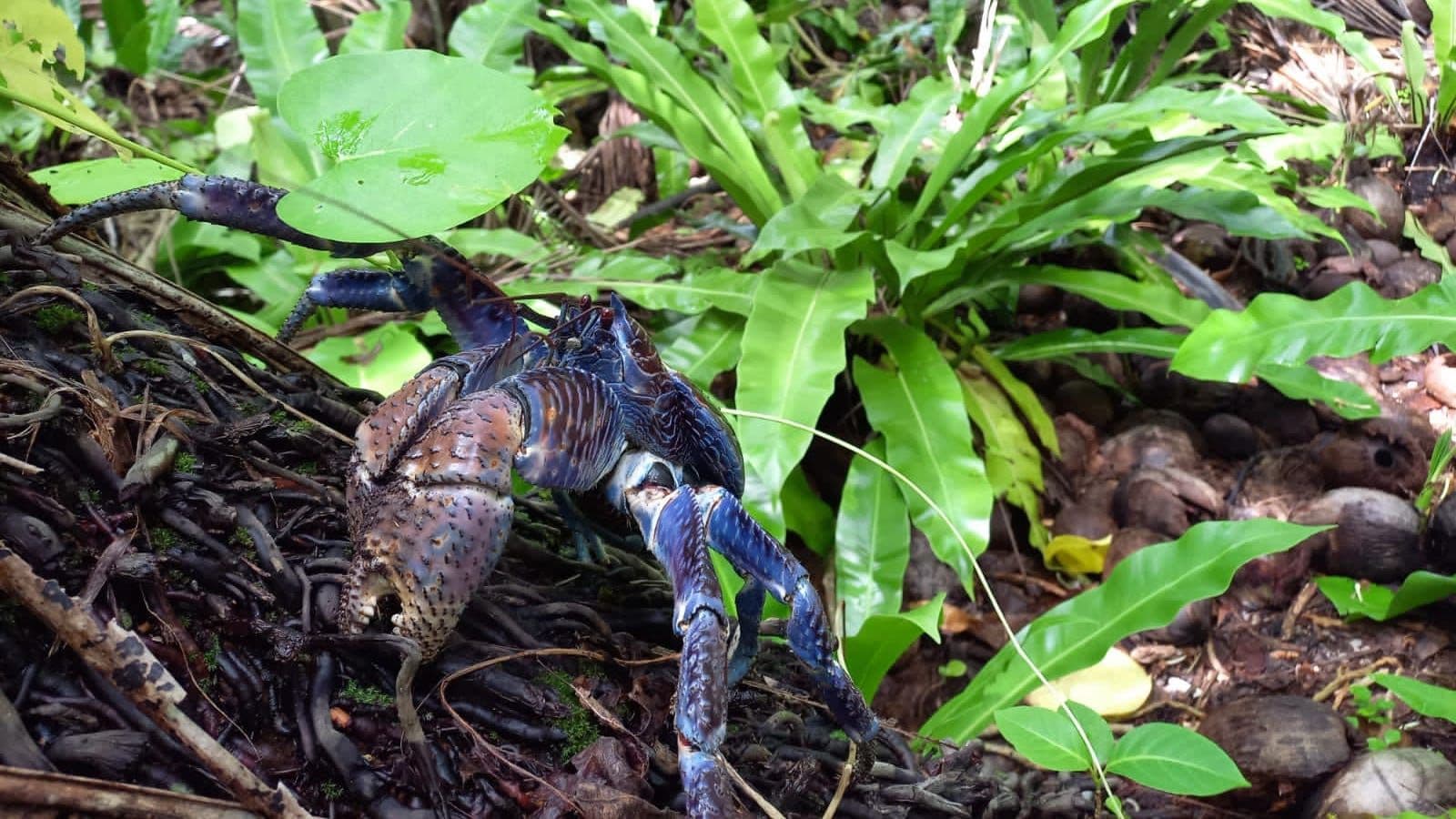
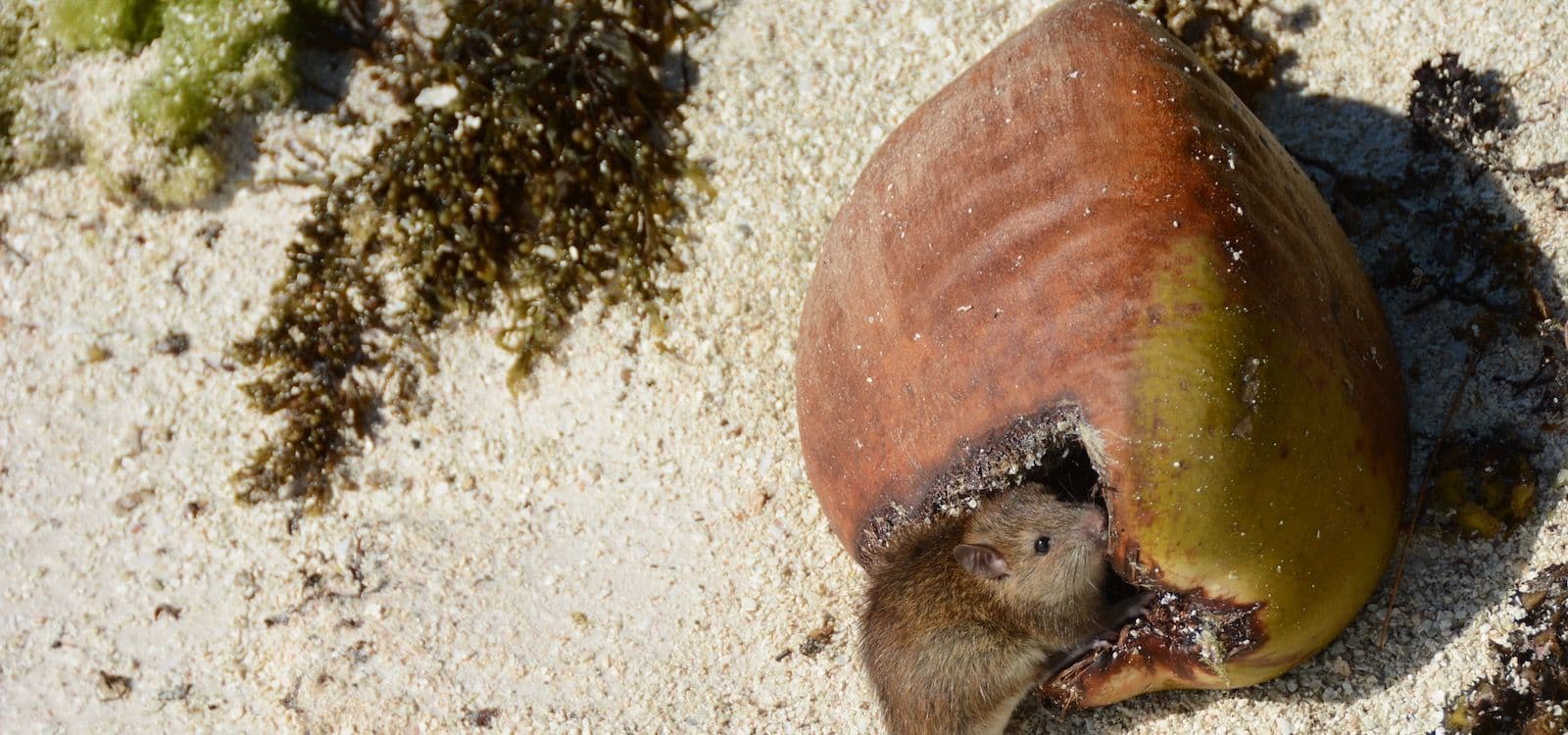
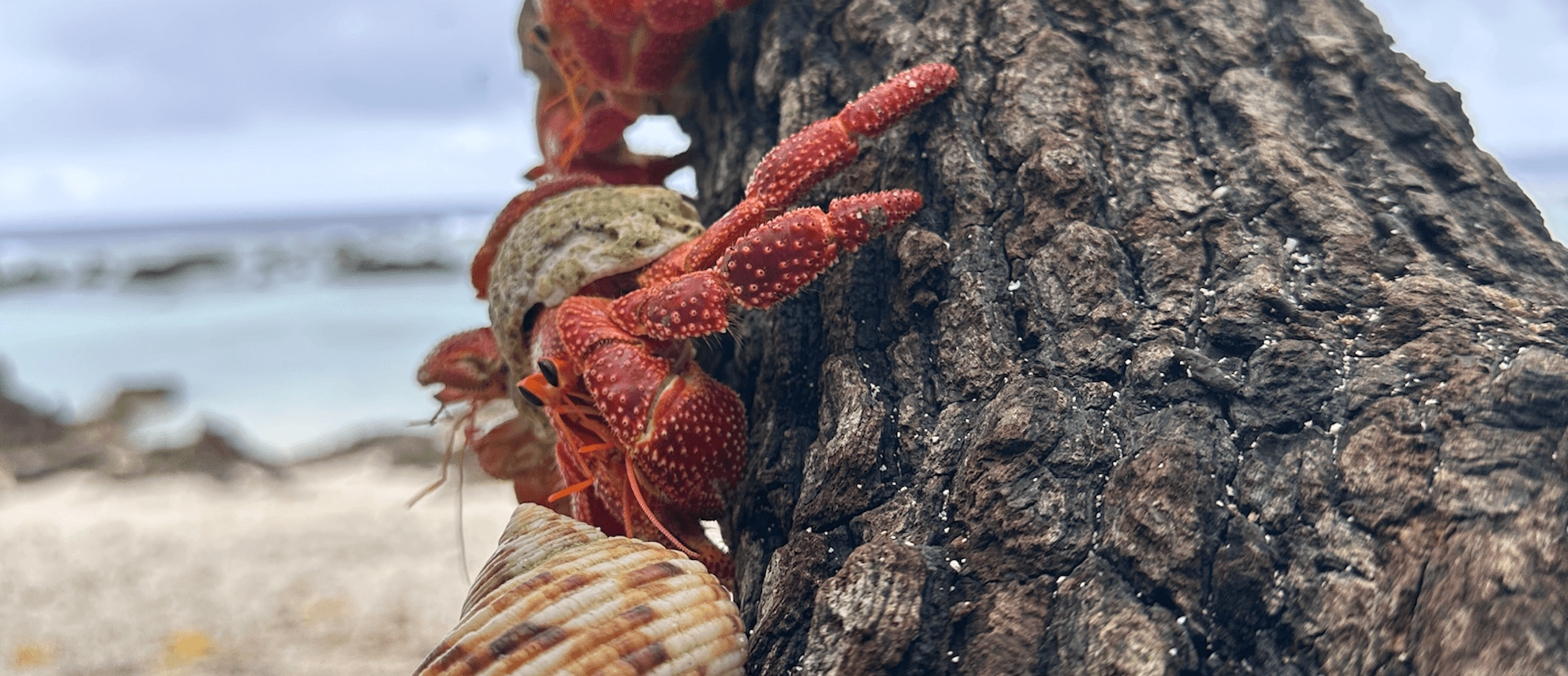
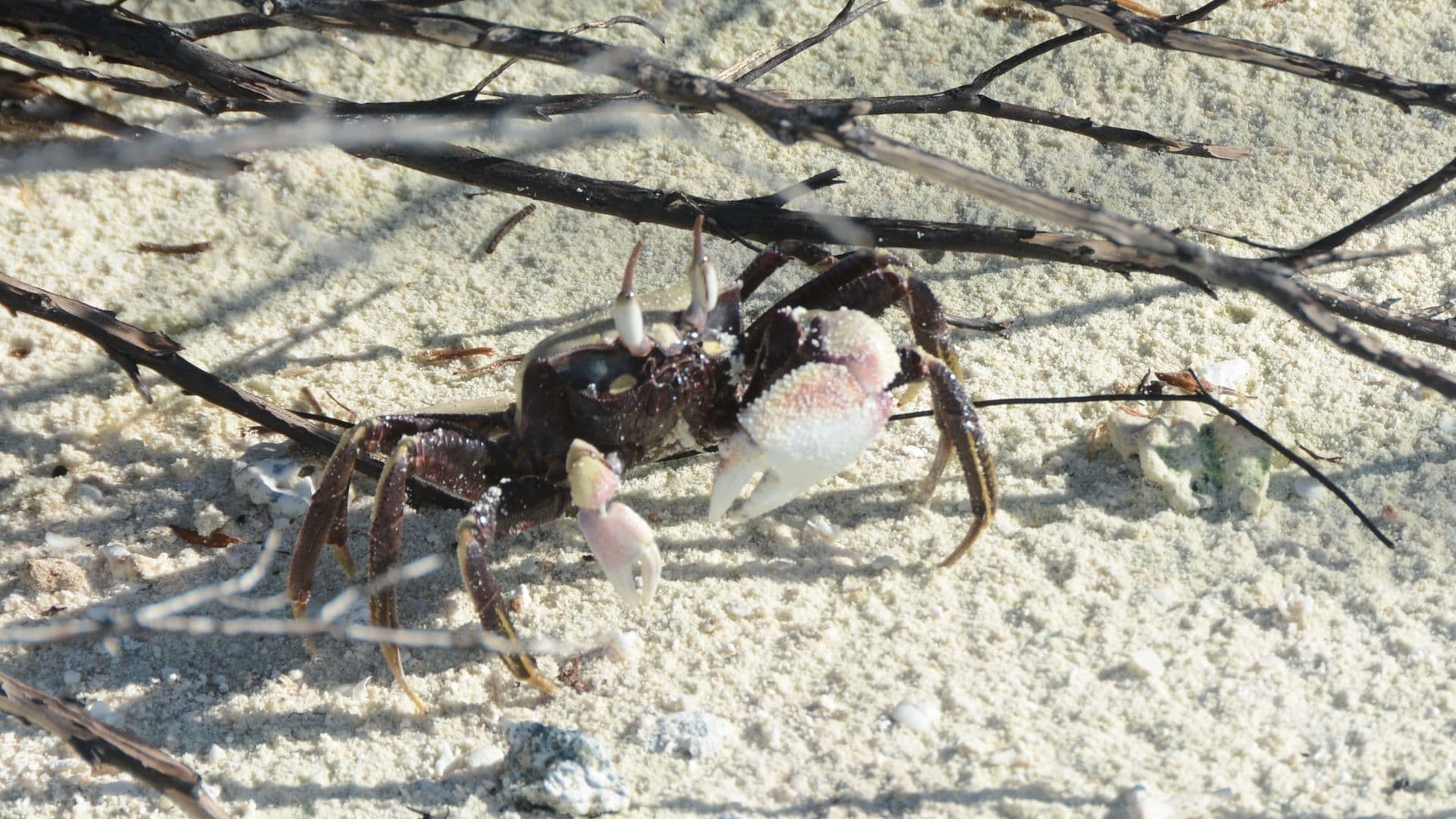
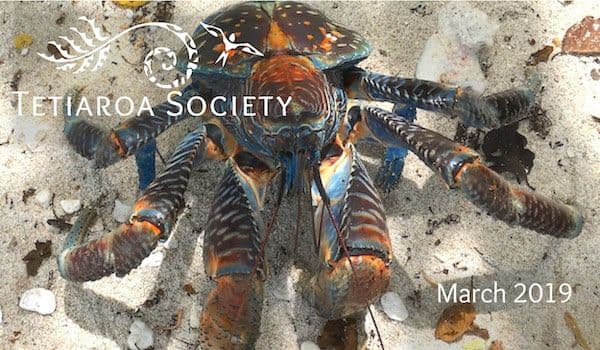
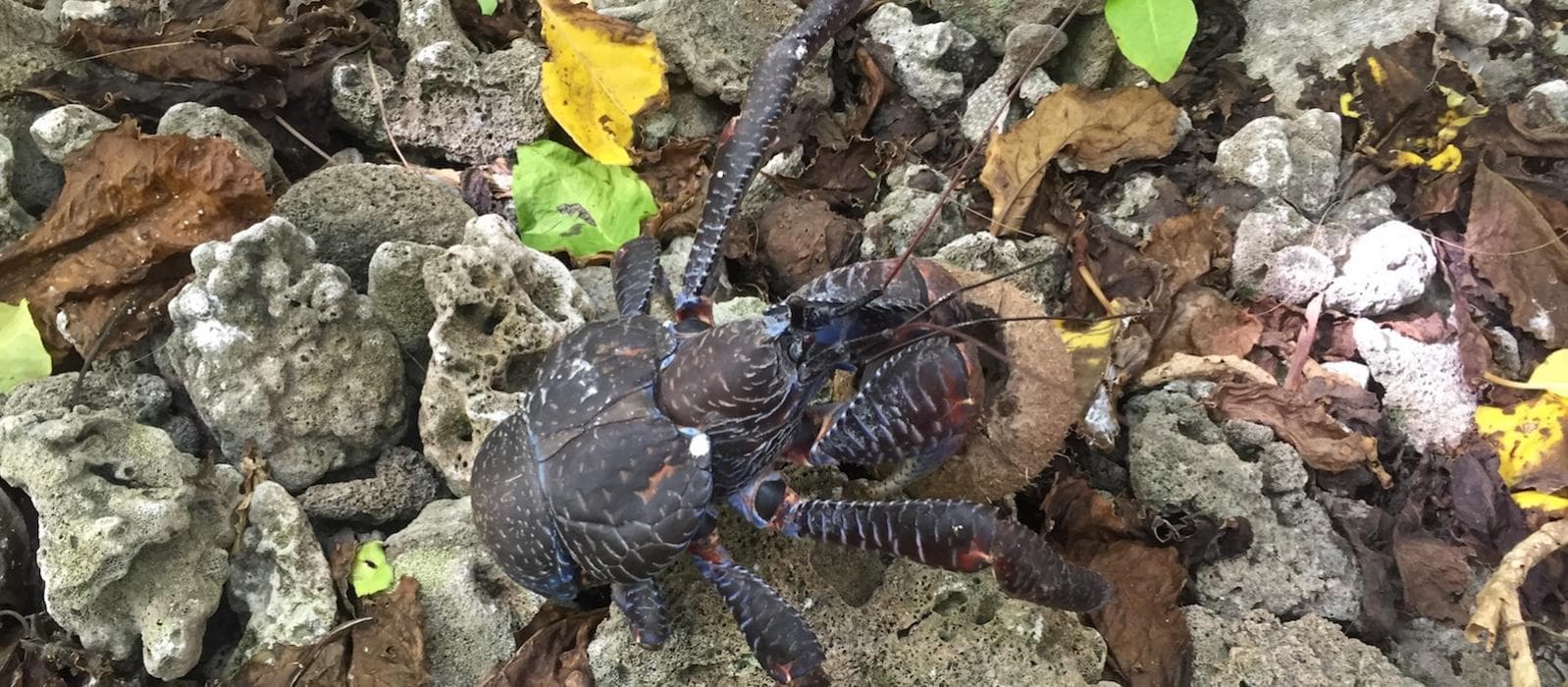
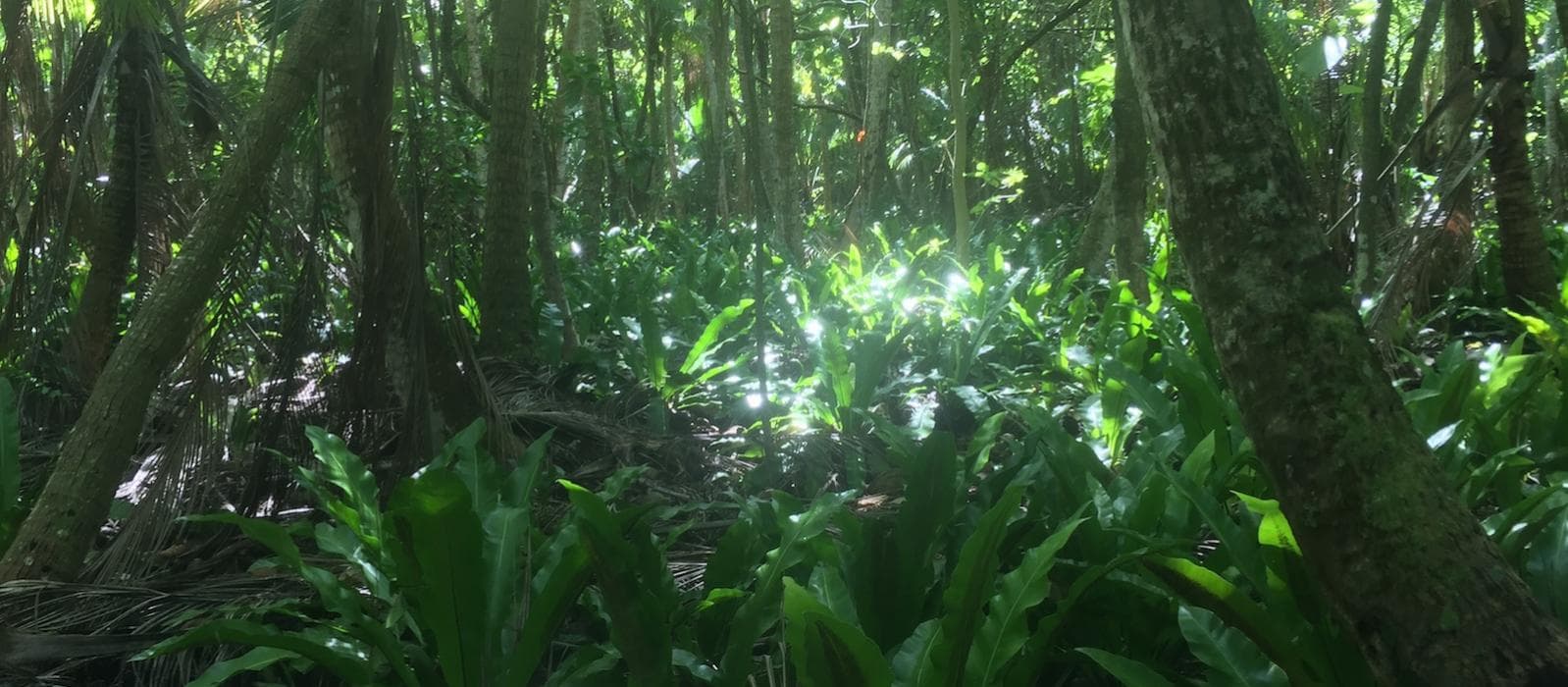
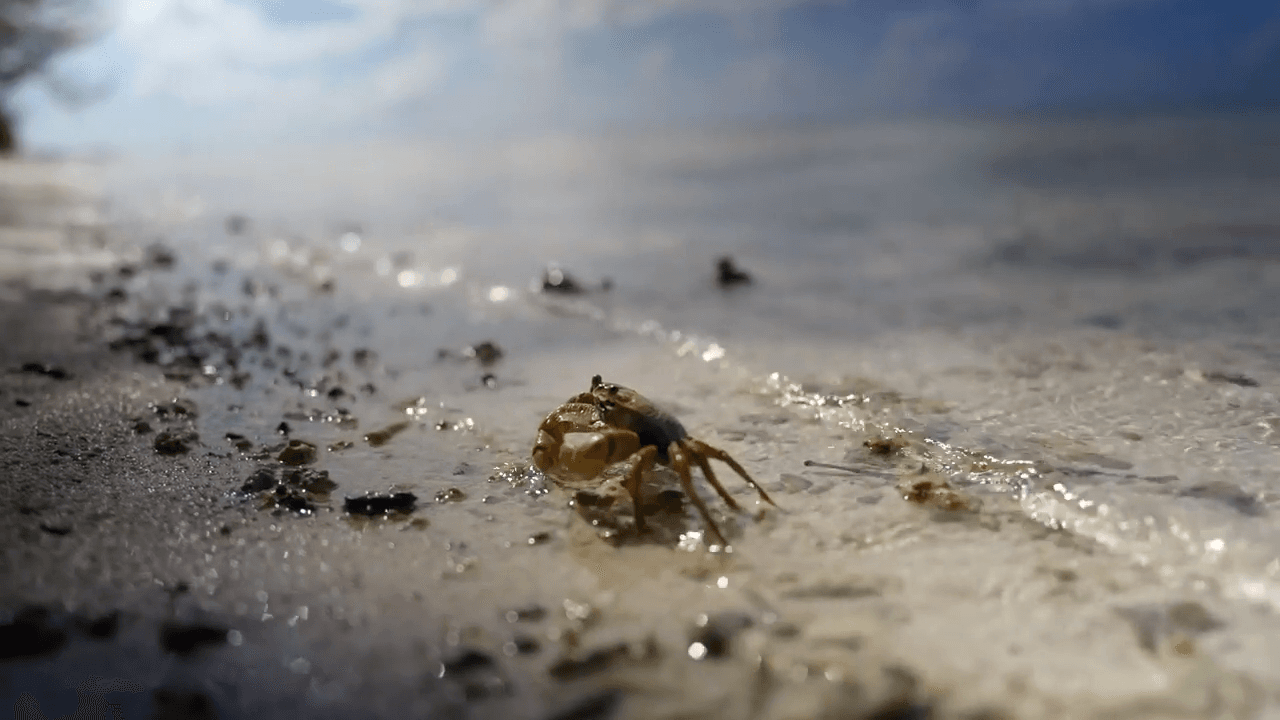
Through the forests and along the shorelines of Teti’aroa, crabs play a vital role that most visitors never see.
Video / Teti'aroa
Continuous science on the atoll since 2014
From coral nurseries to seabird recovery
Documented in a living guide to the atoll
Universities, labs, and NGOs worldwide
411 of 480 entries

Through the forests and along the shorelines of Teti’aroa, crabs play a vital role that most visitors never see.
Video / Teti'aroa
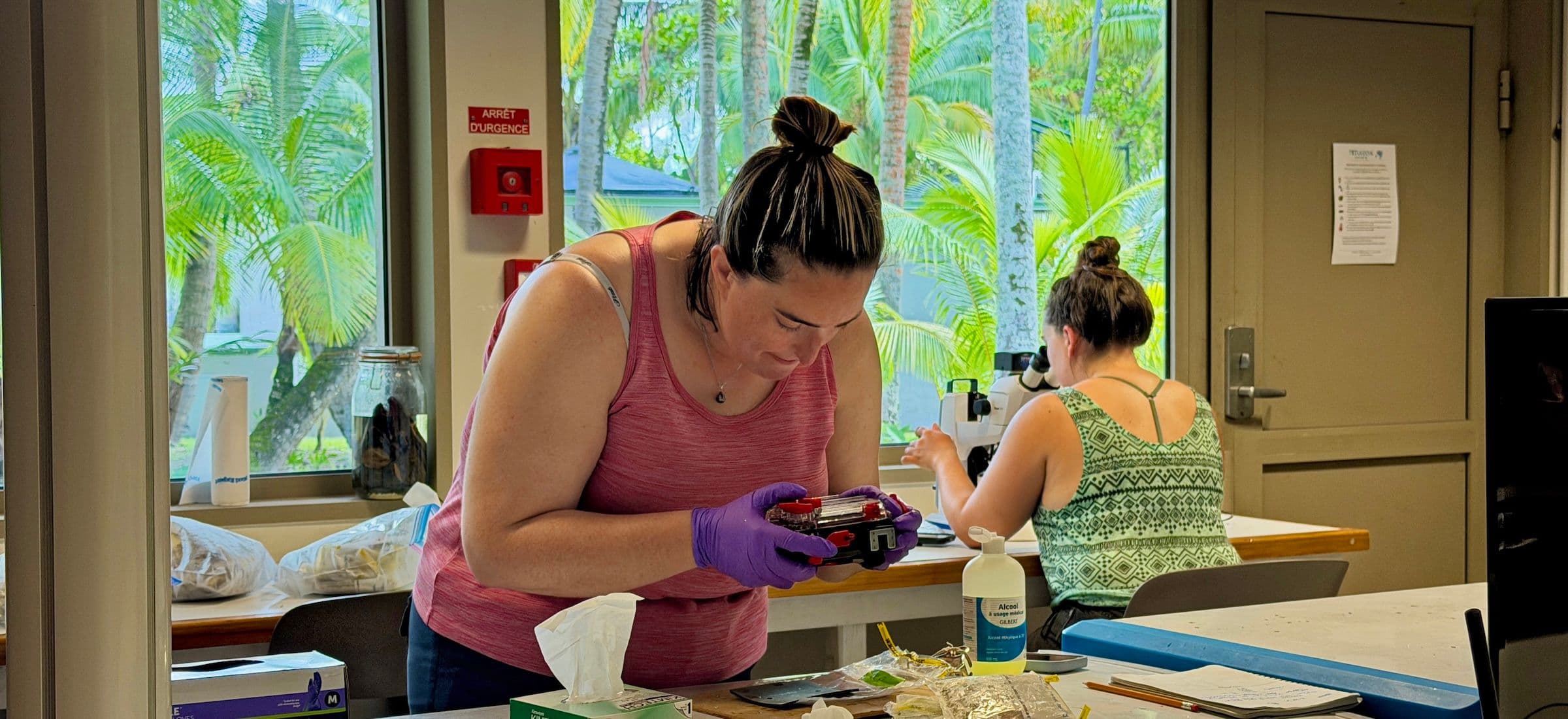
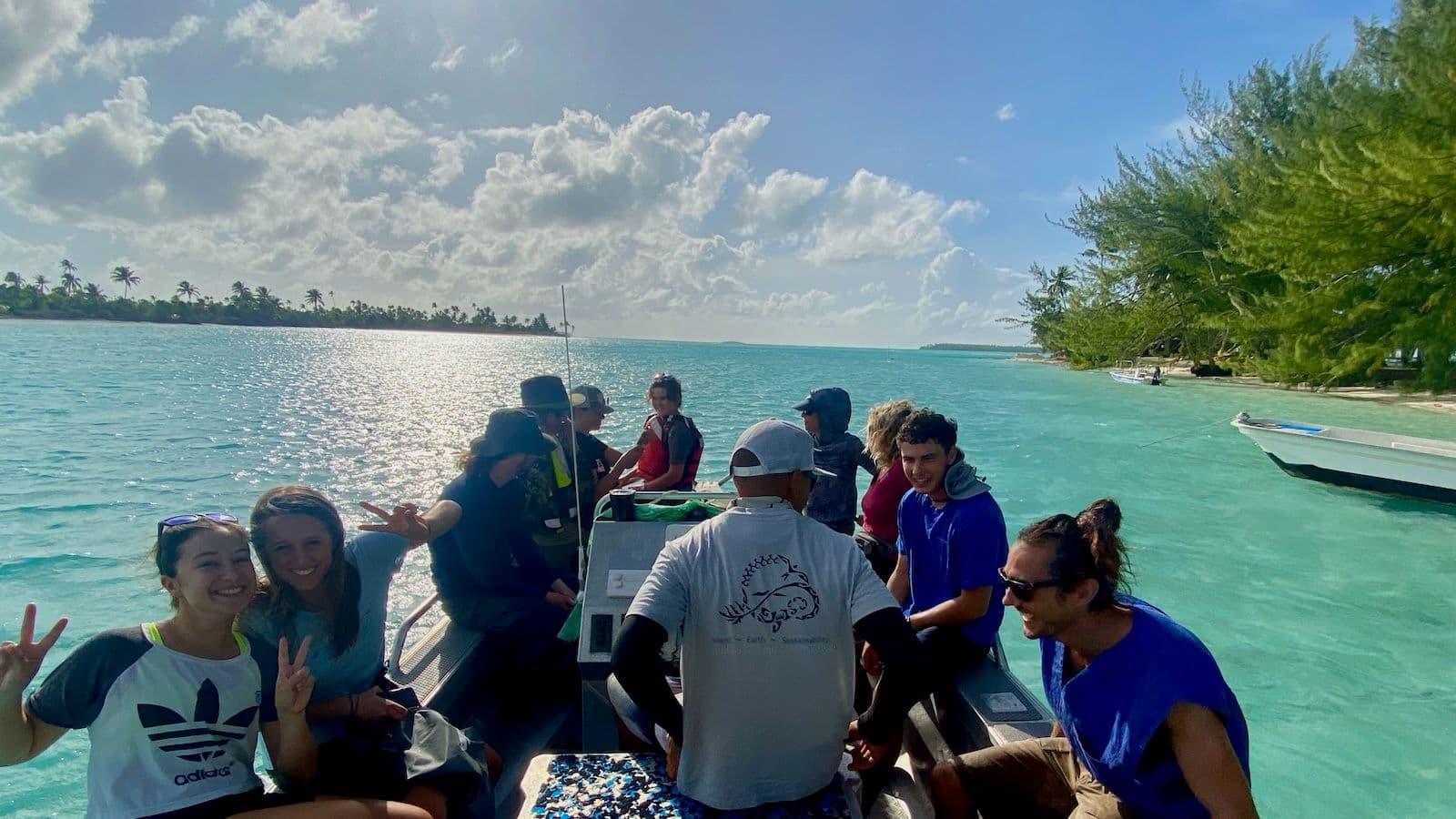
An update on the on-going work and research happening at the Bailey Field Station.
Newsletter / Teti'aroa
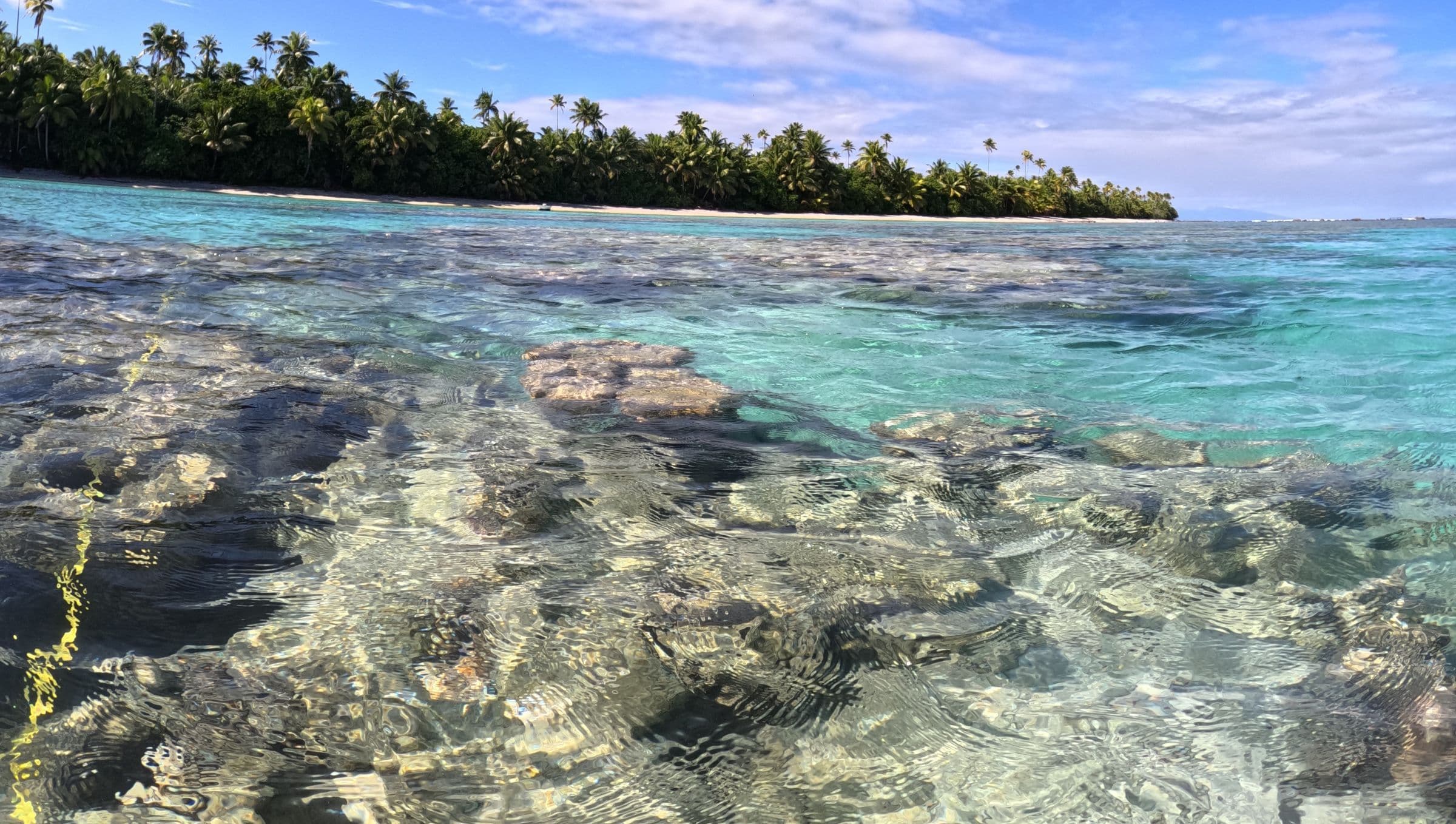
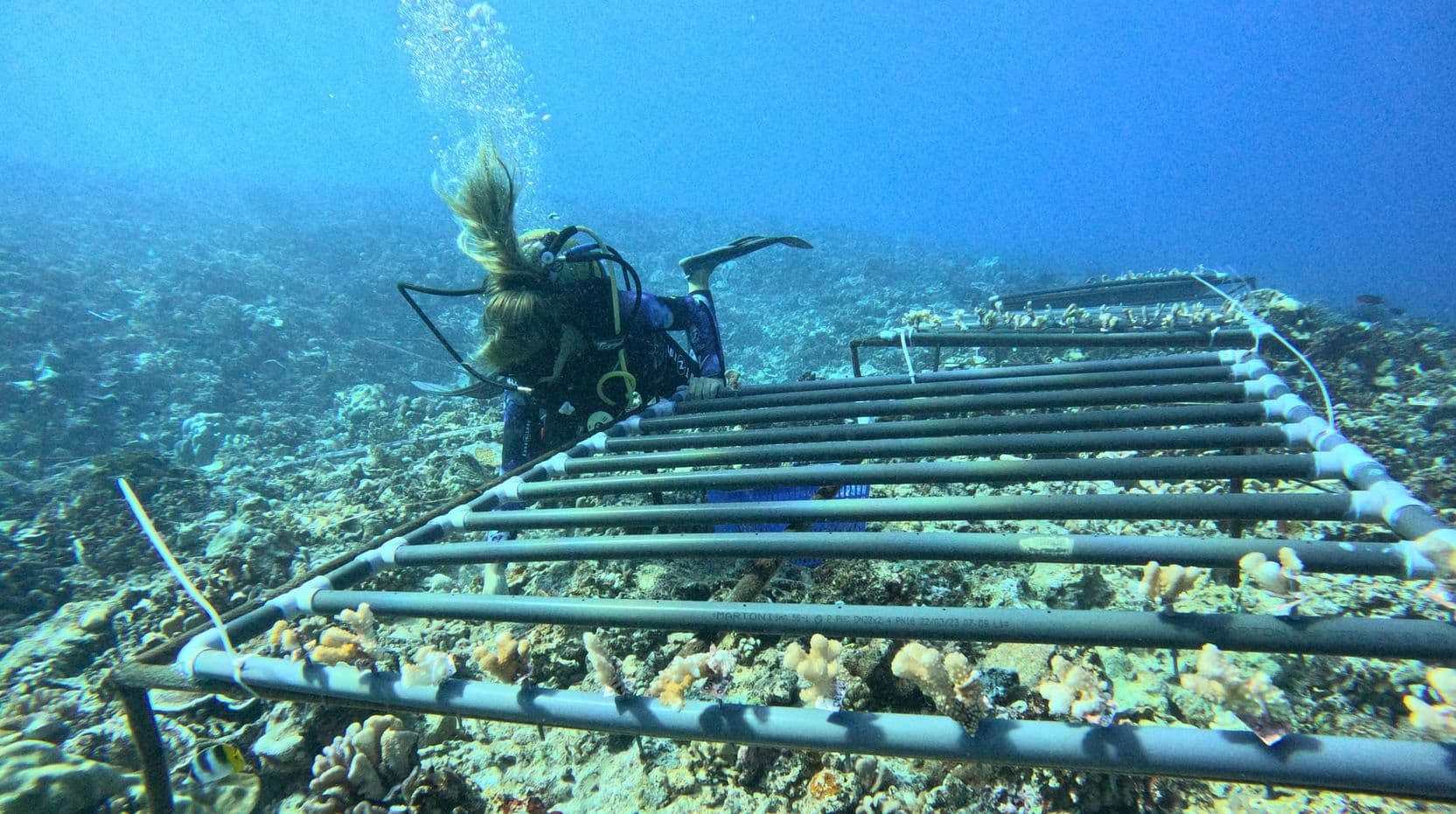
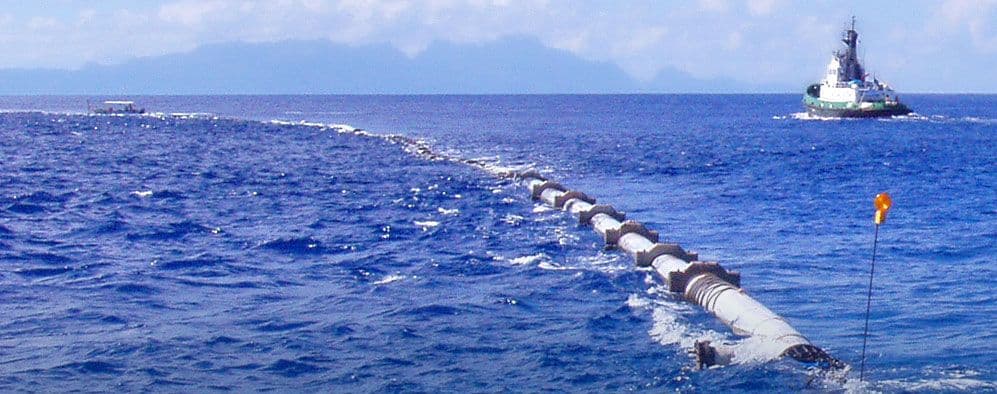
COOLREEF has laid the foundation for further studies, suggesting modifications to the SWAC configuration to improve cooling efficiency and uniformity across the reef area. The project aligns with global efforts such as RRAP in Australia, demonstrating potenti.
Research project / Tetiaroa
list of research and conservation projects
From the Archive / Tetiaroa

The ATTRACT project, for Teti'aroa Atoll Seabird Restoration, is a major step in the atoll's ecological restoration program. Led by the Tetiaroa Society with support from The Nature Conservancy and the European BestLife2030 program, it aims to encourage the r.
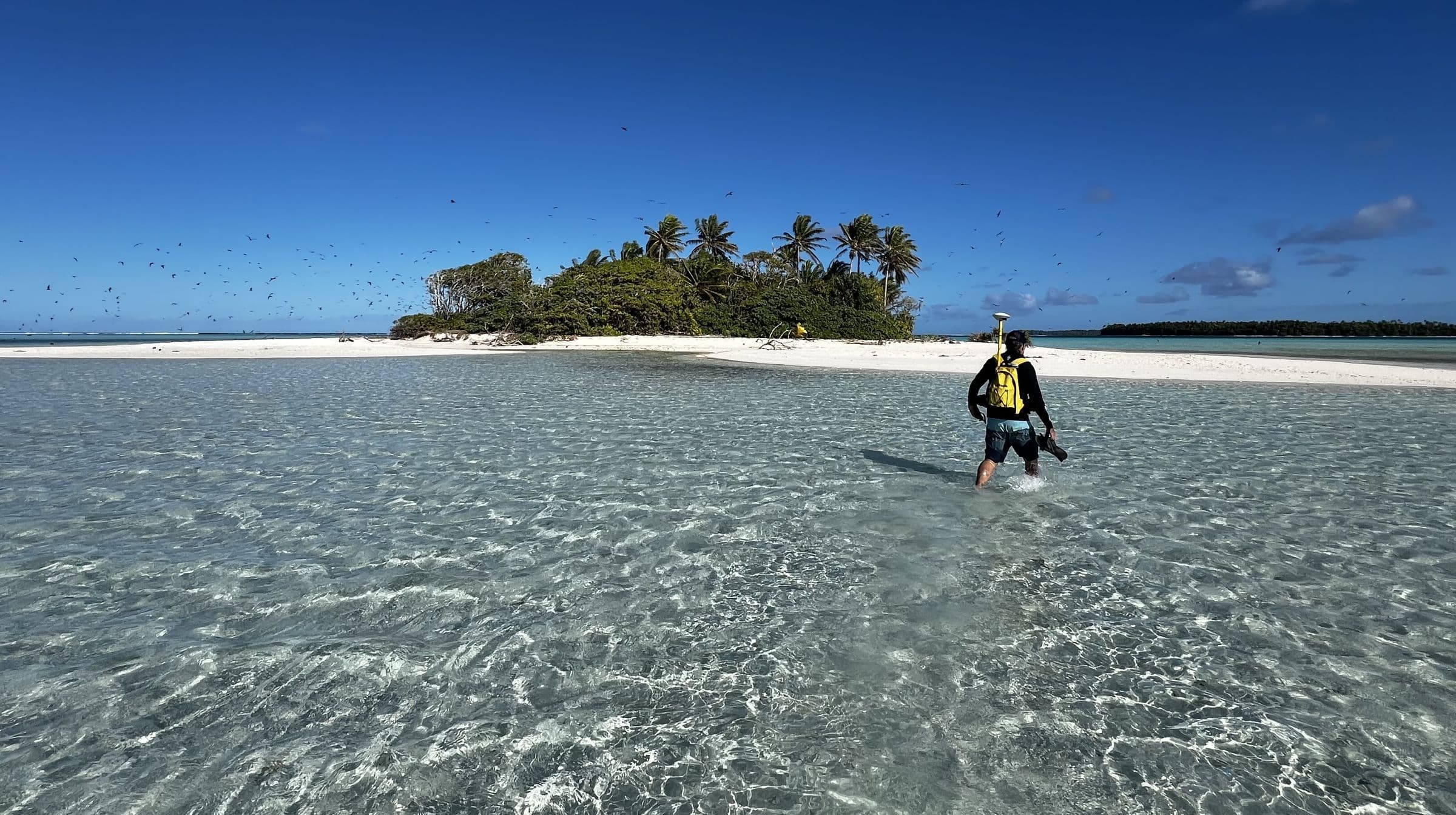
Research project / Tetiaroa

The AeLIMIN+ program, led by the Institut Louis Malardé on behalf of The Brando hotel in partnership with Tetiaroa Society, aims to suppress populations of Aedes polynesiensis and Aedes aegypti mosquitoes, primarily on the motu Onetahi at Teti’aroa. To achiev.
Research project / Tetiaroa
The AeLIMIN+ program, led by the Institut Louis Malardé on behalf of The Brando hotel in partnership with Tetiaroa Society, aims to suppress populations of Aedes polynesiensis and Aedes aegypti mosquitoes, primarily on the motu Onetahi at Teti'aroa. To achiev.
Project update / Tetiaroa

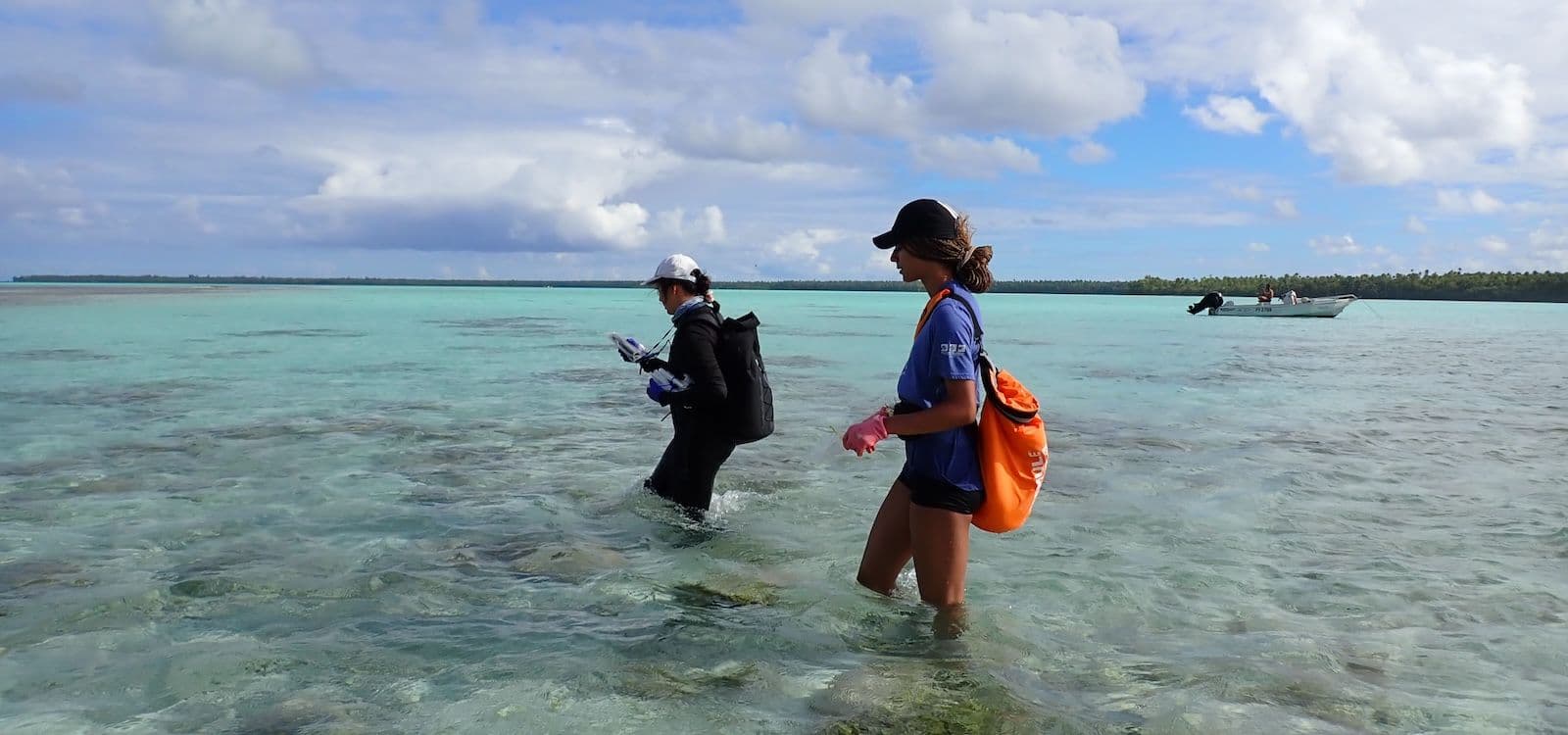
Courtney Stuart studies nutrient cycling across the land-sea interface in Teti’aroa using a combination of landscape ecology theory, stable isotope analysis, and GIS-based approaches. During her September 2023 fieldwork in Teti’aroa, she collected samples of..
Research project / Tetiaroa
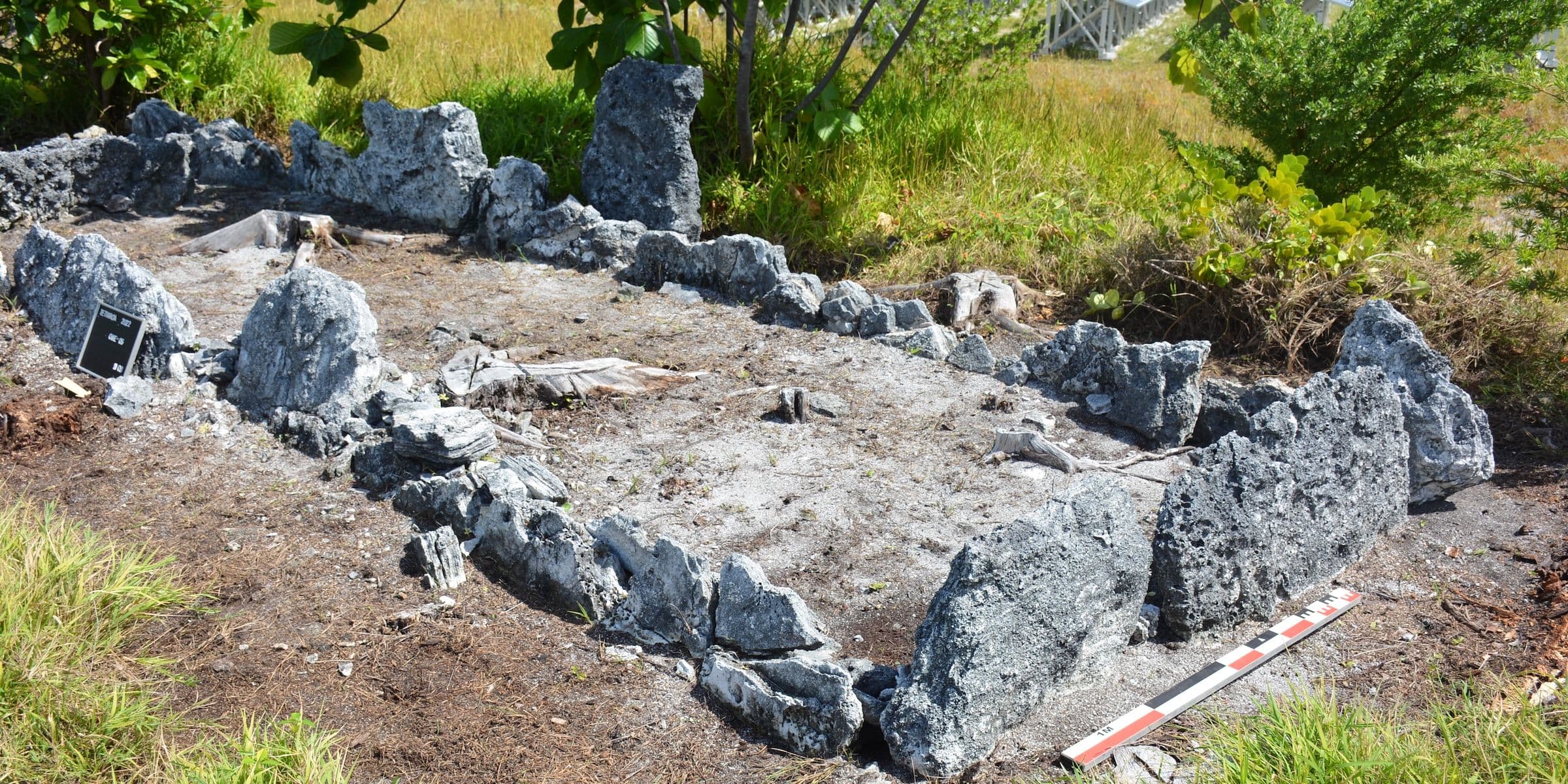
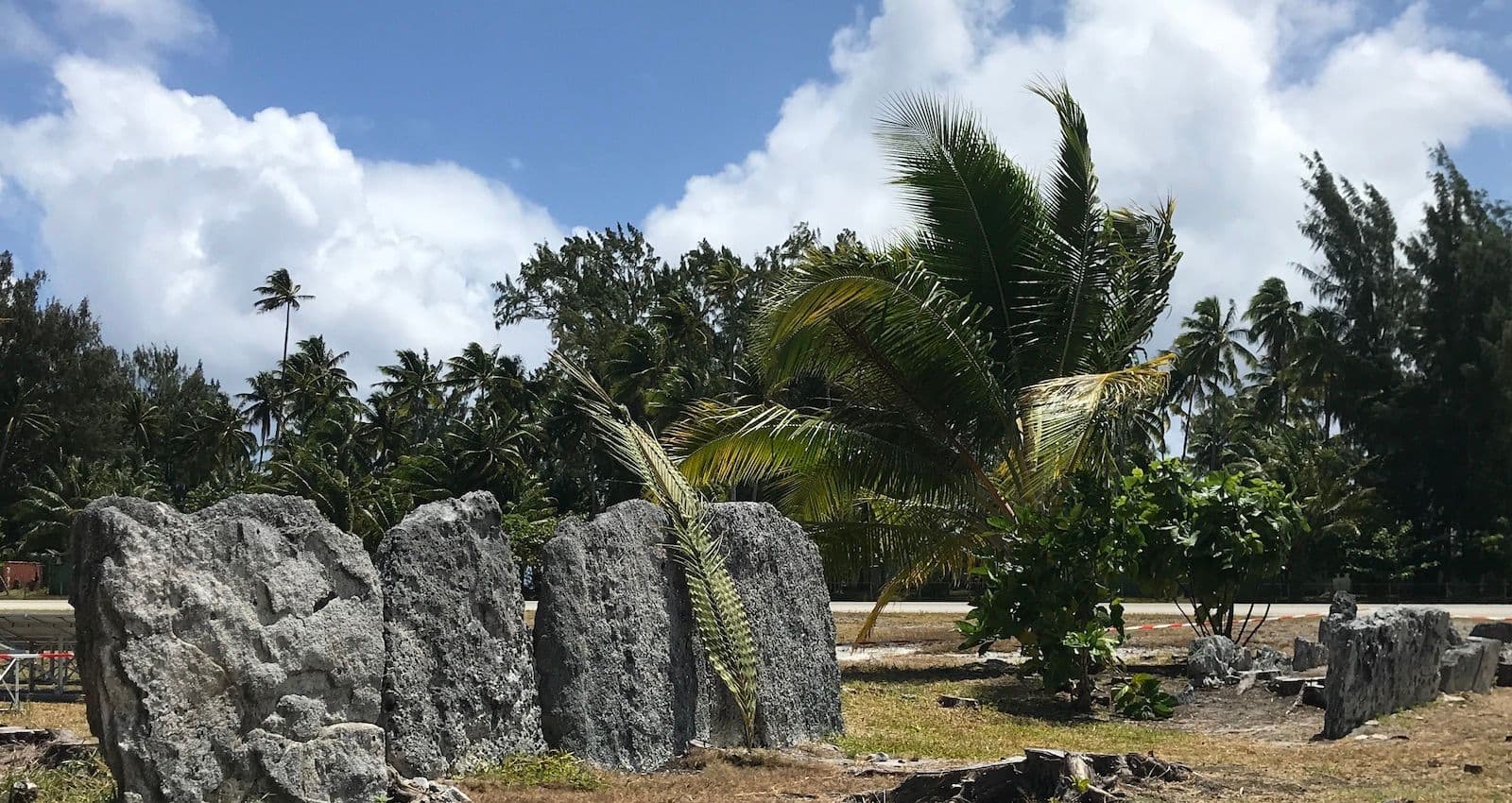
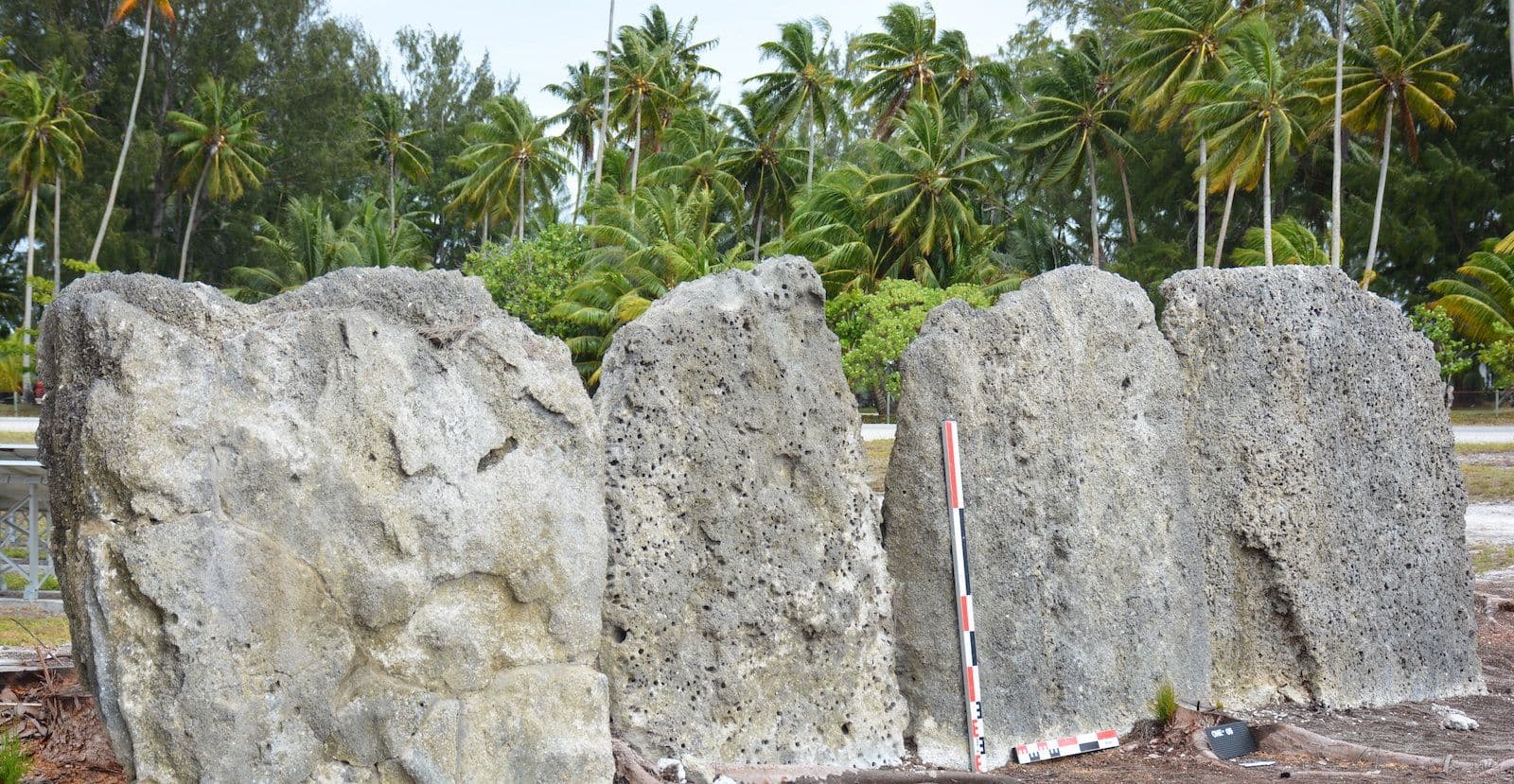
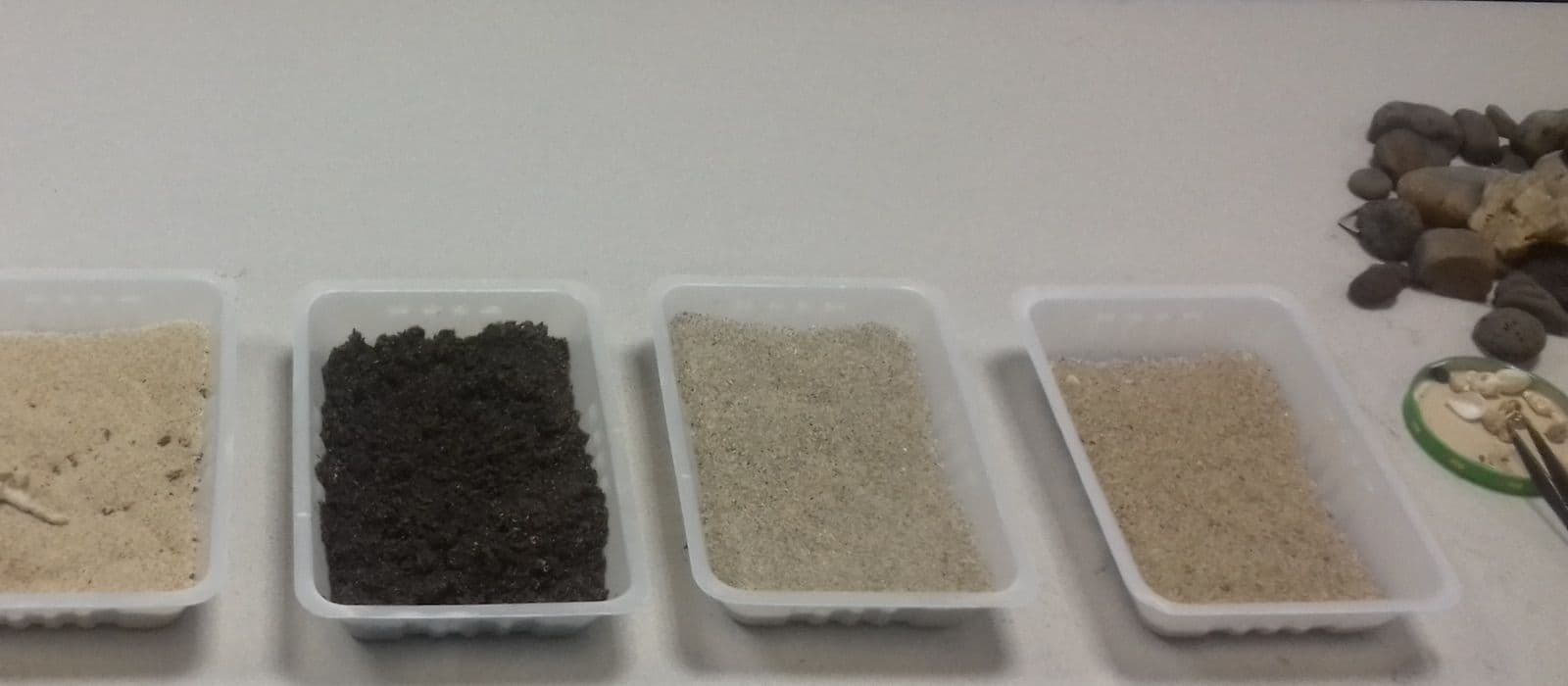
Main Objectives: The mission conducted in January 2025 aimed to identify the materials used in the construction of marae, traditional Polynesian structures with religious and social functions. This work contributes to a better understanding of the history of..
Project update / Tetiaroa

Fresh water is a scarce but critical resource on tropical atolls, yet the rates at which common atoll plants consume water remains unknown. In 2024 we installed 65 custom sapflow sensors in trunks of five of the most common woody atoll plants: ha’ari/ coconut.
Research project / Tetiaroa
Summary of field activities : Standard monitoring was carried out across several motus, including avian point counts, Brown booby nest counts and maintenance of the audio recording stations deployed across the atoll. GPS tags were fitted to Brown and Red-foo.
Project update / Tetiaroa
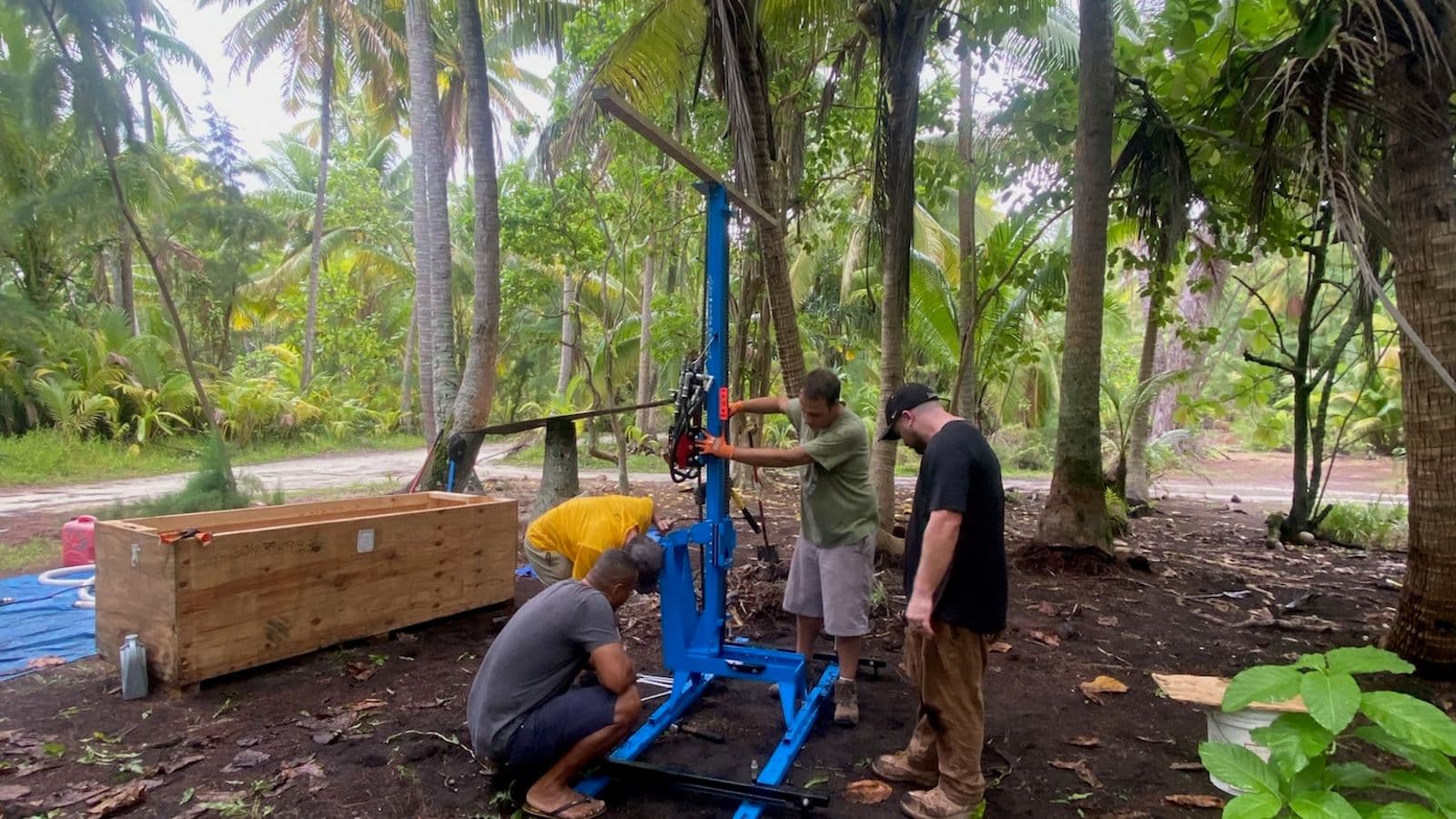
Summary of field activities : Groundwater wells were hand-augered on the motus Honuea, Tahuna Iti, Onetahi and Tahuna Rahi. Water samples were collected and aquifer tests (measurements of the soil's capacity to store and transmit water) were carried out. Elec.
Project update / Tetiaroa
Main Objectives: This mission aimed to launch a litter decomposition protocol across 30 sites distributed among 10 motus, in order to assess the impact of the coconut palm (Cocos nucifera) on the functioning of Tetiaroa's terrestrial ecosystems. It also sough.
Project update / Tetiaroa
This program aims to better understand the seabirds of Tetiaroa: where they live, how they use the different motu, how many there are, and whether they succeed in reproducing.
Project update / Tetiaroa
This operation is part of the Tetiaroa Atoll Restoration Program (TARP), which aims to protect seabirds, crabs, and native vegetation by eradicating invasive rats. The primary goal of this mission was to treat the motus Tauvini and Ahuroa, located near Ti'a.
Project update / Tetiaroa
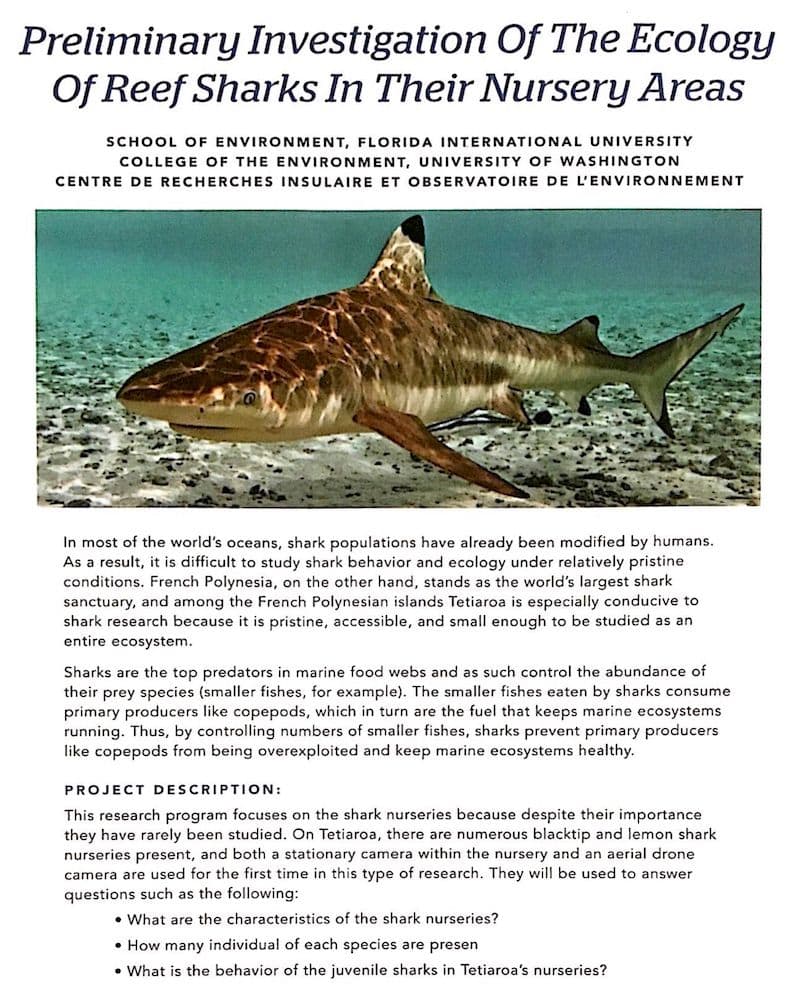
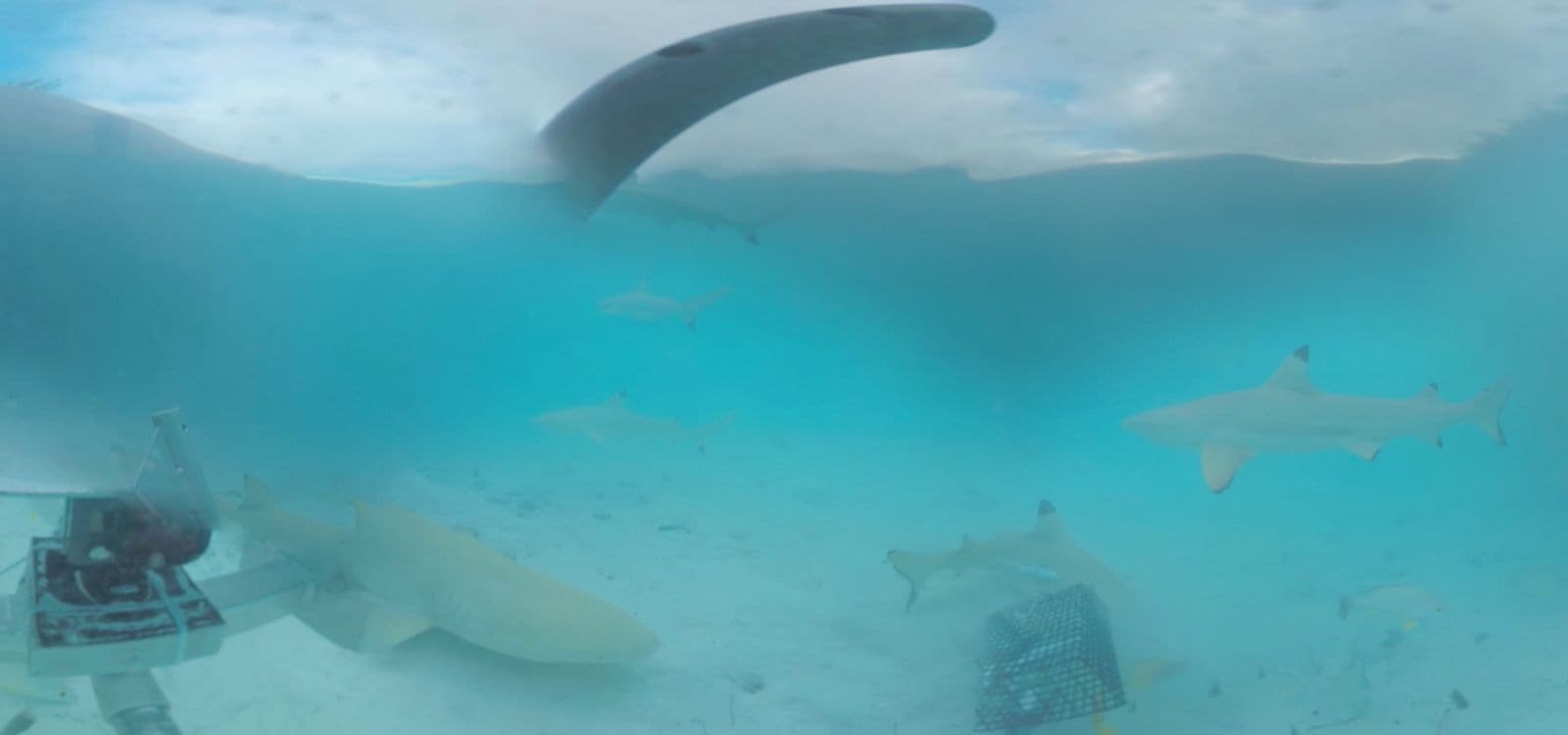
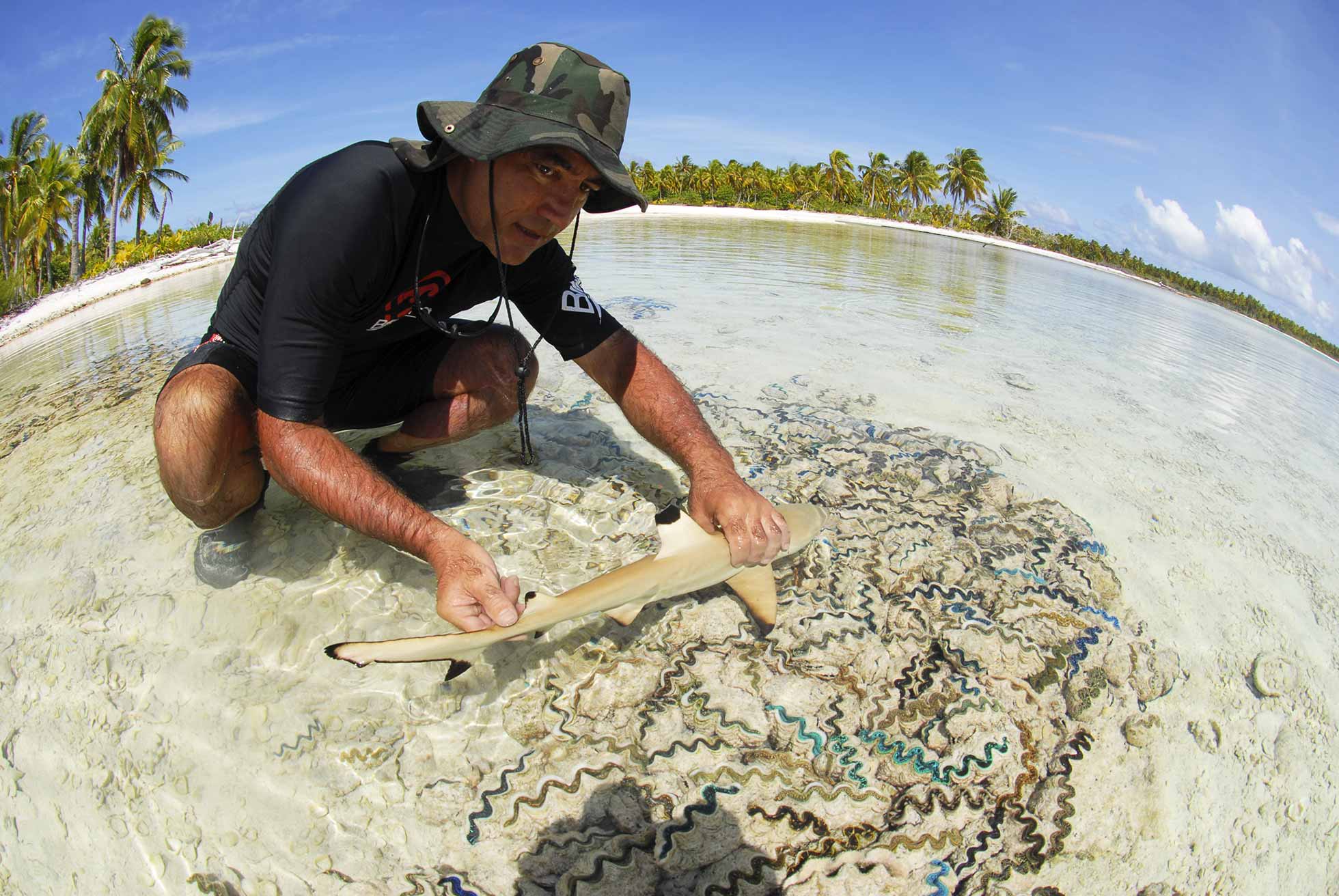
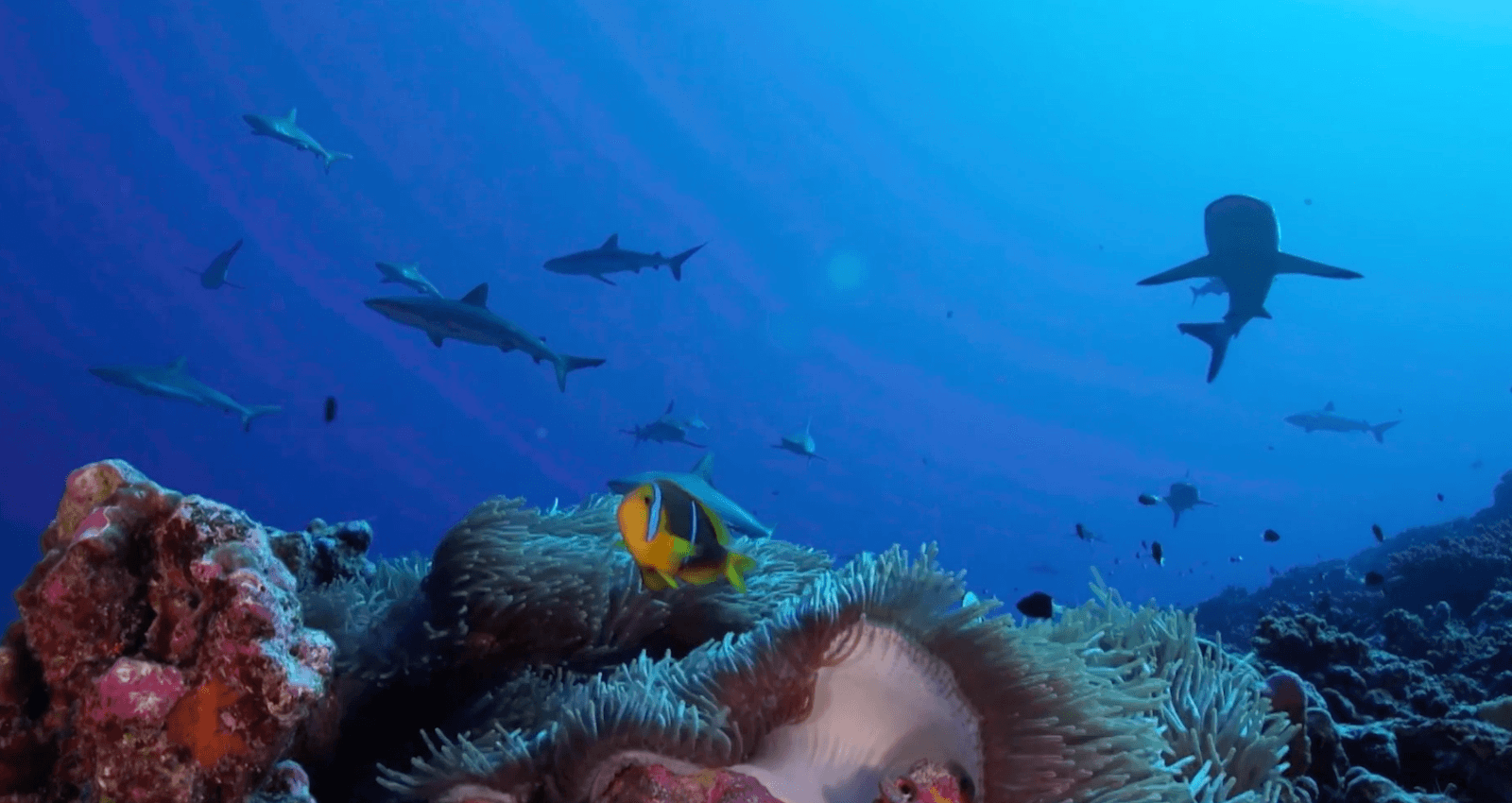
768px --> Main objectives This program aims to study the spatial ecology of two large marine predators—the sicklefin lemon shark ( Negaprion acutidens ) and the blacktip reef shark ( Carcharhinus melanopterus )—within a relatively undisturbed coastal nurser.
Project update / Tetiaroa
The objective of this research is to establish a baseline understanding of how sharks use nursery habitats, specifically how that use changes across different age/size classes within a species, in a relatively undisturbed atoll.
Project update / Tetiaroa
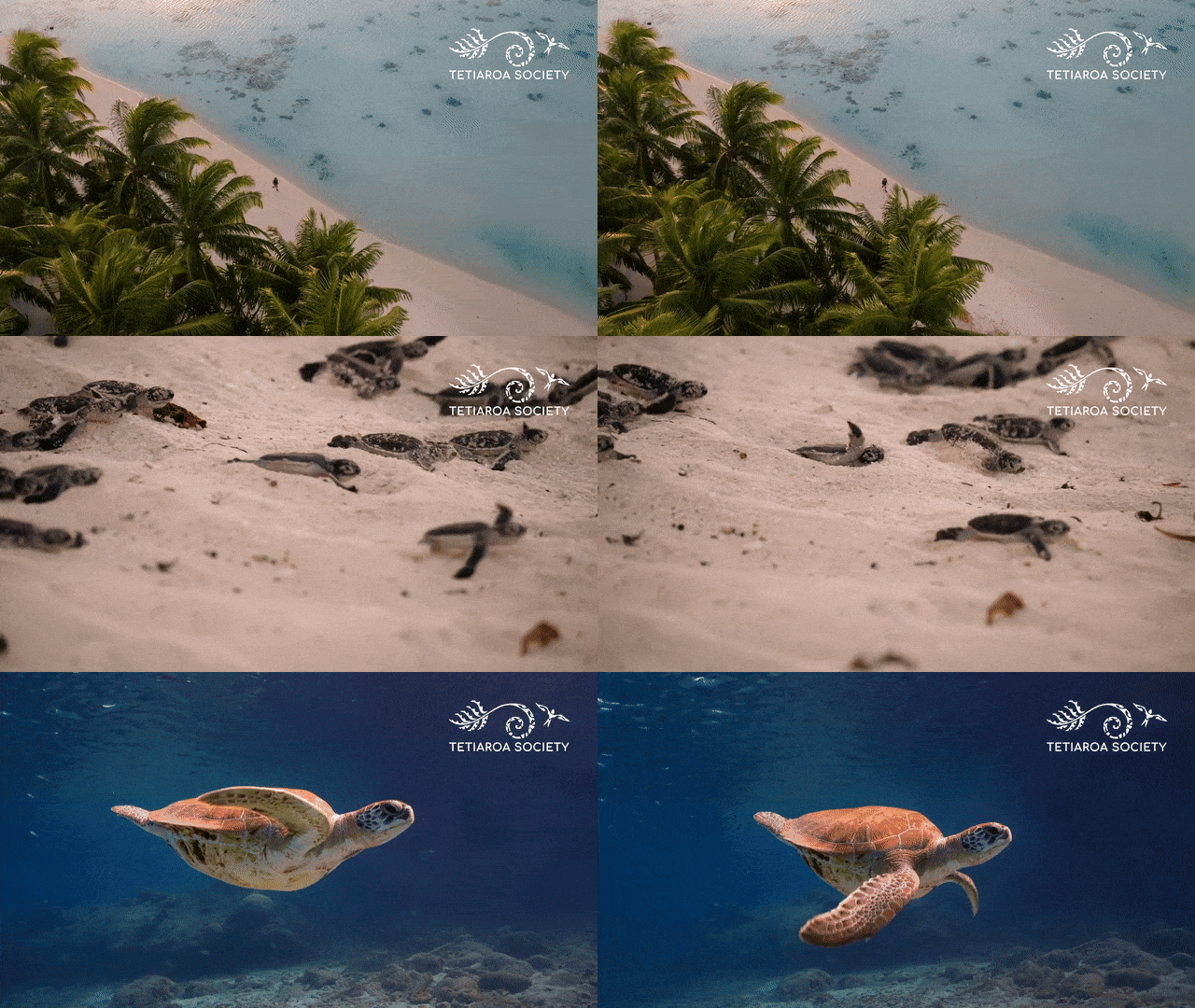
Post-eradication monitoring : This mission aimed to maintain continuous rat monitoring across Teti'aroa Atoll, in two distinct contexts. First, the regular surveillance of Onetahi, a motu that was not treated in 2025 but which represents the atoll's main entr.
Project update / Tetiaroa
Main Objectives: This project aims to understand how the presence of trios of introduced species influences the dynamics of Tetiaroa's terrestrial ecosystems, particularly through their effects on land crabs, seabirds, and the overall balance of the motu. Ju.
Project update / Tetiaroa
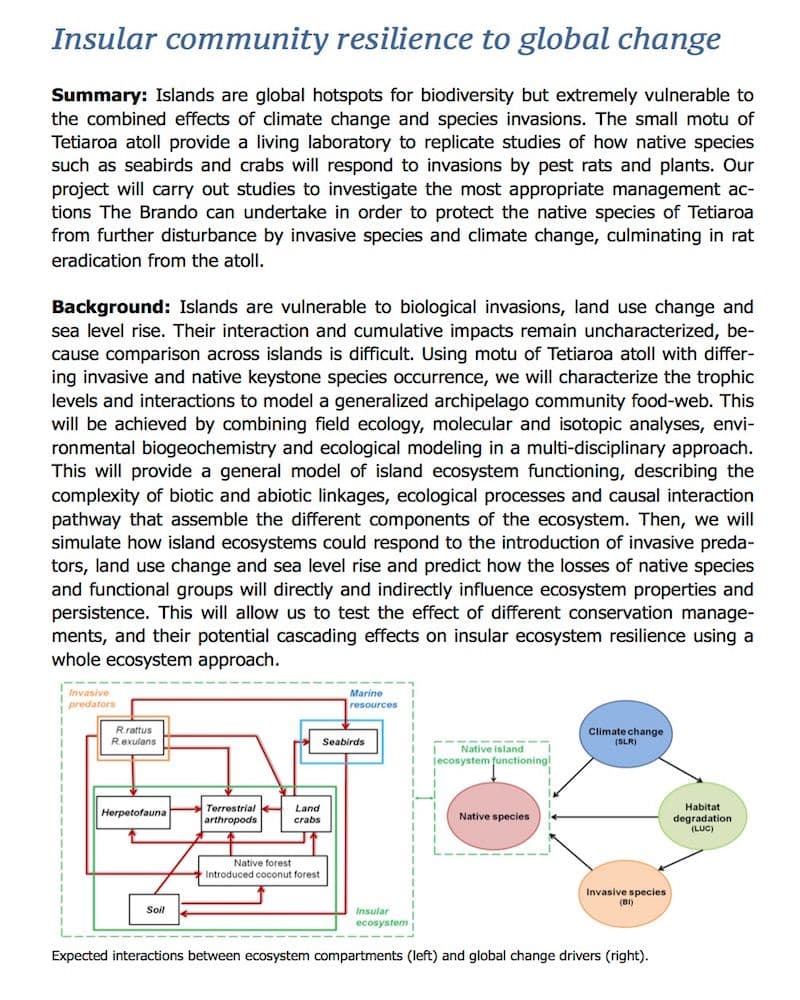
Main objectives: The disruption of ecosystem functioning following the introduction of invasive alien species is particularly damaging, both for the environment and for economic activities. This project aims to characterize the effects on biodiversity and ec.
Project update / Tetiaroa
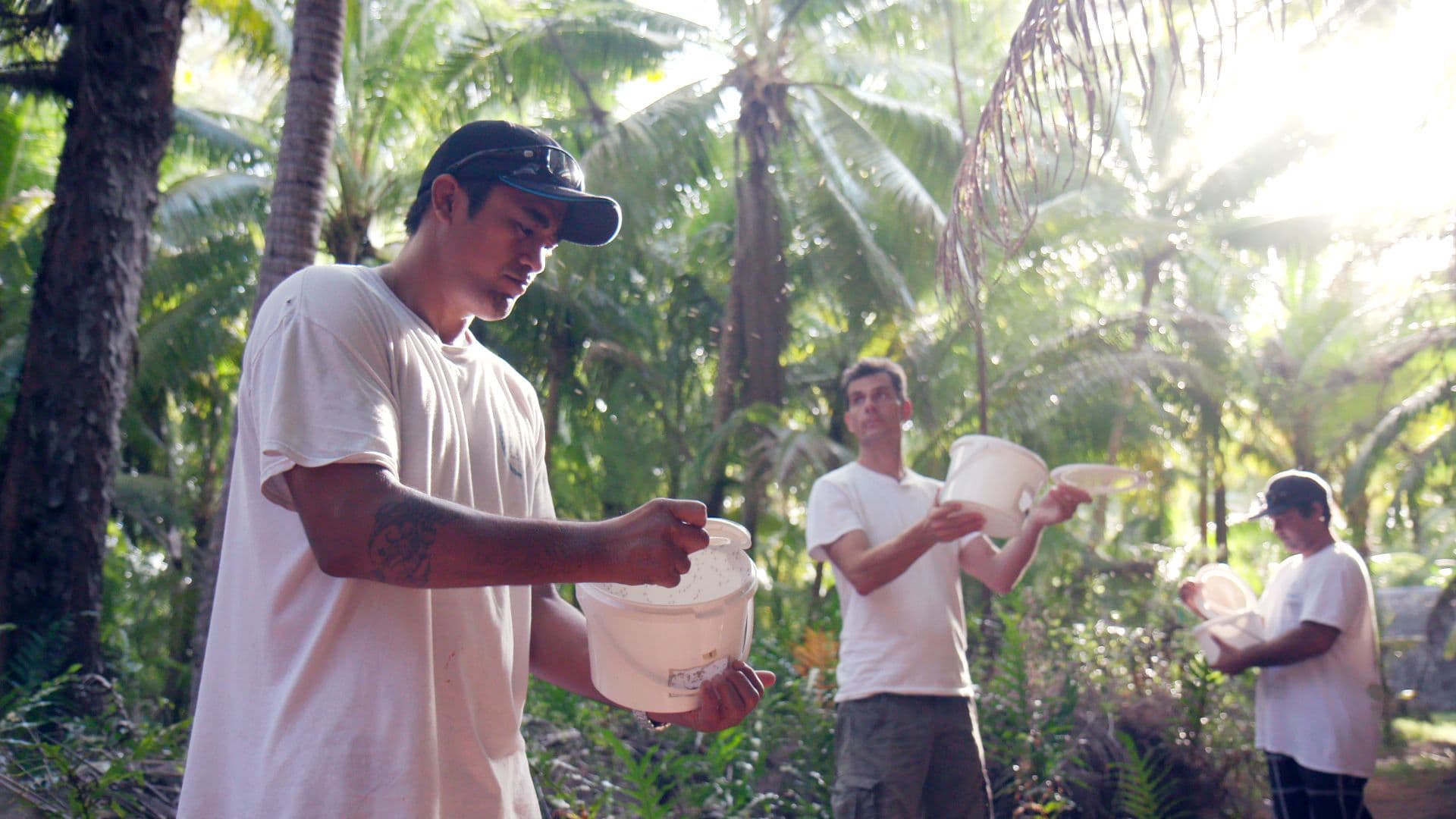
The AeLIMIN+ program, led by the Louis Malardé Institute in partnership with the Tetiaroa Society and The Brando Hotel, aims to eliminate the Aedes polynesiensis and Aedes aegypti mosquito populations on certain motu of Tetiaroa, particularly Onetahi and Honu.
Project update / Tetiaroa
This project, led by Michael Burnett (University of California, Santa Barbara), aims to better understand how the main tree species on Tetiaroa use groundwater resources. The study focuses in particular on coconut trees (Cocos nucifera), pu’atea (Pisonia gr.
Project update / Tetiaroa
Update: July 19, 2024 from Solene Fabre of the YCA eradication team I am happy to announce that I have completed the mapping in Tiaraaunu to verify the success of the spreading efforts, and I did not detect any yellow crazy ants! This is the third motu where..
Project update / Tetiaroa
768px --> Main objectives In order to complete post-eradication monitoring for the year 2025, operations were carried out on the motus of Tiaraunu and Onetahi, with monitoring having already been carried out on Aie and Horoatera earlier in the year. Two mon.
Project update / Tetiaroa
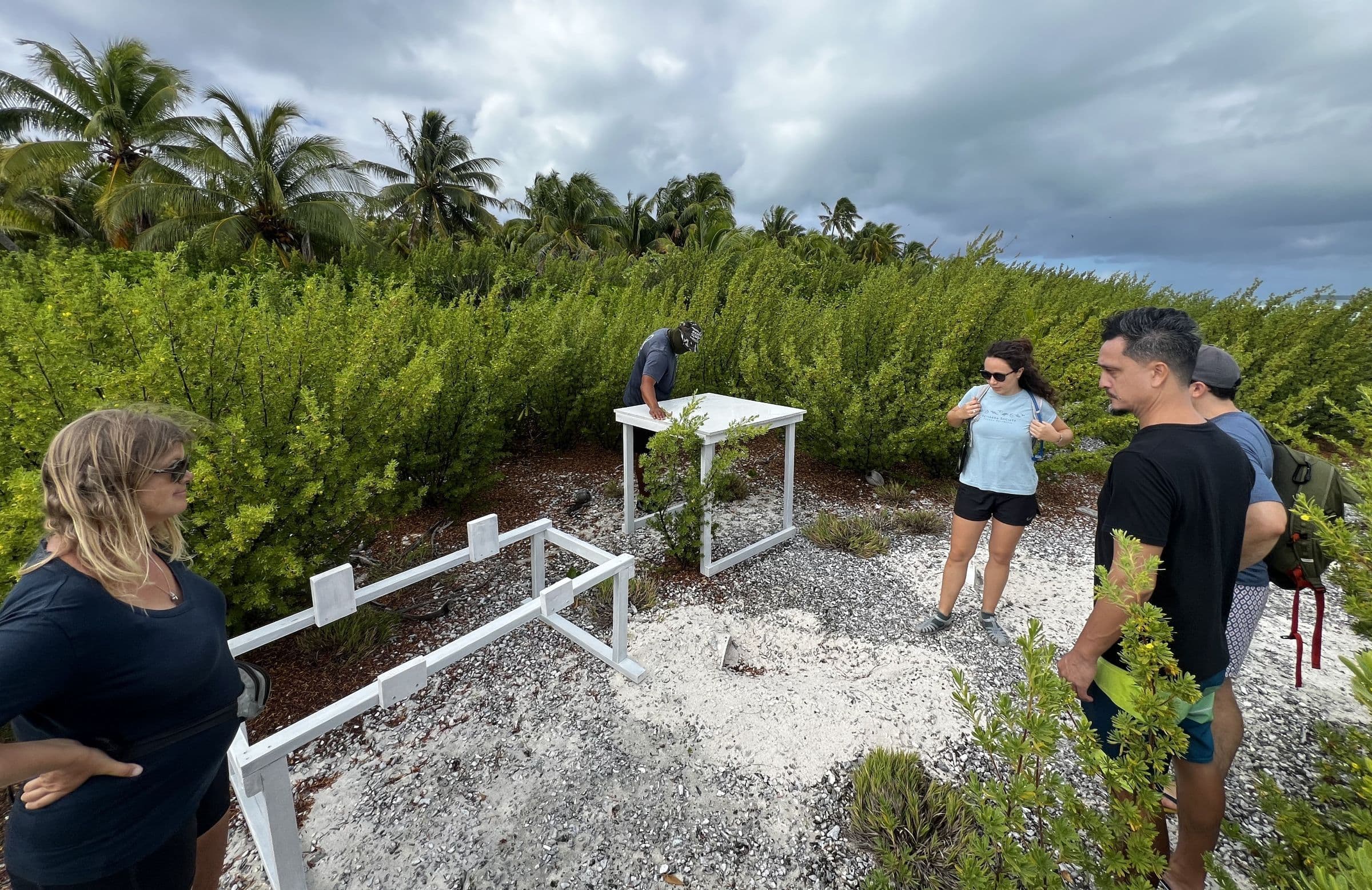
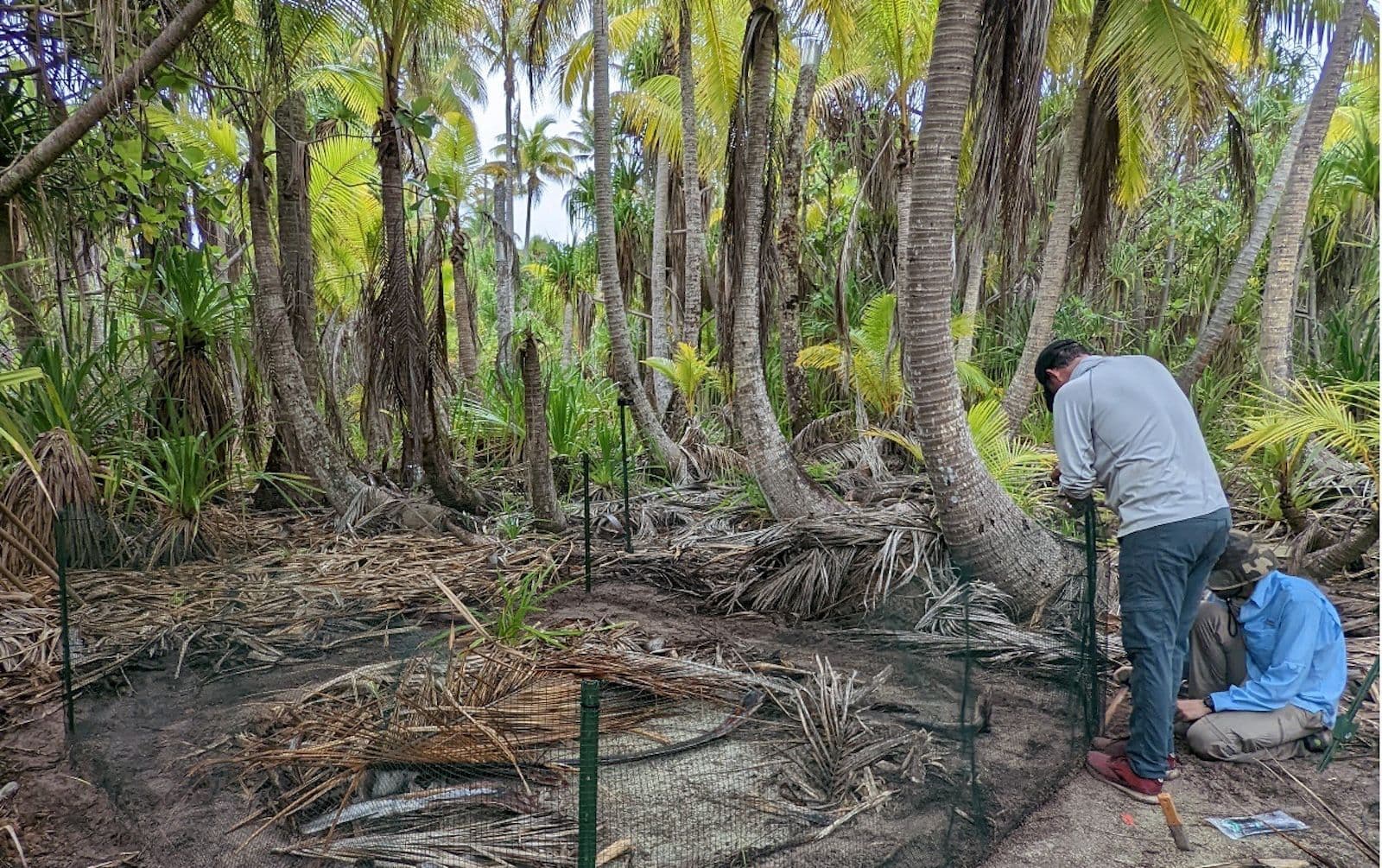
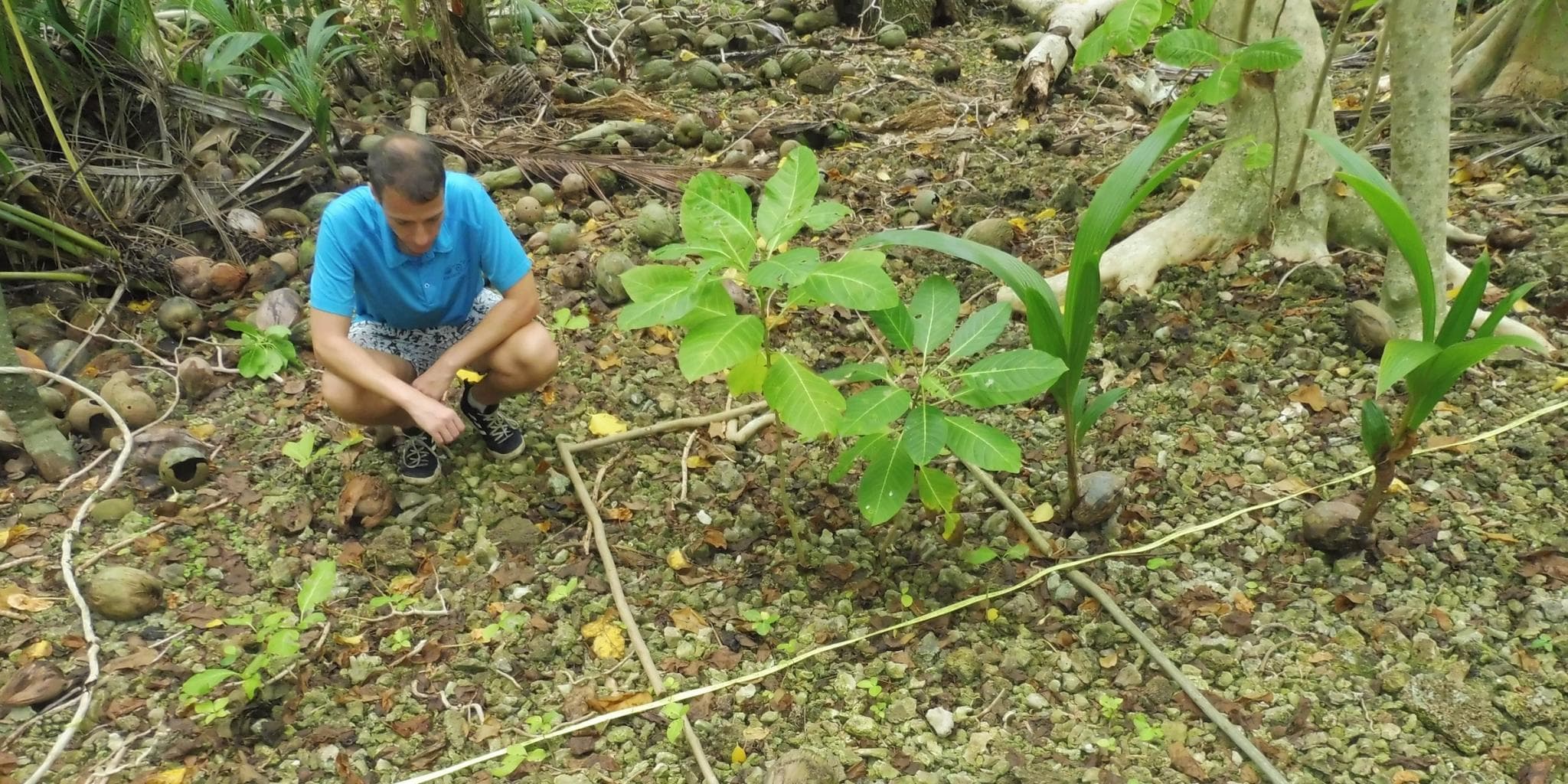
Main Objectives This project aims to understand how the loss of terrestrial crabs affects forest ecosystems on Tetiaroa Atoll. By simulating their absence using 3x3 meter exclosures installed in coconut and broadleaf native forests, researchers seek to measur.
Project update / Tetiaroa
Main objectives: The mission conducted on December 20 and 21, 2025, on the Tetiaroa atoll aimed to ensure the maintenance and proper functioning of the automated monitoring devices deployed as part of the ATTRACT project, funded by BESTLIFE2030. It also aimed.
Project update / Tetiaroa

This mission aimed to launch a litter decomposition protocol across 30 sites distributed among 10 motus, in order to assess the impact of the coconut palm (Cocos nucifera) on the functioning of Tetiaroa's terrestrial ecosystems. It also sought to maintain the.
Research project / Tetiaroa
Help Quick Tips: swipe left/right for next fish tap a photo & rotate to enlarge swipe left-right for next photo spread fingers / pinch to zoom tap + icon to add fish to logbook tap Logbook icon to view logbook v. 1.0 released October 31, 2018 App Privac.
From the Archive / Tetiaroa
The melon-headed whale feeds on fish and squid. Its social organization is unknown. It is present in Society, Marquesas, and Austral archipelagos.
Nature guide entry / Tetiaroa

Teti’aroa is more than white sandy beaches and turquoise waters. For the scientists, researchers, and conservationists who work here, it is something far more precious, a living laboratory , where every species, every ecosystem and every innovation tells the..
From the Archive / Tetiaroa

Introduced rats are a major problem on Pacific islands. The rats thrive on coconuts but also eat seabird and turtle eggs and hatchlings, as well as invertebrates, and plants. Tetiaroa Society is working with invasive species specialists from around the world..
Research project / Tetiaroa

This work will demonstrate the role healthy land crab populations play in nutrient dynamics for atoll ecosystems, and provide evidence for the benefits of conservation efforts that include recovery and sustainable management of land crab populations in areas..
Research project / Tetiaroa

96 news from the atoll img { -ms-interpolation-mode: bicubic; } table, td { mso-table-lspace: 0pt; mso-table-rspace: 0pt; } .mceStandardButton, .mceStandardButton td, .mceStandardButton td a { mso-hide: all !important; } p, a, li, td, blockquote { mso-line-he.
Newsletter / Tetiaroa

This internship mission aimed to characterise vegetation and breeding bird communities on the motu Tahuna Iti, in order to understand how plant succession dynamics, linked to the atoll’s geomorphology, influence the distribution of avian species.
Research project / Tetiaroa

96 News from the atoll img { -ms-interpolation-mode: bicubic; } table, td { mso-table-lspace: 0pt; mso-table-rspace: 0pt; } .mceStandardButton, .mceStandardButton td, .mceStandardButton td a { mso-hide: all !important; } p, a, li, td, blockquote { mso-line-he.
Newsletter / Tetiaroa

The objective of this research is to establish a baseline understanding of how sharks use nursery habitats, specifically how that use changes across different age/size classes within a species, in a relatively undisturbed atoll.
Research project / Tetiaroa

Ecology of reef sharks in their nursery areas
Report / Tetiaroa

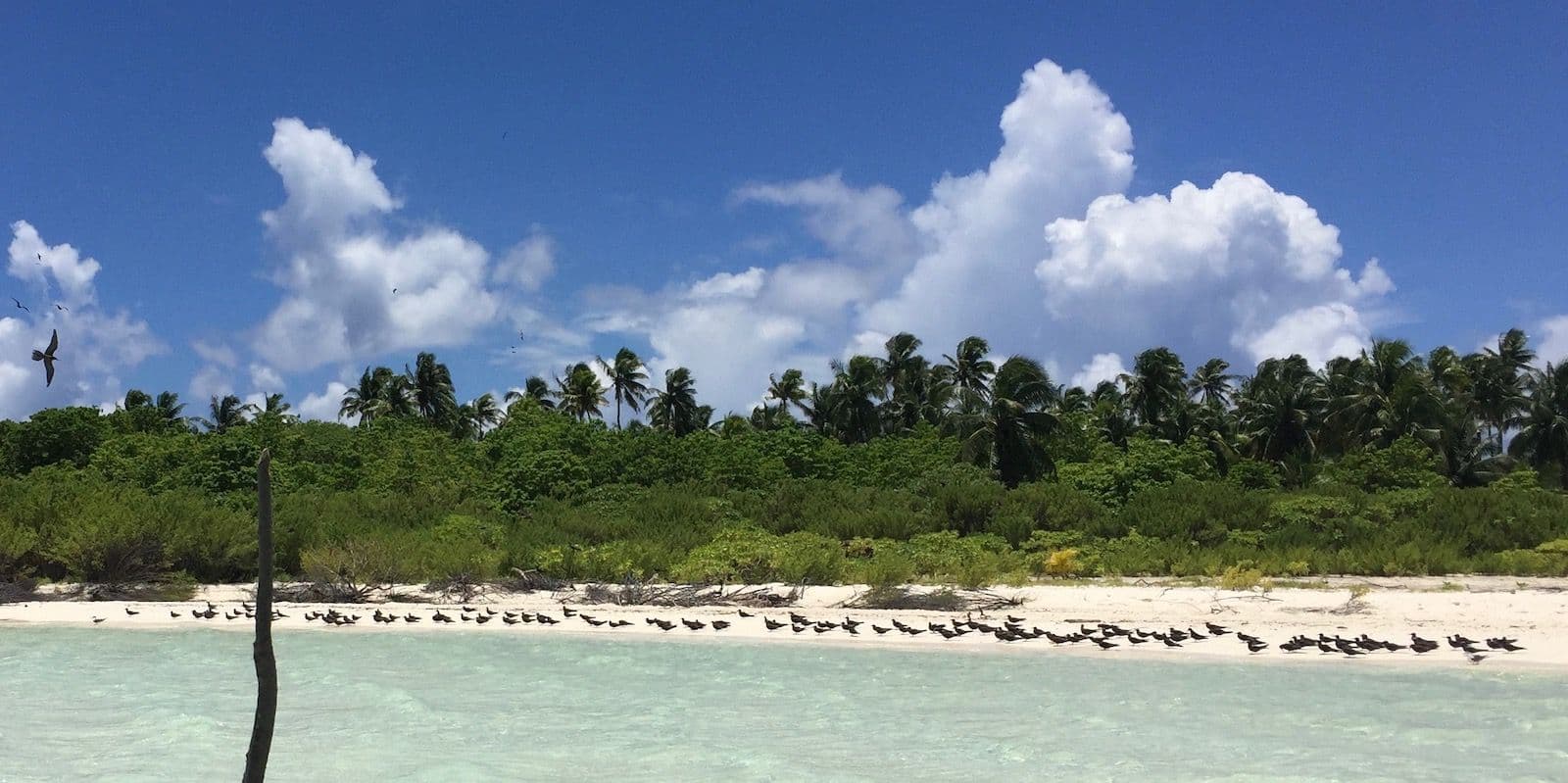
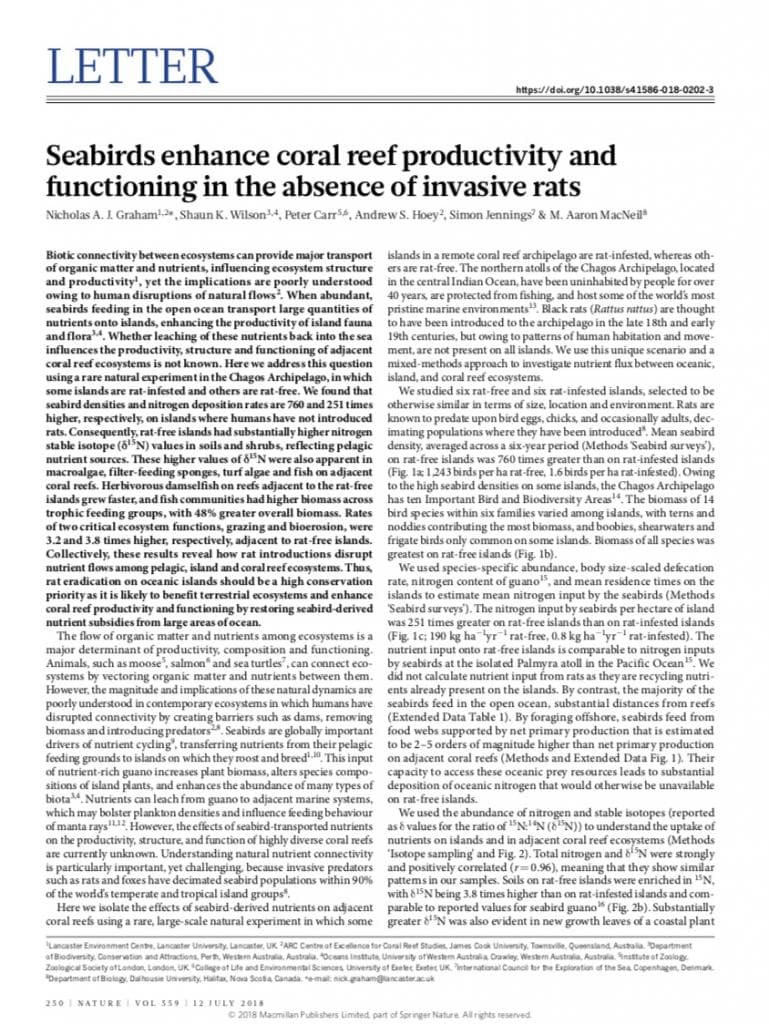
Seabirds play a key role in coral reef health: their droppings, rich in nutrients, fertilize lagoon waters and support coral growth.
Research project / Tetiaroa

This mission aimed to map the freshwater lenses (natural reserves of fresh water trapped beneath the motus between rainwater and seawater) across several motus of Tetiaroa, by collecting groundwater chemistry and geophysics data (the study of the physical pro.
Research project / Tetiaroa

This mission aimed to continue the long-term monitoring of seabird populations at Tetiaroa through standardised avian point counts (fixed-point bird surveys), Brown booby nest counts and maintenance of audio monitoring stations. It also sought to expand GPS t.
Research project / Tetiaroa
News from the Atoll
Newsletter / Tetiaroa

The project aims to assess the effects of rat and other invasive species eradication on the restoration of ecosystems across Tetiaroa Atoll. Researchers are particularly focused on the interactions between terrestrial crabs, seabirds, native plants — notably..
Research project / Tetiaroa

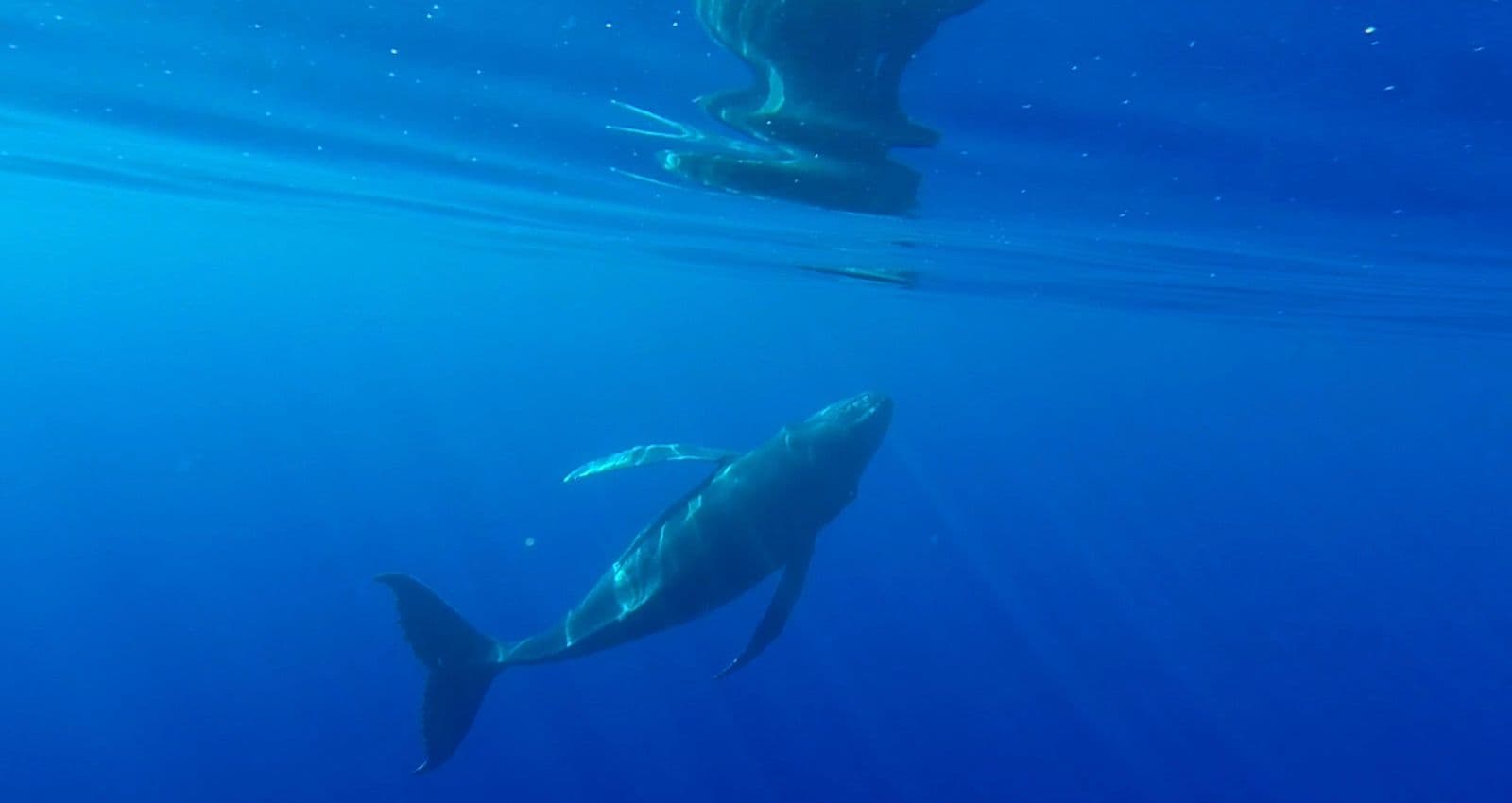
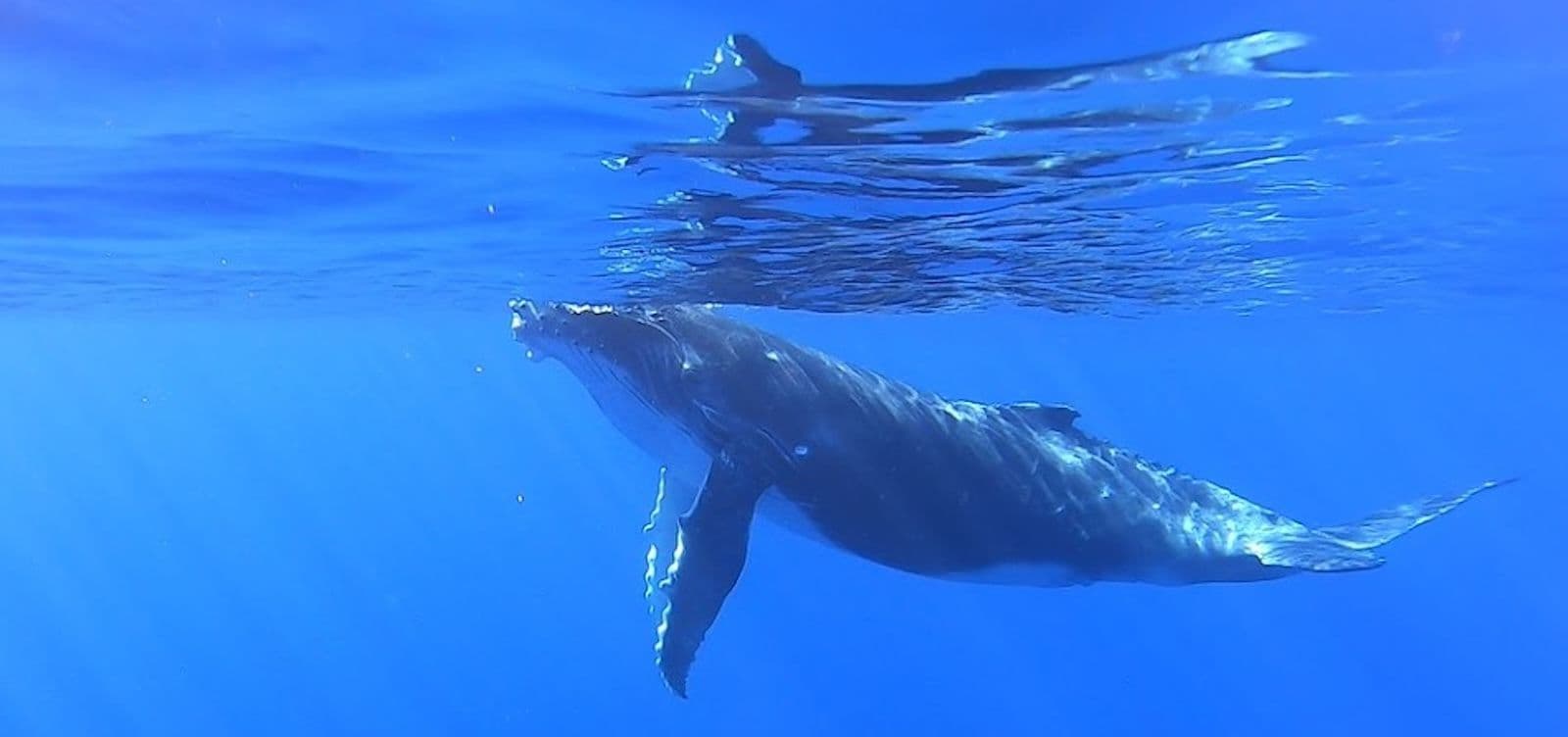
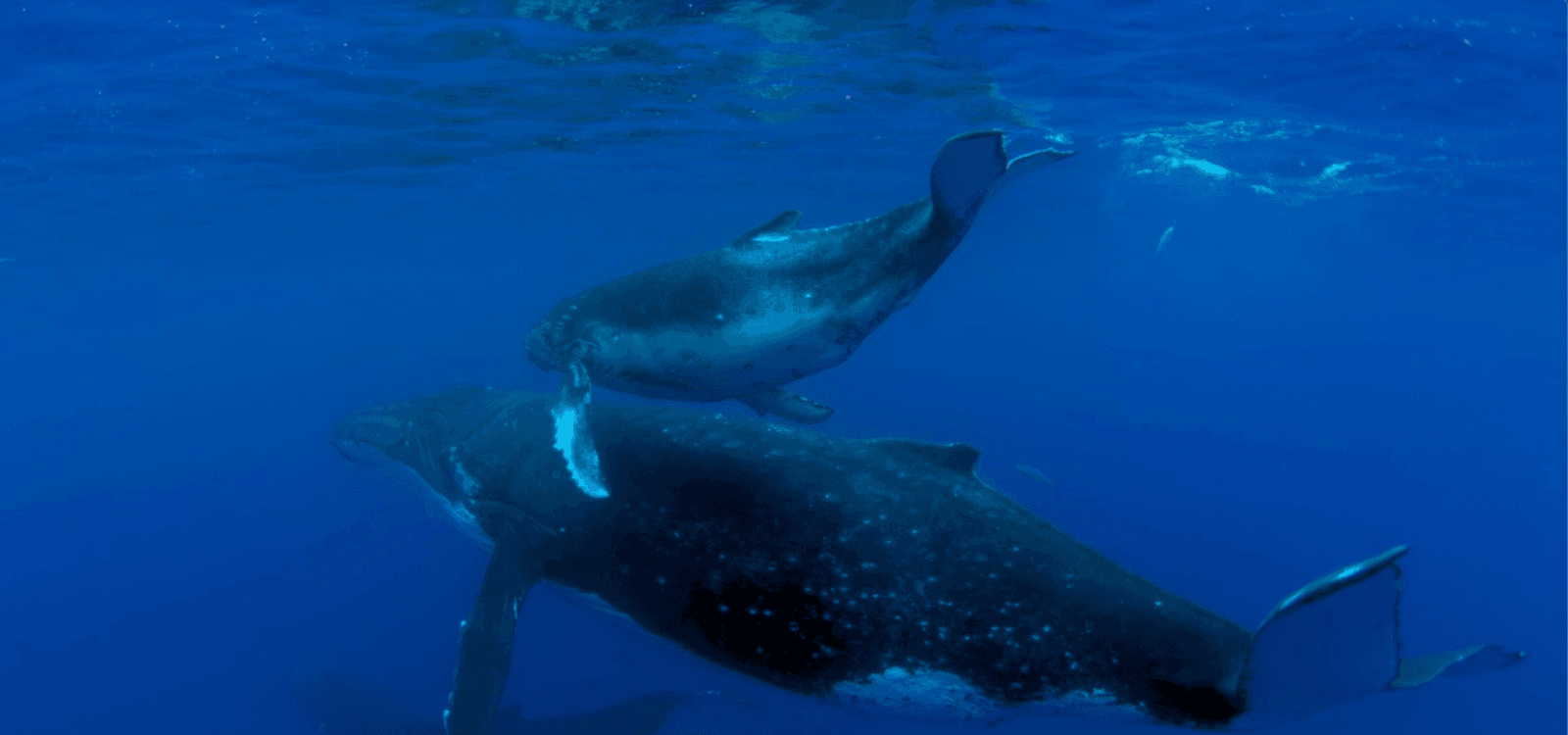
Megaptera novaeangliae migrate from their feeding grounds in Antarctica, to their reproduction areas in the the Pacific islands - a journey of 6000 kilometers each way.
Nature guide entry / Tetiaroa
The scientific name, Megaptera Novaeangliae, meaning “long wings of New-England” refers to both its long pectoral fins(3 to 4m) and where it was first described. The humpback whale migrates from Antarctica (feeding area) and is observable in French Polynesia..
Nature guide entry / Tetiaroa

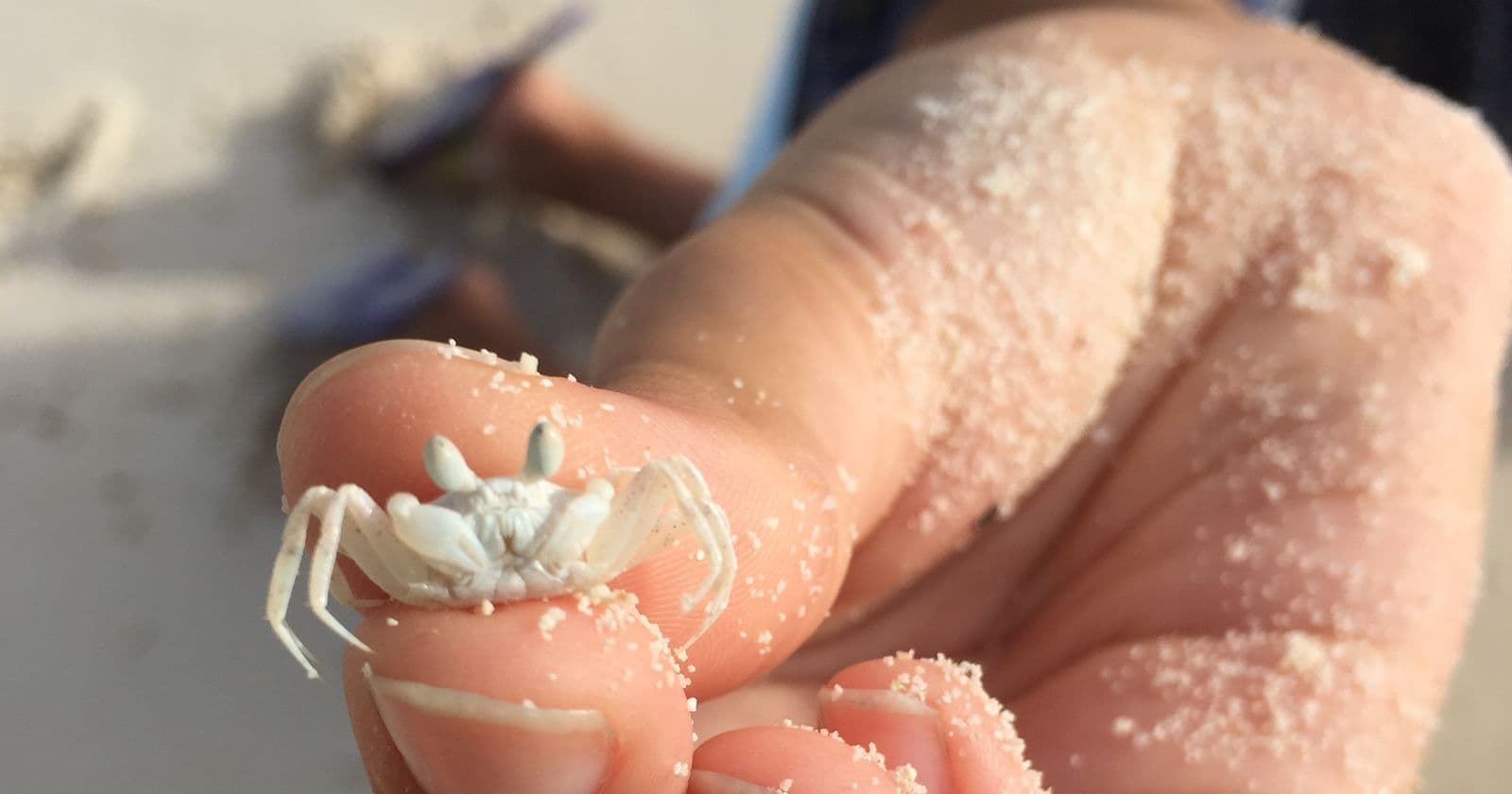
Tetiaroa Nature Series: One species at a time Ep.2: Discover the 'Ōhiti — the ghost crabs of Tetiaroa Ever wondered who haunts the beaches of Tetiaroa at night? Find out about the 'ghosts' of Tetiaroa
From the Archive / Tetiaroa

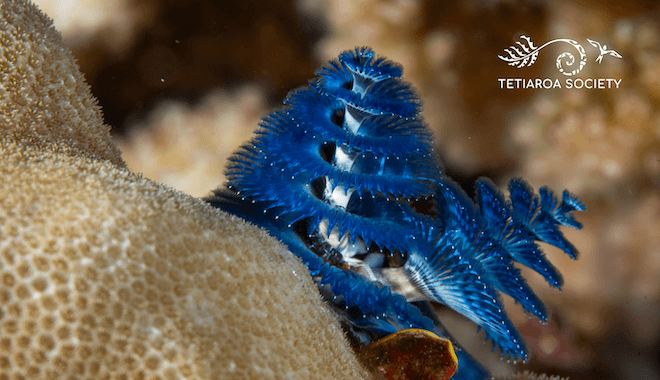
Tetiaroa Nature Series: One species at a time Meet the u'a 'o - the Christmas tree worms of Teti’aroa These tiny marine wonders light up the reefs of Tetiaroa with their spiral shapes and vibrant colors. Find out about the Christmas tree worms of Teti’aroa
From the Archive / Tetiaroa

This work contributes to a better understanding of the history of motu formation, as well as past interactions between human societies and their environment. In the long term, this research could support the creation of a regional database on past extreme eve.
Research project / Tetiaroa

The yellow-crazy ant (Anoplolepis gracilipes, YCA) is one the 100 worst invasive species in the World according to the IUCN (International Union for the Conservation of Nature). By reaching very high densities and spraying formic acid at any animal on their p.
Research project / Tetiaroa

The beginning of the 2023-2024 season seems to predict a high number of nests for this season. Currently, 1300 tracks are reported with 201 confirmed nests and 459 probable nests. 62 females are identified and 10 of them were recaptured from previous seasons.
Research project / Tetiaroa

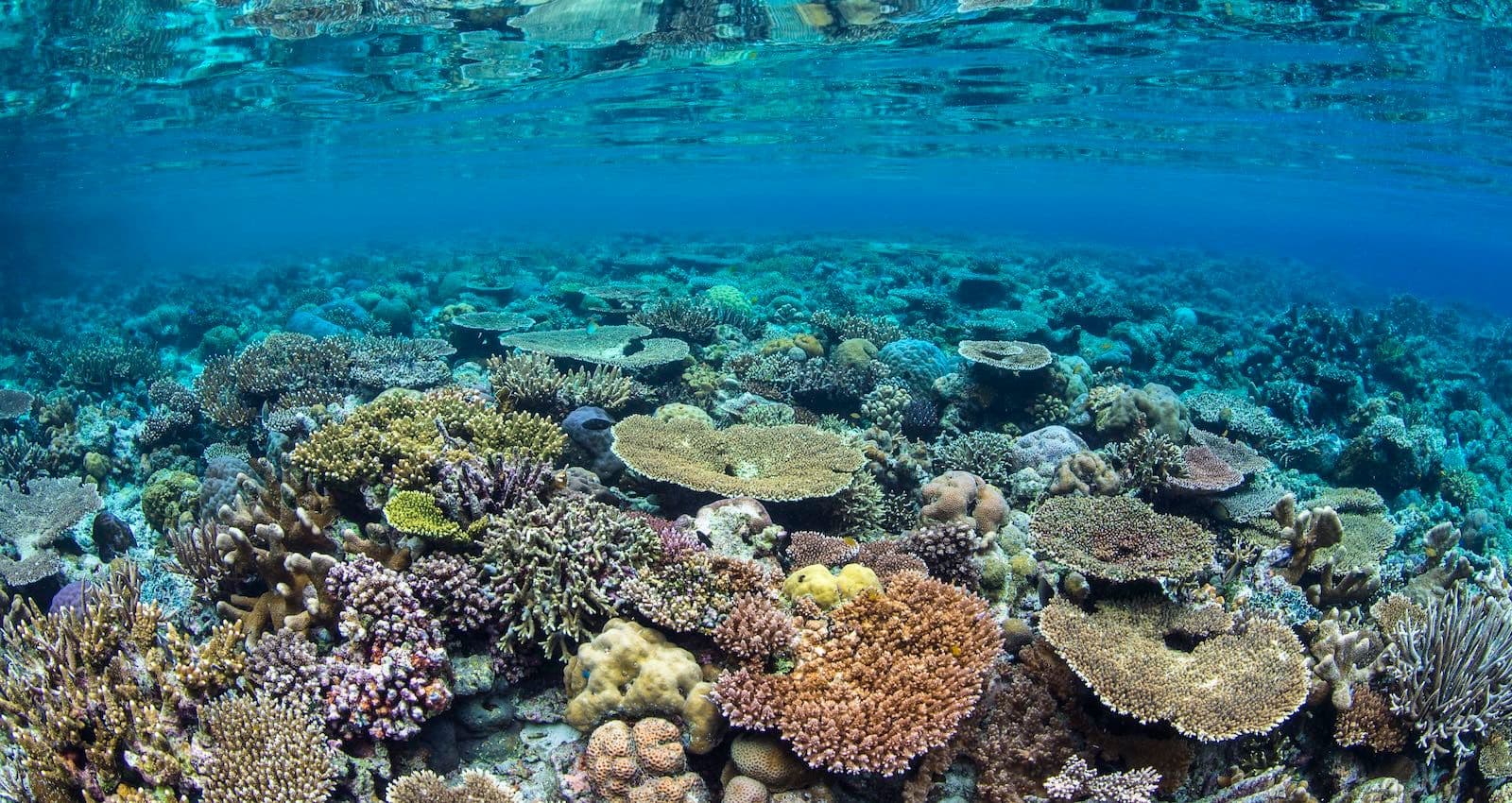
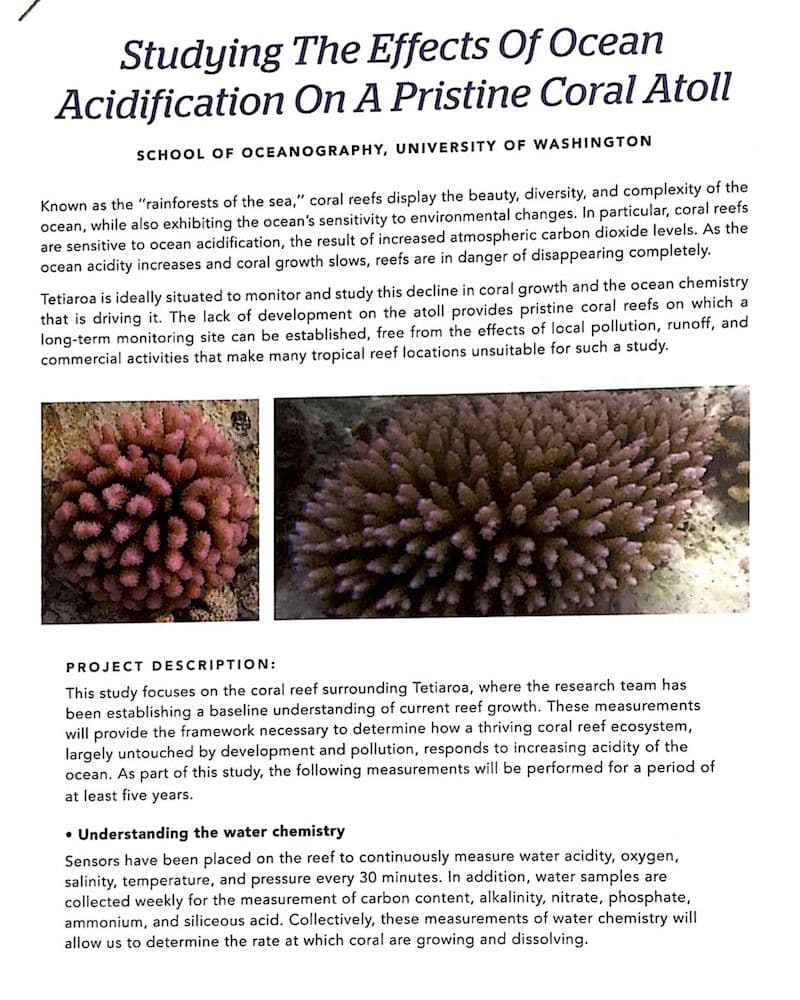
Known as the "rainforests of the sea,” coral reefs display the beauty, diversity, and complexity of the ocean, while also exhibiting the ocean’s sensitivity to changing global climate. We are researching how these amazing ecosystems function now, how they wil.
Research project / Tetiaroa

This project focuses on the effect of rat eradication on forest dynamics. Annual monitoring of seedlings, recruitment of native woody species, and percentage of herbaceous plant cover were started on Motu Reiono and Motu Ahuroa in 2018 and 2021. The prelimina.
Research project / Tetiaroa

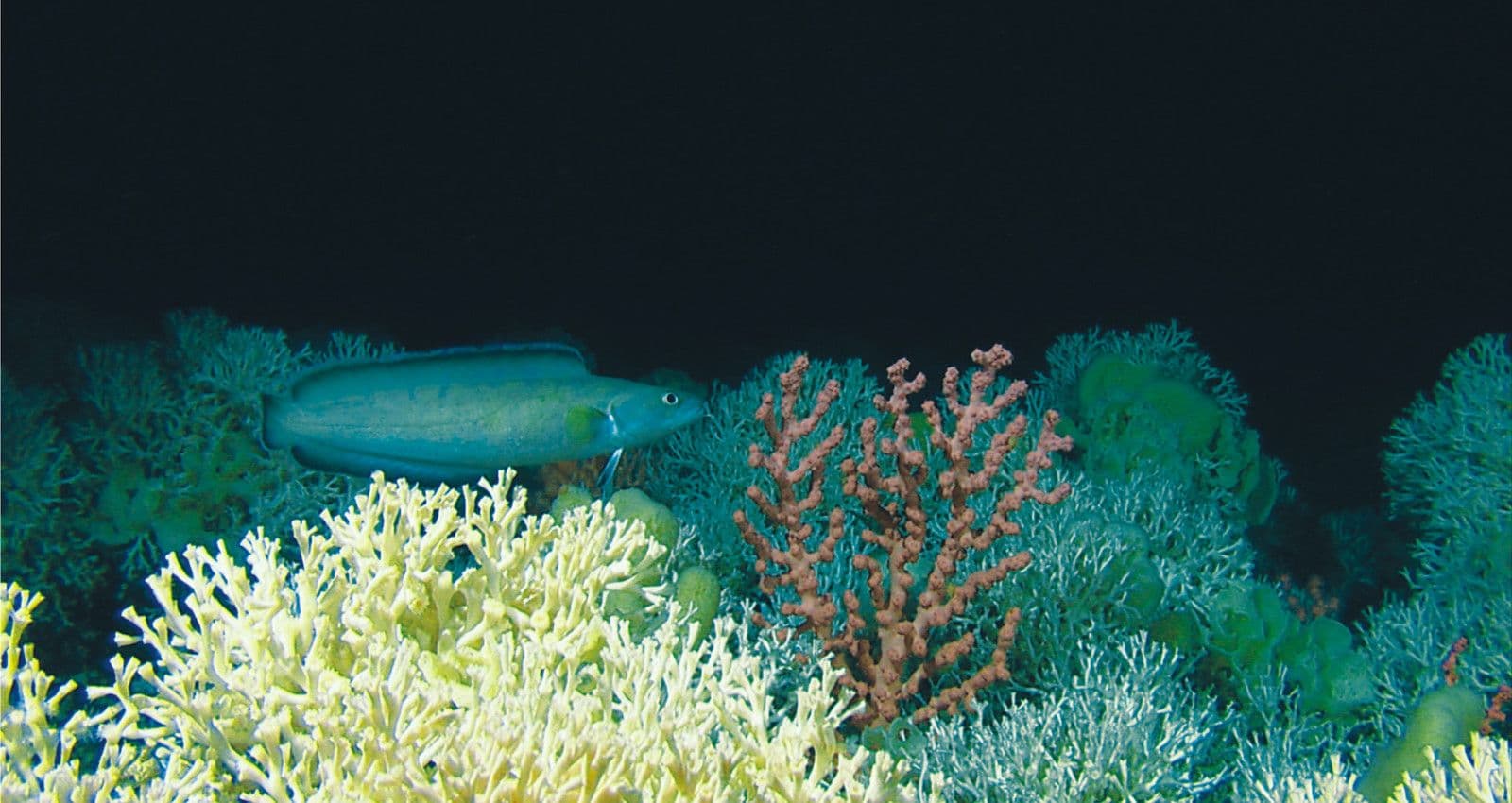
The objective of this project is to explore and document the biodiversity of Tetiaroa's deep reefs in order to better understand their ecological role, compare their condition with shallow areas and lay the foundations for long-term monitoring in Polynesia's..
Research project / Tetiaroa

The program aims to resume the monitoring of fish communities previously conducted on the Tetiaroa Atoll in 2007, 2008, and 2015, using the same transect-based survey protocols in order to ensure data comparability over time.
Research project / Tetiaroa

The project aims to study the ecophysiology of coral reef organisms in French Polynesia and to assess plastic pollution on the reefs of Tetiaroa. The main objectives are to quantify reef abundance and biodiversity, establish baseline estimates of microplastic.
Research project / Tetiaroa

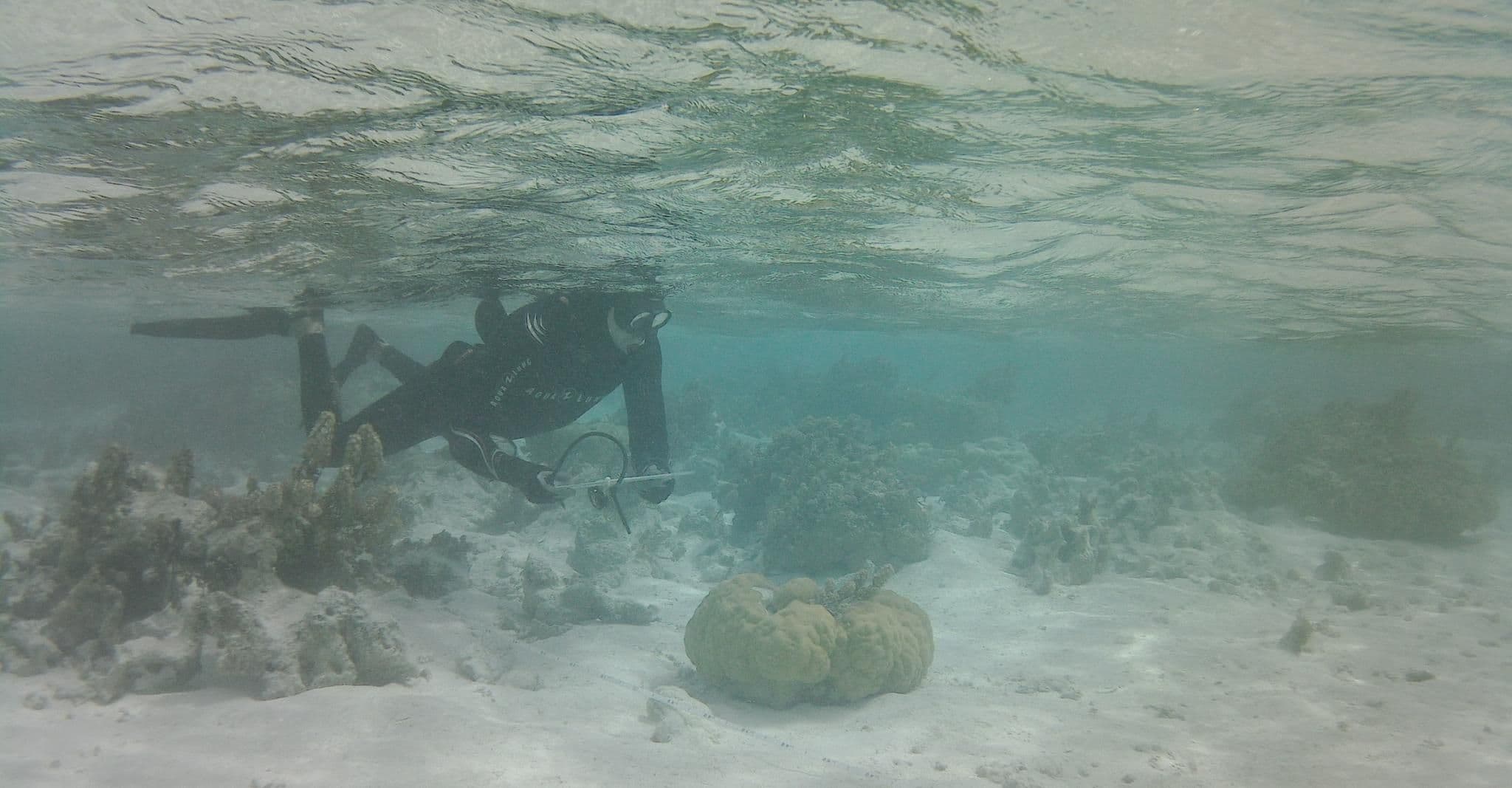
The objective of this study is to assess the density and distribution of these sea urchins on Tetiaroa, to better understand their interactions with young corals, and to establish a basis for comparison with other Pacific reefs, particularly those of Moorea a.
Research project / Tetiaroa

The Coastline Monitoring program monitors the topographic and oceanographic aspects of Tetiaroa Atoll. It is a long-term program aimed at documenting the physical evolution of the coastline and monitoring the atoll's coastal dynamics. The work conducted in 20.
Research project / Tetiaroa

96 news from the atoll img { -ms-interpolation-mode: bicubic; } table, td { mso-table-lspace: 0pt; mso-table-rspace: 0pt; } .mceStandardButton, .mceStandardButton td, .mceStandardButton td a { mso-hide: all !important; } p, a, li, td, blockquote { mso-line-he.
Newsletter / Tetiaroa

A sampler of species that inhabit the atoll
From the Archive / Tetiaroa
The Pia is a plant where the hollow stem can exceed 1.2m in height when erect. It has one or two leaves and an underground tubercule from which the roots grow. Tubers of this plant are used to make starch. This starch can be used in traditional medicine or in.
Nature guide entry / Tetiaroa
The halfbeak is often confused with needlefish, but it is noticeably smaller and has a slightly different mouth: its lower jaw is much more pronounced than the upper jaw. The halfbeak’s body is a silvery blue underlined with a dark blue line. It is a very com.
Nature guide entry / Tetiaroa
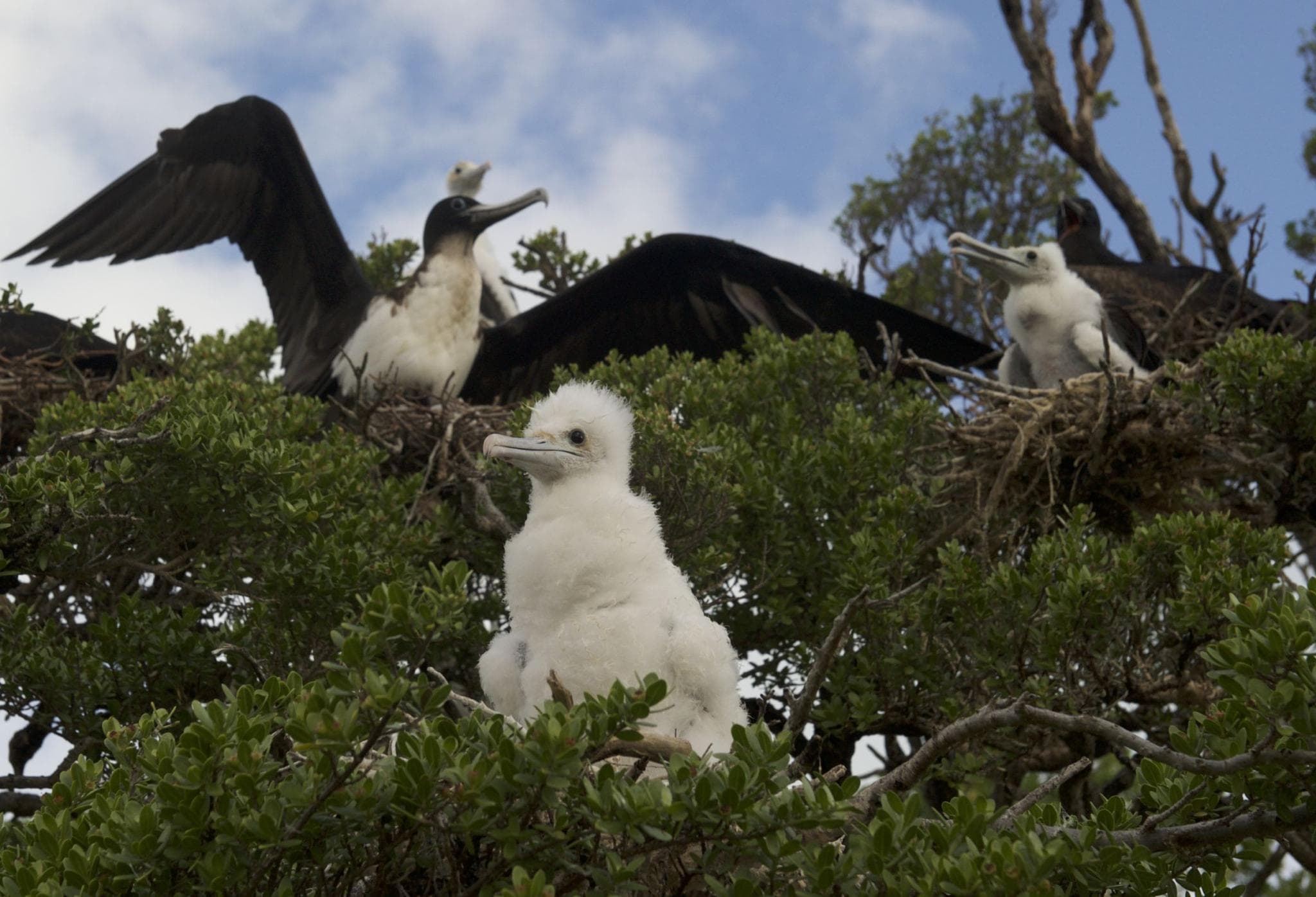
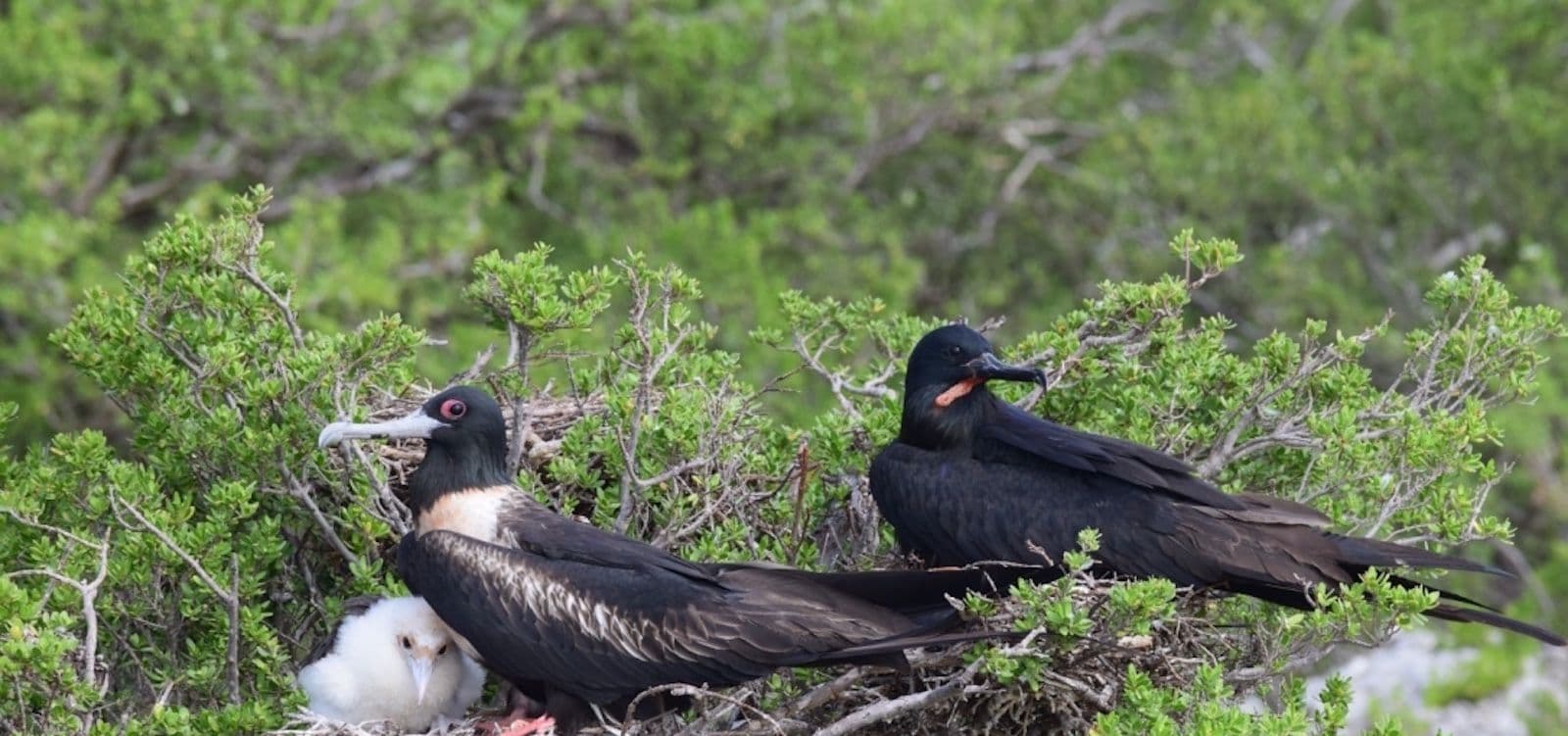
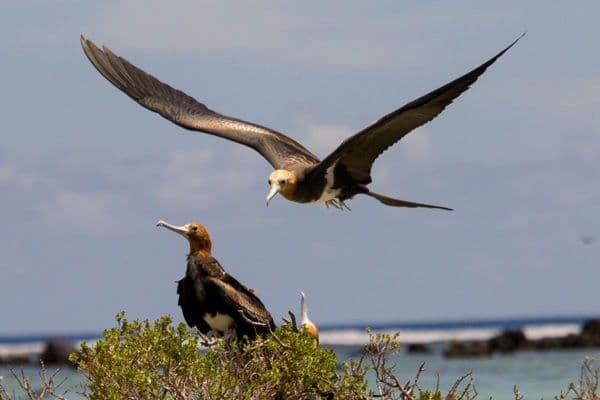
The Lesser Frigatebird is a large bird with a wingspan of up to 2 meters and a long hooked beak. The male is fully black with a white spot on the underside of each wing. The female is slightly larger with red rings around the eyes and a white chest and belly..
Nature guide entry / Tetiaroa
The Great Frigatebird is the largest sea bird in French Polynesia with a long curved beak and a wingspan that can reach over 2 meters large. The male is black with brown bars on the top of its wings and a red gular pouch that it inflates to attract females. T.
Nature guide entry / Tetiaroa
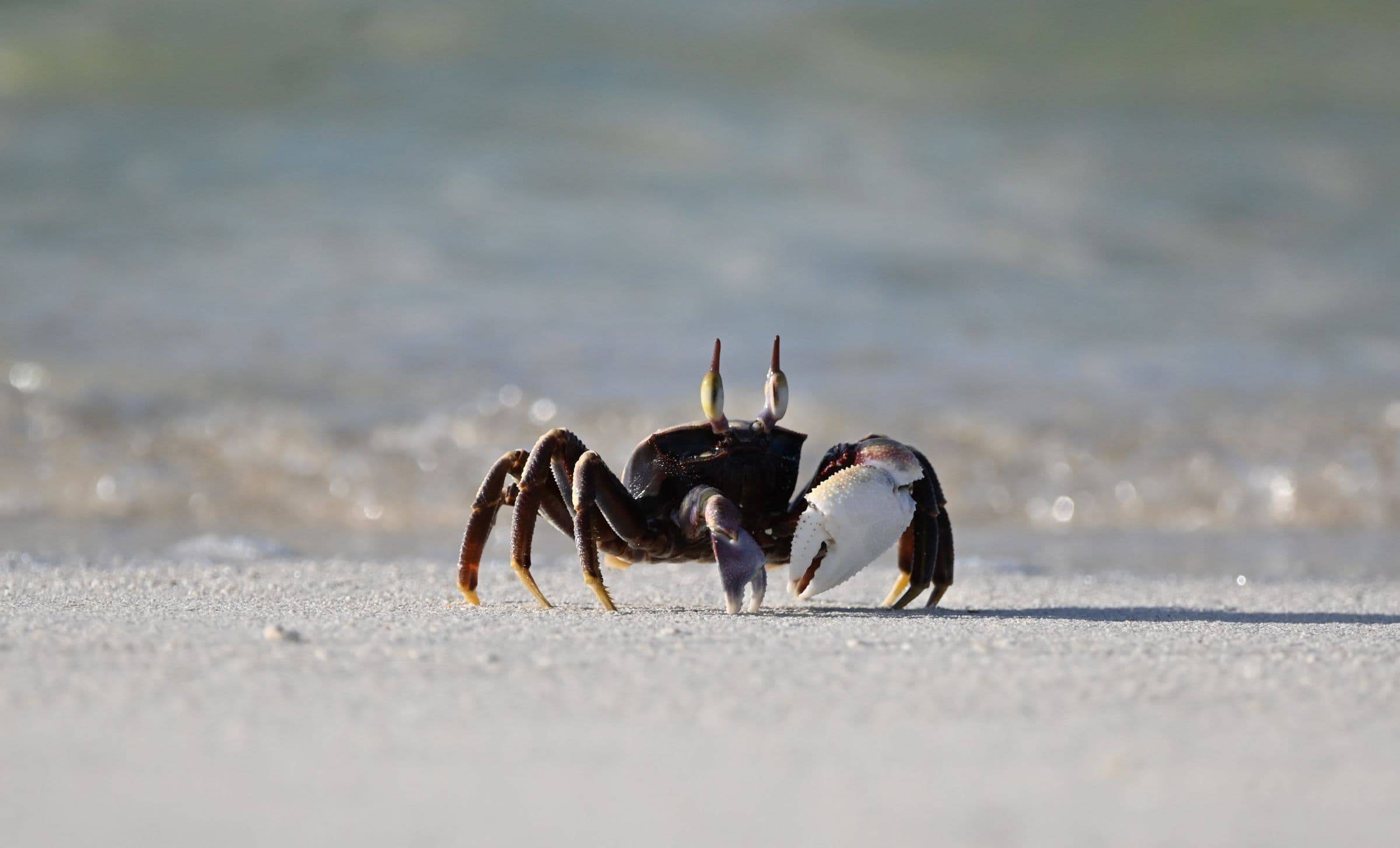
The horned ghost crab is the one that digs all the holes that can be found on the beaches of Onetahi. It is part of the category of true crabs unlike hermit crabs or coconut crabs. It gets its name from the horn like eyes that protrude up from its body and it.
Nature guide entry / Tetiaroa
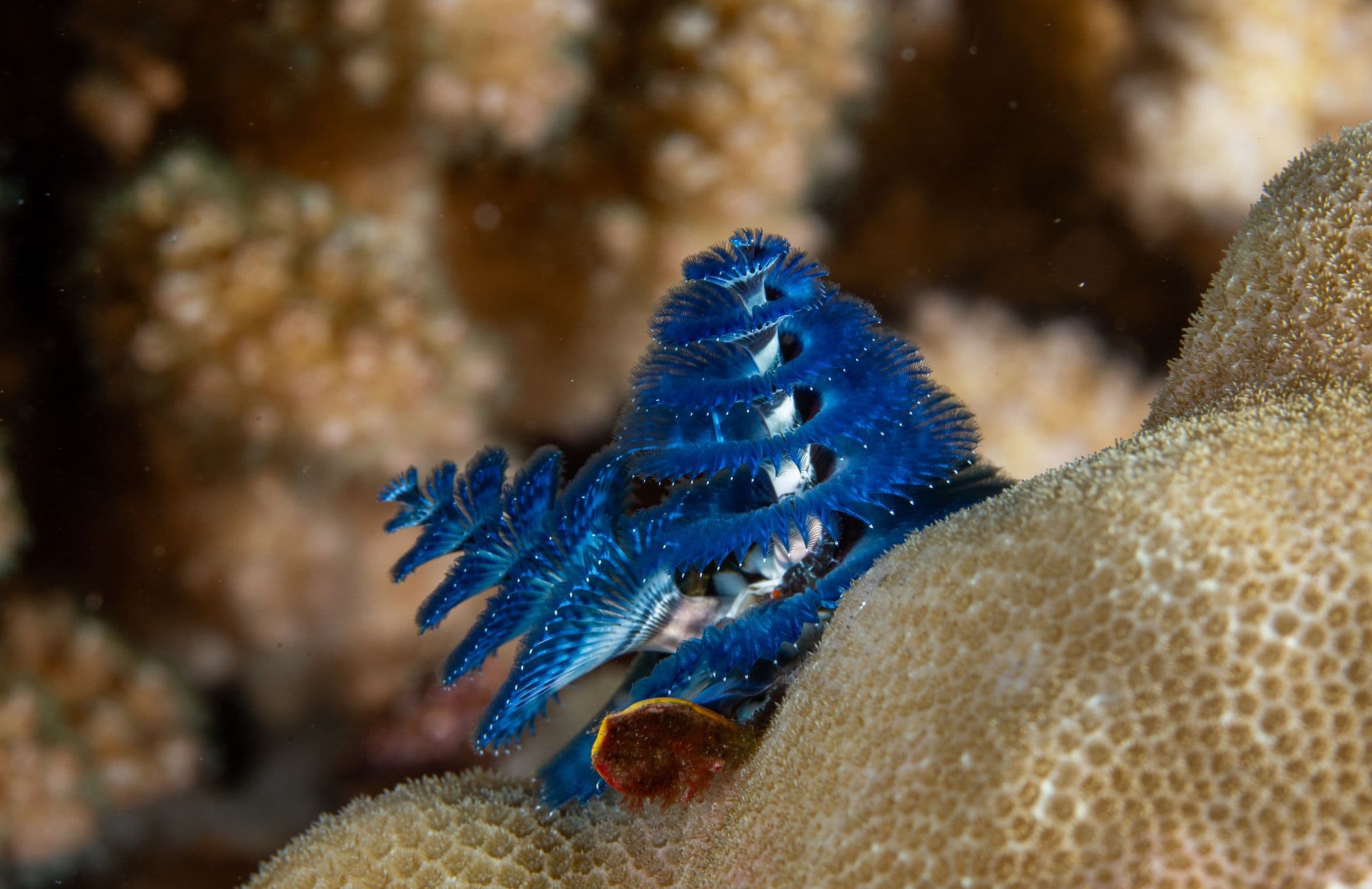
Each worm has two brightly colored crowns that protrude from its tube-like body. These Christmas tree-like crowns are composed of radioles, or hair-like appendages radiating from the worm’s central spine. These appendages are used for respiration and to catch.
Nature guide entry / Tetiaroa

takes its name from the color of its fat that is due to a diet (in adulthood) composed mainly of algae.
Nature guide entry / Tetiaroa
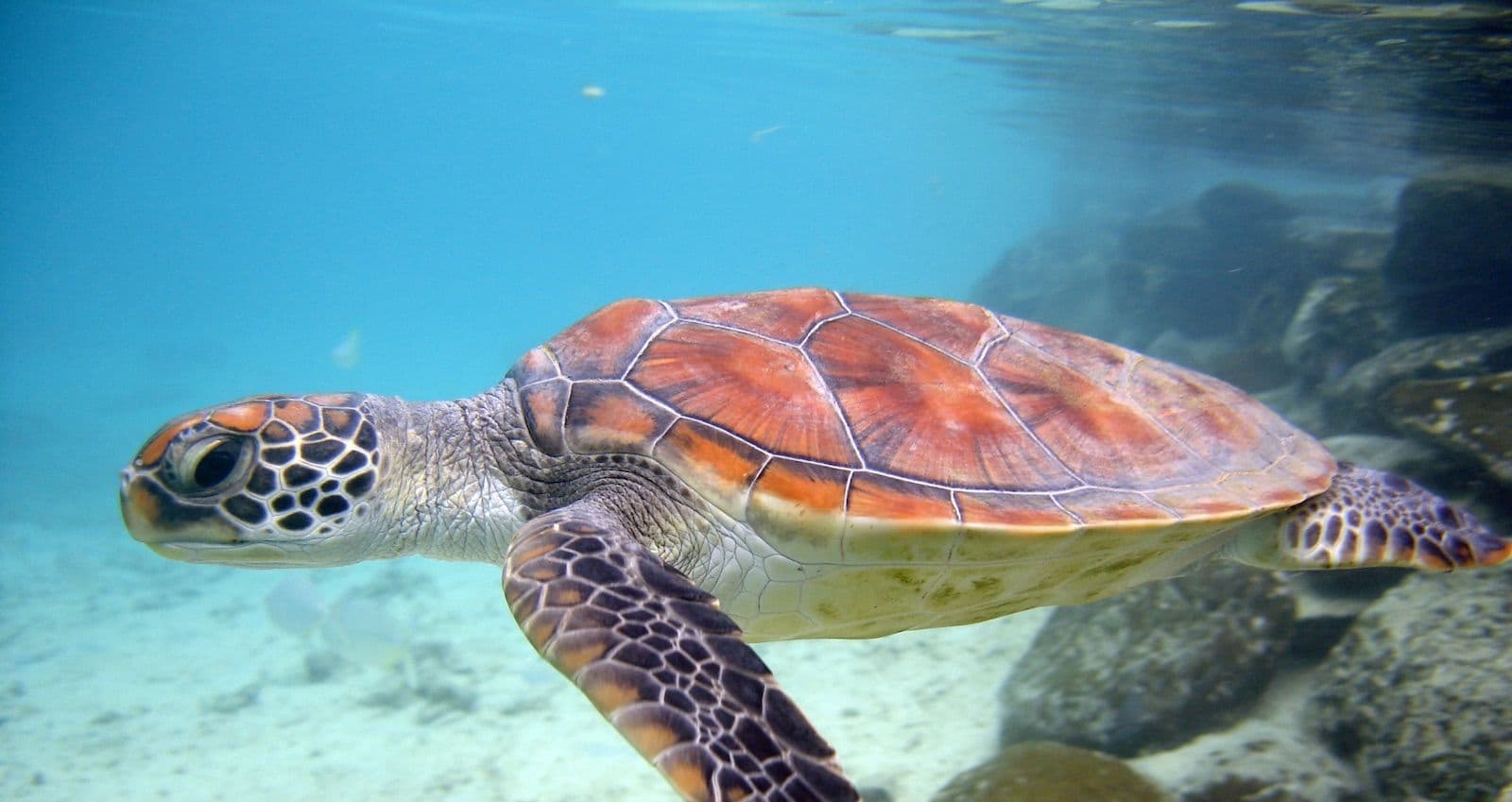
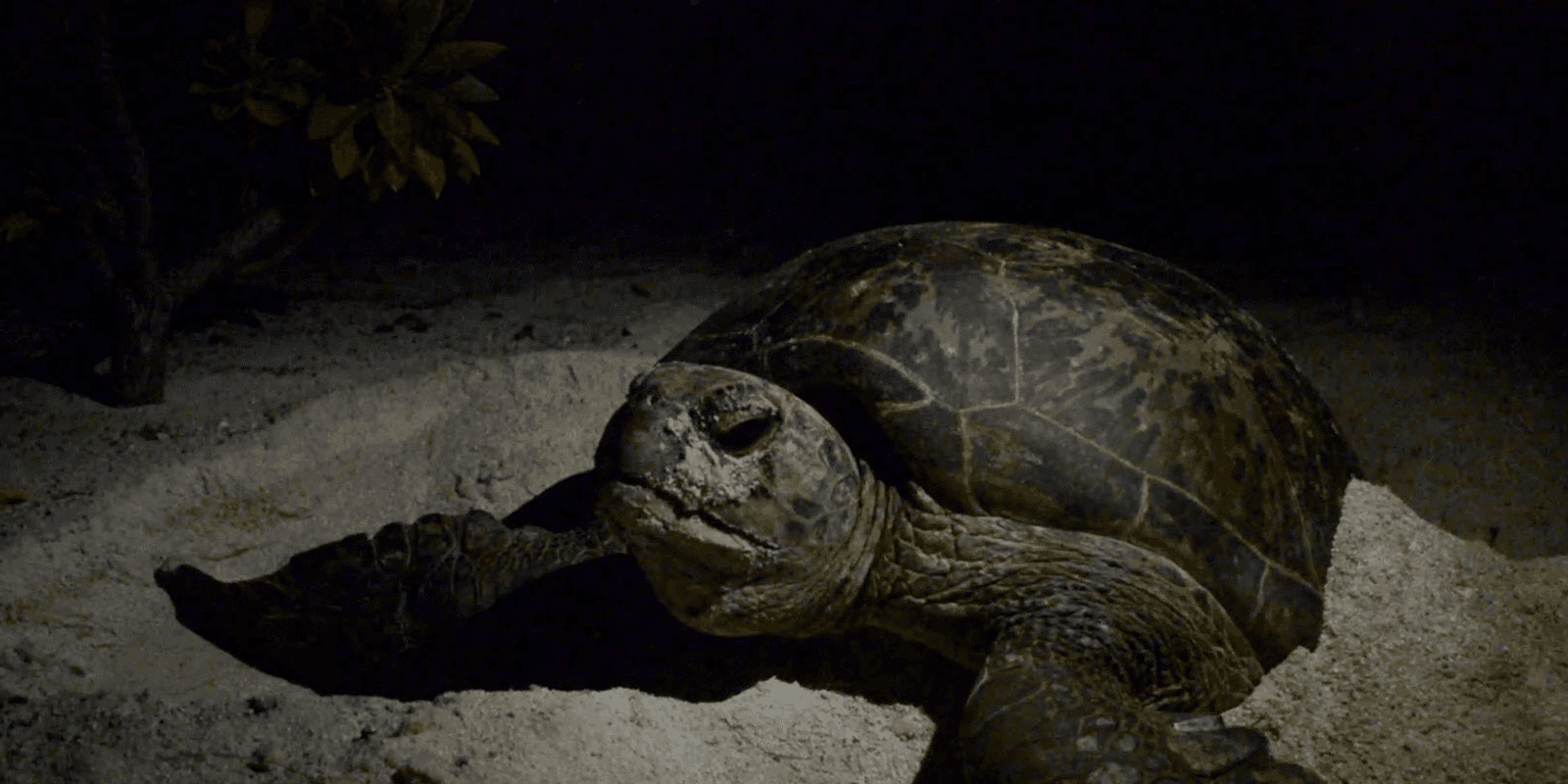
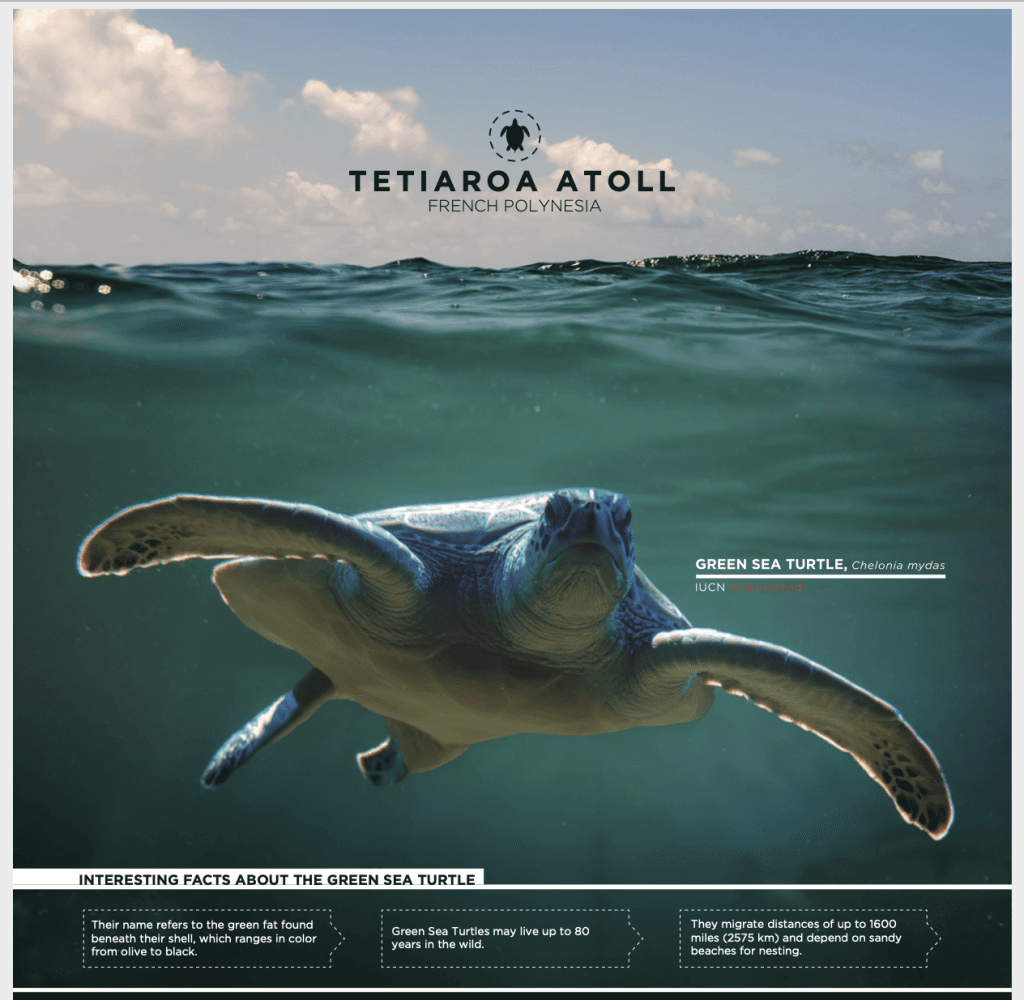
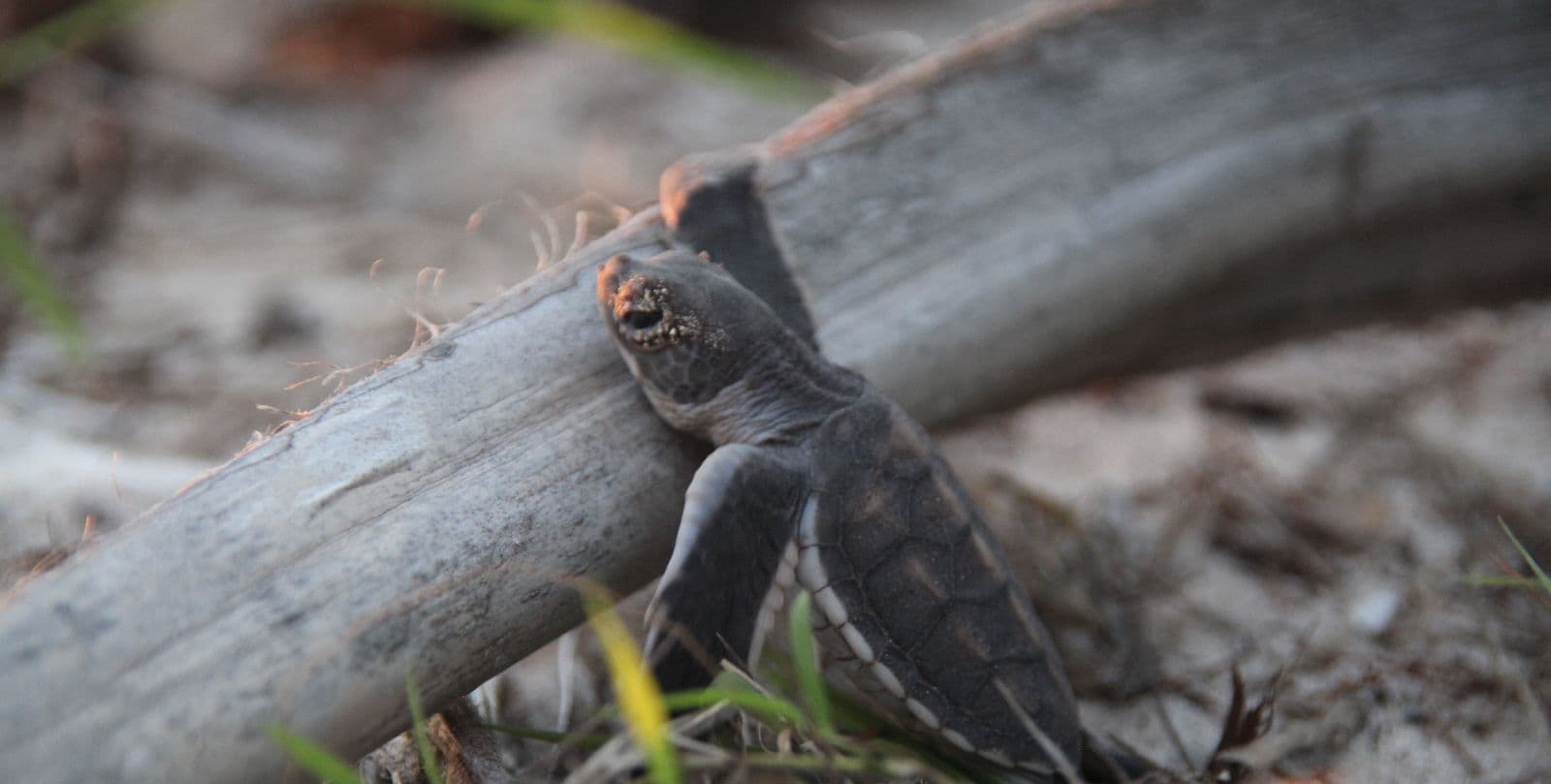
The green turtle lays its eggs regularly in French Polynesia. There are 3 major nesting sites identified in Polynesia: The atoll of Tetiaroa, and the atolls of Scilly and Bellinghausen, in the Tuamotu archipelago, which have been classified as a territorial r.
Nature guide entry / Tetiaroa
There has only been one hawksbill turtle nest reported in recent years in the Tuamotu archipelago.
Nature guide entry / Tetiaroa
The loggerhead turtle is the second most common marine turtle in the world after the green turtle. It can rarely be seen in French Polynesia. Its carapace is brown-orange and consists of 5 ribs and 5 vertebral plates. It is found in the Indo-Pacific, in the A.
Nature guide entry / Tetiaroa
Geographic range: They are pelagic animals and are distributed around the globe in temperate waters and can live very close to the polar circles. They travel great distances between nesting beaches and feeding areas. The largest colony is in Africa, in French.
Nature guide entry / Tetiaroa
Effective date: October 25, 2018 Tetiaroa Society ("us", "we", or "our") operates the https://www.tetiaroasociety.org website and the Tetiaroa Fish Guide mobile application. Hereinafter the https://www.tetiaroasociety.org website is referred to as the "Servi.
From the Archive / Tetiaroa

We conducted a set of studies aiming at determining the consequences of rat and ant eradication on land crabs, and at deciphering how habitat affects crab responses. Between June and August 2023 we deployed 40 camera traps to monitor ghost crab (Ocypode cerat.
Research project / Tetiaroa

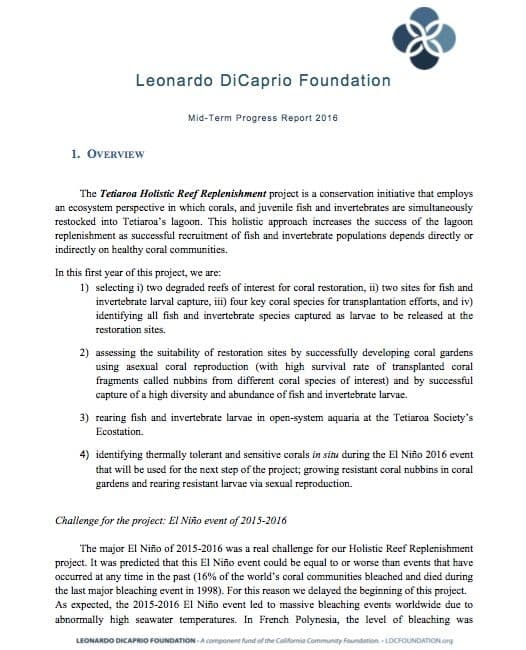
The present project aims to replenish the Tetiaroa lagoon by rearing and releasing fish and crustaceans caught at post-larval stage. The marine post-larvae will be caught using nets set up on the reef at Tetiaroa. The implementation of this project is part of.
Research project / Tetiaroa

96 News from the Atoll img{-ms-interpolation-mode:bicubic;} table, td{mso-table-lspace:0pt;mso-table-rspace:0pt;} .mceStandardButton, .mceStandardButton td, .mceStandardButton td a{mso-hide:all!important;} p, a, li, td, blockquote{mso-line-height-rule:exactly.
Newsletter / Tetiaroa

96 News from the atoll img{-ms-interpolation-mode:bicubic;} table, td{mso-table-lspace:0pt;mso-table-rspace:0pt;} .mceStandardButton, .mceStandardButton td, .mceStandardButton td a{mso-hide:all!important;} p, a, li, td, blockquote{mso-line-height-rule:exactly.
Newsletter / Tetiaroa

96 News from the atoll img{-ms-interpolation-mode:bicubic;} table, td{mso-table-lspace:0pt;mso-table-rspace:0pt;} .mceStandardButton, .mceStandardButton td, .mceStandardButton td a{mso-hide:all!important;} p, a, li, td, blockquote{mso-line-height-rule:exactly.
Newsletter / Tetiaroa

96 News from the Atoll img{-ms-interpolation-mode:bicubic;} table, td{mso-table-lspace:0pt;mso-table-rspace:0pt;} .mceStandardButton, .mceStandardButton td, .mceStandardButton td a{mso-hide:all!important;} p, a, li, td, blockquote{mso-line-height-rule:exactly.
Newsletter / Tetiaroa
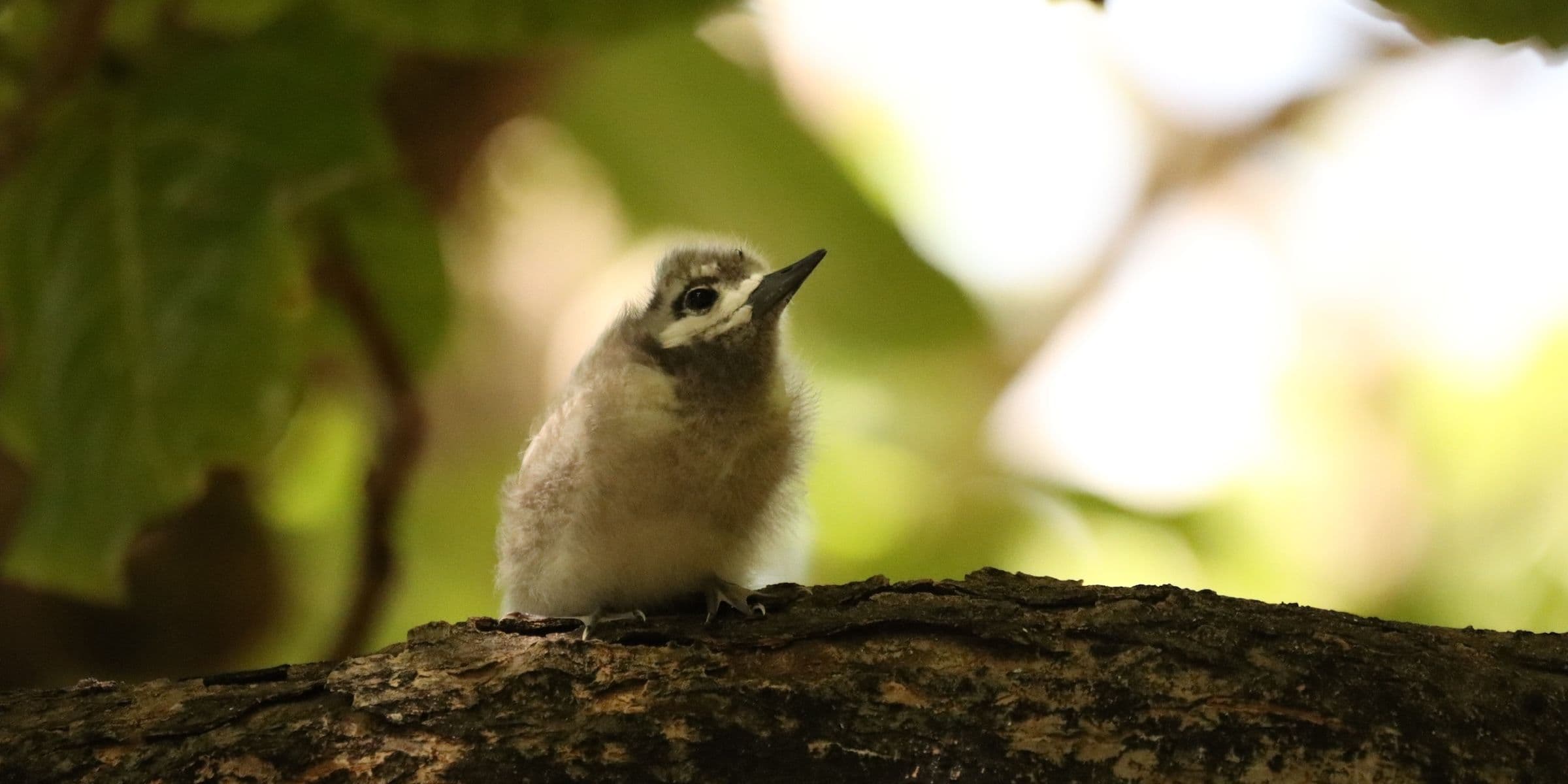
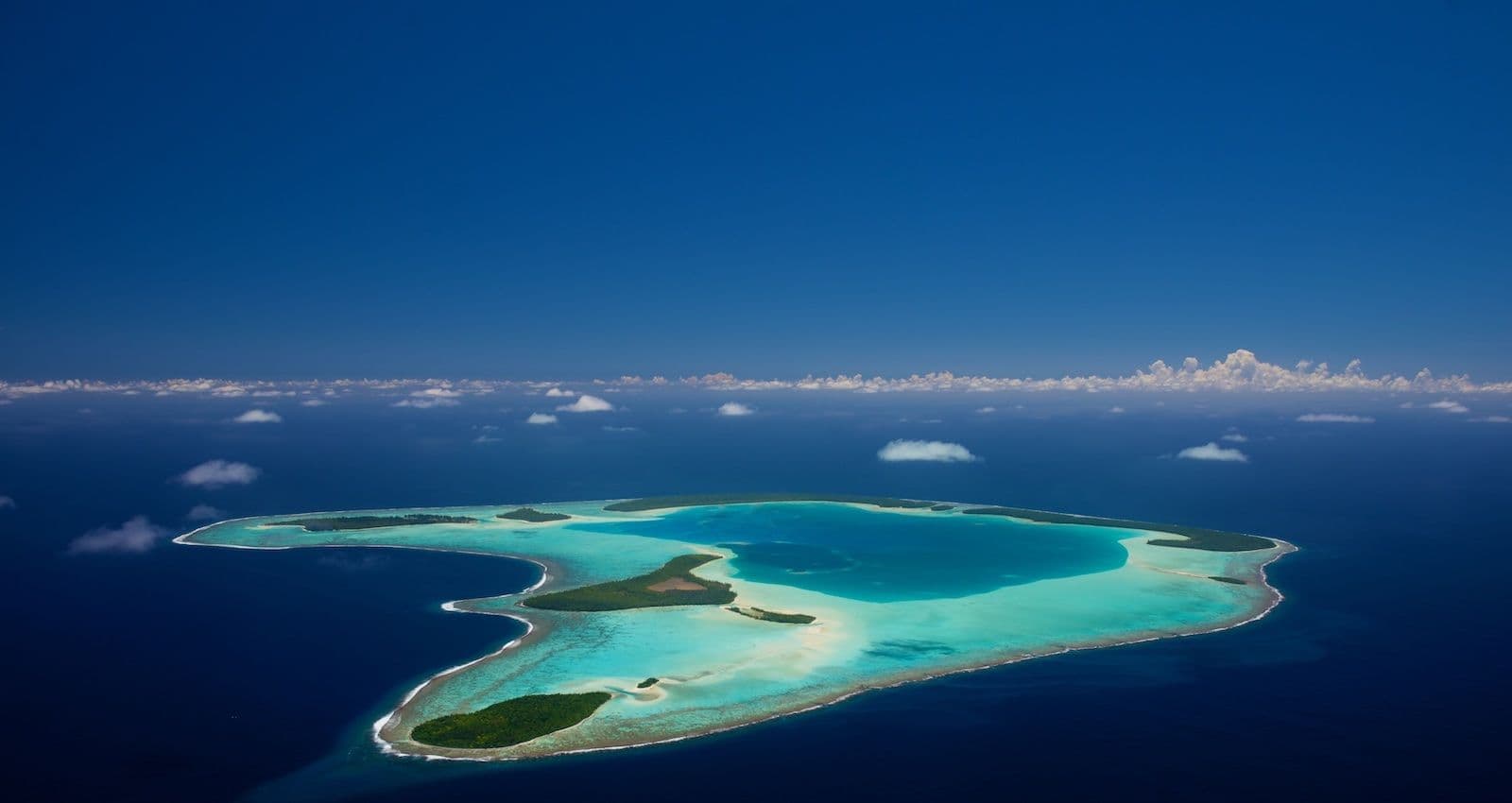
Every year, around 20,000 baby seabirds should hatch across the motus of Tetiaroa. What's in the name? × Tetiaroa comes from “te ti’a roa,” where “ti’a” means to stand upright and “roa” means great. The name can be understood as “the one who stands tall.
From the Archive / Tetiaroa

96 News from the atoll img{-ms-interpolation-mode:bicubic;} table, td{mso-table-lspace:0pt;mso-table-rspace:0pt;} .mceStandardButton, .mceStandardButton td, .mceStandardButton td a{mso-hide:all!important;} p, a, li, td, blockquote{mso-line-height-rule:exactly.
Newsletter / Tetiaroa

96 News from the atoll img{-ms-interpolation-mode:bicubic;} table, td{mso-table-lspace:0pt;mso-table-rspace:0pt;} .mceStandardButton, .mceStandardButton td, .mceStandardButton td a{mso-hide:all!important;} p, a, li, td, blockquote{mso-line-height-rule:exactly.
Newsletter / Tetiaroa

96 unoc3 in retrospective img{-ms-interpolation-mode:bicubic;} table, td{mso-table-lspace:0pt; mso-table-rspace:0pt;} .mceStandardButton, .mceStandardButton td, .mceStandardButton td a{mso-hide:all !important;} p, a, li, td, blockquote{mso-line-height-rule:ex.
Newsletter / Tetiaroa

This new program, led by Bryn Morgan, a researcher affiliated with the University of California, Santa Barbara, and the Massachusetts Institute of Technology, aims to test two remote sensing technologies to better understand how freshwater functions on atolls.
Research project / Tetiaroa

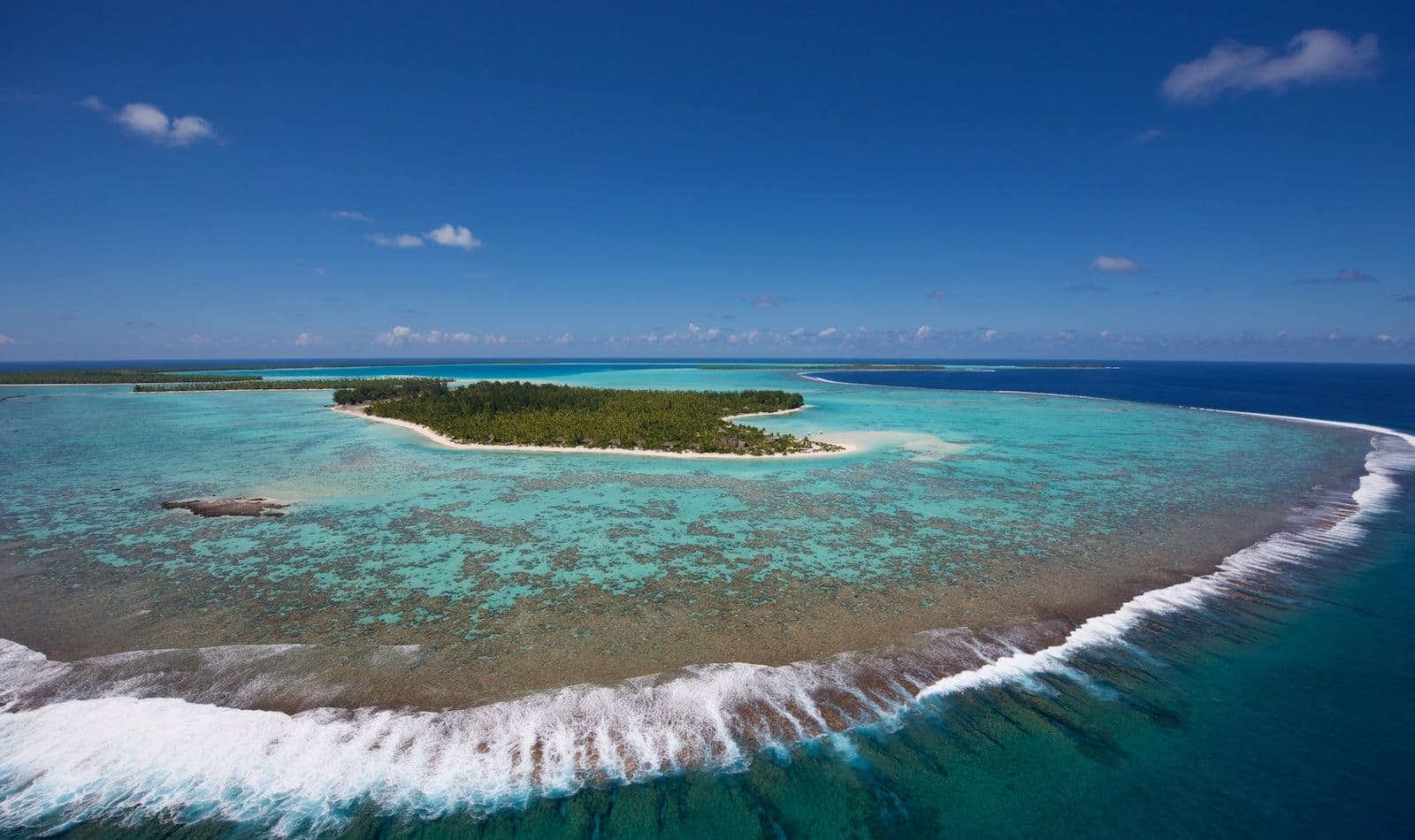
Tetiaroa Atoll serves as a living laboratory for the restoration of terrestrial and marine ecosystems throughout French Polynesia. Tetiaroa Atoll is famously known not only for its connection to Marlon Brando, but also for its incredible biodiversity. The ato.
From the Archive / Tetiaroa

A team of scientists led by Drs. Beth Gardner and Sarah Converse from the University of Washington are studying the impact of rat removal on Tetiaroa Atoll’s seabird populations. Seabirds play a critical role in the health of islands and oceans. They bring va.
From the Archive / Tetiaroa

Tetiaroa is a crown jewel in Tahiti’s history. We know that it served as a secondary residence for the Tahitian royal family of Pare in the 18th Century. However, relatively little is known beyond this. Inès Pasquier, a French intern from the ENSG (Ecole nati.
From the Archive / Tetiaroa

Tetiaroa Nature Series: One species at a time Ep.1: Discover the Ōtaha — the frigatebirds of Tetiaroa Did you know that some frigatebirds can stay in flight for more than two months without ever landing? More about Ōtaha ?
From the Archive / Tetiaroa

96 frigates are fascinating img{-ms-interpolation-mode:bicubic;} table, td{mso-table-lspace:0pt;mso-table-rspace:0pt;} .mceStandardButton, .mceStandardButton td, .mceStandardButton td a{mso-hide:all!important;} p, a, li, td, blockquote{mso-line-height-rule:ex.
Newsletter / Tetiaroa

Highlights of 3 projects: Education & Transmission – Inspiring generations Education is at the heart of Tetiaroa Society’s mission, connecting science, culture, and nature to inspire future generations. In 2024, over 5,000 visitors were engaged by our natur.
From the Archive / Tetiaroa
Ocean June 6th is World Oceans Day, and before that the Blue Climate Summit will convene (14-21 May) and present and accelerate ocean-based solutions to climate change. The future of the planet is in our hands and healthy oceans are critical to any future tha.
From the Archive / Tetiaroa

My birding day started with coffee, and while I was enjoying my coffee and reading internet news on the porch of my bungalow, I caught a glimpse of something zipping by through the trees along the beach...
From the Archive / Tetiaroa

Tetiaroa Society, is proud to announce the appointment of Tj Tate as its new Chief Executive Officer. An award-winning conservation leader and seasoned storyteller, Tate brings a transformative vision and unparalleled expertise to her new role. Read more abou.
From the Archive / Tetiaroa

96 Dec 2024 img{-ms-interpolation-mode:bicubic;} table, td{mso-table-lspace:0pt; mso-table-rspace:0pt;} .mceStandardButton, .mceStandardButton td, .mceStandardButton td a{mso-hide:all !important;} p, a, li, td, blockquote{mso-line-height-rule:exactly;} p, a,..
Newsletter / Tetiaroa

96 UNOC3 conference img{-ms-interpolation-mode:bicubic;} table, td{mso-table-lspace:0pt; mso-table-rspace:0pt;} .mceStandardButton, .mceStandardButton td, .mceStandardButton td a{mso-hide:all !important;} p, a, li, td, blockquote{mso-line-height-rule:exactly;.
Newsletter / Tetiaroa

96 News from the atoll - May 2025 img{-ms-interpolation-mode:bicubic;} table, td{mso-table-lspace:0pt; mso-table-rspace:0pt;} .mceStandardButton, .mceStandardButton td, .mceStandardButton td a{mso-hide:all !important;} p, a, li, td, blockquote{mso-line-height.
Newsletter / Tetiaroa

96 News from the Atoll | May 2024 img{-ms-interpolation-mode:bicubic;} table, td{mso-table-lspace:0pt; mso-table-rspace:0pt;} .mceStandardButton, .mceStandardButton td, .mceStandardButton td a{mso-hide:all !important;} p, a, li, td, blockquote{mso-line-height.
Newsletter / Tetiaroa
The white-banded triggerfish has a beige body with brown stripes and scattered white zones along with black “glasses” striped with blue and a long, yellow mustache. This is an impressive uniform for this fighter that never ceases to confront intruders during..
Nature guide entry / Tetiaroa

For each nest or roosting bird we also identify the species of tree used, with the aim of informing the Tetiaroa habitat restoration program. This has allowed us to quantify some clear habitat preferences; for example, of the 9,856 seabirds counted during one.
Research project / Tetiaroa

We conducted an atoll-wide survey of the distribution of white tern eggs and chicks between December 2022 and May 2023 to determine what affects nest site selection for white terns (Gygis alba).
Research project / Tetiaroa

The breeding success of brown noddies (Anous stolidus) and white terns (Gygis alba) was monitored using a combination of methods. This is our second year of data on brown noddy and white tern nesting success. We also installed two camera traps which will prov.
Research project / Tetiaroa

A striking discovery has been the very high root productivity observed on some atolls - we think this is the highest root activity ever observed in a tropical forest anywhere on Earth and are trying to puzzle out the reasons behind this.
Research project / Tetiaroa

In this project we carried out a study to continue the inventory of conconut crabs on three motu on the atoll of Tetiaroa : Honuea, Reiono and Tiaraunu. Results of this study show new maximums concerning the number of individuals by transect in the 3 study si.
Research project / Tetiaroa

During a one-week fieldwork trip, Dr Brown and Dr Steibl discovered at least three undescribed species of weevil beetles on Tetiaroa atoll. The discovery of species that were unknown to science underlines the unique ecological value of Tetiaroa.
Research project / Tetiaroa
This small damselfish gets its name from its favorite habitat. In fact, it likes the rough areas of the lagoon, where the waves break. It is easy to recognize by its yellow body crossed by a wide electric blue band. At nightfall, it can take on a darker color.
Nature guide entry / Tetiaroa
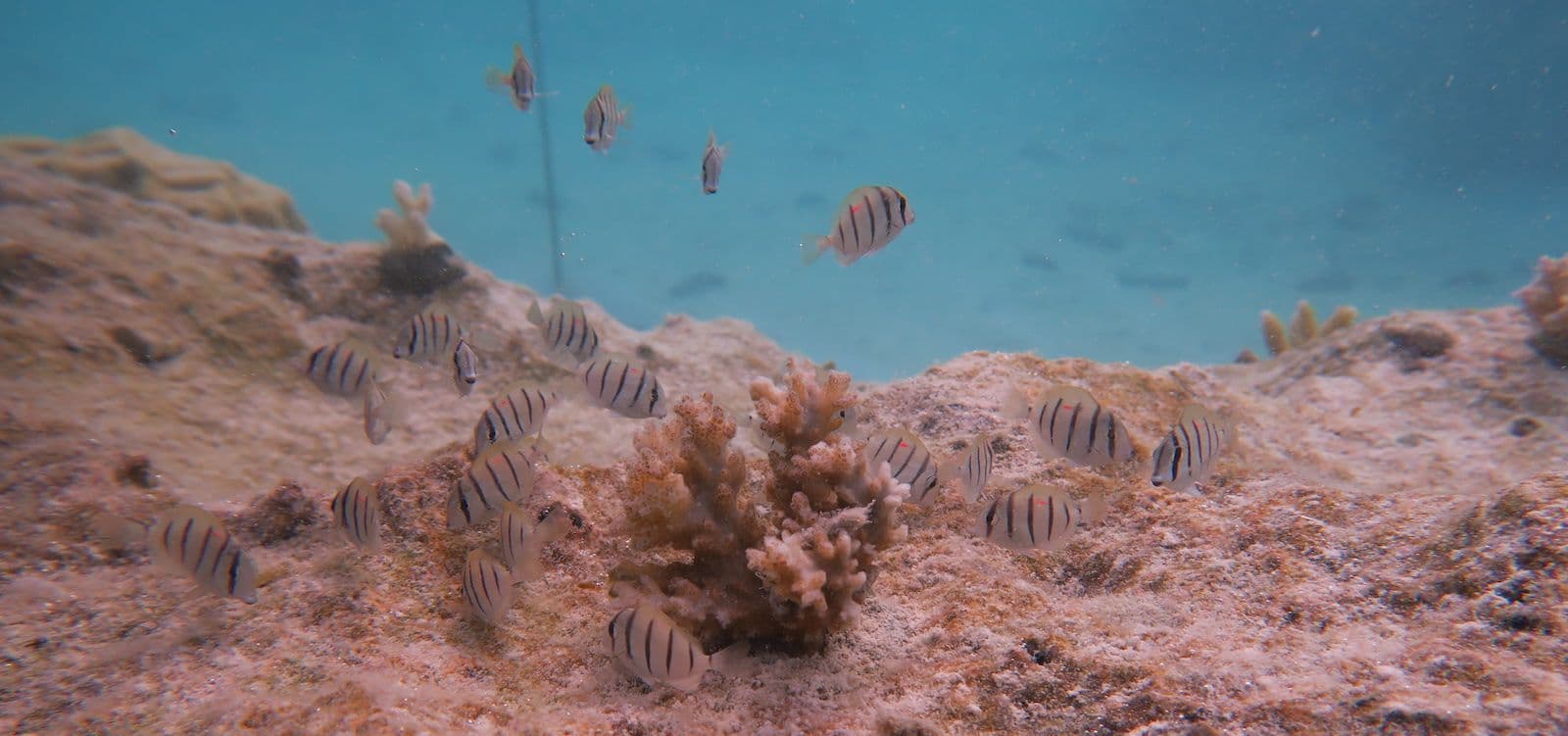
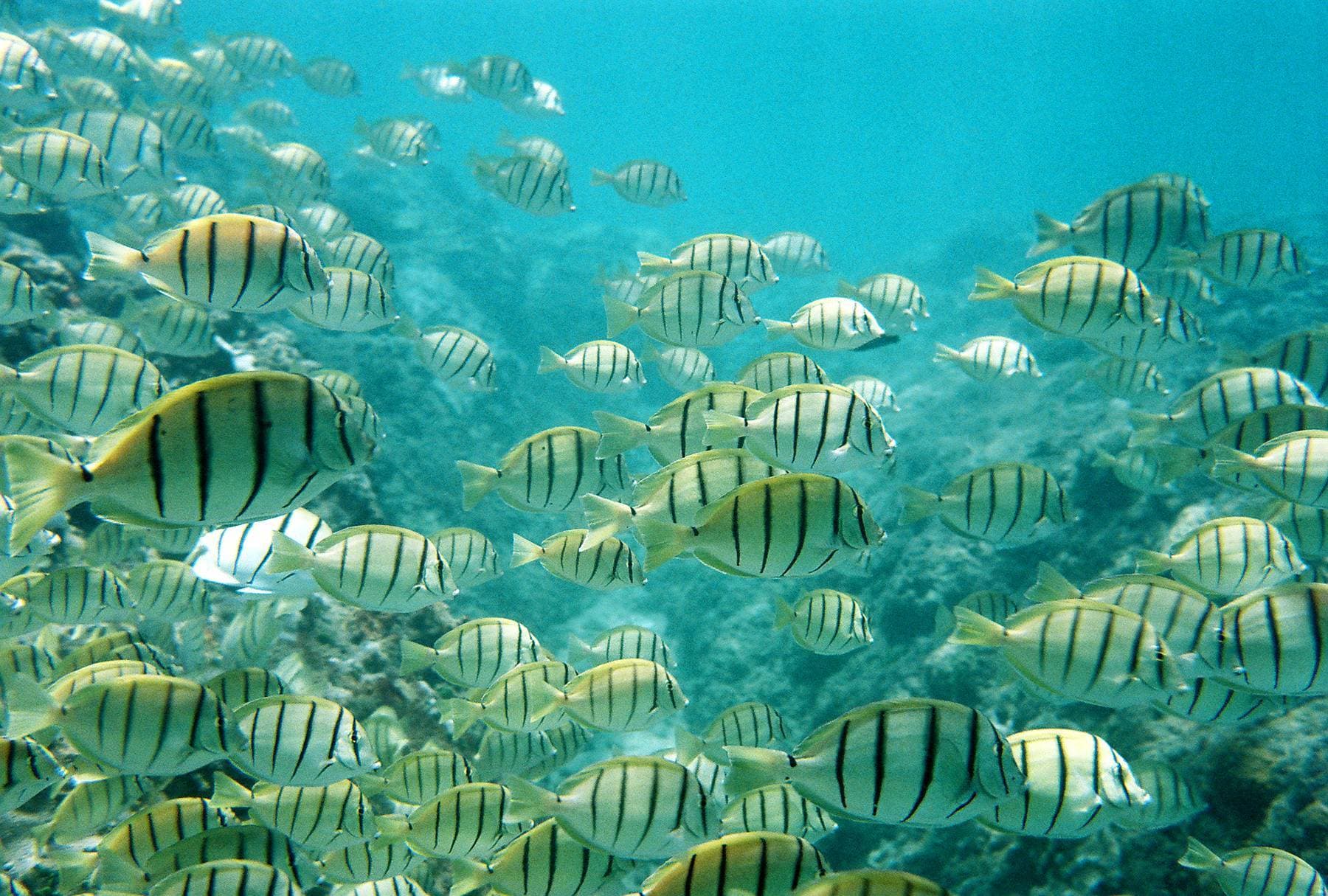
Adult Convict Surgeonfish are found in the lagoon near the reef. The young are abundant in tide pools. It is recognizable by its light yellow body and five thin, black, vertical lines which change based on its mood (defense, spawn, etc.) The convict surgeonfi.
Nature guide entry / Tetiaroa
It is easy to recognize the clown fish, mostly because of its bright orange with a large brown spot in the center and two vertical white stripes outlined with an electric blue. In addition its home, the sea anemone (Heteractis magnifica), with which it lives..
Nature guide entry / Tetiaroa

As an island with minimal human impact the atoll of Tetiaroa serves as a sanctuary for nesting seabirds and green sea turtles. Tetiaroa Society is working with local NGOs Te Mana o Te Moana, and Te Manu to monitor and protect these important breeding populati.
Research project / Tetiaroa
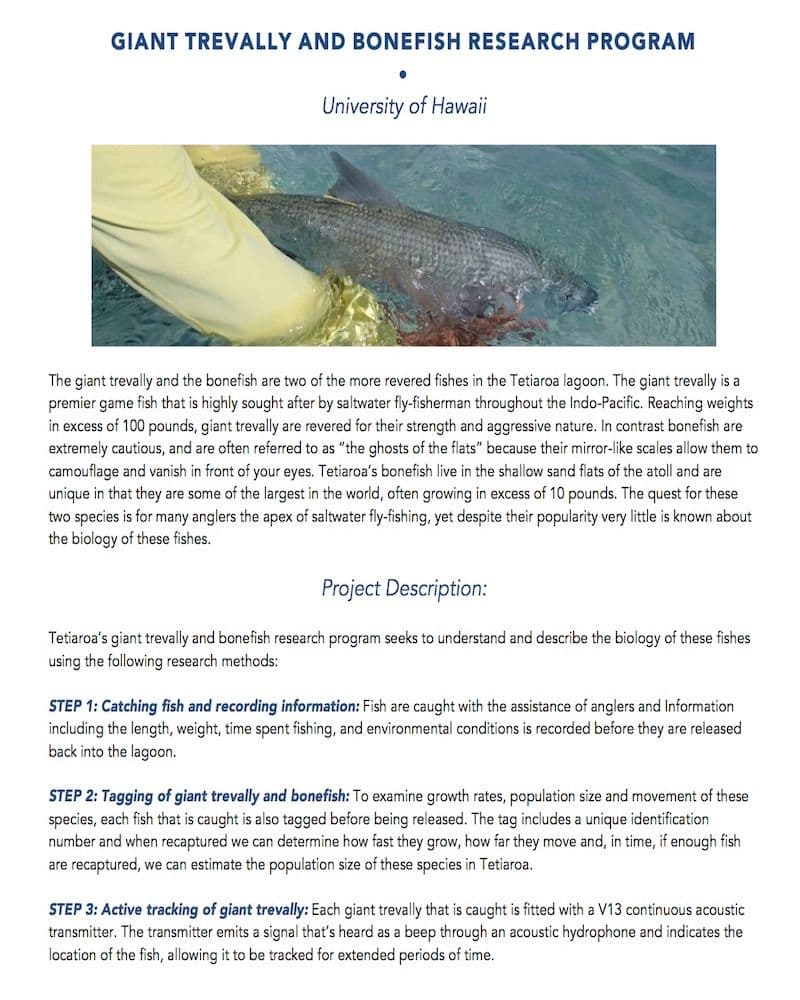
Bonefish and giant trevally are threatened by overfishing. The opportunity to study these animals in lightly fished locations like Tetiaroa is becoming increasingly rare. This research seeks to contribute to our understanding of the biology of these fishes an.
Research project / Tetiaroa

The objective of this research is to assess the impacts of rat eradication and the subsequent return of healthy seabird populations on the health of the adjacent reefs on Tetiaroa.
Research project / Tetiaroa

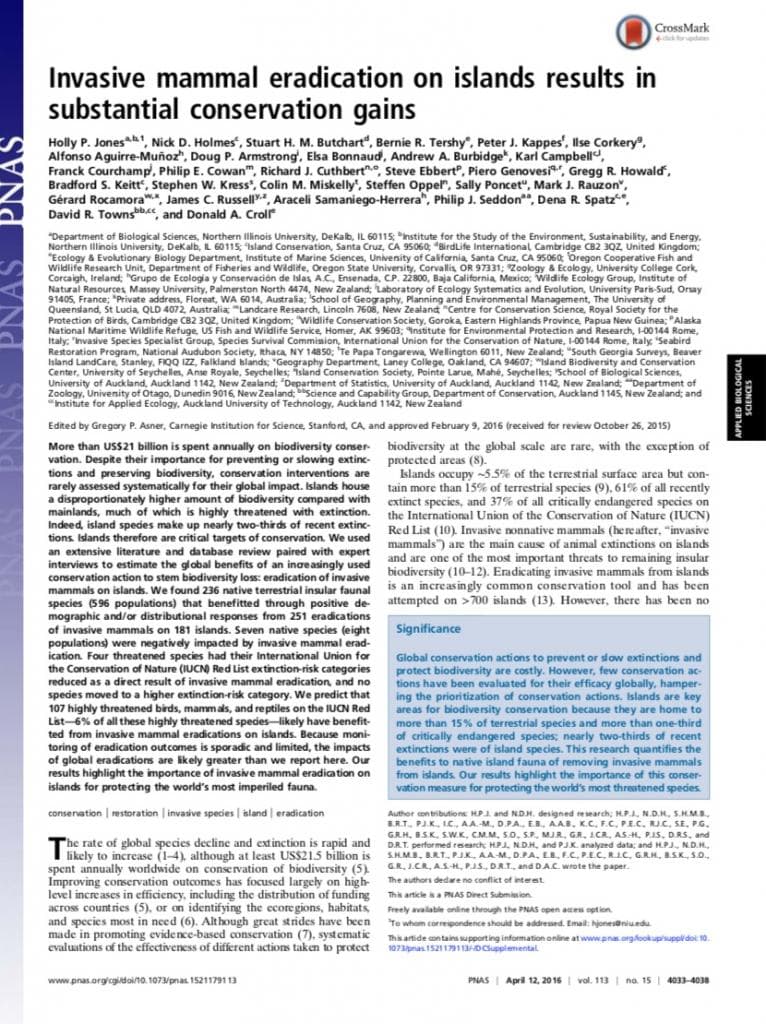
The use of environmental DNA (eDNA) might be a powerful new tool to inform and accelerate decision-making in island restoration management.
Research project / Tetiaroa

The general objective of our outreach program is to enable students to understand the complexities of the relationship between humans and the environment. We aim to guide students towards a greater appreciation of sustainable development and its direct rela.
From the Archive / Tetiaroa

Tetiaroa Society recently hosted a group of 16 students and 3 teachers from Lakeside School in Seattle. The group was on a three week study abroad trip and came to Tetiaroa after spending two weeks in Moorea living with host families and working out of the..
From the Archive / Tetiaroa

Actress Laura Dern speaks up on preserving Tetiaroa Atoll and the implications for coral reef conservation and mitigating climate change. While the world was shut down due to COVID-19, a team of conservationists saw an opportunity. No travel meant no visitors.
From the Archive / Tetiaroa

On what should be a pristine tropical island, humans have introduced a destructive pest. Can scientists turn back the clock?
From the Archive / Tetiaroa

Te mana o te moana non-governmental organization was founded on September 23rd, 2004. Through its research, conservation, communication and educational activities, the foundation strives to protect the marine environment of French Polynesia and to extend to t.
Partner / Global network
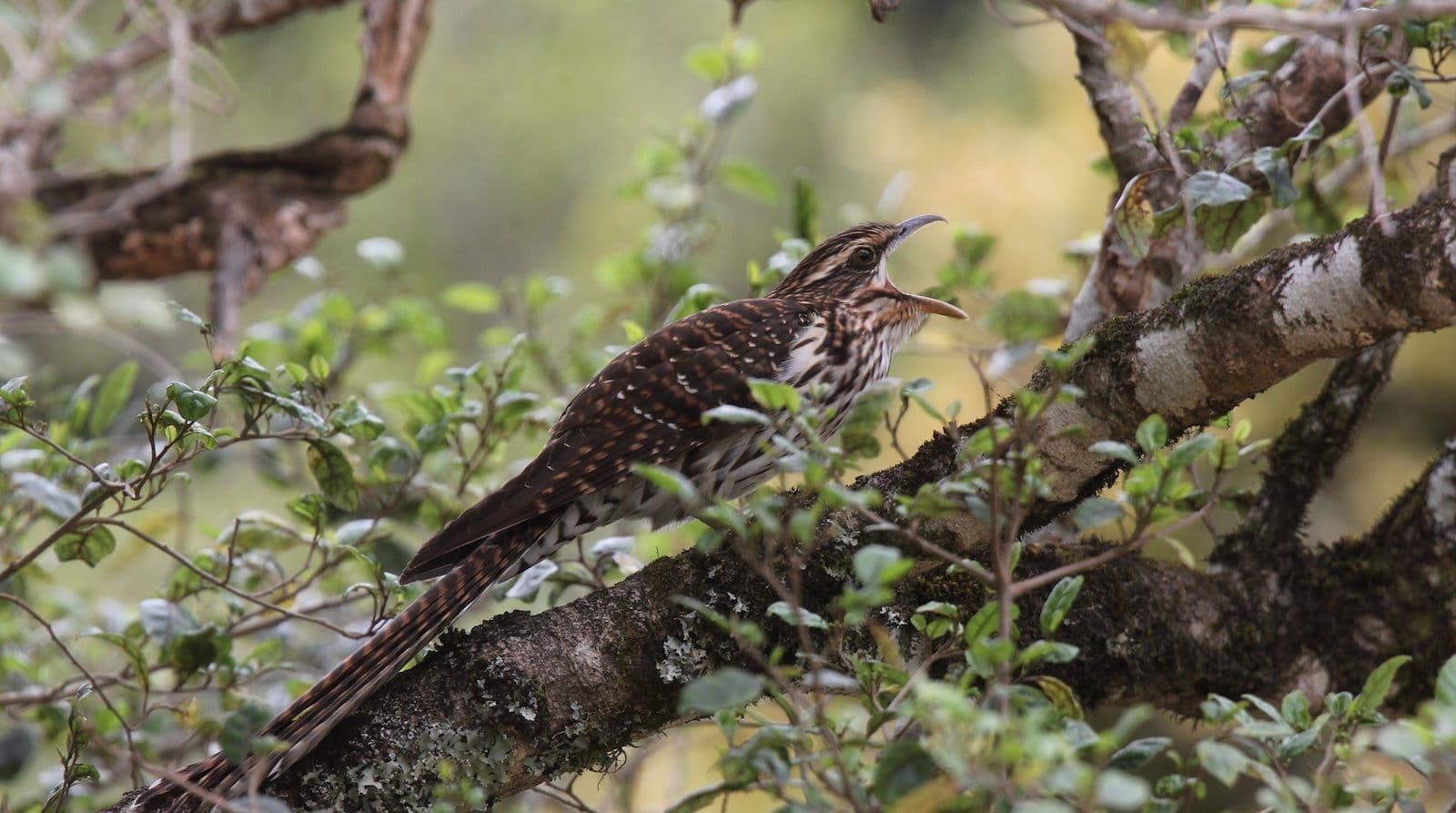
The Pacific Long-tailed Cuckoo is a 40 cm long bird from its exceptionally long tail to beak. The dorsal side of the bird is brown with red stripes and white spots. The chest and belly are white with brown speckles. As a secretive and solitary bird, it is rar.
Nature guide entry / Tetiaroa

Five high school students with a major in science came to Tetiaroa for a four day stay with the person in charge of the Geoscience contest Mr Patrick SCHNEIDER. Chargé de mission SVT at the Vice rectorate of French Polynesia. After a two hour and a half boat..
From the Archive / Tetiaroa

Tetiaroa Society has had a long and productive partnership with the University of Washington, largely because of the support of Tetiaroa Society Board Member David Seeley and his family (Huskies one and all! David is pictured right with his daughter and wife.
From the Archive / Tetiaroa

Education is a vital component of Tetiaroa Society’s mission. In our Education Program we use the island of Tetiaroa as a classroom for local and international students and community groups to teach about the natural and cultural heritage of the island and ab.
From the Archive / Tetiaroa

Tetiaroa Society recently hosted a field course from Cape Henry Collegiate, a college-prep school located in Virginia Beach, Virginia. The class spent three days on the island learning about its natural and cultural heritage and visiting the sustainable facil.
From the Archive / Tetiaroa

Tetiaroa Society Education and Culture Committee announce a contest, Tata’ura’a ia Vai Moana te Fenua This contest is organized by Tetiaroa Society, our partners, the TS Educational and Cultural Committee, the French Polynesia Ministry of Education, and the F.
From the Archive / Tetiaroa

The missions of the Gump Research Station on Moorea are to promote research, education, and outreach in global change science, tropical biocomplexity, and sustainable development, and to develop Moorea as a model system to understand how physical, biological,.
Partner / Global network
The data observatory will provide the secure infrastructure and long-term datasets needed to assess the effectiveness of management actions, underpin basic scientific research on the atoll, and provide an important reference point for the international global.
Research project / Tetiaroa
The Tetiaroa Biocode Project aims to create a comprehensive inventory of all non-microbial life in a complex tropical ecosystem. The primary objective of the first expedition is to do One Cubic Foot from the Tetiaroa reef that documents all creatures inhabiti.
Research project / Tetiaroa

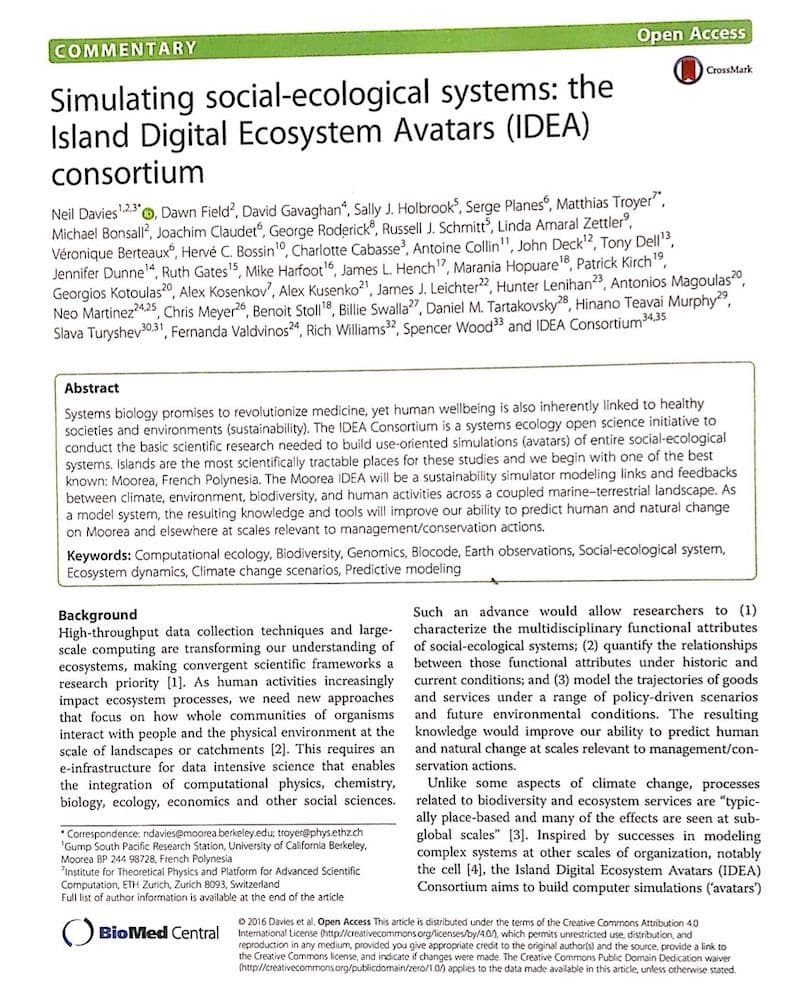
Tetiaroa IDEA is a place-based data science infrastructure and computational platform for scenario-based planning. The Tetiaroa IDEA will model the complex feedbacks between climate change, management actions, public policy, and ecosystem services across the..
Research project / Tetiaroa

This video was shot offshore of Tetiaroa near the end of this year's Humpback Whale season. You see a mother and calf swim by over the reef, and then two large males that are following close behind. Female Humpbacks have been known to mate shortly after birth.
From the Archive / Tetiaroa

This program was started 2 years ago in Tetiaroa, the CENTRE OF ISLAND RESEARCH AND ENVIRONMENTAL OBSERVATORY (CRIOBE) has run the project with David Lecchini as Coordinator and Director of Studies. It aims at replenishing Tetiaroa’s lagoon by rearing and rel.
From the Archive / Tetiaroa

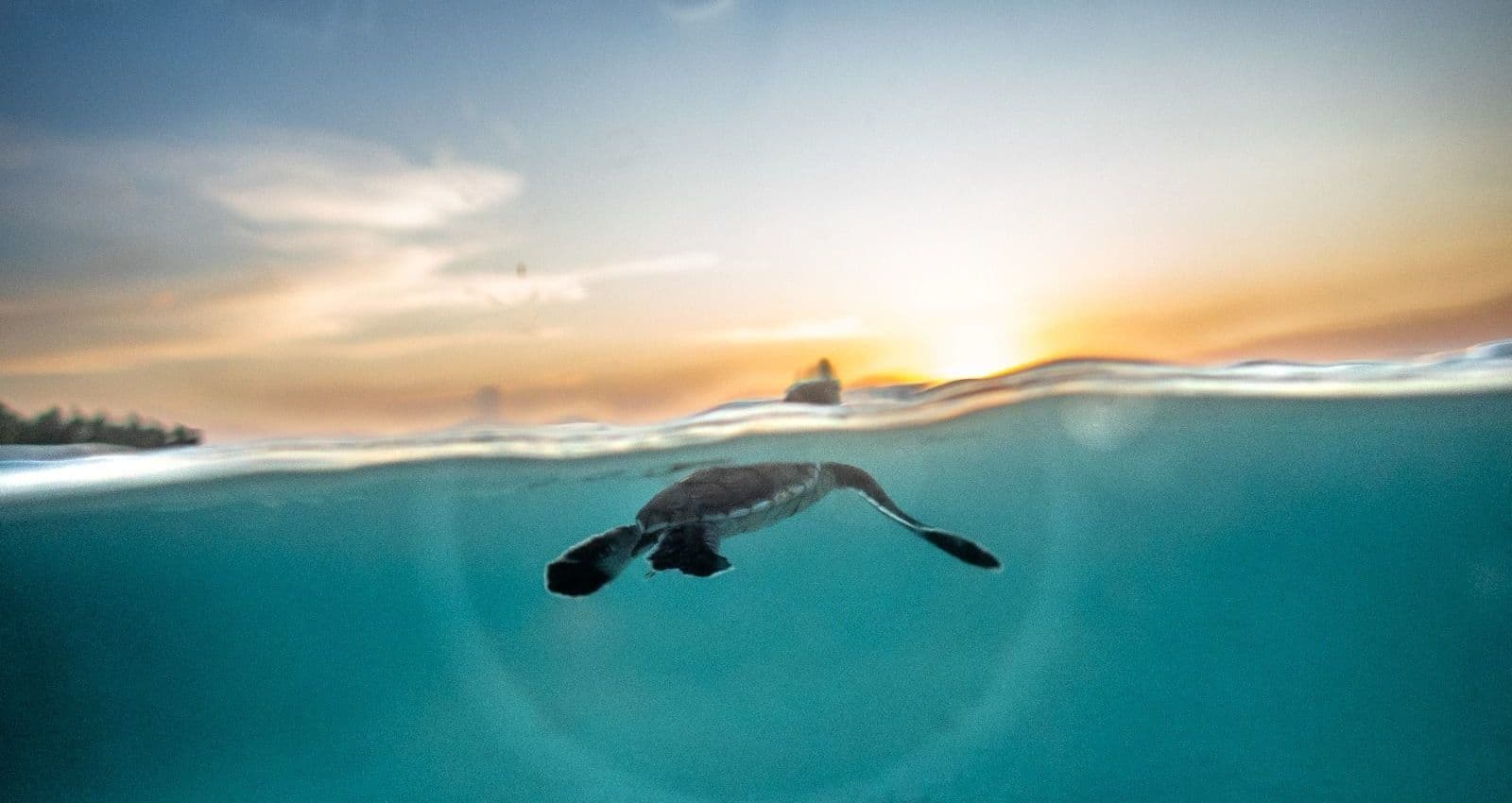
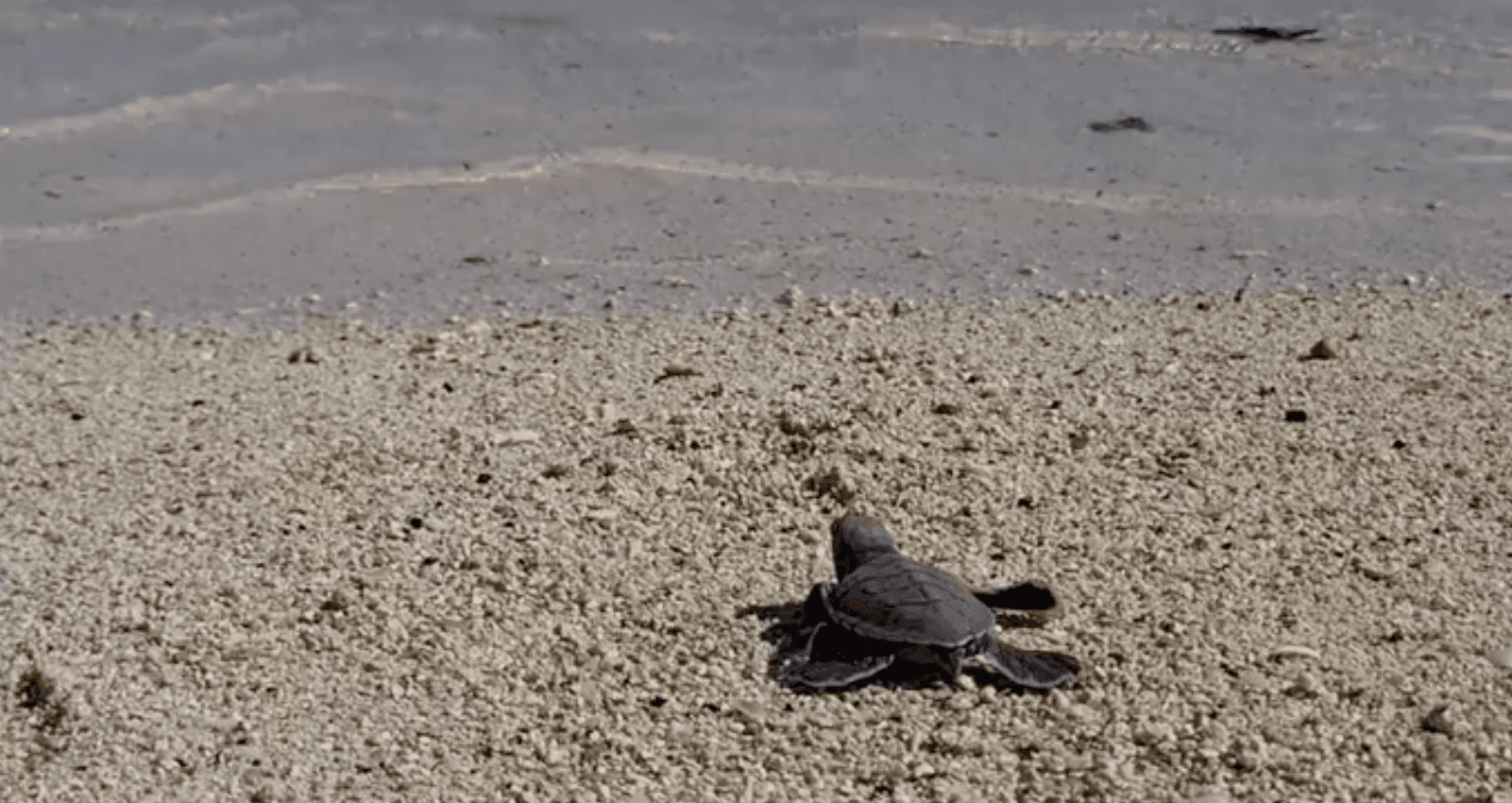
Release the baby turtles
From the Archive / Tetiaroa

University of Washington scientists working on Tetiaroa Atoll discovered a cost-efficient, automated method for surveying sea cucumbers—drones! The research, published in the ICES Journal of Marine Science, found that drones could be used as a means to count..
From the Archive / Tetiaroa

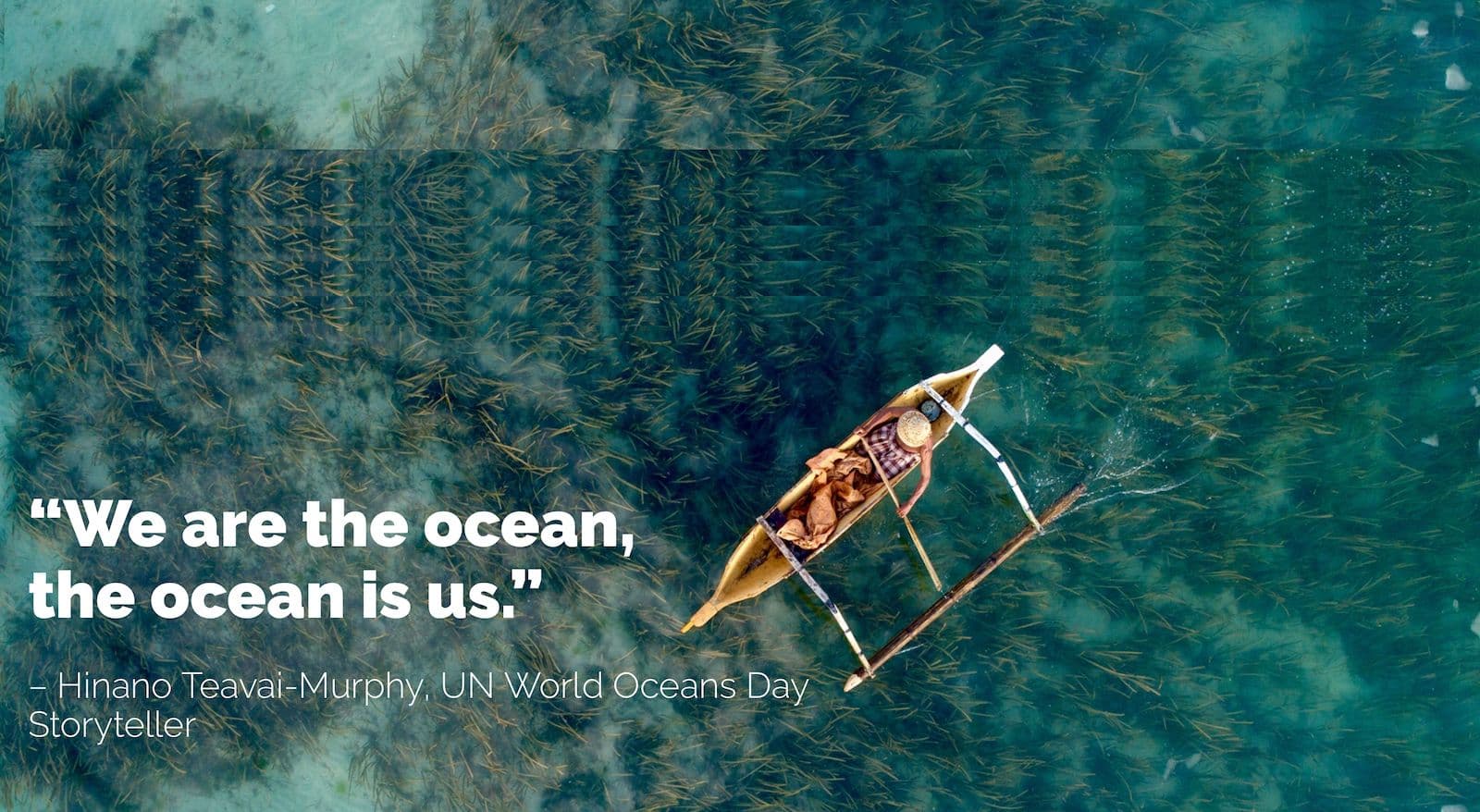
Hinano Murphy, Tetiaroa Society's Cultural Director, was honored to be invited to the United Nations for the UN World Oceans Day Symposium on June 7th. Hinano was invited as a storyteller to open the day-long symposium with a legend from Polynesia that would..
From the Archive / Tetiaroa

The Pacific Island Parliament Group held their bi-annual meeting in Tahiti on September 10-11, bringing together the Speakers of Parliament from 16 different countries. The theme for discussions was the “Blue Economy” focusing on ocean and island resilience a.
From the Archive / Tetiaroa

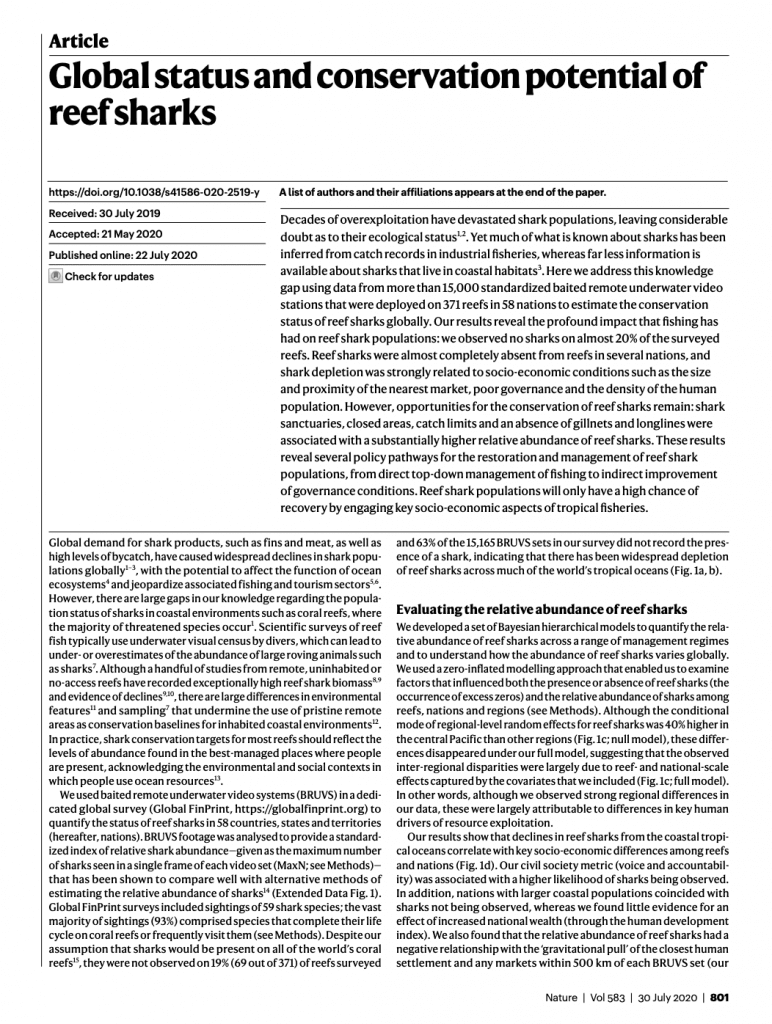
French Polynesia is a model for shark conservation as the world’s largest shark sanctuary In a first-of-its-kind study published in Nature, scientists report on the conservation status of reef shark populations worldwide. The results are grim; reef sharks hav.
From the Archive / Tetiaroa

Last year, 2020, was unlike any other in recent history. Due to the Covid-19 pandemic, the world was forced to stand still — travel came to a halt and the future filled with uncertainty. Quite suddenly, Tetiaroa became quiet…of people that is. Birds continued.
From the Archive / Tetiaroa

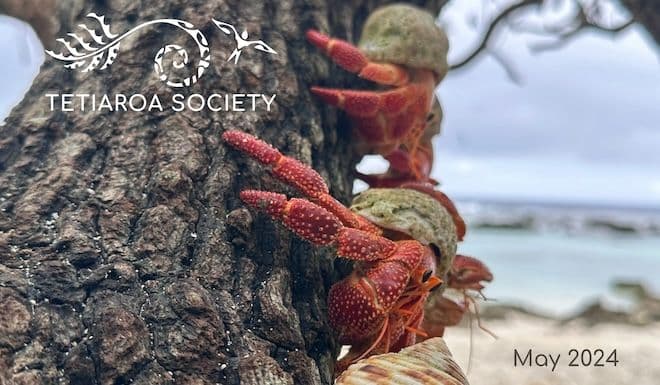
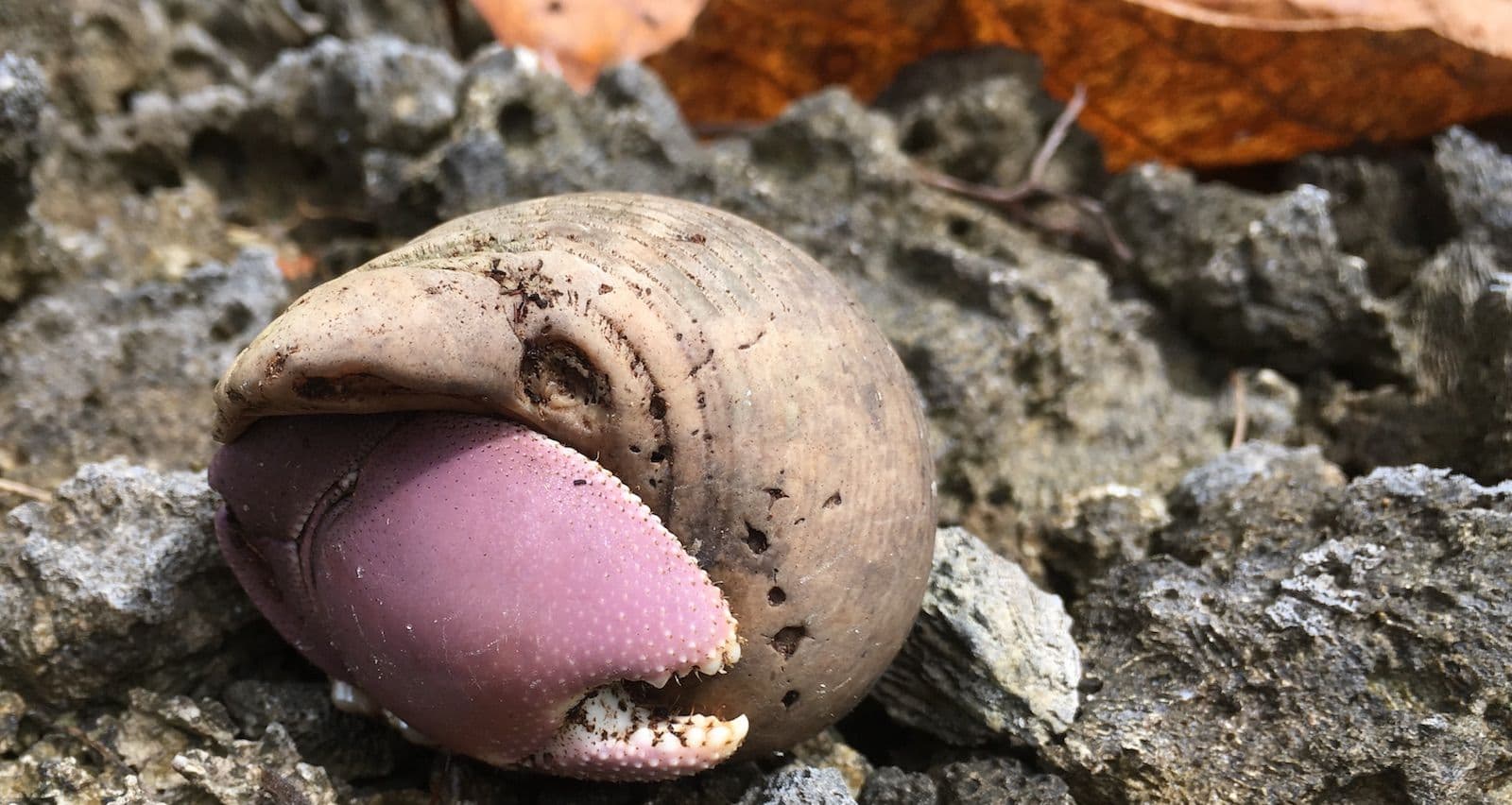
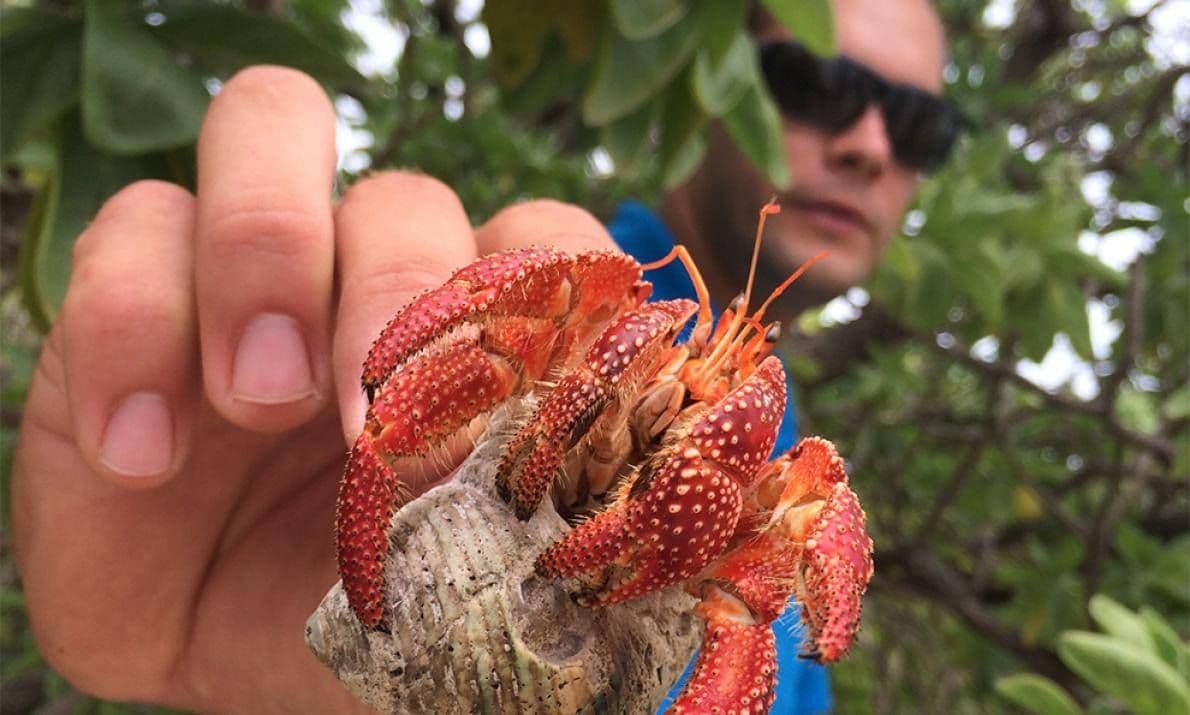
Nature Notes | Strawberry hermit crabs up in the branches Why are they lined up on the branch? Interested in finding out?
From the Archive / Tetiaroa

Tetiaroa Society is pleased and proud to share with you this 2023 Tetiaroa Society Impact Report. This report and the work it describes are testament to what can be accomplished when a community of people with shared values are united for a common purpose.....
From the Archive / Tetiaroa

zooxanthellae
Nature guide entry / Tetiaroa

The Frigatebird, called Otaha in Tahitian, are symbolic in the Polynesian culture, representing the god, Oro .
Nature guide entry / Tetiaroa

Hermit crabs are gregarious, colorful, and ever so interesting to observe.
Nature guide entry / Tetiaroa

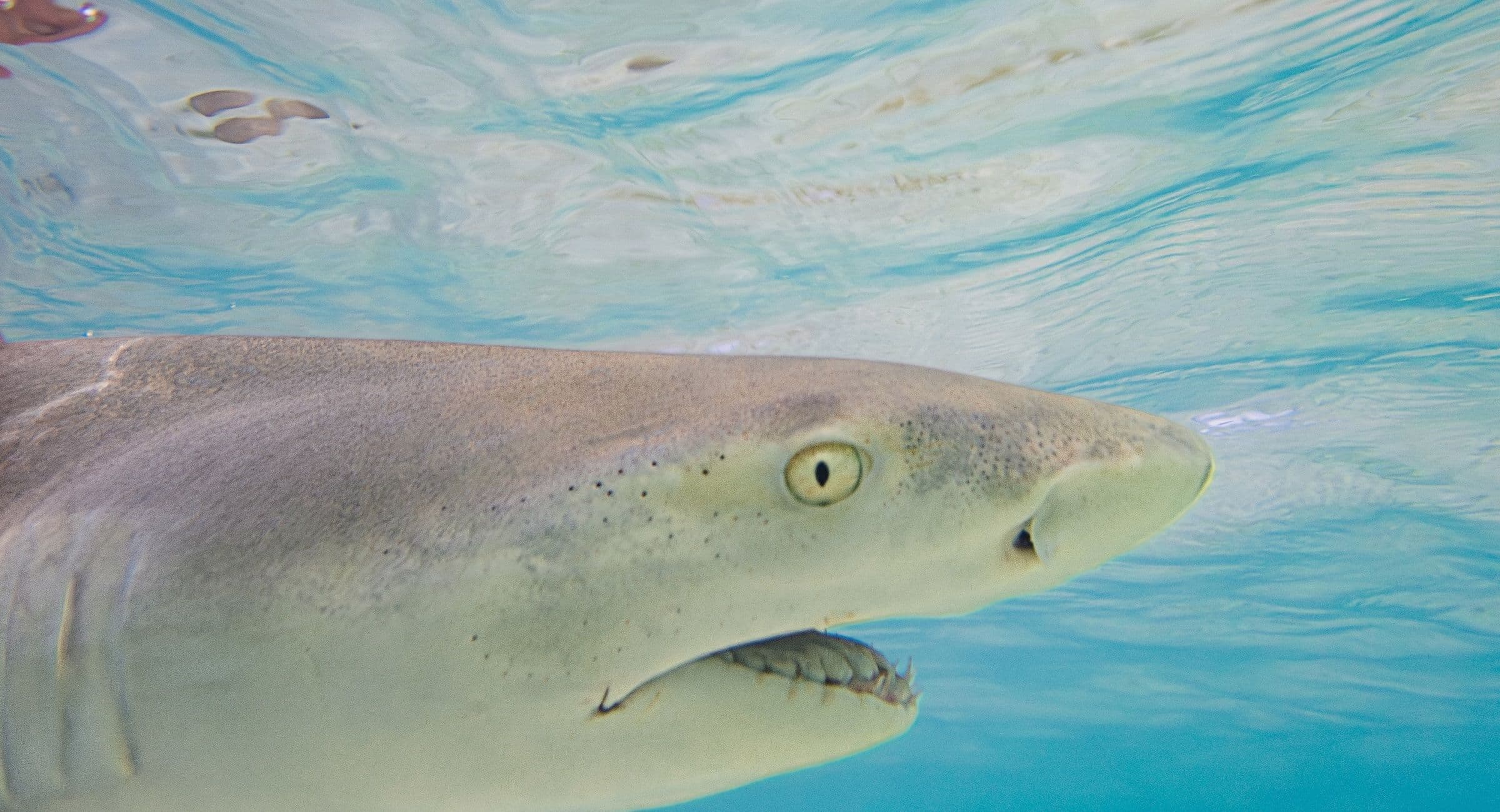
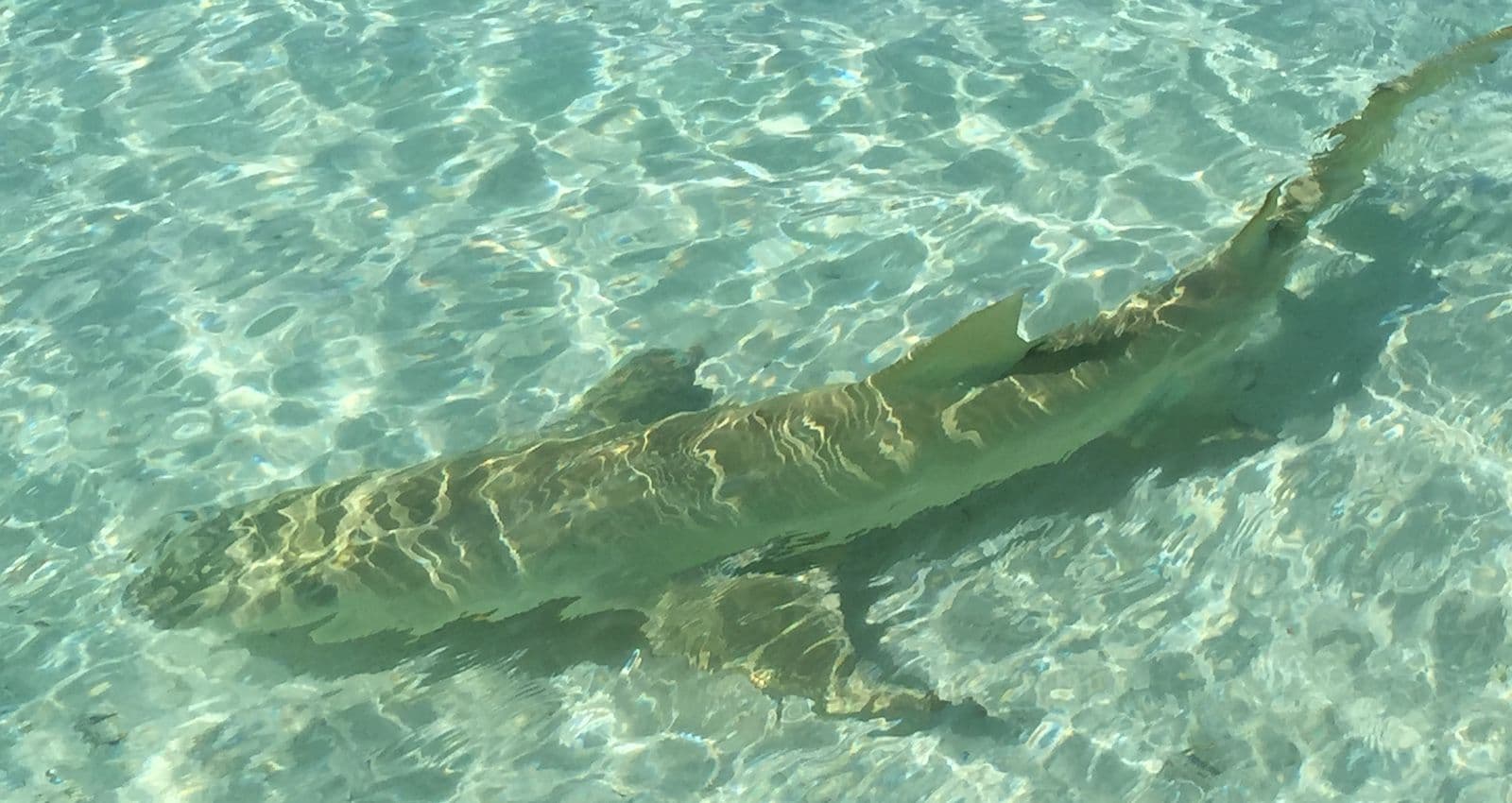
Lemon shark
Nature guide entry / Tetiaroa

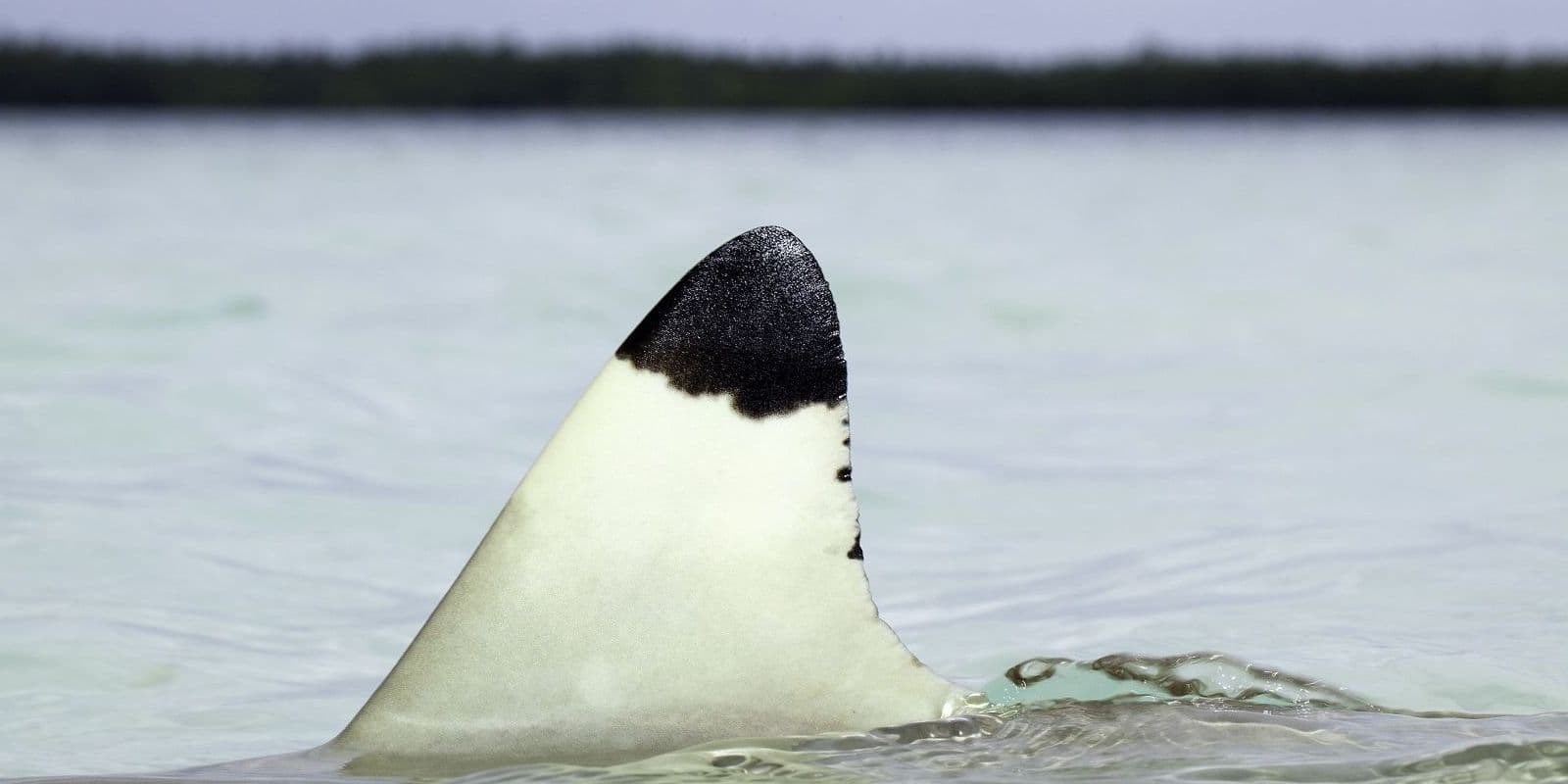
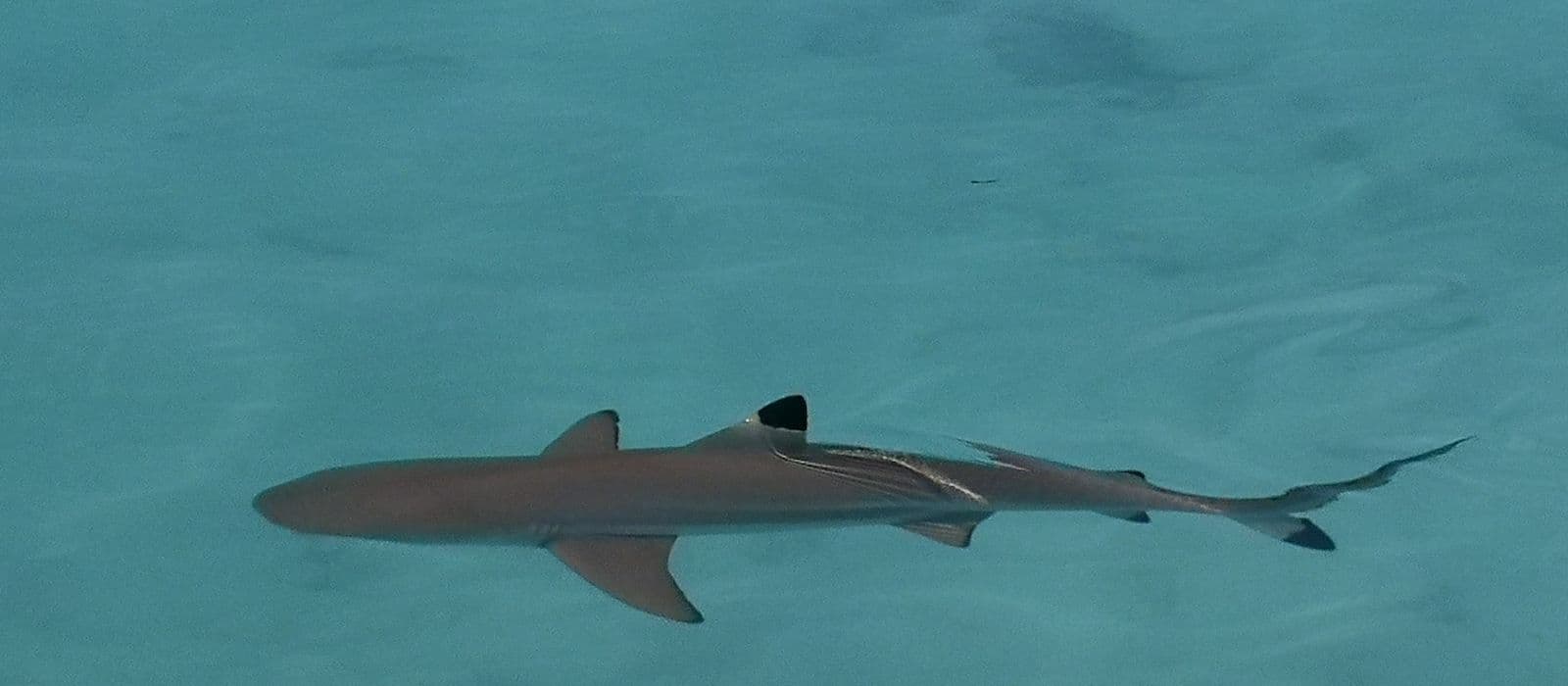
Black-tip reef sharks
Nature guide entry / Tetiaroa

Science? Culture? History? Browse our activities
From the Archive / Tetiaroa

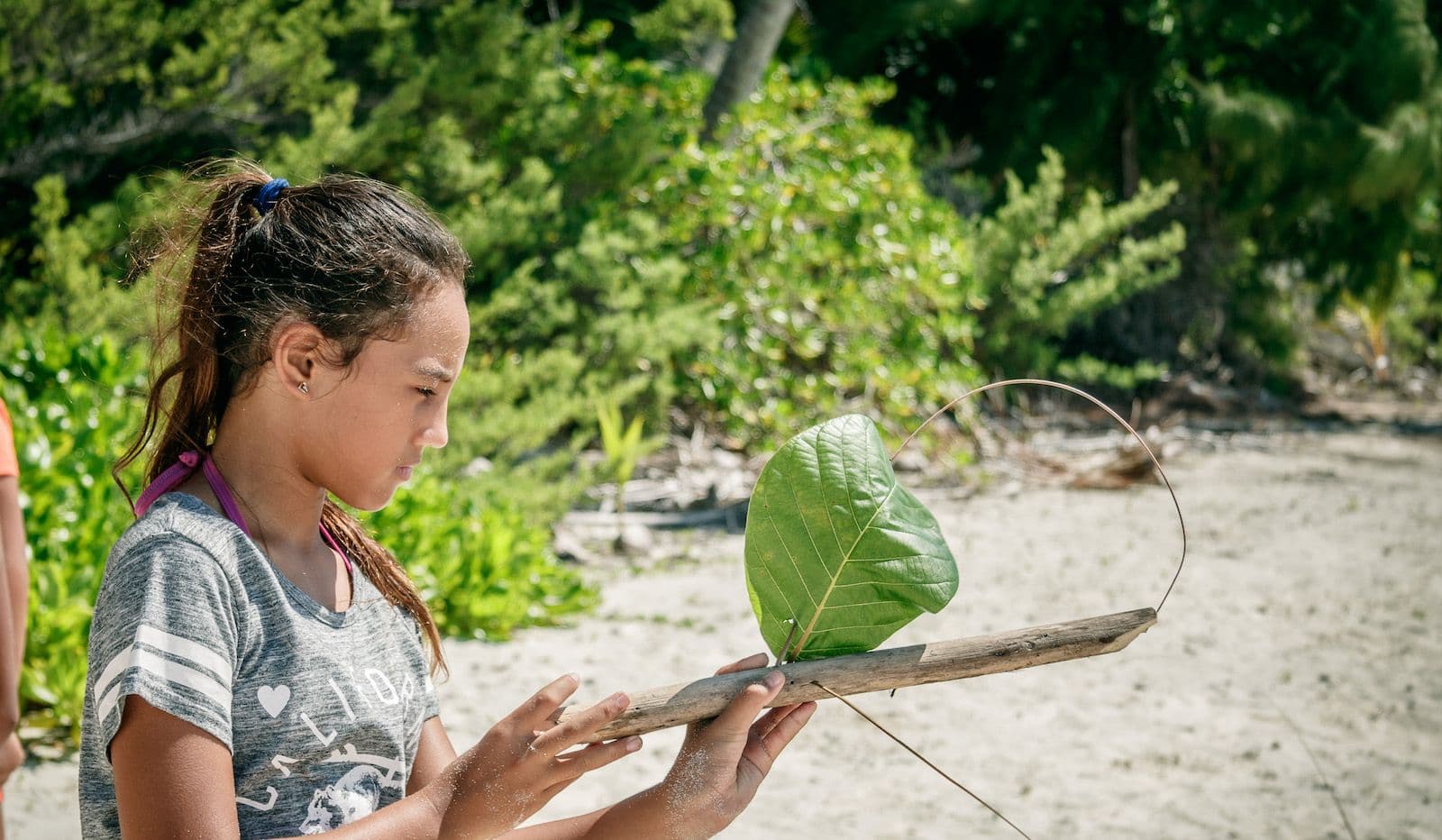
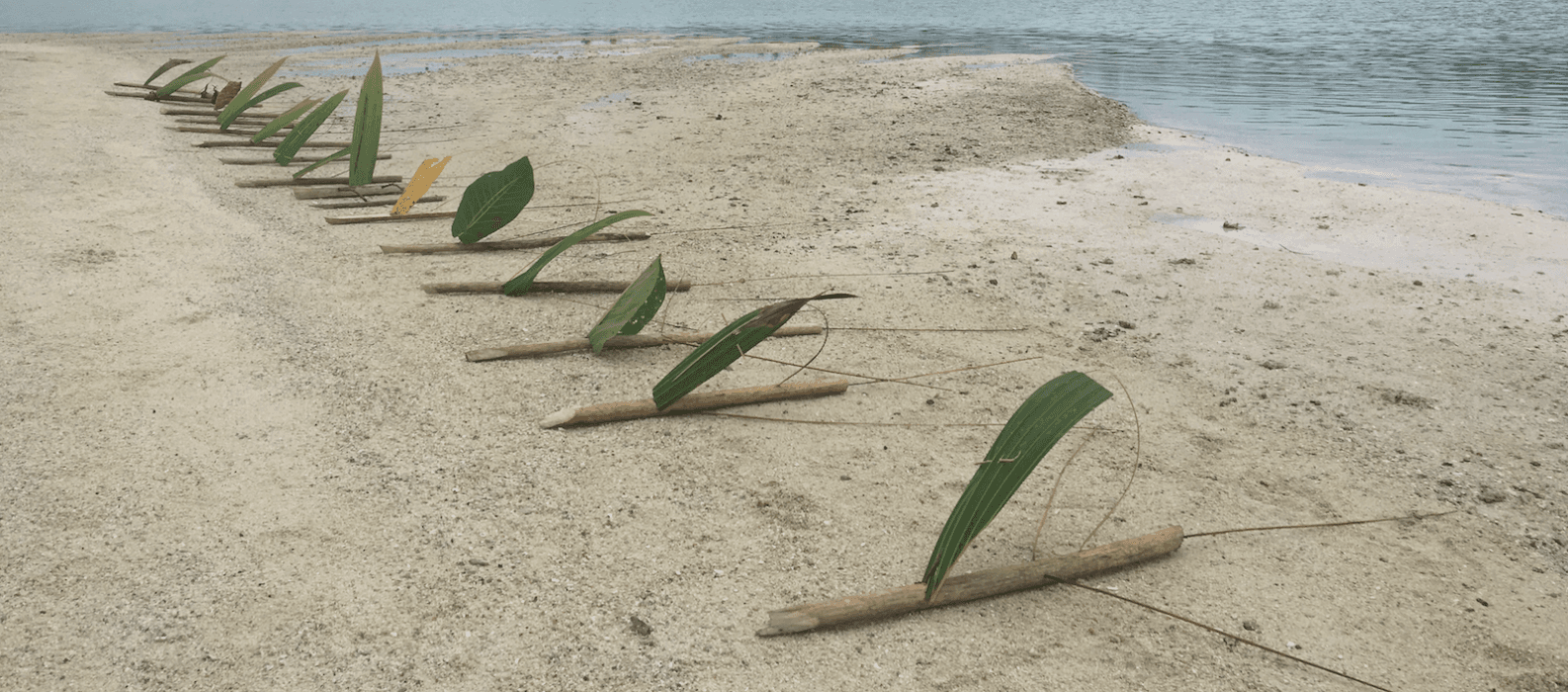
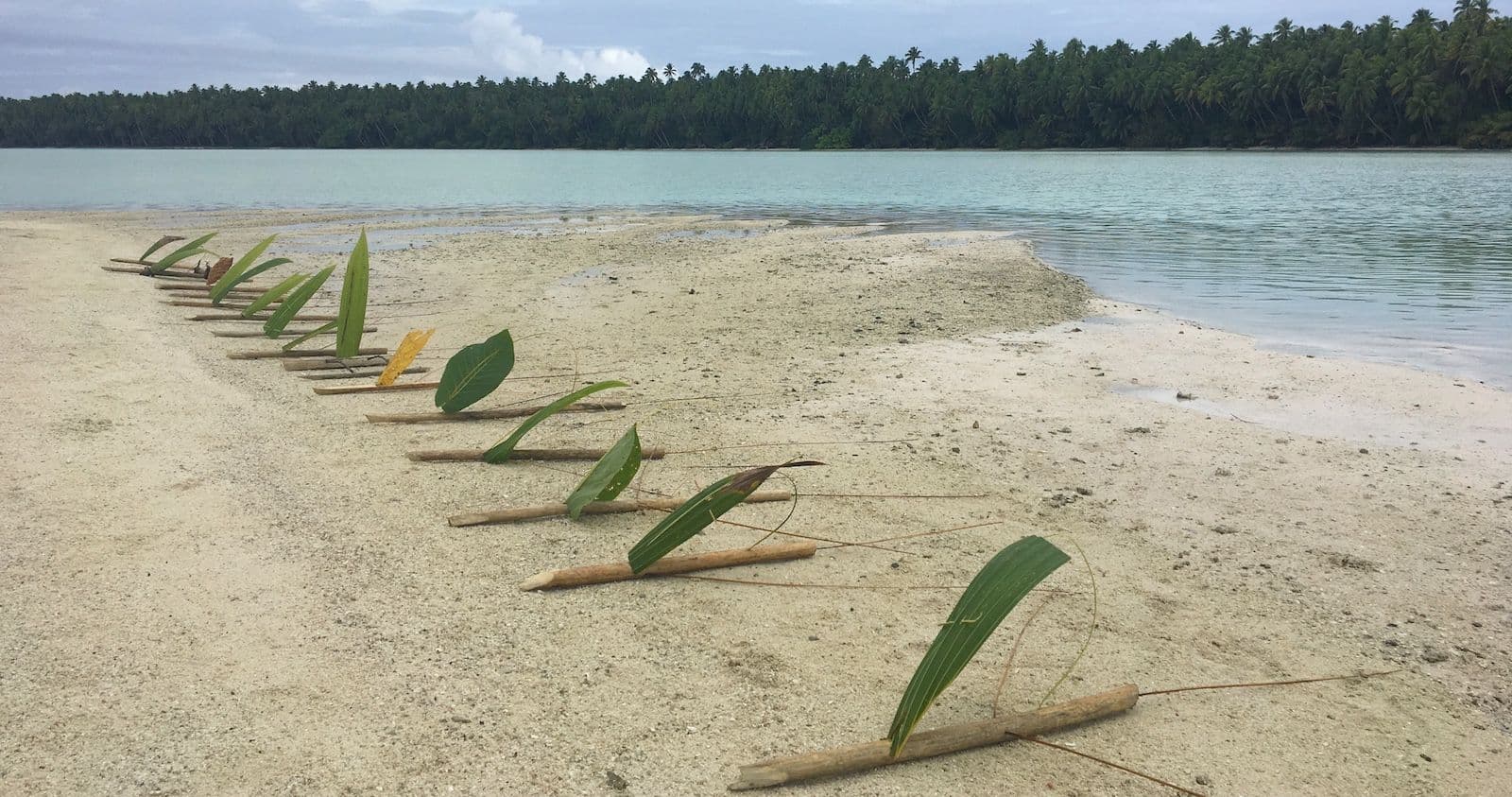
Build a titiraina and sail it across the lagoon of Tetiaroa. Will yours arrive?
From the Archive / Tetiaroa

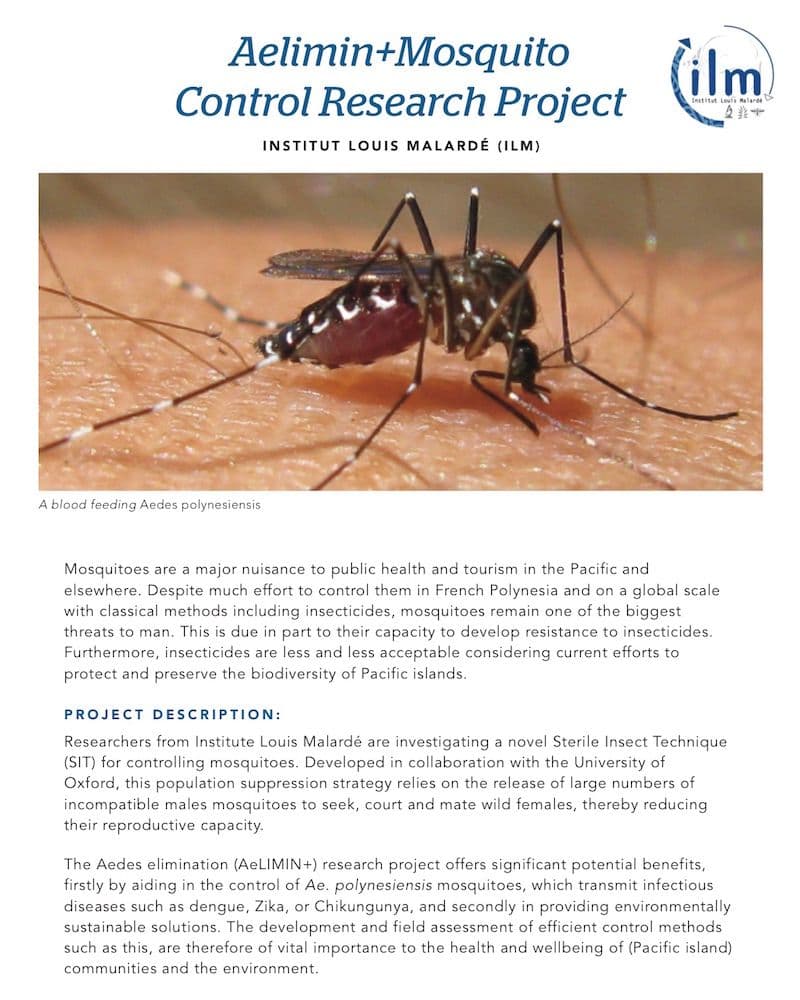
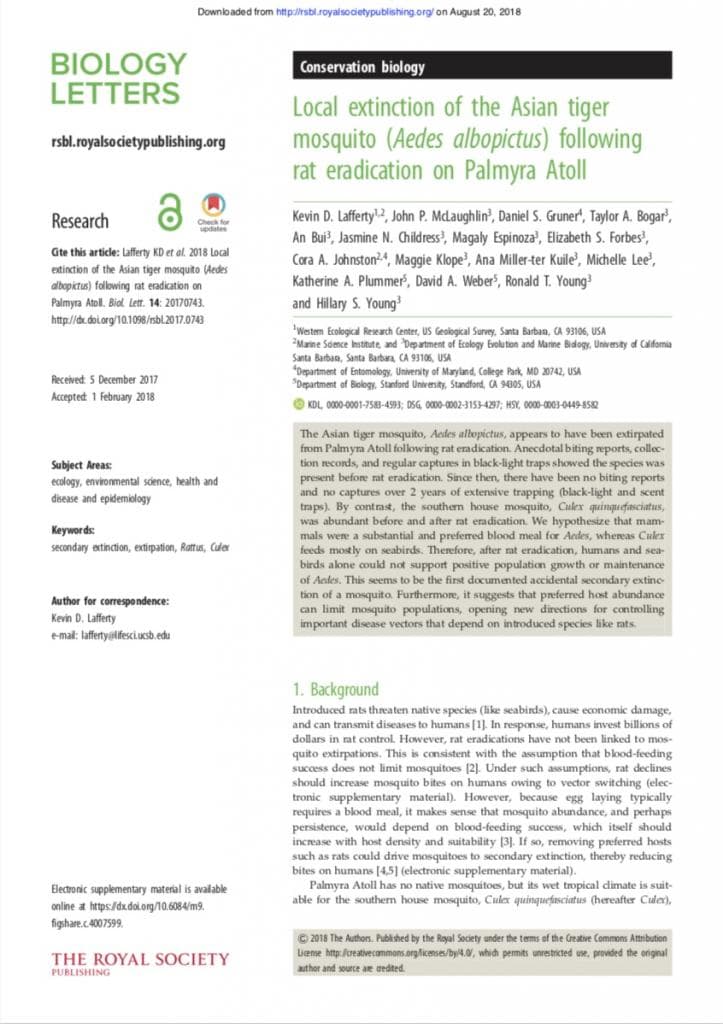
Mosquito control research project
Report / Tetiaroa

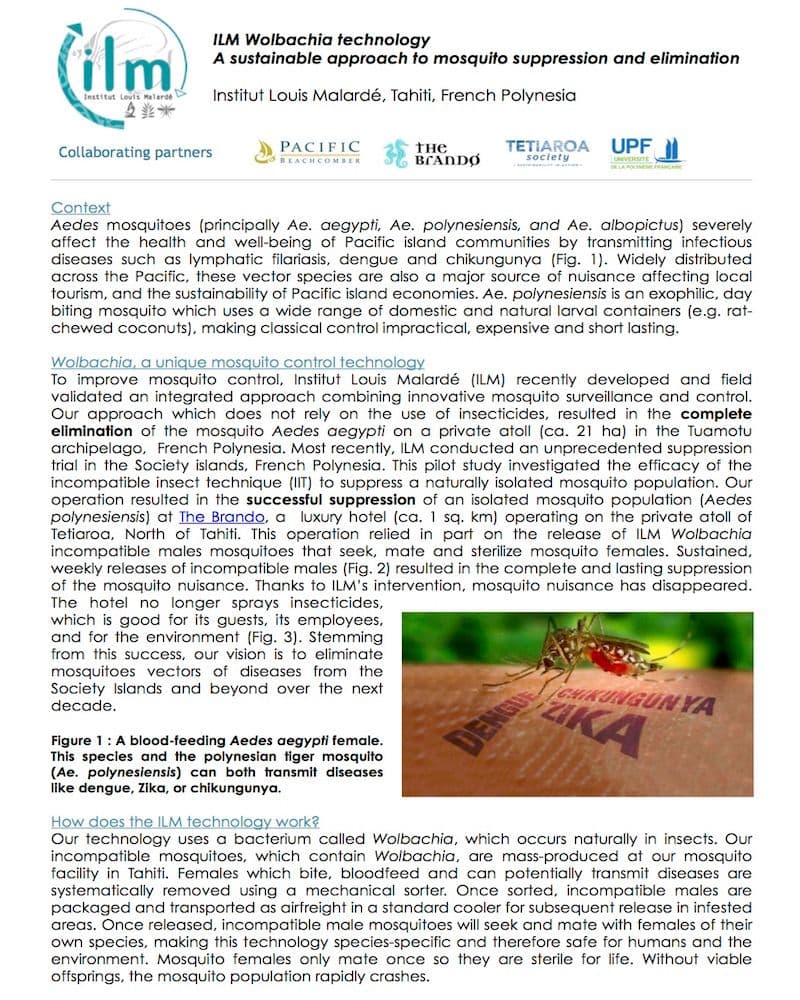
ILM tetiaroa pilot project 2017
Report / Tetiaroa

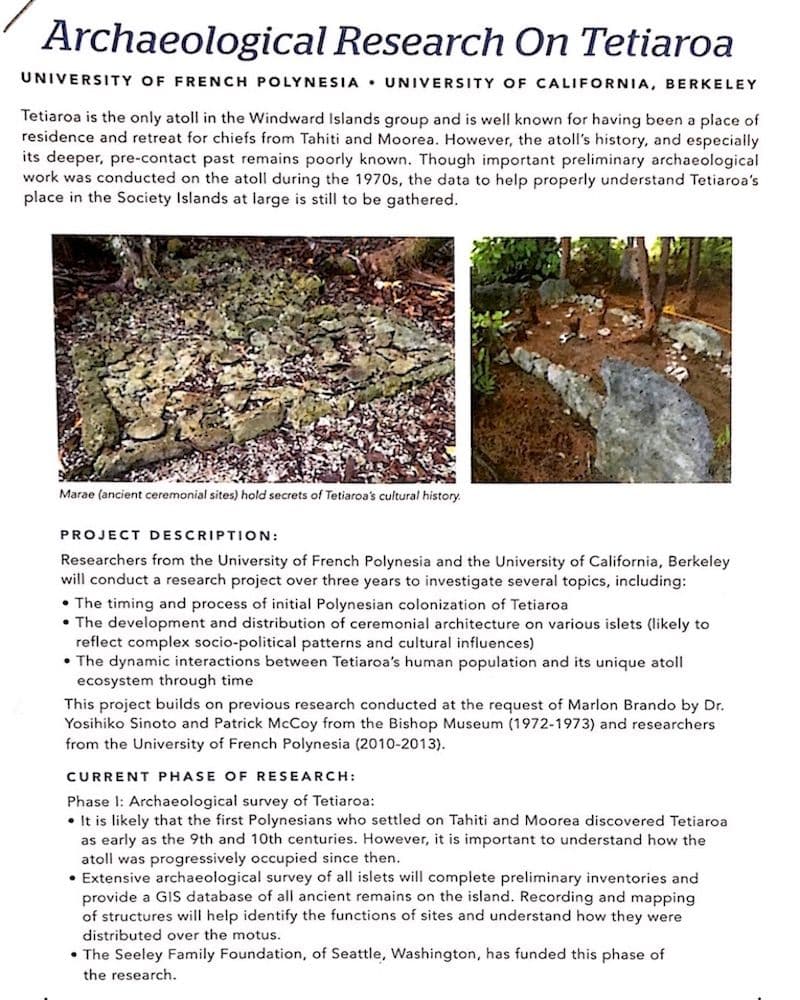
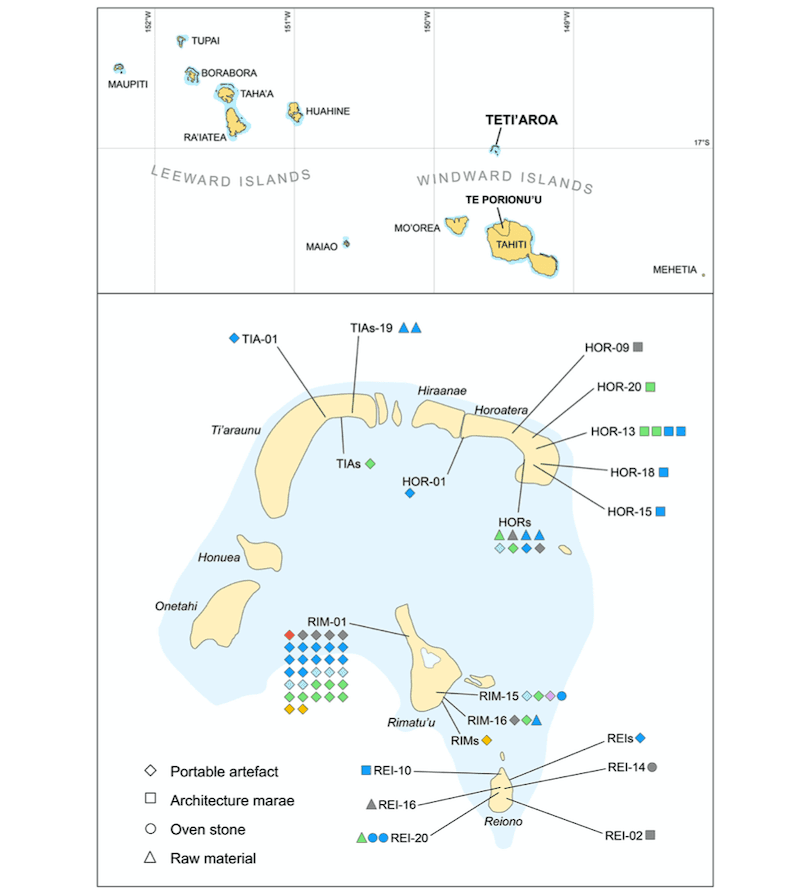
Archaeological research on Tetiaroa
Report / Tetiaroa

Hermann et al 2019 - Tetiaroa sourcing
Report / Tetiaroa

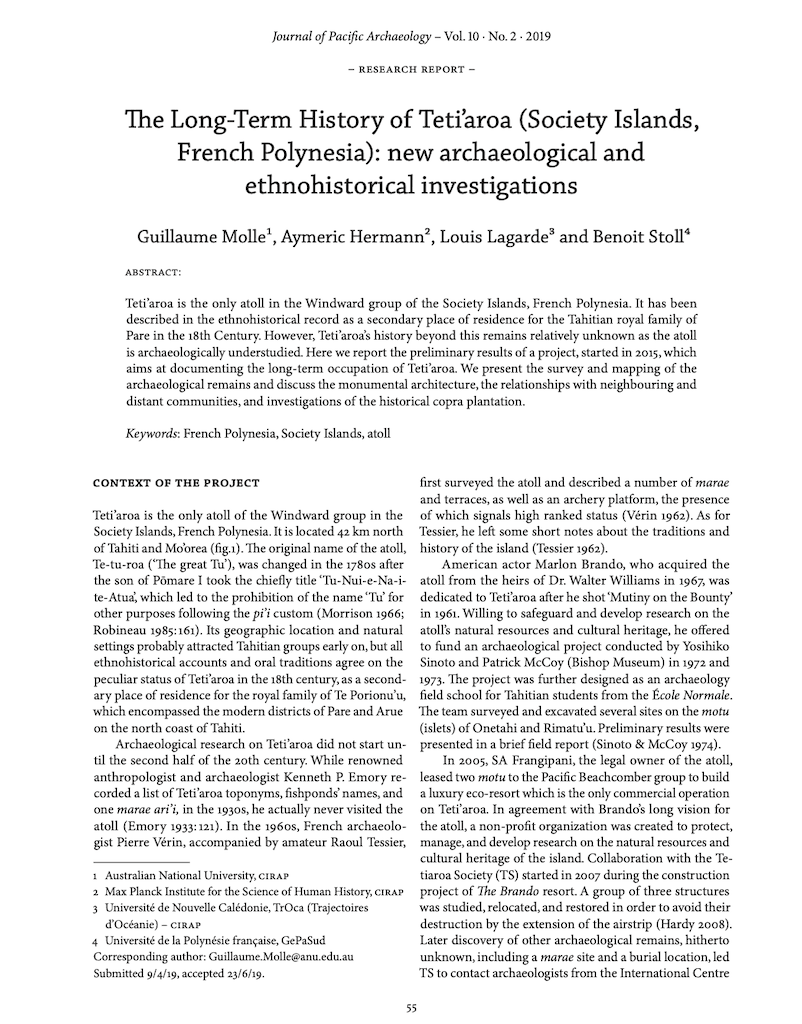
The Long-Term History of Tetiaroa: new archaeological and ethnohistorical investigations
Report / Tetiaroa

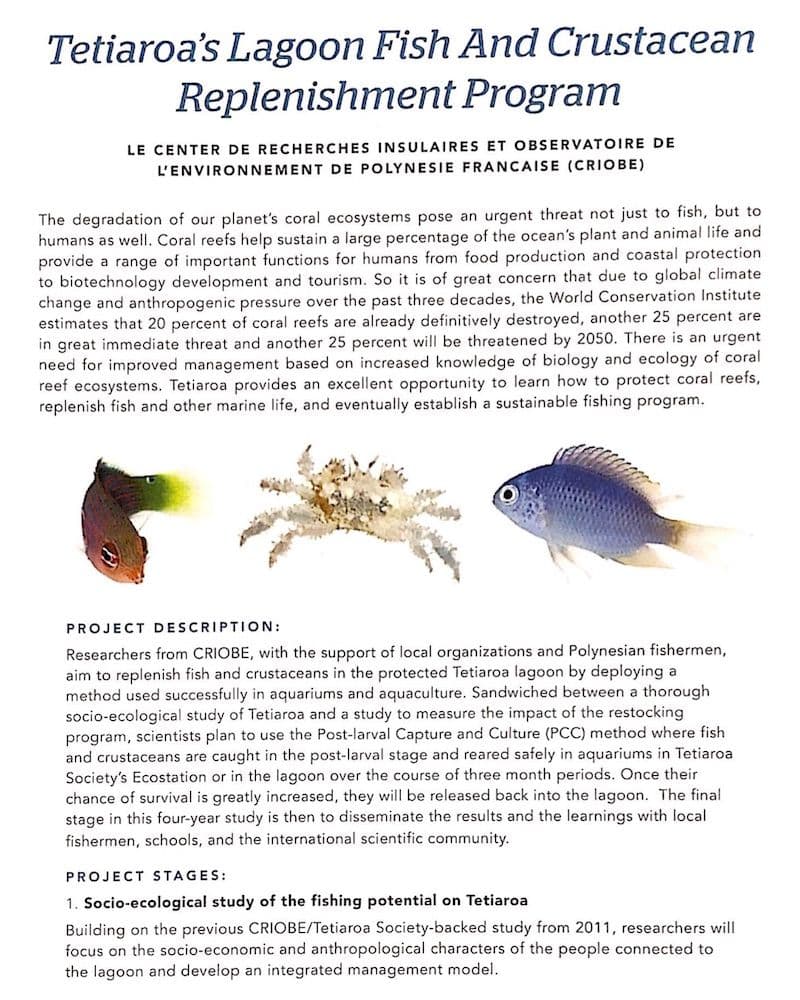
Tetiaroa's Lagoon fish and crustacean replenishment program
Report / Tetiaroa

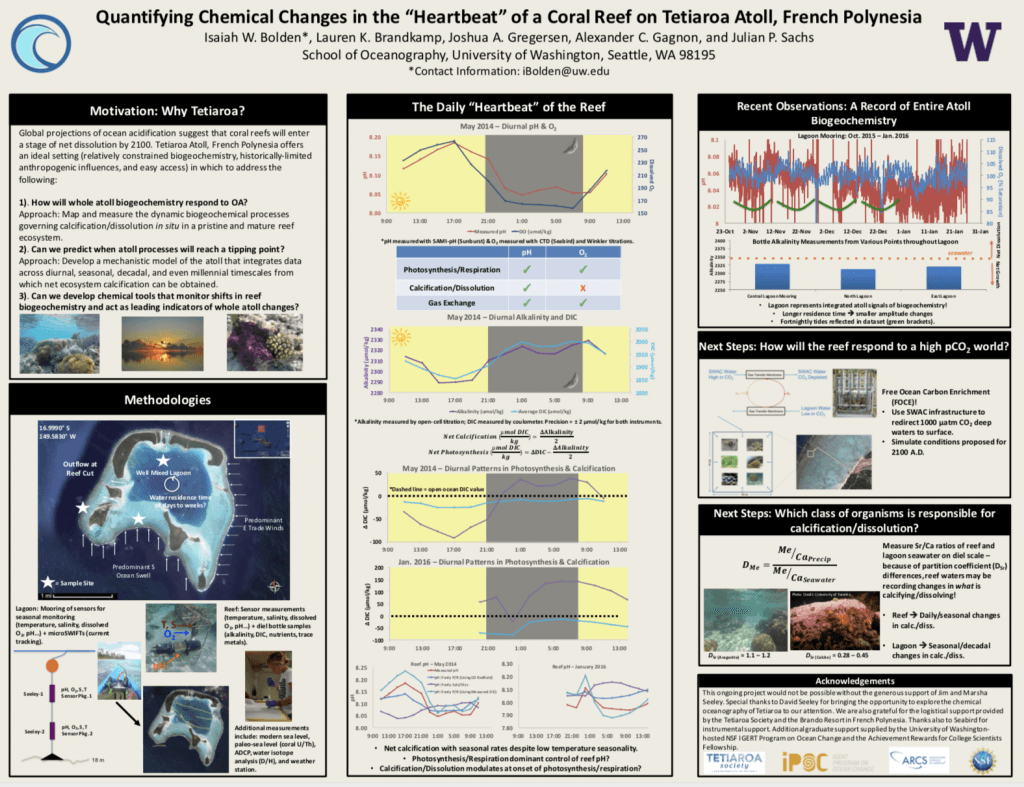
ICRS 2016 Tetiaroa Poster
Report / Tetiaroa

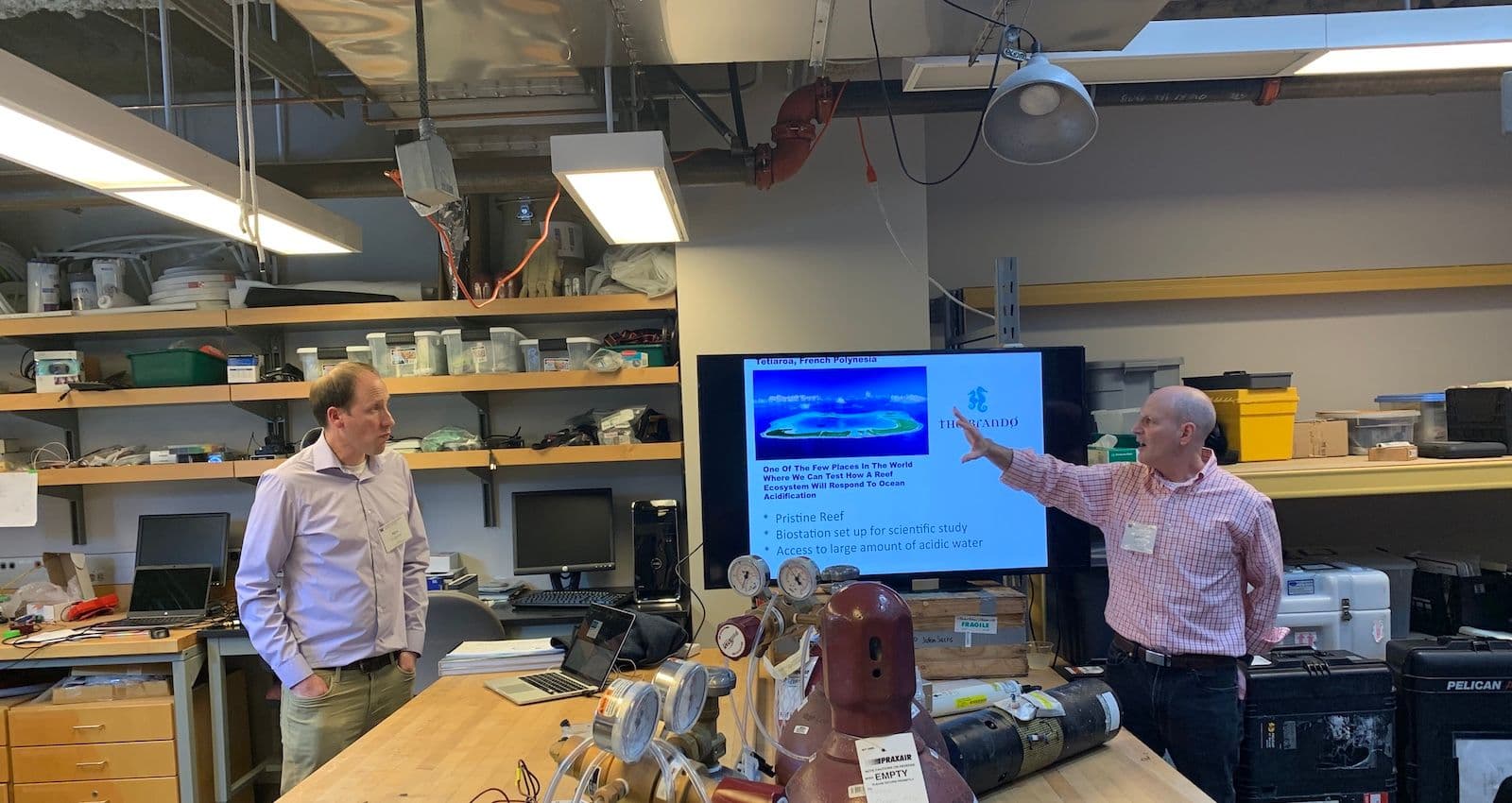
Studying the effects of ocean acidification on a pristine coral atoll
Report / Tetiaroa

Giant trevally and bonefish research program
Report / Tetiaroa

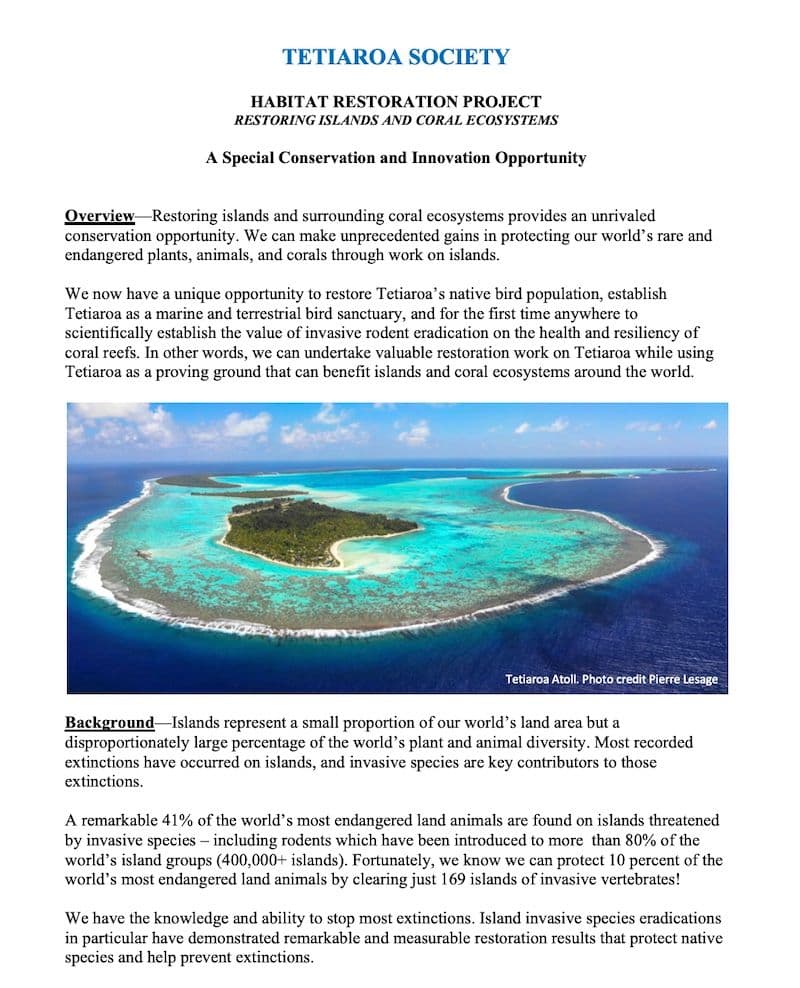
Island restoration program
Report / Tetiaroa

Tetiaroa Atoll Restoration Project - TARP
Report / Tetiaroa
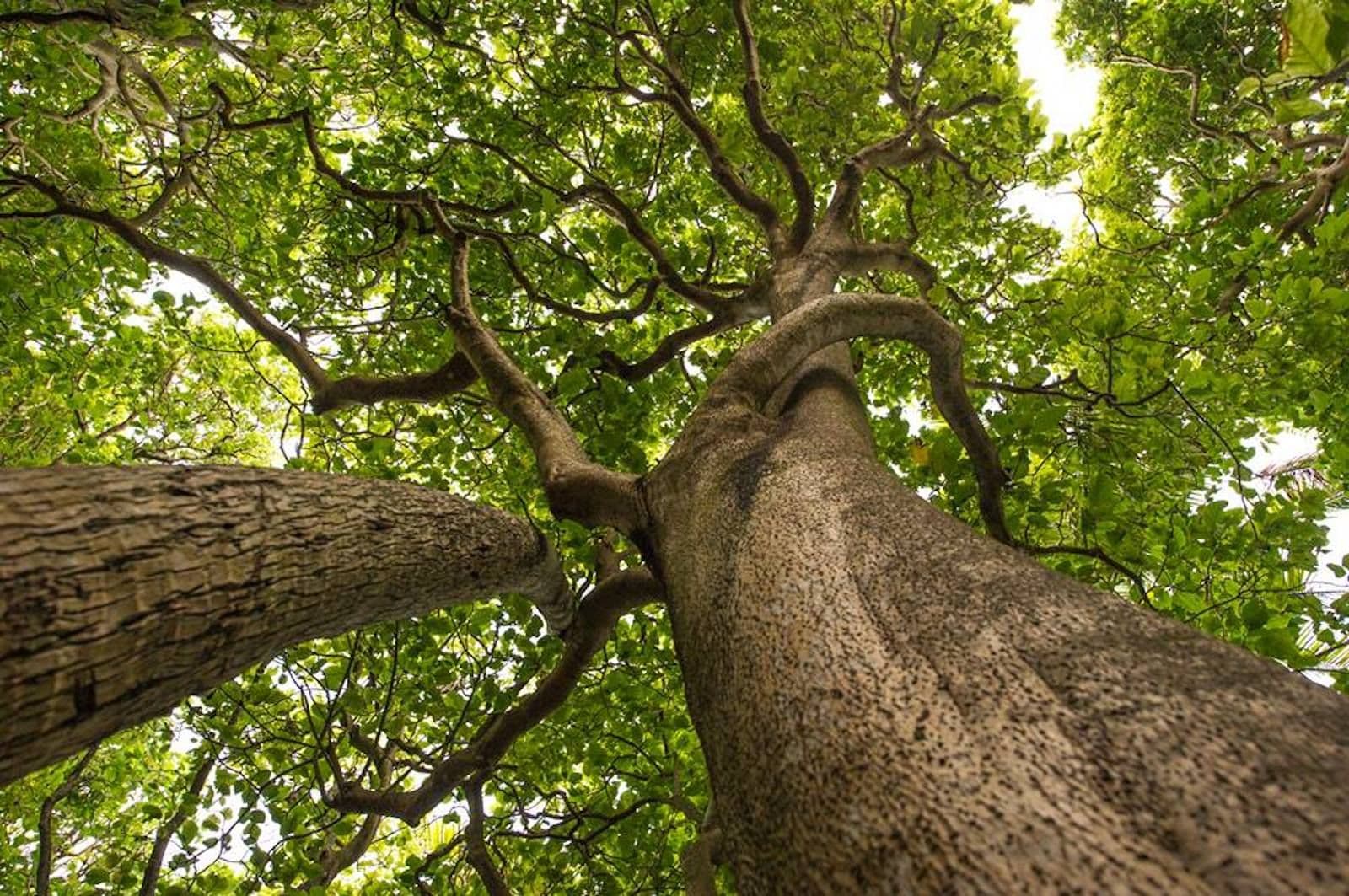
The fish poison tree is light and soft, it is a pale yellow and is used in the construction of canoes, in construction, and as fuel. Its almond-like fruit disseminates by floating, and it floats very well. Its nuts are used to catch fish since it contains a p.
Nature guide entry / Tetiaroa
There is a certain variety of bread fruit selected by the Polynesians for hundreds of years. Its fruit is a fundamental staple of the Polynesian diet. All stages of the fruits’ development can be seen on the same tree at the same time. When ready, the fruit h.
Nature guide entry / Tetiaroa

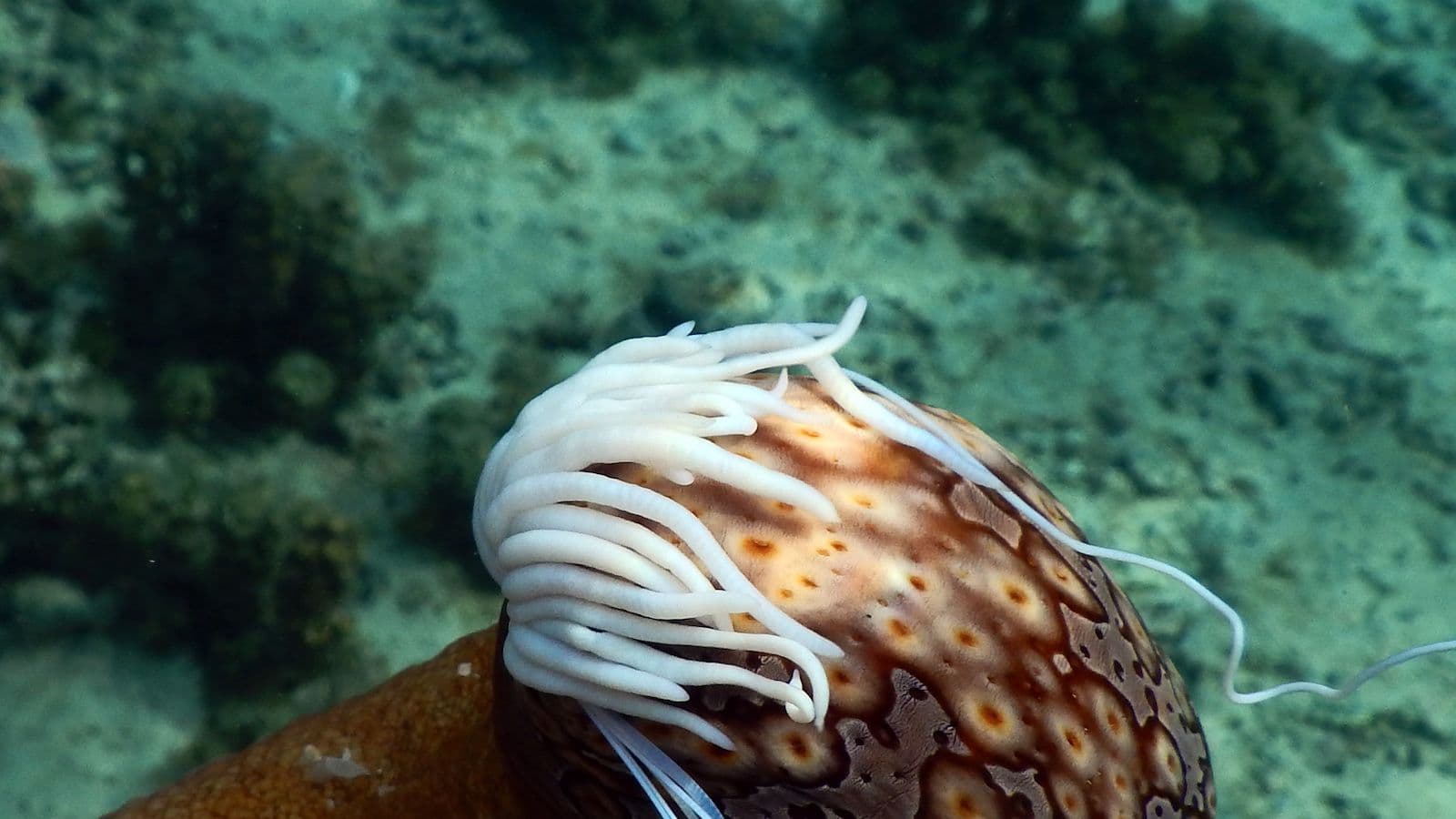
Sea cucumbers
Nature guide entry / Tetiaroa

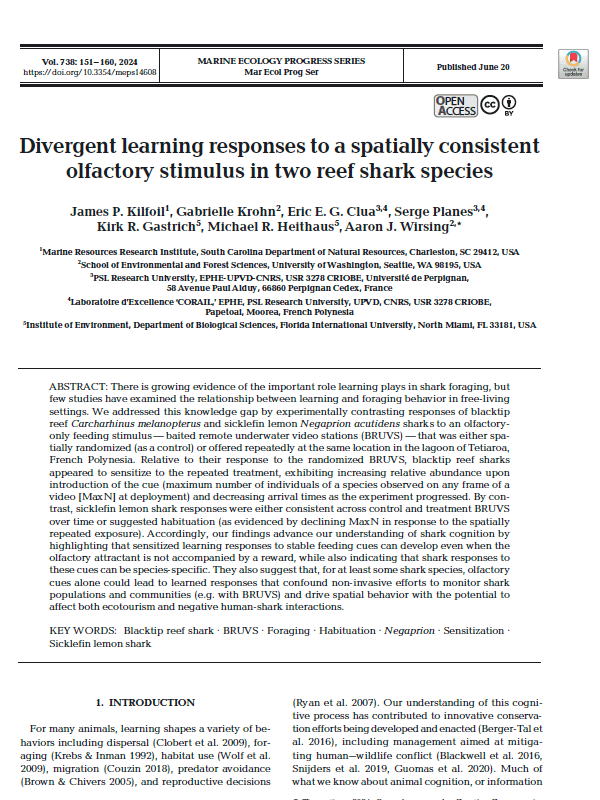
Divergent learning responses to a spatially consistent olfactory stimulus in two reef shark species
Report / Tetiaroa

96 news from the atoll p{ margin:10px 0; padding:0; } table{ border-collapse:collapse; } h1,h2,h3,h4,h5,h6{ display:block; margin:0; padding:0; } img,a img{ border:0; height:auto; outline:none; text-decoration:none; } body,#bodyTable,#bodyCell{ height:100%; m.
Newsletter / Tetiaroa

96 News from the atoll November 2018 p{ margin:10px 0; padding:0; } table{ border-collapse:collapse; } h1,h2,h3,h4,h5,h6{ display:block; margin:0; padding:0; } img,a img{ border:0; height:auto; outline:none; text-decoration:none; } body,#bodyTable,#bodyCell{..
Newsletter / Tetiaroa

96 *|MC:SUBJECT|* p{ margin:10px 0; padding:0; } table{ border-collapse:collapse; } h1,h2,h3,h4,h5,h6{ display:block; margin:0; padding:0; } img,a img{ border:0; height:auto; outline:none; text-decoration:none; } body,#bodyTable,#bodyCell{ height:100%; margin.
Newsletter / Tetiaroa

96 *|MC:SUBJECT|* p{ margin:10px 0; padding:0; } table{ border-collapse:collapse; } h1,h2,h3,h4,h5,h6{ display:block; margin:0; padding:0; } img,a img{ border:0; height:auto; outline:none; text-decoration:none; } body,#bodyTable,#bodyCell{ height:100%; margin.
Newsletter / Tetiaroa

kaveu
Nature guide entry / Tetiaroa
The Black-tip Shark (Carcharhinus melanopterus) is a species of shark of the family Carcharhinidae, easily identified by the black tips of its fins, especially on the first dorsal fin and the caudal fin. It is one of the most abundant sharks in the tropical c.
Nature guide entry / Tetiaroa
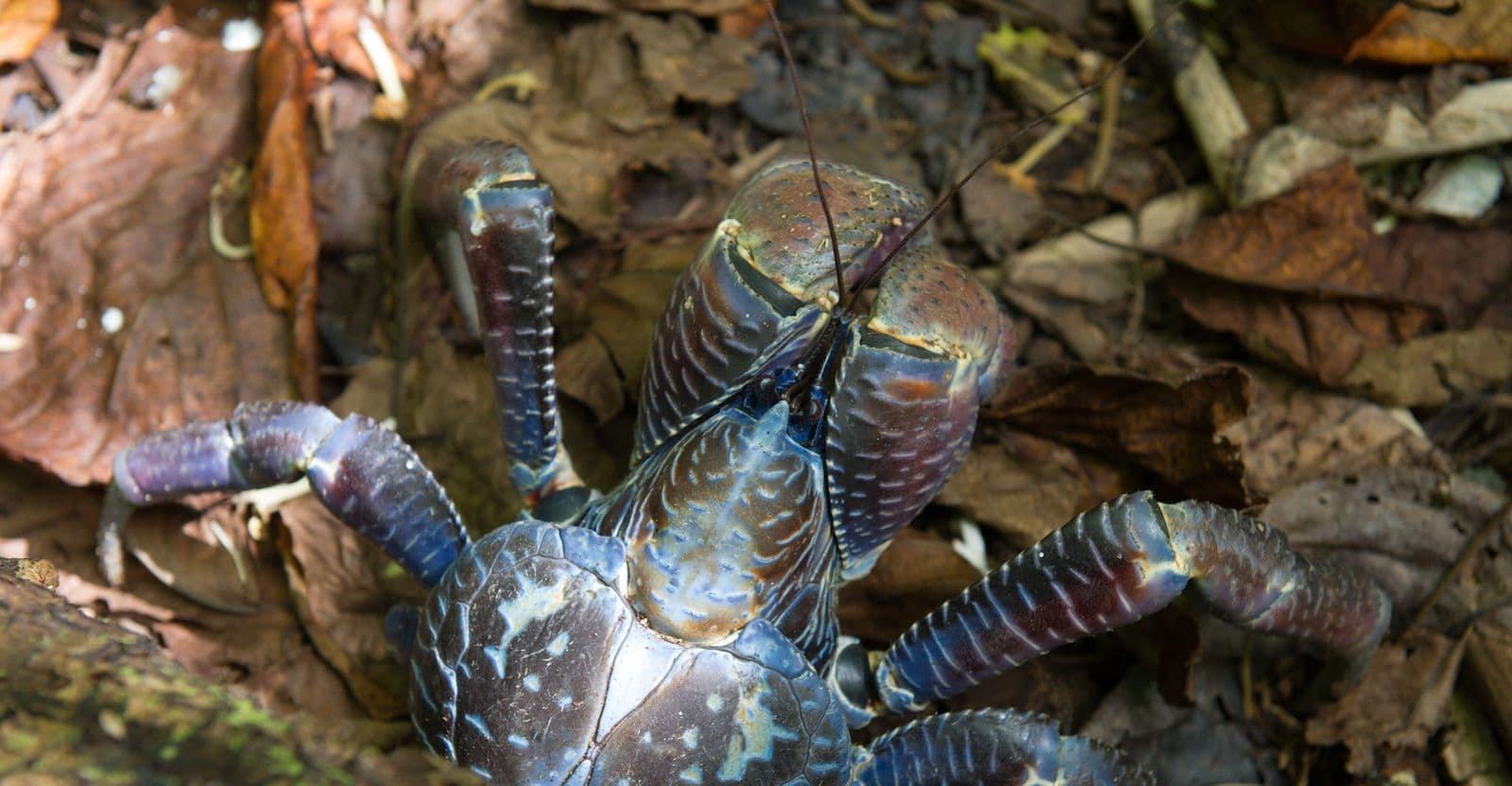
The coconut crab is the largest terrestrial arthropod in the world. An adult can measure up to 1 meter, measured by the distance between its stretched legs, and weigh 4 kg with some specimens reaching 15 kg. Generally a blue color, with some orange-brown and..
Nature guide entry / Tetiaroa
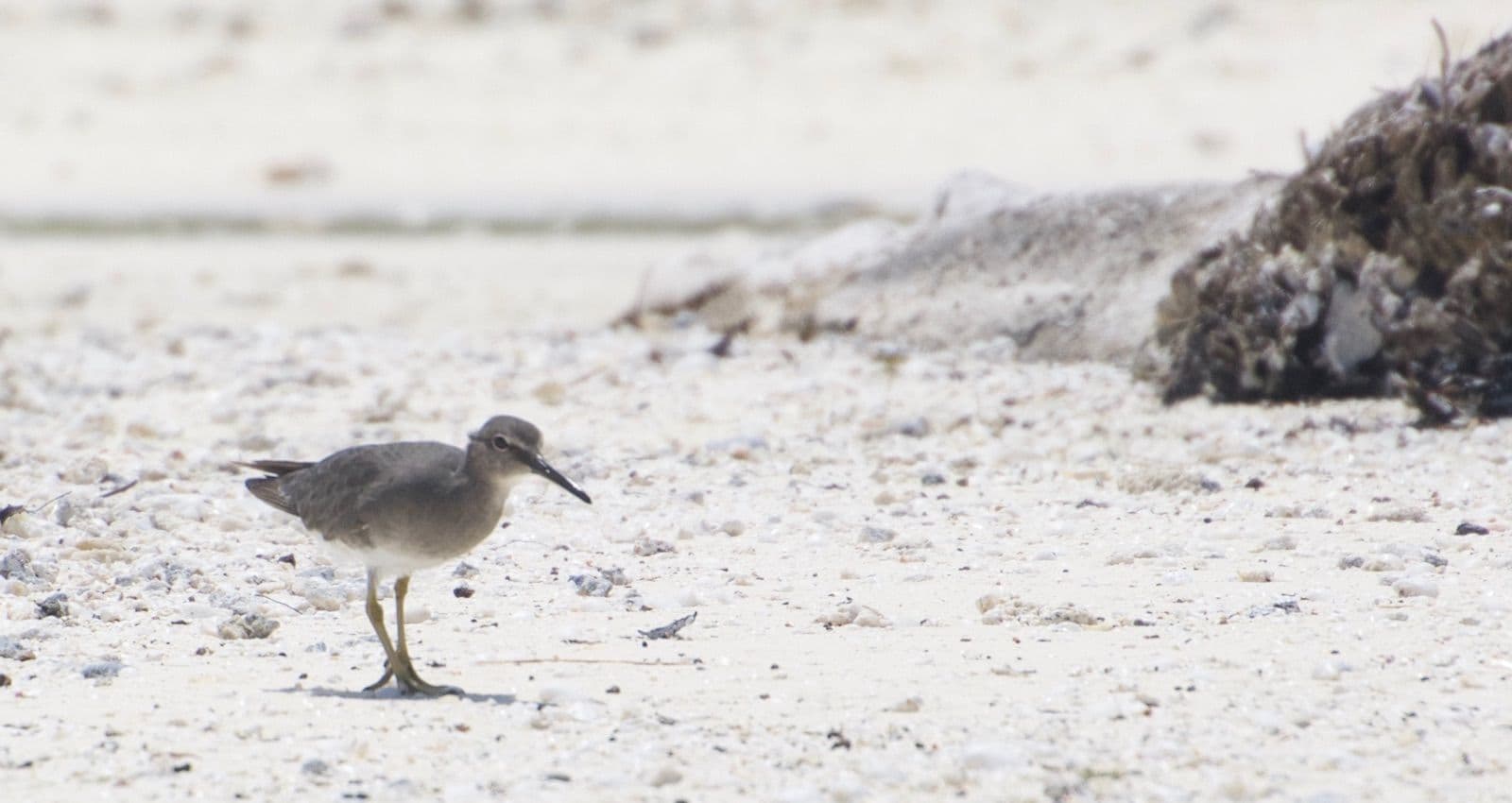
The Wandering Tattler is dark grey with a white underside when not in reproduction season. In French Polynesia it is rare to see the reproduction plumage which is grey with dark grey stripes on the neck and chest. It is a small bird with a length of 28 cm fro.
Nature guide entry / Tetiaroa
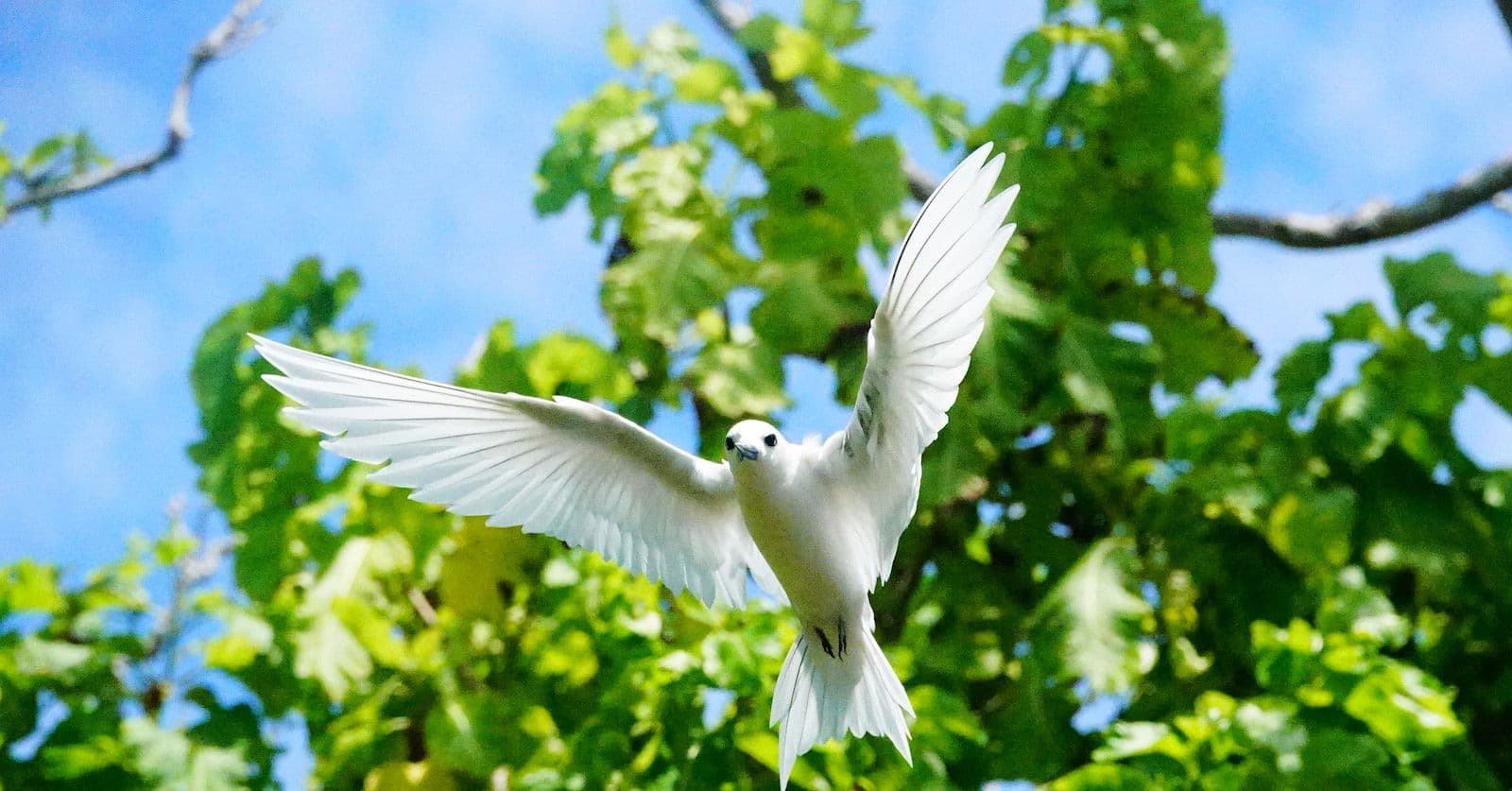
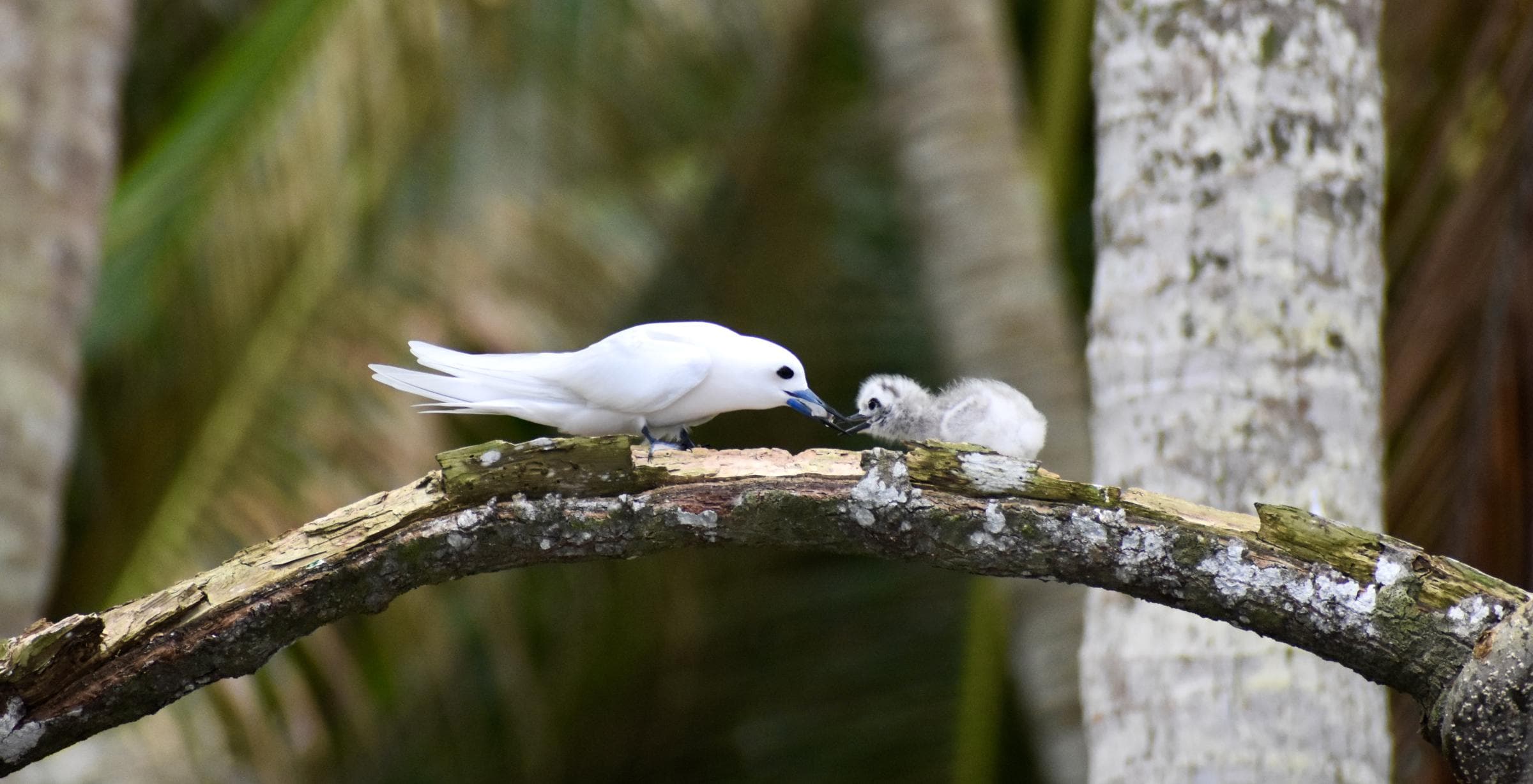
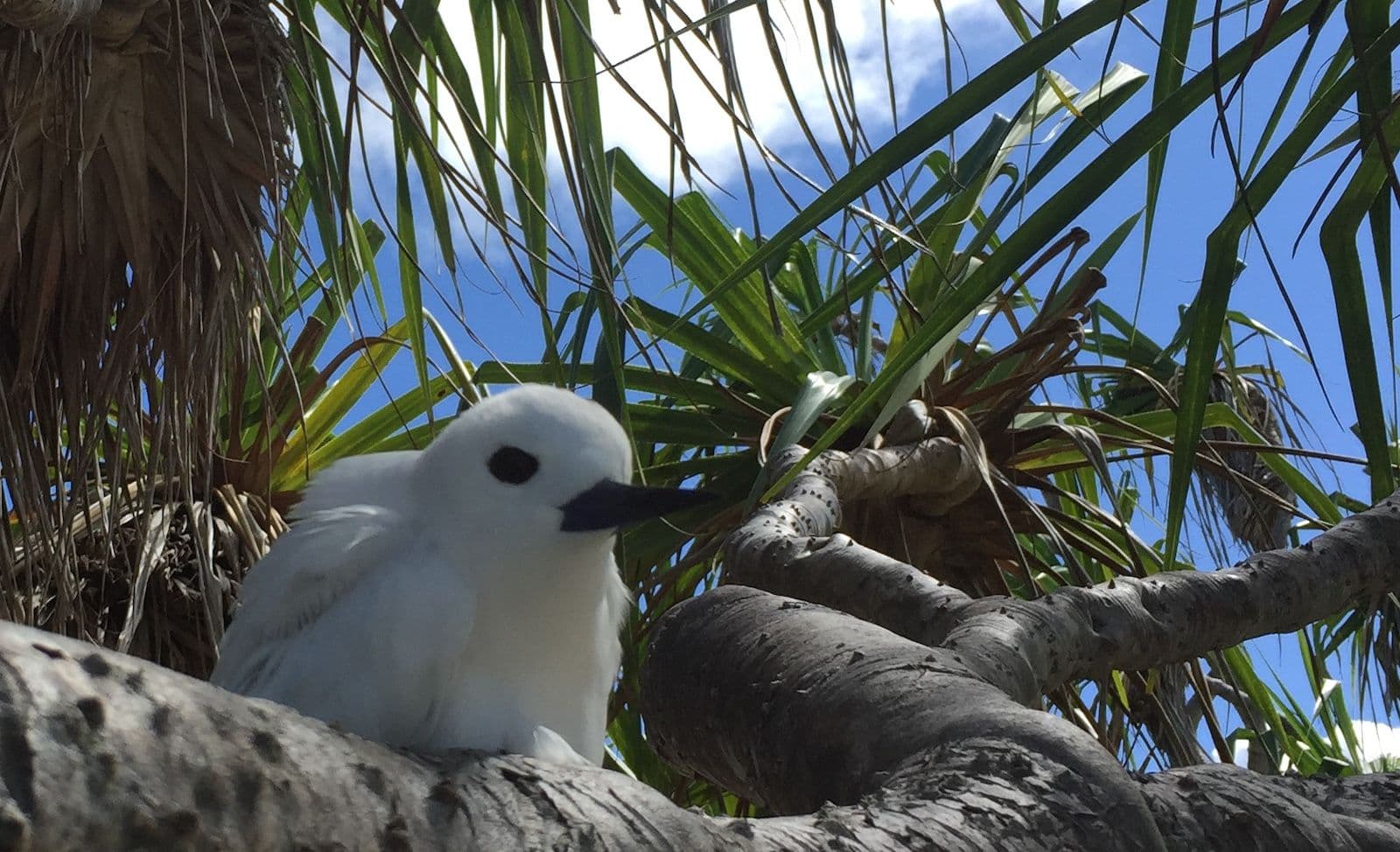
The White common Tern is completely white with a dark blue beak that becomes black at the tip. It is a smaller bird with a wingspan of 70 to 87 cm that hunts in small packs. Its diet consists mostly of small (3-10 cm) fish that are scooped from the surface an.
Nature guide entry / Tetiaroa
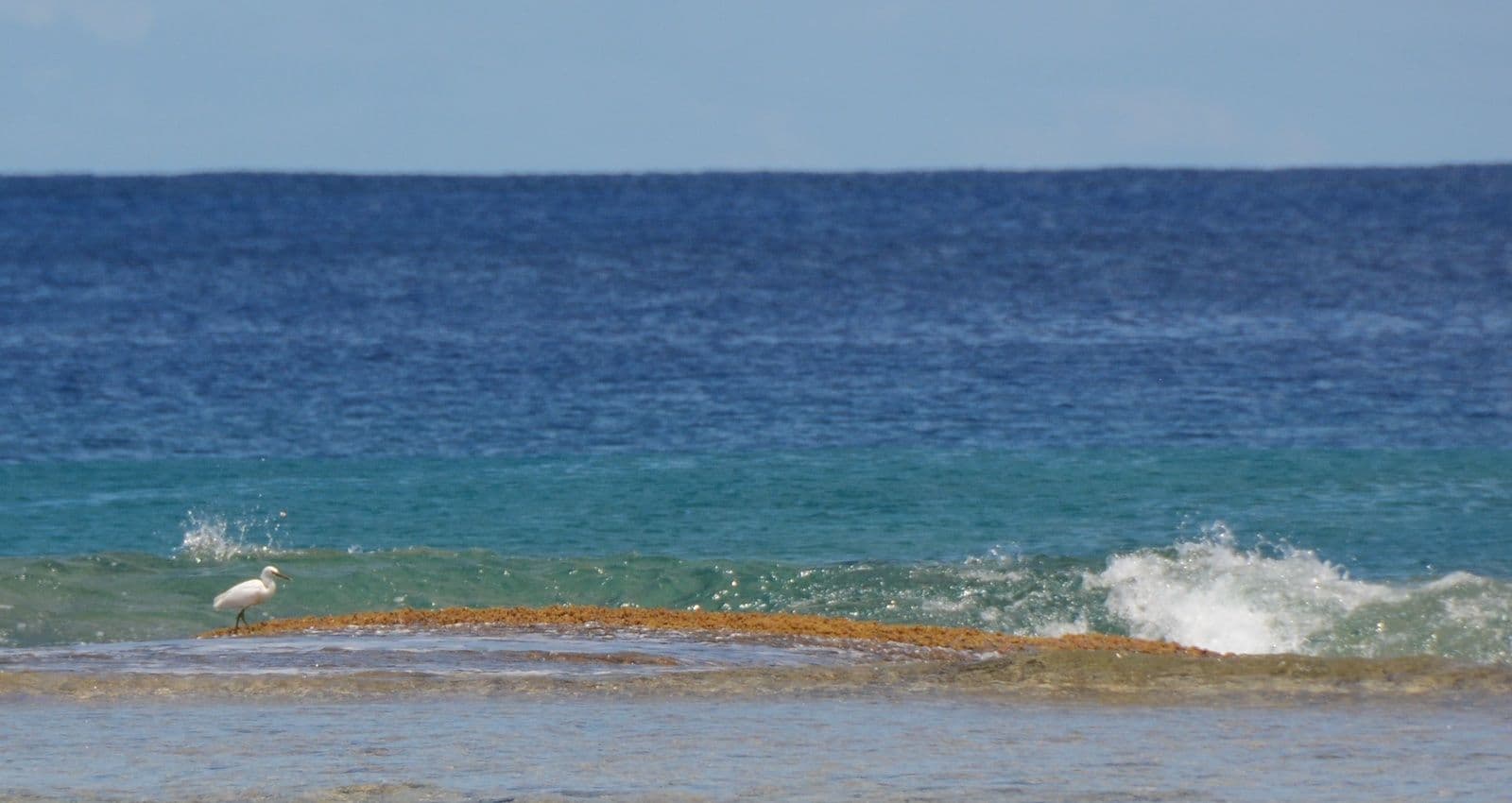
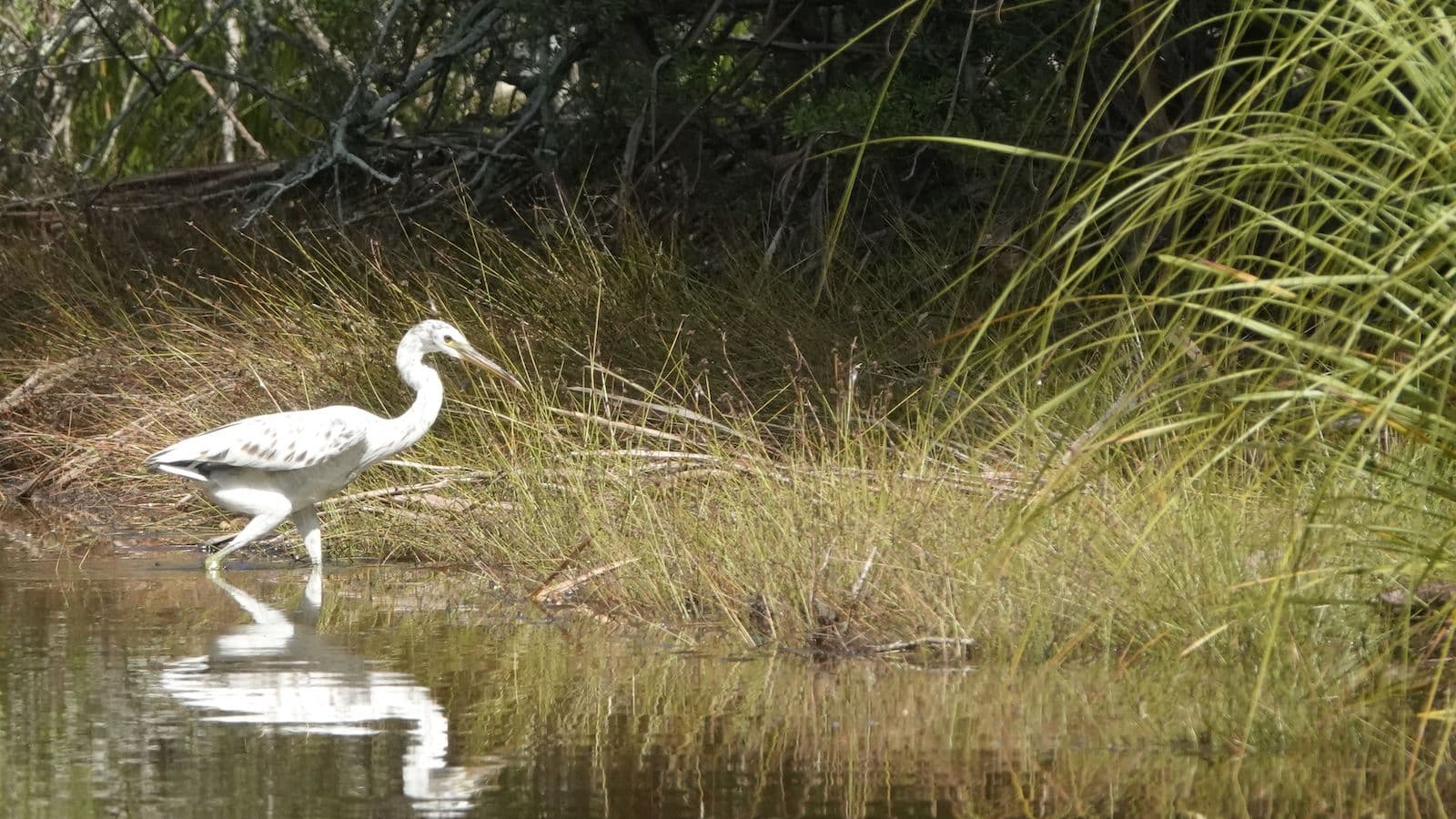
The Pacific Reef Egret is found in two different colors, dark gray or more commonly completely white. It is about 58 cm from tail to beak with yellow-green feet. It eats small fish and crustaceans as well as lizards and insects. It reproduces year-round on th.
Nature guide entry / Tetiaroa
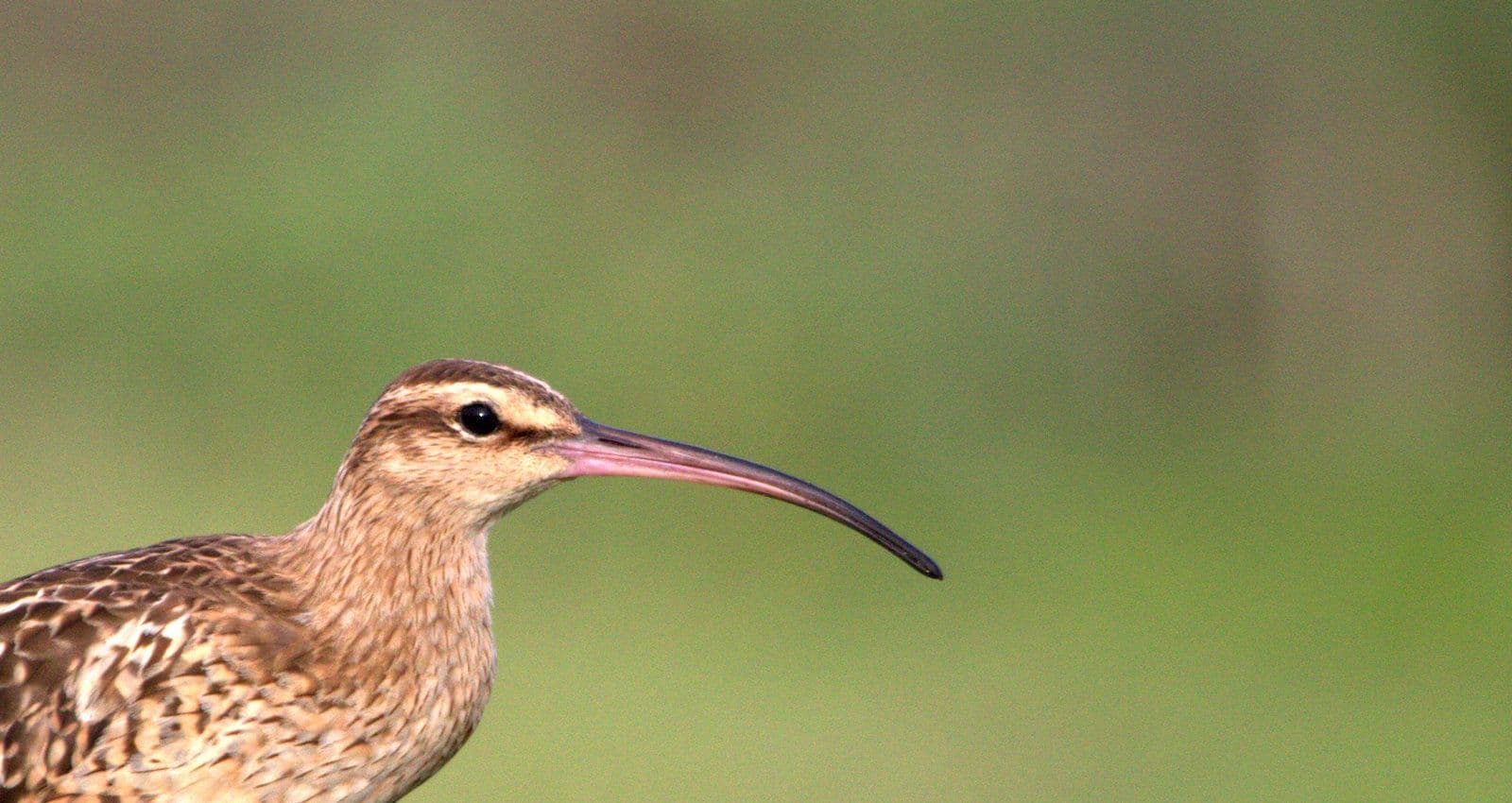
The Bristle-thighed Curlew has a length of 44 cm from the tip of its tail to the tip of its beak. It is a light brown and beige with light spots on its back. It has long blue feet and a distinct long, curved beak. This bird generally feeds on molluscs and cr.
Nature guide entry / Tetiaroa
• Roots (‘a’a) : employed in medicinal recipes to treat sprain and fractures (intern) • Trunk : used in construction, furniture, canoes... • Bark : traditional medicinal care • Leaves (ni’au) : woven to make roofs, baskets, bags, mats • Fruit : The coconut w.
Nature guide entry / Tetiaroa
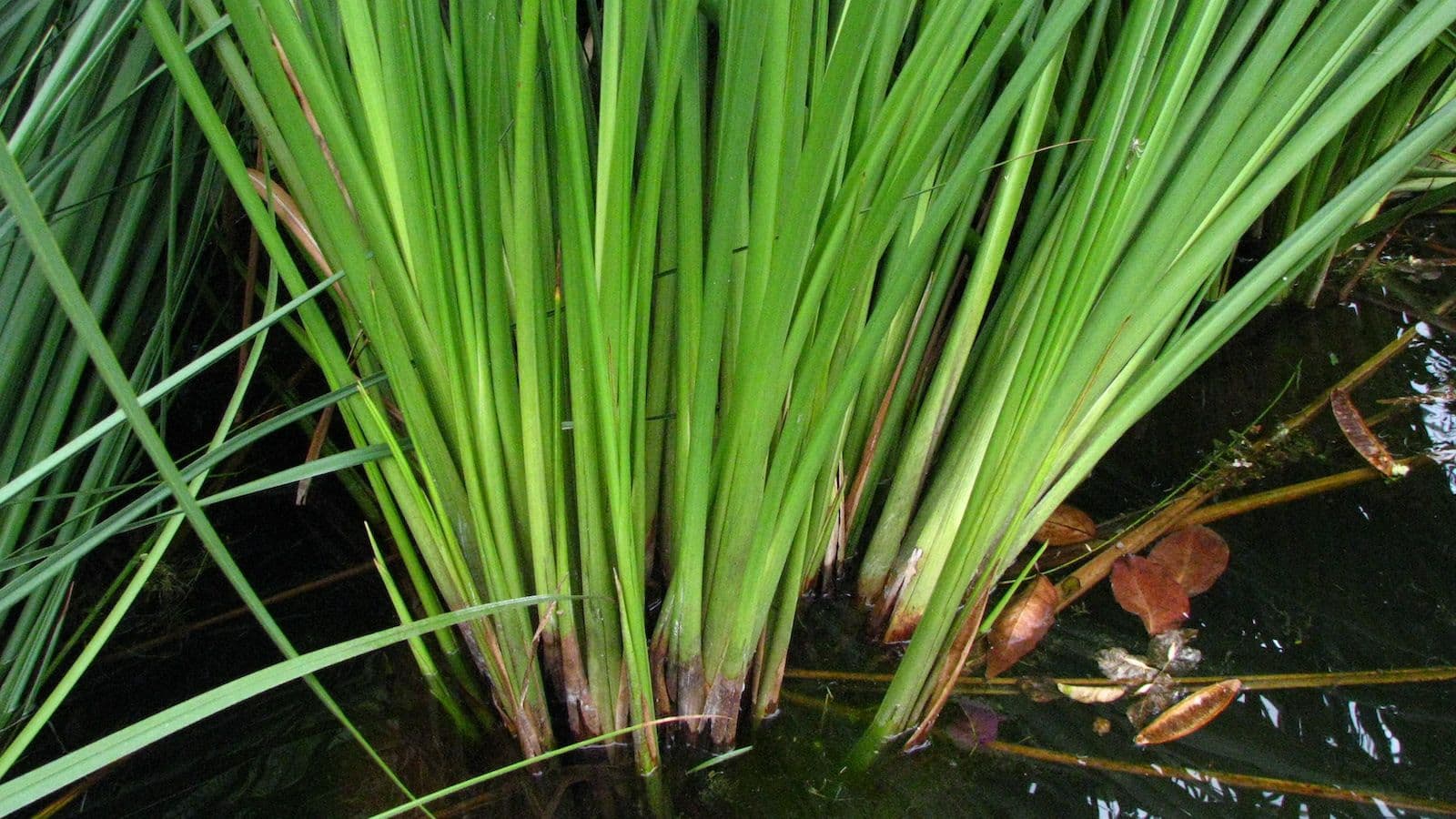
This herb is distributed and found all over the world. In Tetiaroa it grows on almost all the motu and is abundant around lakes. It can grow up to 1.5 m (5 ft) long and indicates marshy areas. It was once used by Polynesians to find fresh water. On other Paci.
Nature guide entry / Tetiaroa
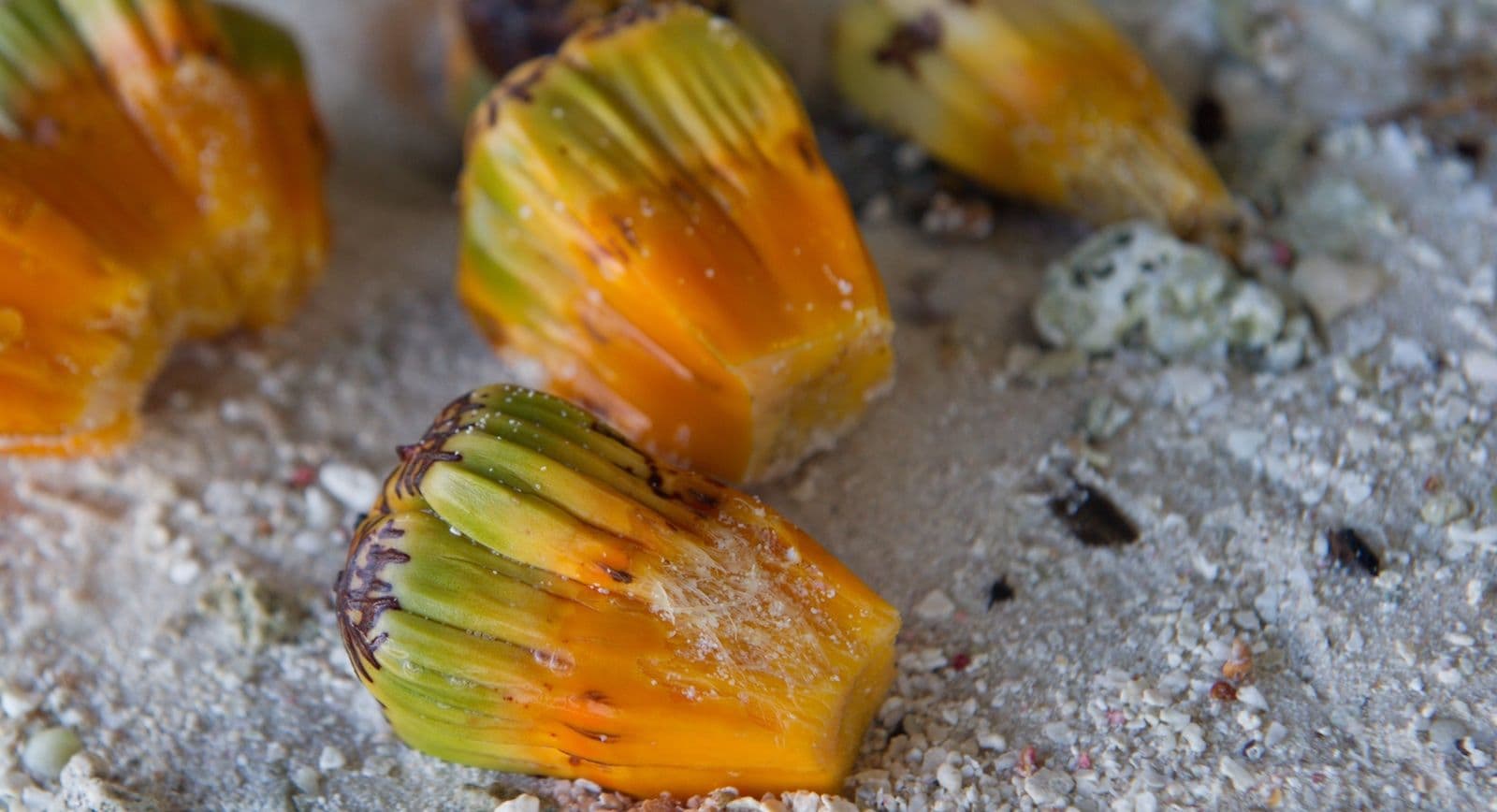
This is one of the most common and useful native plants throughout the five Polynesian archipelagos. Many varieties exist in French Polynesia but the seaside species, Pandanus tectorius var. tectorius (with spines) is the most abundant is these islands. The v.
Nature guide entry / Tetiaroa
The name of this tree comes from its leaves since they were eaten as a salad or cooked. The Cabbage Tree is a coastal tree and can form dense forests on islets. Cabbage Trees grow up to 25 meters high and are a preferred habitat for some species of seabirds...
Nature guide entry / Tetiaroa

Sooty terns
Nature guide entry / Tetiaroa
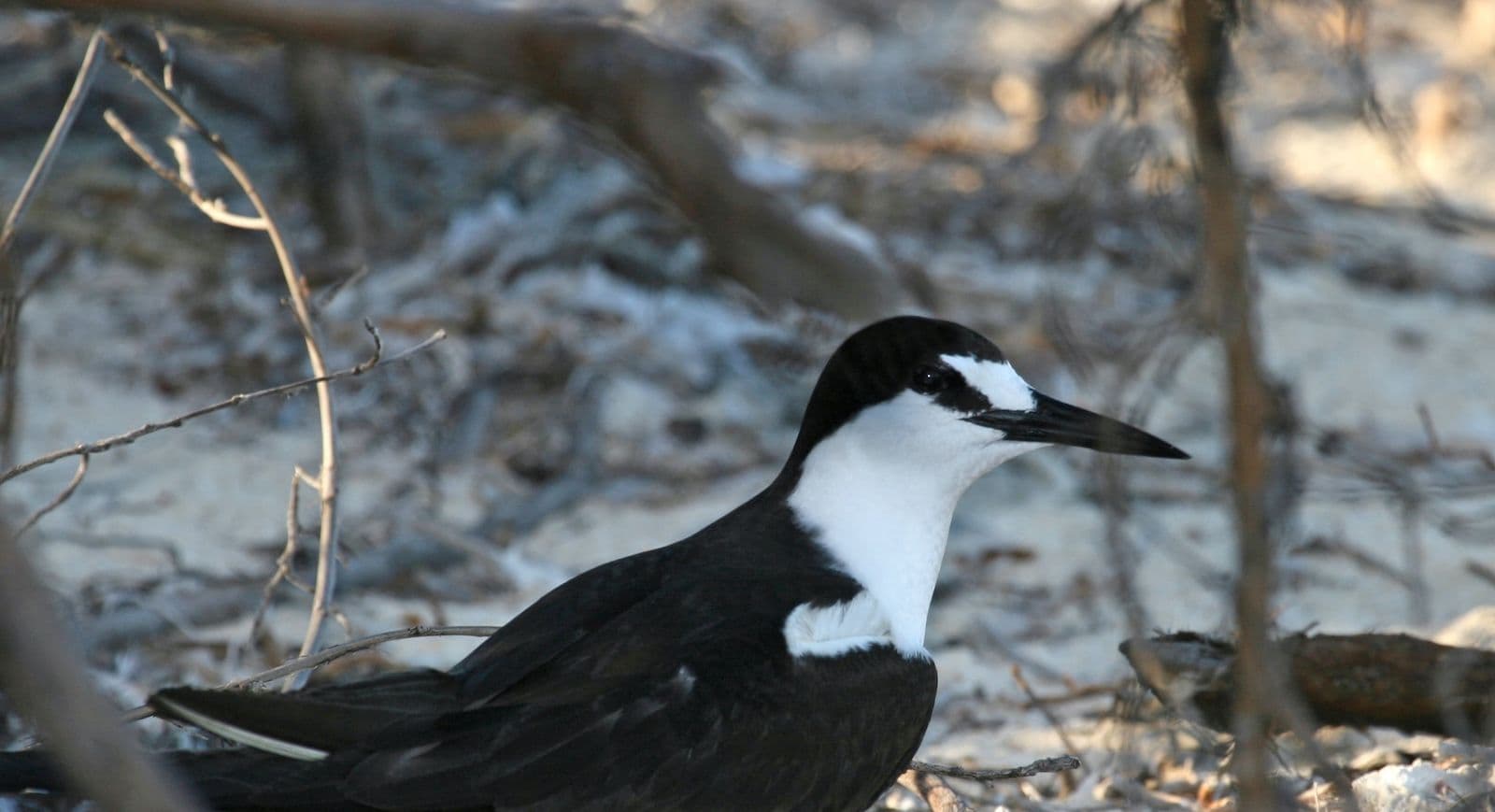
The Sooty Tern is a black bird with a white underside. It has a black lines on either side of the head that extend from the top of the head, over eye, to the beak like a mask. It has a deeply forked tail with a wingspan of 86 to 94 cm. These birds fly long di.
Nature guide entry / Tetiaroa

96 News from the Atoll | May 2022 p{ margin:10px 0; padding:0; } table{ border-collapse:collapse; } h1,h2,h3,h4,h5,h6{ display:block; margin:0; padding:0; } img,a img{ border:0; height:auto; outline:none; text-decoration:none; } body,#bodyTable,#bodyCell{ hei.
Newsletter / Tetiaroa

96 News from the Atoll | April 2021 p{ margin:10px 0; padding:0; } table{ border-collapse:collapse; } h1,h2,h3,h4,h5,h6{ display:block; margin:0; padding:0; } img,a img{ border:0; height:auto; outline:none; text-decoration:none; } body,#bodyTable,#bodyCell{ h.
Newsletter / Tetiaroa
The Olive Ridley turtle is the smallest of the sea turtles and is one of the five species that can be found in French Polynesia. Its carapace is olive (which is at the origin of its name) and heart shaped. It is widespread in the Indo-Pacific and Atlantic exc.
Nature guide entry / Tetiaroa

96 News From the Atoll February 2019 p{ margin:10px 0; padding:0; } table{ border-collapse:collapse; } h1,h2,h3,h4,h5,h6{ display:block; margin:0; padding:0; } img,a img{ border:0; height:auto; outline:none; text-decoration:none; } #bodyTable,#bodyCell{ heigh.
Newsletter / Tetiaroa

96 *|MC:SUBJECT|* p{ margin:10px 0; padding:0; } table{ border-collapse:collapse; } h1,h2,h3,h4,h5,h6{ display:block; margin:0; padding:0; } img,a img{ border:0; height:auto; outline:none; text-decoration:none; } body,#bodyTable,#bodyCell{ height:100%; margin.
Newsletter / Tetiaroa

96 "News from the Atoll | November 2023" p{ margin:10px 0; padding:0; } table{ border-collapse:collapse; } h1,h2,h3,h4,h5,h6{ display:block; margin:0; padding:0; } img,a img{ border:0; height:auto; outline:none; text-decoration:none; } body,#bodyTable,#bodyCe.
Newsletter / Tetiaroa

96 News from the Atoll p{ margin:10px 0; padding:0; } table{ border-collapse:collapse; } h1,h2,h3,h4,h5,h6{ display:block; margin:0; padding:0; } img,a img{ border:0; height:auto; outline:none; text-decoration:none; } body,#bodyTable,#bodyCell{ height:100%; m.
Newsletter / Tetiaroa

Crabs are really cool They are part of a group of animals called Arthropods that account for 80% of all animal species. Find out what they are up to on Tetiaroa
From the Archive / Tetiaroa
The strawberry hermit crab is an arthropod from the Coenobitidae family, like the coconut crab. It is called the strawberry hermit crab because of its color, which can range from orange to black, passing through an entire palette of reds, even bright red. It..
Nature guide entry / Tetiaroa

So our vision of Tetiaroa as a sanctuary for native species is already becoming a reality. This is cause for celebration. Read the happy stories
From the Archive / Tetiaroa
The runner crab is a common crab in French Polynesia and is found all over the tropics. We can run into it on the waterfront in zones exposed to the waves. It is very common on rocky beaches. It can run very fast and jump from rock to rock, and can be fun to..
Nature guide entry / Tetiaroa
The octopus is a highly developed marine mollusc. It has three hearts—one pumps blood through the body and the other two pump blood through the gills. Researchers consider octopuses to be the most intelligent invertebrates—maybe as intelligent as a house cat.
Nature guide entry / Tetiaroa
This is an extremely common crab in French Polynesia and is well known for being edible. However, before consuming this crab, it must be fed for a bit otherwise it could have a slight aftertaste. This is explained by its herbivore diet that occasionally can s.
Nature guide entry / Tetiaroa
The Slate Pencil Urchin is identifiable by its thick spines, hence its name “pencil”. Their sizes vary wildly. Their colors vary from pale green to violet. Just like common sea urchins, the inferior part of the body houses the jaw and the anus is on top. It l.
Nature guide entry / Tetiaroa
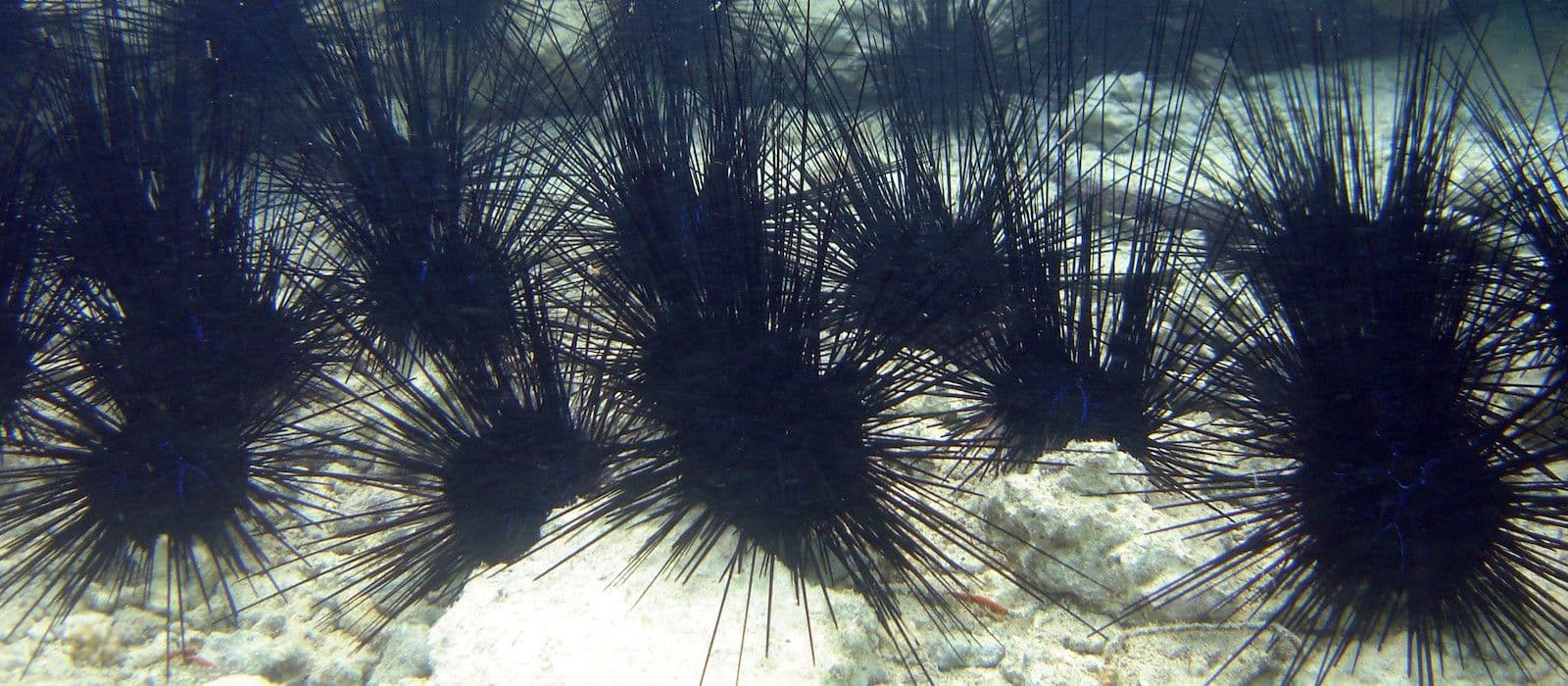
The long-spined sea urchin, like all sea urchins, has a rigid limestone body, perforated with several holes. It is primarily black and recognizable by its long spines, that resemble long needles. It has a jaw with five powerful teeth, called “Aristotle’s lant.
Nature guide entry / Tetiaroa
The sea cucumber is present in lagoons on sandy floors. Some eat particles in suspension in the water, other are detritivores. They swallow large quantities of sand, and this is part of their role as filterers. They are able to reproduce without gametes: it d.
Nature guide entry / Tetiaroa
This sea urchin is globulous with small spines and is green, white, red, or orange. We can find it in the lagoon, flats rich in algae, and seagrass beds between 3 and 250 feet deep. It is an herbivore that eats mostly algae and marine plants. It is closely li.
Nature guide entry / Tetiaroa
Crown-of-thorns starfish are beautiful, prickly and devastating creatures that have caused mass destruction on some of the world's most beautiful coral reefs. One of the most noticeable features of the crown-of-thorn starfish is their spines, which may be up..
Nature guide entry / Tetiaroa
The sea anemone is the exclusive home of clownfish and can house up to 12. The specific sea anemone is kept track of thanks to its scent. The sea anemone has tentacles in the form of fingers that are up to 3 in (8cm) long. It is monochrome and ranges from ora.
Nature guide entry / Tetiaroa
We find fire coral in shallow waters (between 3 and 100 feet deep) in the Indo-Pacific and the Red Sea. We know of 50 species of fire coral. They form colonies in the shape of domes fixed on the substrate and are green, cream, or yellow. It eats thanks to its.
Nature guide entry / Tetiaroa
The knob-horned coral is a red-rose branching coral with “warts” of different sizes. The coral’s skeleton is what gives its color. This coral is present in shallows (between 0-66 feet or 0-20 m), in sheltered areas with clear water. It has a medium growth rat.
Nature guide entry / Tetiaroa
It is the most common specie in the shallow coral environment, on flats, or on fringing reefs. Its growth is very fast: 8 in/yr in some species. It grows in plates or in branches. It seeks light for its symbiotic algae and also consumes fine particles that th.
Nature guide entry / Tetiaroa
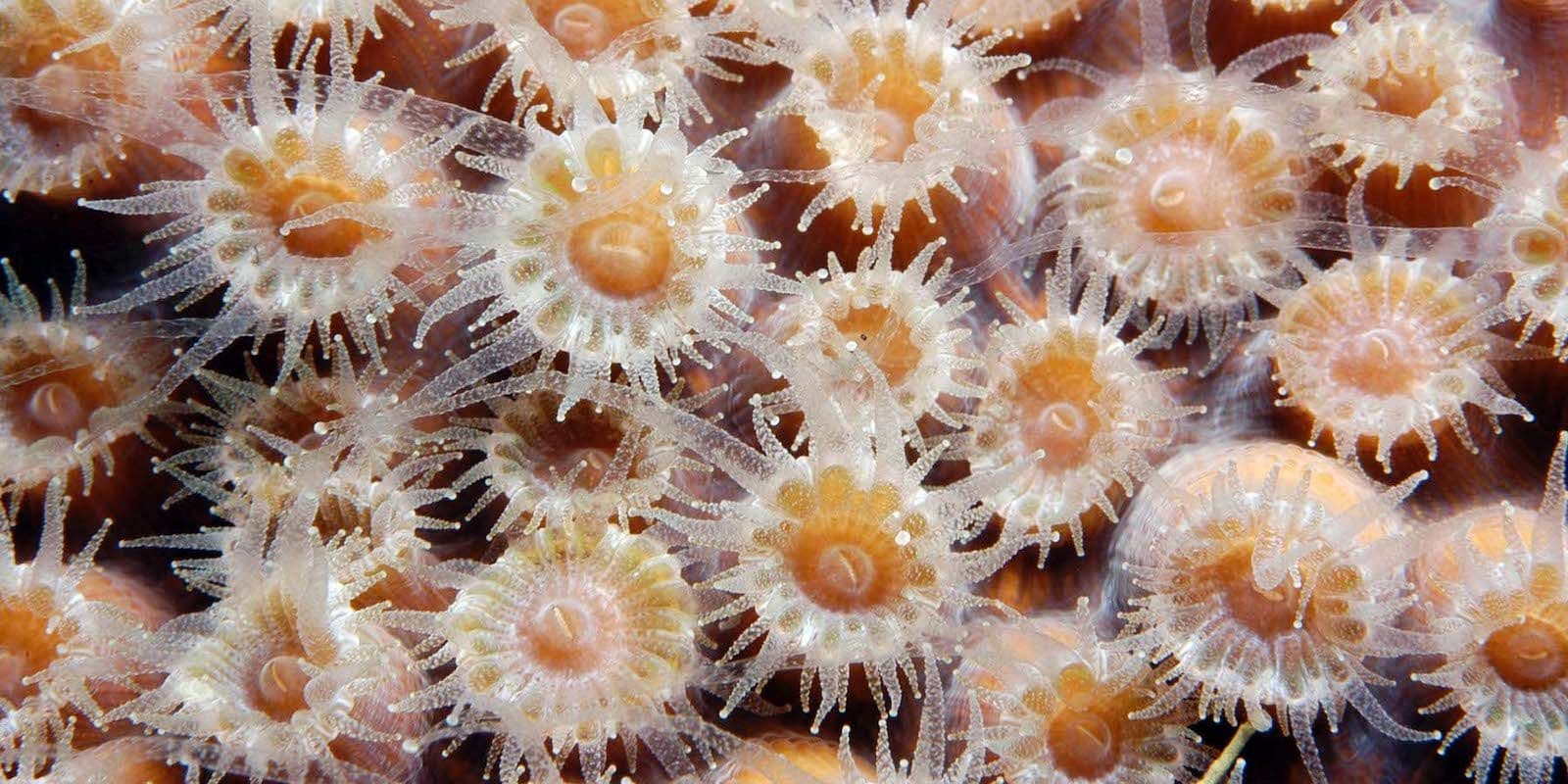
A coral is composed of a colony of many polyps that live in symbiosis with zooxanthellae. This specie of coral grows slowly, about 0.3 in (8 mm) per year. It eats fine particles produced by the algae in symbiosis or prey captured by their nets made of mucus o.
Nature guide entry / Tetiaroa
We find this cowrie in the Caribbean sea, Indian Ocean, and the Pacific Ocean. It lives at the surface and down to 66 feet deep. It is a very small shell that measures barely 1.2 in (3 cm). Its shell is somewhat flat and irregular with large edges. It is a pa.
Nature guide entry / Tetiaroa
The tiger cowrie is a large, white, shell spotted with black or brown its black and white mantle that can completely cover the shell. This animal has long taste buds and eats mollusks and sponges. We can find this cowrie in the lagoon and on the external slop.
Nature guide entry / Tetiaroa
This small nerite likes hard substrates, between 0 and 23 feet deep. It is present in all the Indo-Pacific zone. It rarely gets larger than 1.2 in (3cm) large. Its shell is spiral and striped, cream colored, and sometimes spotted with black spots. It is edibl.
Nature guide entry / Tetiaroa
This mollusc is very common in Polynesia and has some of the most beautiful colors in the water, much to the delight of divers. Its colors come from tiny algae called zooxanthellae, that they absorb into their tissue. Thanks to this algae, it can produce its..
Nature guide entry / Tetiaroa
The Trochus sea snail was introduced from New Caledonia and the Vanuatu in 1957 and 1958 to harvest the mother of pearl. This mollusc eats very small algae that it harvests while grazing on coral and rocks. It likes coral heads and coral flats in shallow area.
Nature guide entry / Tetiaroa
This terrestrial crab is in the same family as the thin shelled rock crab. However, this crab is less adapted to the beaches and is more often found in the interior of the motu of Tetiaroa. It is quite common in the Indo-Pacific. It is yellow-brown with irreg.
Nature guide entry / Tetiaroa
Red Spotted Coral Defender Crab
Nature guide entry / Tetiaroa
This hermit crab is the most common one that one can encounter in the Indo-Pacific. That being said, it is rather rare to come across it on Tetiaroa. It is recognizable by its two black spots present under its ocular pedicles which are laterally compressed, a.
Nature guide entry / Tetiaroa
The forest hermit crab is a species that inhabits, like its name indicates, the dark forests close to the coast. It is the most terrestrial of all hermit crabs of the genus. One can sometimes find it without its shell, and it can even take pierced Tamanu nuts.
Nature guide entry / Tetiaroa
This hermit crab is one of the largest that one can encounter on Tetiaroa. It is widespread in the Indo-Pacific. One essentially finds them in the interior of the motus in grassy or forest environments, but at times, one can also come across them on the beach.
Nature guide entry / Tetiaroa
Vanilla x tahitensis, or Tahitian Vanilla is a hybrid between the Vanilla planifolia and Vanilla pompona (“vanillin”). It was introduced to Tahiti in 1848 by the Admiral Hamelin. In the 1950s, the second largest producer of vanilla was French Polynesia behind.
Nature guide entry / Tetiaroa
These 4 to 10 ton animals measure 15 to 27 feet (5 to 9 meters). They eat fish an crustaceans. The orca is rare in French Polynesia and therefore typical pods consist of 2 to 6 individuals. These whales breed throughout the yea and favor deep waters and the o.
Nature guide entry / Tetiaroa
The Cuvier's beaked whale typically has a social group of 2 to 5 individuals. The groups which are observed around our islands are usually composed of one or two males accompanied by several females with or without their young. They are found in the waters o.
Nature guide entry / Tetiaroa
The Risso’s dolphin has a young every 2 to 4 years. It’s diet consists essentially of squids and little fishes. They are usually in groups of 2 to 20 individuals. Older dolphins seem completely white due to the accumulation of depigmentation scars. Present i.
Nature guide entry / Tetiaroa
Spinner dolphins nurse their pups for 24 months. Their diet is comprised of cuttlefish, shrimp, octopus, lantern fish, squids that are hunted at night (at 655-790 ft deep) during dives that can last 15 min. Their jaws contain many teeth, up to 250. Spinner do.
Nature guide entry / Tetiaroa
Rough-toothed dolphins are found year round in the waters of the Tuamotu and Society Islands. Each island has a genetically distinct population. Some individuals have became competitors of long-line fishermen, as they have learned how to release bait from the.
Nature guide entry / Tetiaroa
Little is known about this whale. It’s one of the most common of all the species of Mesoplodon. Blainville-beaked whale feeds on cephalopods and small fish. Social groups comprised of 2 to 8 individuals. Present in all archipelagos
Nature guide entry / Tetiaroa
Short-finned pilot whales are larger members of the dolphin group reaching average lengths of 12 feet (3.7 m) for females and 18 feet (5.5 m) for males with maximum male size of 24 feet (7.3 m). Adult weight is 2200 to 6600 pounds (1000 to 3000 kg). They have.
Nature guide entry / Tetiaroa
These rays can be up to 100 cm in width. It is intertidal and found in water 200 m from the beach, and maybe even more. It usually rests on sandy bottoms adjacent to reefs. It feeds on crustaceans and probably small fish. The Tahitian stingray may have a pref.
Nature guide entry / Tetiaroa
Spotted eagle rays have flat disk-shaped bodies, are deep blue or black with white spots on top with a white underbelly, and distinctive flat snouts similar to a duck's bill. Their tails are longer than those of other rays and may have 2–6 venomous spines jus.
Nature guide entry / Tetiaroa
Manta rays live in temperate, subtropical and tropical waters. They are pelagic. M. birostris migrates through the free waters of the oceans, alone or in groups. It feeds on the large quantities of zooplankton in suspension. The gestation of the manta ray las.
Nature guide entry / Tetiaroa
The lemon shark is essentially piscivorous. Its jaw and teeth extend in several rows (two to three are operational, out of a total of twenty-seven to thirty-three rows) which allow it to seize and swallow its prey directly. It feeds mainly on benthic fish, bu.
Nature guide entry / Tetiaroa
Females and juveniles are black with white highlights. Males are a dark blue/violet with orange spots outlined in black. It mostly lives in cavities in the external slope. It is rarely in the lagoon but has been observed in Tetiaroa’s lagoon. it is territoria.
Nature guide entry / Tetiaroa
This fish looks like a box. Its color varies from a bright yellow for juveniles to pale yellow for adults. It is present in speckled in black in both stages. Its mouth is filled with small incisors. It has large eyes placed high on its head. It principly eats.
Nature guide entry / Tetiaroa
This is the biggest triggerfish, and can reach up to 33.5 in (85 cm) long. Its greenish body has a yellow tail with a white throat and caudal peduncle. Its large scales are well defined and powerful dentition that allow it to eat coral, crustaceans, and mollu.
Nature guide entry / Tetiaroa
This unicornfish varies from green to brown. It has scalpels and blue lips. its horns never go past its muzzle. Adults have a truncated tail with two filaments at the ends. It lives between 3 and 600 feet deep along the exposed reefs. It primarily eats leafy.
Nature guide entry / Tetiaroa
This surgeonfish has a rounded silhouette. Its grey-brown body has three thick, white bands on the front of its body and white points on the back. Its pelvic fins are yellow, its tail black and yellow. This fish is found along the rocky shores and in furrows..
Nature guide entry / Tetiaroa
In its initial phases, the fish changes from yellow to brown. In its terminal phase, males have a white head and a black body with an orange back. Its mouth is filled with long jaws that are retractable and can be projected forward into a tune that allow it t.
Nature guide entry / Tetiaroa
This fish is a light brown-purple on top of which seven or eight thin brown lines run from the muzzle to the caudal peduncle. It also has translucent fins. In juveniles, the caudal peduncle is yellow with a black point. In adults it is dark. It lives in clear.
Nature guide entry / Tetiaroa
This small fish is part of the same family as butterfly fish. This one has a white body flanked with two brown bands, where once is over the eye. It also has ocelli on the cloacal fin when juvenile. It has a small snout that is retractable, allowing it to eat.
Nature guide entry / Tetiaroa
This is the largest goatfish. It has a pearly white body and a brown stripe that goes from the muzzle to the peduncle punctuated by a spot of the same color. This fish is active both night and day. We find it on the sandy-detritic expanses of the lagoon, in p.
Nature guide entry / Tetiaroa
This goatfish is usually found in the lagoon, passes, and the external slope in schools that are sometimes hundreds of individuals large. It is not a very active fish, it eats small worms and crustaceans that it searches for at night, alone, at the bottom. It.
Nature guide entry / Tetiaroa
This fish has a yellow-silver body with white bordered dorsal and caudal fins. The other fins are yellow. It sometimes travels in large schools. This fish likes the chaotic zones of the lagoon and the external slope. It’s a carnivorous fish and when it hunts..
Nature guide entry / Tetiaroa
This jackfish has dark vertical lines (5 or 6 of them) and a very open tail. It travels in school near the bottom. It is an excellent predator, fine tuned for speed. When we encounter one on its own, we know it is on the hunt. These fish eat crustaceans, moll.
Nature guide entry / Tetiaroa
This goatfish is found in the sandy lagoon zones. It has a white body underlined by a discreet yellow line. Its flanks are stamped with a characteristic black spot. It is rather inactive during the day, but as soon as the night falls, it goes on a search for..
Nature guide entry / Tetiaroa
This fish is generally solitary and found all over Polynesia, but rarely observed. It stands out because of its hypertrophied fins that look like wings highlighted with numerous ocelli. It deploys them in case of alert and reveals its dorsal spines. It freque.
Nature guide entry / Tetiaroa
This pipefish lives in shallow lagoons. One has to pay close attention to discern this fish on the substrates covered in a thin layer of algae. It is pale with black and yellow lines. It eats copepods and travels alone or in small schools. It is not shy so ea.
Nature guide entry / Tetiaroa
This wrasse is found in shallow waters of the lagoon or at the top of the external slope between 0 and 50 feet deep. It eats small fish, benthic crustaceans, and the larvae of crustaceans. Its body is light colored with blue-green reflects, 6 vertical stripes.
Nature guide entry / Tetiaroa
This lizardfish lives between 6 and 330 feet deep. It lives in the archipelagos of the Marquises, the Society Islands, and the Gambiers. It has a distinct, elongated and cylindrical body with a forked tail. It’s caudal fin has large dark spots and it has pale.
Nature guide entry / Tetiaroa
This moray eel is one of the most massive eels in Polynesia. We can find it on the external slope up to 165 feet everywhere in the lagoon. It is a rather nocturnal animal that will exit its hideout to chase interesting prey. It is a common specie in our water.
Nature guide entry / Tetiaroa
This specie of cleaner wrasse is the most common in French Polynesia. We can find it in corellian zones between 3 and 130 feet deep. It has a white body and a black band on top with a blue streak in the middle of its back that extends from its head to its tai.
Nature guide entry / Tetiaroa
This fish is brown-grey with and angular head and orange, scalpel-like forehead and lips. A yellow arc extends from the mouth to the muzzle and its tail is creseant shaped. It is found between 0 and 300 feet deep in he lagoon, passes, and the oceanic slope; i.
Nature guide entry / Tetiaroa
This jackfish is the largest of French Polynesia. It has a silver body with metallic reflections and a broad, curved head. Like all jackfish, their body is shaped for speed; this fish is extremely powerful, has a series of specialized, thick and pointy scales.
Nature guide entry / Tetiaroa
This fish favors shallow areas with sandy bottoms in atolls. Schools of several dozen individuals can be seen but this fish is generally solitary. In high islands, it can be found in the turbid waters of mangroves. They eat benthic invertebrates, molluscs, an.
Nature guide entry / Tetiaroa
Adults are near shore or near reefs. They gather in small or large schools. Fertilization of eggs is done at night. Females lay up to 5 million eggs that will hatch in 24 hours. The eggs and the larvae are pelagic for 2 to 3 weeks. The juveniles develop in ma.
Nature guide entry / Tetiaroa
The squaretail mullet is very common in Polynesia and are often found in groups at the surface near shore and also in reef flats. It has beautiful silver scales, a straight back, and a yellow tail when juvenile. The mullet eats phytoplankton and small algae.
Nature guide entry / Tetiaroa
This fish is present up to 65 feet (20 m) deep in the lagoon and along sheltered reefs near passes and in hoa. The Fringelip mullet stays immobile facing the current, sometimes in estuaries. They often form schools and eat phytoplankton, algae, organic detrit.
Nature guide entry / Tetiaroa
The brown spotted sand perch lives on the flats and sandy detritic zones in the lagoon between 10 and 165 feet deep constantly in contact with the ground. It has a long, cylindrical body that is beige with brown spots on top and white spots underneath. Thanks.
Nature guide entry / Tetiaroa
These small lagoon fairies are closely linked to living coral and its presence in the lagoon indicates a healthy reef. Territorial and gregarious, this fish forms very dense colonies (up to 100 individuals) when alerted. It is distinct with a almond shape, sw.
Nature guide entry / Tetiaroa
This perch lives in coral reefs, in the lagoon, or in the open ocean. It is present in tropical and subtropical waters in the Indo-Pacific basin. During the day, it can be seen both alone or in groups. This fish is nocturnal and disperses to find food which i.
Nature guide entry / Tetiaroa
This grouper is distinguishable by its light colored body with nested, brown, hexagon shaped spots. Some of these spots fuse to form short bands. It is found in the light, clear waters of the lagoon and also on reefs and flats. We can find it up to 165 feet d.
Nature guide entry / Tetiaroa
This butterflyfish is found alone or in couples and generally lives in the coral reefs on the outer reef up to 200 feet deep. It is distinguishable with its yellow-brown body with two large black bands that cross its front and back. It has a black and white “.
Nature guide entry / Tetiaroa
This angelfish has a laterally compressed oval body that is yellow with a blue border around its eye, and a dorsal fin that is continuous and runs to the back of its body. All angelfish have a spur under the operculum. We typically find this specie on the ric.
Nature guide entry / Tetiaroa

When a luxury hotel and non-profit share the same vision, everyone wins
From the Archive / Tetiaroa
The Peacock grouper is easily recognizable thanks to its light brown color and its electric blue spots. Adults sometimes have vertical bands on the posterior of its body. They eat small fish and sometimes crustaceans. It is not very shy and sometimes shares i.
Nature guide entry / Tetiaroa
This is the largest Polynesian tetraodon with the capacity to increase its size by inflating itself with water. The starry pufferfish is distinguishable with its elongated and globular body which is a light grey covered with black dots. It has a light colored.
Nature guide entry / Tetiaroa
The Moorish Idol has a very compressed body, white in the front and yellow in the back with two large black bands. It has a long filament on its dorsal fin which can be confused with the Threadfin butterflyfish ( Chaetodon auriga ). This fish can be found in..
Nature guide entry / Tetiaroa
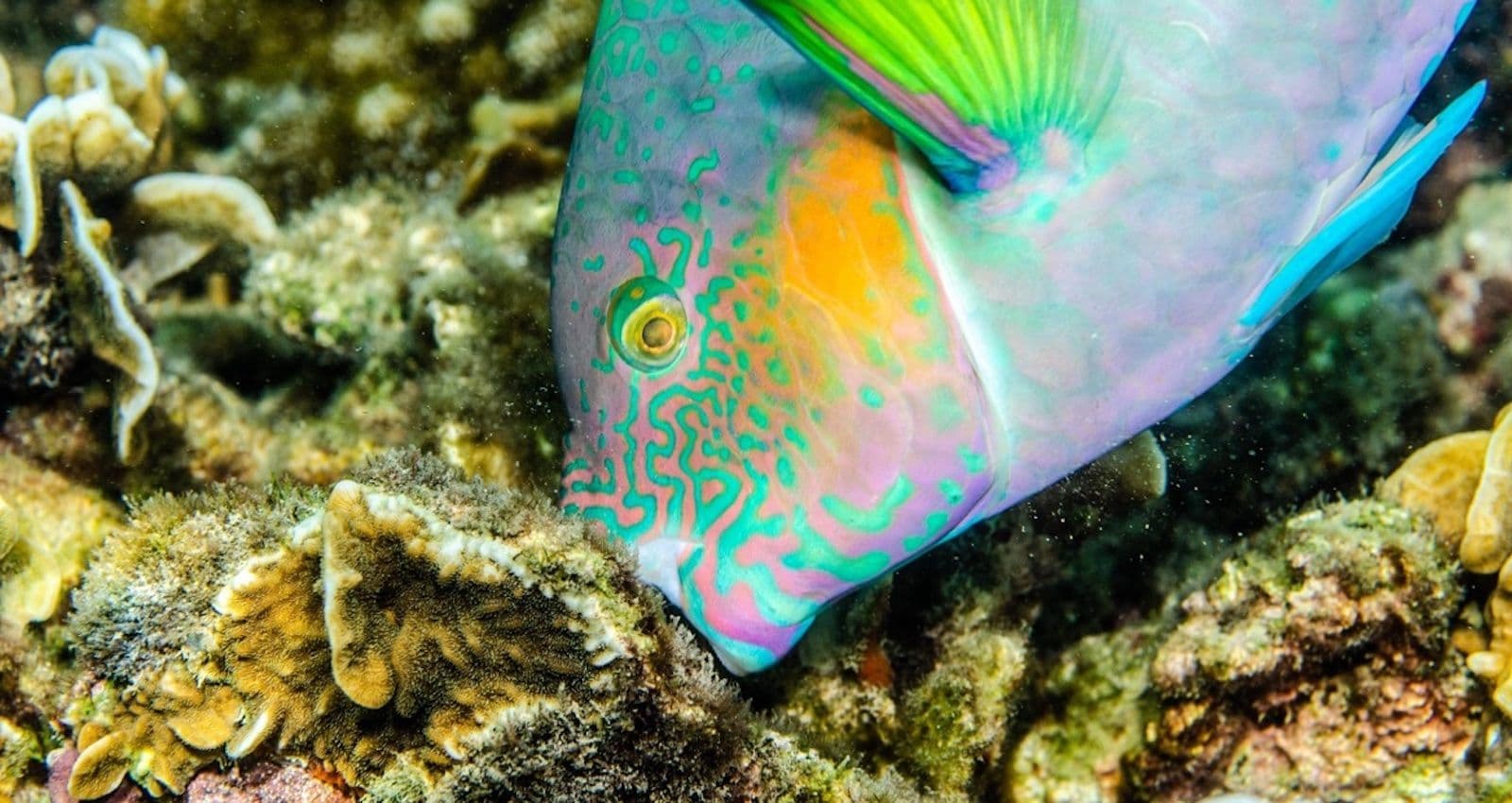
The common parrotfish also called Palenose parrotfish is a diurnal animal that sleeps at night, some of them hide in holes while others cover themselves with mucus to hide from predators. They are the primary living producers of coral sand. They spend more th.
Nature guide entry / Tetiaroa
The Giant squirrelfish is the largest squirrelfish. It can size up to 18 inches. Its oval body is mostly colored in red, but can take more orange hues. Its head has large eyes with a red spot on the back characteristic of the species. He has the peculiarity o.
Nature guide entry / Tetiaroa
This small fish is frequently found inside the lagoon, in areas rich in corals. The color is brown but varies according to the environment and its mood (a vertical white band appears during the breeding season, when it tries to scare its enemies ...). It has..
Nature guide entry / Tetiaroa
With their special "beak-like" teeth, parrots scrape coral for green algae, and at the same time swallow coral fragments, thus contributing to reef erosion and sand formation: average over 80 kg per year per individual. With their powerful jaws, they continua.
Nature guide entry / Tetiaroa
This damselfish has three large black stripes that cross her body. We often see individuals of 2.5 inches lenght, but can size up to 4 inches. It is frequently encountered in shallow environments, both in the lagoon and the outer slope. It finds refuge in th.
Nature guide entry / Tetiaroa
The Striated Surgeonfish is present in the tropical waters of the Indo-Pacific region. The Hawaiian Archipelago, the Marquesas Islands and Easter Island are excluded. Its dark body is striped with thin bluish lines. It is usually seen inside the lagoon but so.
Nature guide entry / Tetiaroa
This soldierfish has a silver-pink, oval shaped body, with red scales. A black crescent spot extends from the top of the operculum to the base of the pectoral fin. The first dorsal fin is red. The remaining median fins and the pelvic fins are red with white s.
Nature guide entry / Tetiaroa
The Bluefin trevally (or Blue jackfish ) has a blue metallic color with iridescent yellow spots and speckled with black, its fins are also blue. It can measure up to 40 inches, but the average is 24 inches. This fish hunts at dawn and dusk in groups in passes.
Nature guide entry / Tetiaroa
This specie of moray is white with grey-violet speckles. Under its eye we can find a spot in the shape of a star. It eats fish, crustaceans, and benthic invertebrates. it is observable in the shallow lagoons, generally on sheltered reef areas and reef flats...
Nature guide entry / Tetiaroa
The Spotted Puffer can be found in the coral-rich areas of the outer slope, but can sometimes venture into the lagoon. He often has a globular body of dark color spotted with white. A uniform yellow variant also exists, more rare, but observed in the Tetiaroa.
Nature guide entry / Tetiaroa
The Pacific Golden Plover Is 23 to 27 cm from tail to beak. The male and female both look similar with two colorations are seen in French Polynesia. The individuals who are not in reproduction are light brown with black spots with a beige and white stomach. T.
Nature guide entry / Tetiaroa
The Black Noddy is entirely dark brown to black with the exception of the top of its head which is white to silver. It is a small bird with a wingspan of about 70 cm that tends to stay within 20 km of the shore line. These are pack hunters that mostly prey on.
Nature guide entry / Tetiaroa
The Brown Noddy is, as its name suggests, entirely brown except the top of its head which is a pale gray. Both the male and the female sexes of this bird look similar and have wingspans that range from 79 to 86 cm. This bird has a range of up to 50 km that it.
Nature guide entry / Tetiaroa
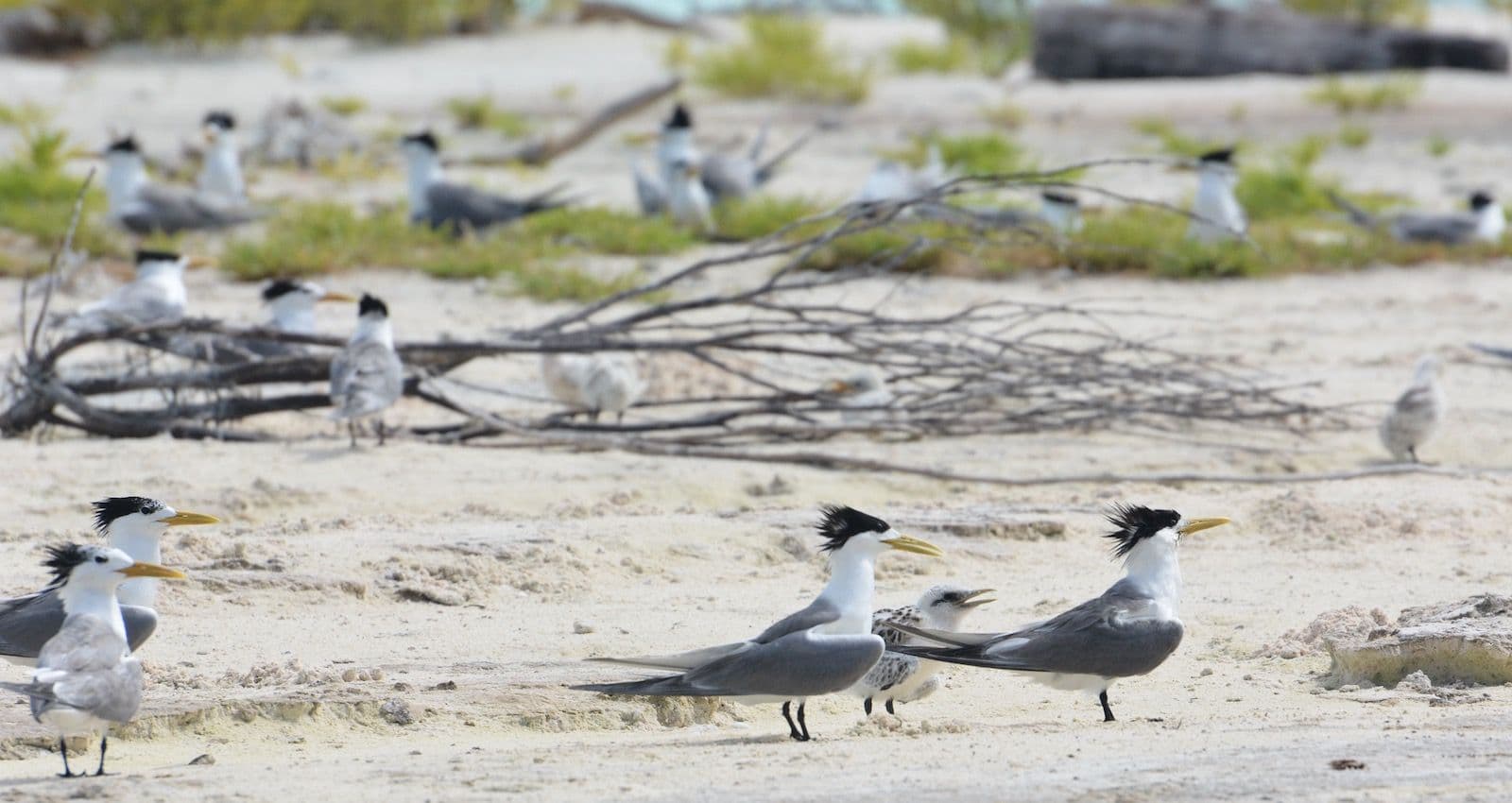
The Great Crested Tern is a white bird with a gray back and the top of its head is black. It has a yellow beak and black feet with a wingspan of 99 to 109 cm. The range of this bird generally does not extend more than 1 or 2 km away from shore and it mostly e.
Nature guide entry / Tetiaroa
They Grey-backed Tern is a black bird with a white underside. It has a black lines on either side of the head that extend from the back of the head, over eye, to the beak like a mask. The mask creates a white eyebrow that allows the Grey-backed Tern to be dis.
Nature guide entry / Tetiaroa
This butterfly fish eats polyps, invertebrates, algae, and anemones. In order to do this, it has a protractile mouth (it can extend and retract) which allows it to forage in the sand and sediments.Its laterally compressed body is very brightly colored and lum.
Nature guide entry / Tetiaroa
Meet Tetiaroa's masked booby family. More...
Nature guide entry / Tetiaroa
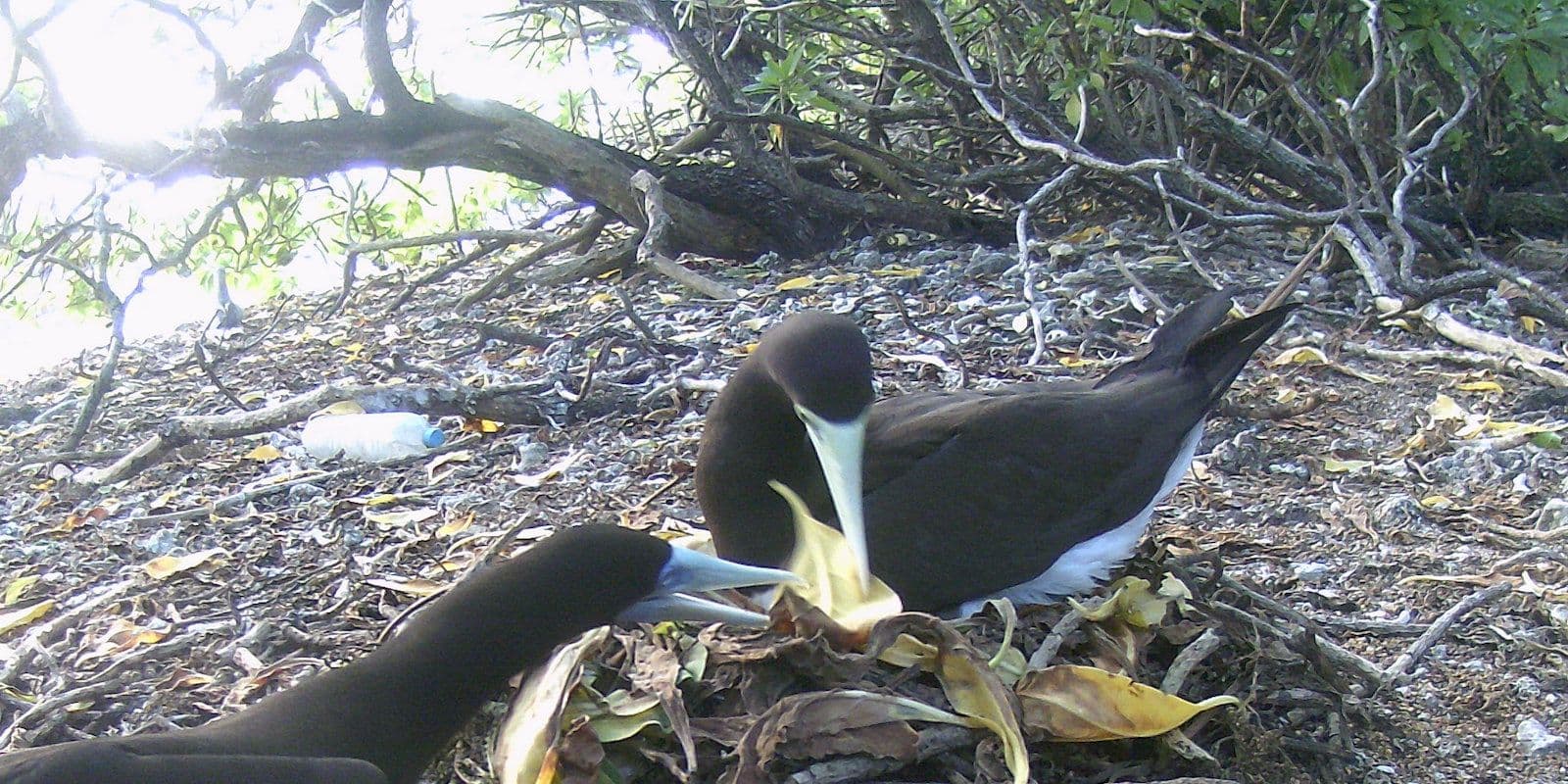
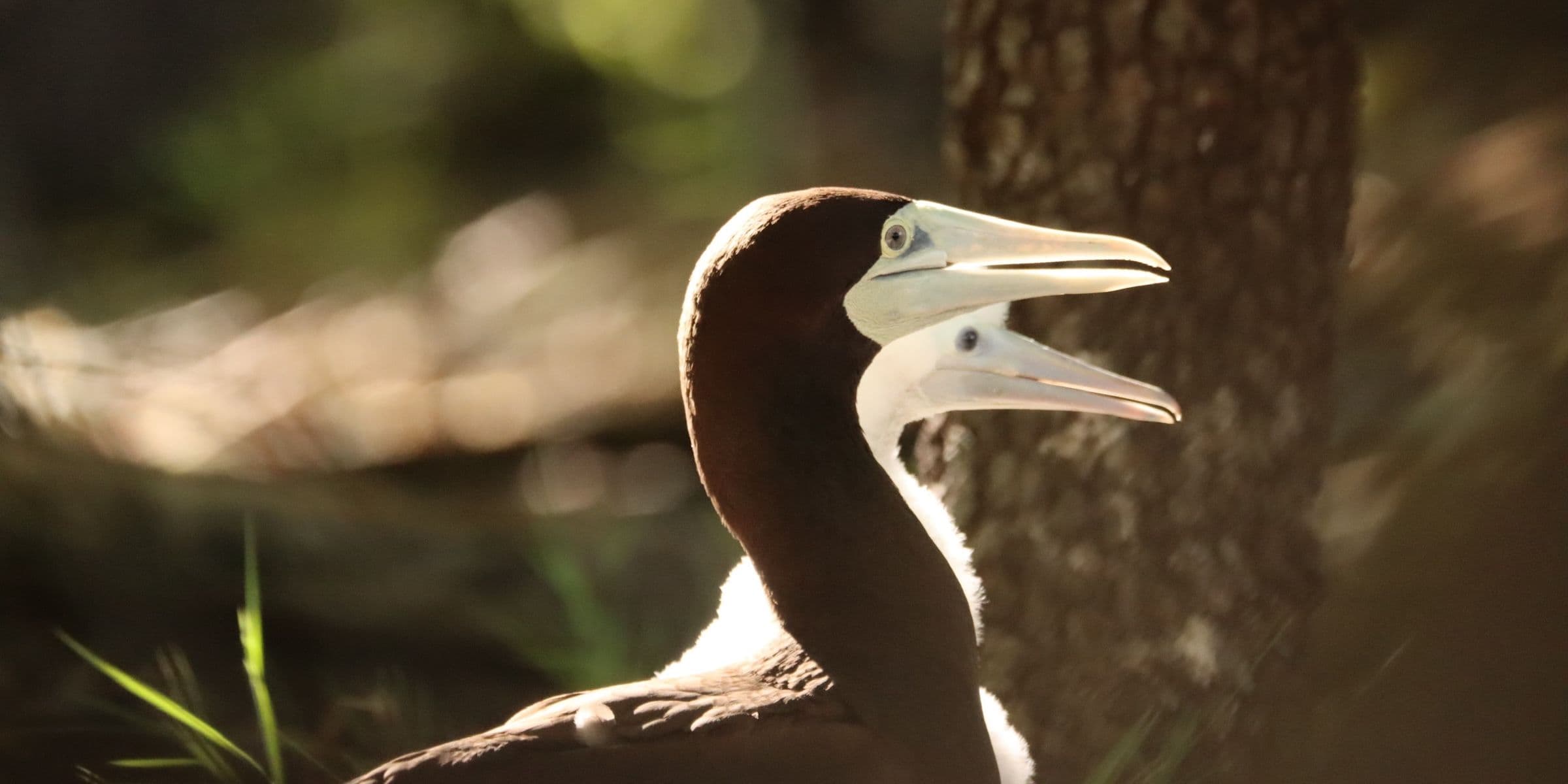
The Brown Booby is brown with a white underside and a yellowish beak. It has a wingspan that ranges from 132 to 150 cm which it uses to dive from a dozen meters up in the air to catch prey. It even pursues fish while under water using its webbed feet and wing.
Nature guide entry / Tetiaroa
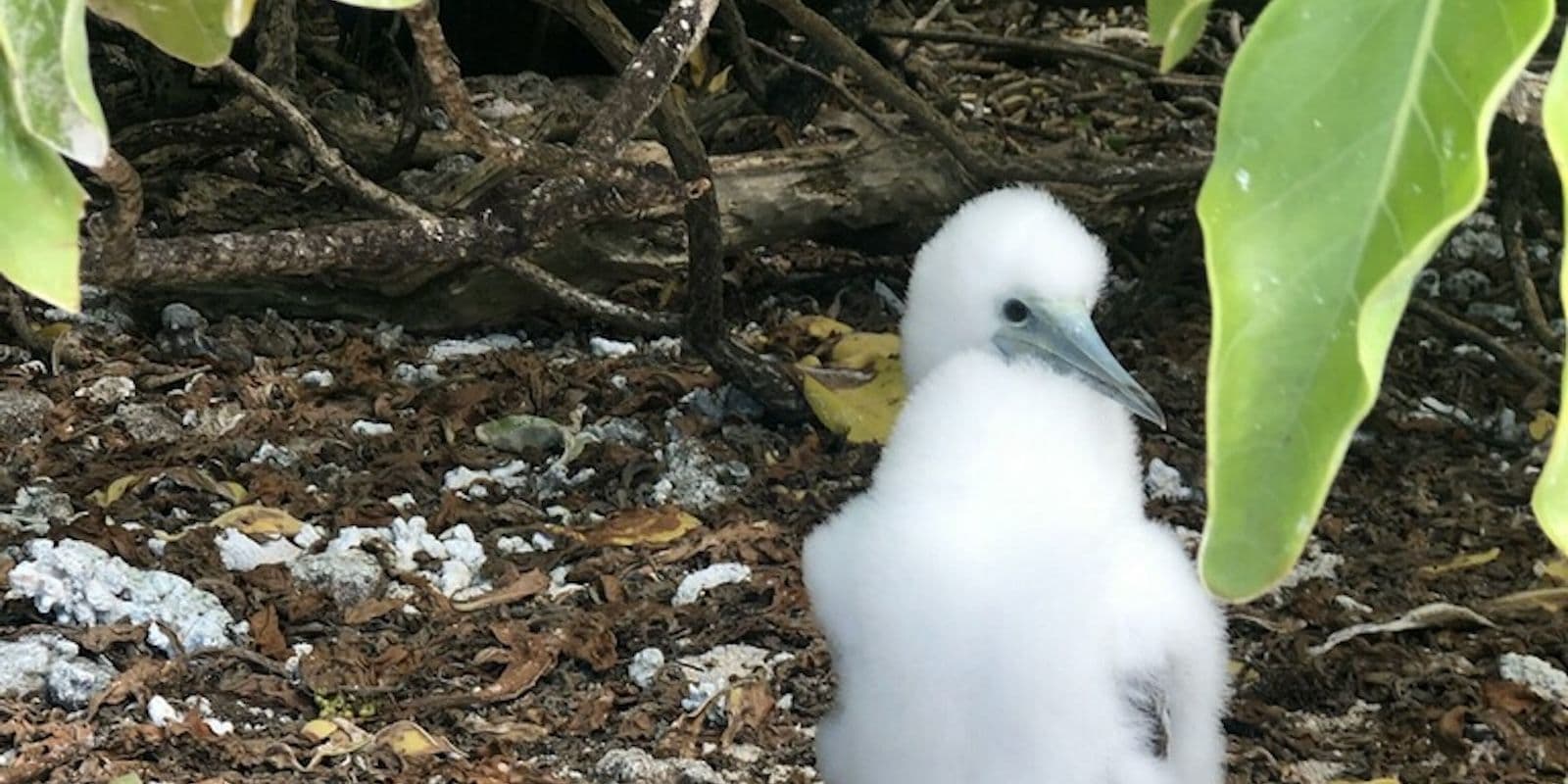
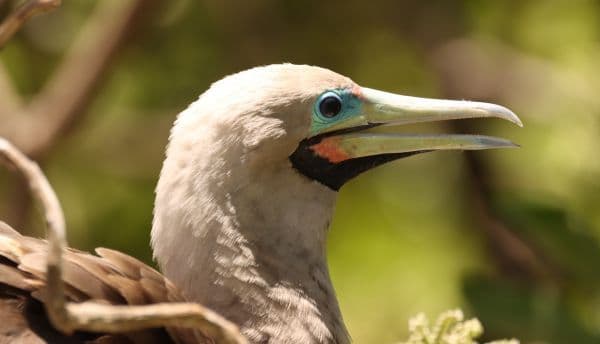
The Red-Footed Booby has a wingspan from about 91 to 101 cm. It has red feet and has a blue beak. The color of the bird changes as it ages, starting as a white, fluffy looking chick that becomes either a white morph with black feathers, or brown morph; the la.
Nature guide entry / Tetiaroa
Like all squirrelfish, it has a silver-red robe with horizontal stripes who’s visibility varies from specie to specie. It has a sharp muzzle with many teeth and a solid ridge. It prefers rich coral filled areas or flats where they live in schools in shallow w.
Nature guide entry / Tetiaroa

Maybe, but only if we protect them. In this recent Forbes article , Development Economist Nishan Degnarain explores the need to protect deep ocean ecosystems from seabed mining so that we have time to better understand them and the potential they hold for med.
From the Archive / Tetiaroa

Since turtles do not practice parental care (eggs are laid and the baby turtles emerge from the nest and face the world on their own) it is very important that a female chooses powerful mates that will pass on their genetic traits to her offspring.
From the Archive / Tetiaroa

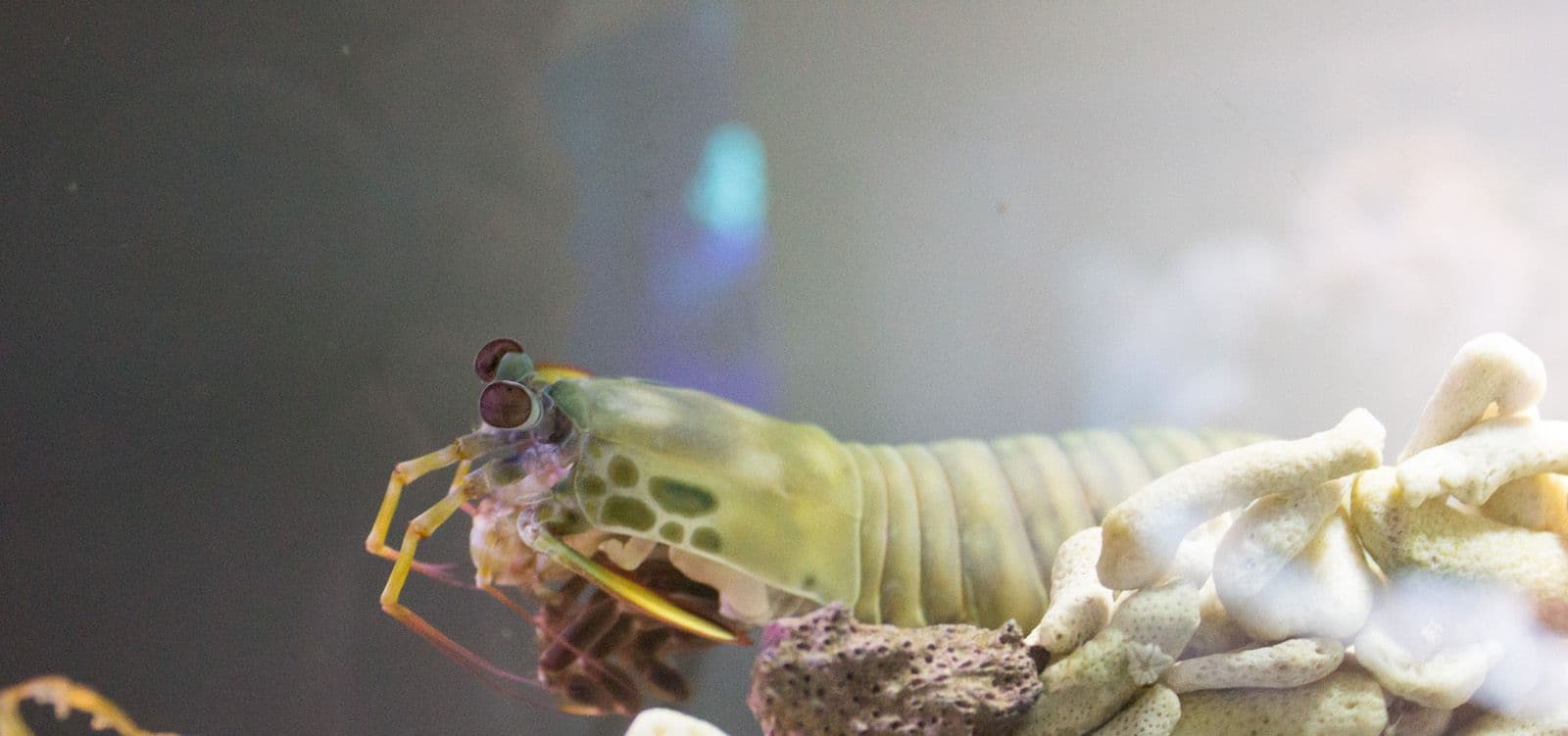
called Varo in Tahitian, hide in their holes and ambush prey as they pass by. In the time it takes you to blink an eye, the mantis shrimp could have punched 50 times.
Nature guide entry / Tetiaroa

The long-tailed cuckoo lays one egg in the nest of another bird, which will care for the egg and chick. image © Adam Clarke
Nature guide entry / Tetiaroa
The 'ō'aha is present in all the Polynesian archipelagos. In Tetiaroa it is found on virtually all the motu. It is a type of fern that can be epiphyte, meaning it uses other plants as support. Otherwise, it can be saxicole; grows preferentially on rocks. In F.
Nature guide entry / Tetiaroa
This evergreen shrub, up to 4 m height, grows in both dry and moist soil and needs to be exposed to the sun. Its flowers are yellow and the underside of its silvery green leaves are covered by hair. The fruits pods can be observed all year long. Its distribut.
Nature guide entry / Tetiaroa
The Naupata is a small shrub present in almost all the Polynesian archipelagos. It primarily grows at on the edge of the beach, on limestone based ground. It has a good resistance to strong winds and high salinity levels. The Naupata is well studied and used..
Nature guide entry / Tetiaroa
Citrus plants are known for their great diversity and their numerous families. In the Rutaceae there exists 3 primary genres: Citrus, Fortunella (ex: kumquats), and Poncirus (with no edible fruit). In the genre Citrus the number of species to determine is com.
Nature guide entry / Tetiaroa
These small trees have fruits in the shape of potatoes. Small flowers grow on the fruit. Its dissemination is done through zoochory and hydrochory. This plant has many medicinal properties. The leaves and fruit are used as a poultice for all dermal problems (.
Nature guide entry / Tetiaroa
The Miro is a tree with yellow heart shaped leaves. Its high quality wood was and still is used in spears, bludgeons, canoes, ‘umete, and furniture in general. The tree inspired priests since it was the emanation of Roro’o (prior singer), it was thus indispen.
Nature guide entry / Tetiaroa
The ‘Auti is an ornamental plant, commonly found around houses, planted in a straight line. Its large leaves - which are different colors depending on the variety (red, yellow, green) - are used in the confection of traditional vegetable costumes. It is a ver.
Nature guide entry / Tetiaroa
The Tutu is used in French Polynesia for body care. Soap and shampoo can be made using its leaves, and sometimes its bark. Some recipes based on this plant are also prepared to treat skin problems. In Tetiaroa, according J.F. Butaud (report: DIREN 2013), it i.
Nature guide entry / Tetiaroa
The Miki Miki is a large brush with small white flower that are very sought after by the bees of Tetiaroa. It is often confused with the ‘O’uru (Suriana maritima) which has yellow flowers. It is most often found on the edge of the ocean, in the hoa, and on th.
Nature guide entry / Tetiaroa
The Horahora is a herb with white flowers that grows on rather sandy ground. The leaves, which are edible, were once eaten cooked. They have a distinct mustard taste from which its colloquial name “Polynesian Mustard” is derived. It has notable medicinal prop.
Nature guide entry / Tetiaroa
The Taino’a is a pantropical hemiparasite (“hemi” : half / “holo” : total). This means that this plant takes a part of its nutrients by photosynthesis using its own chlorophyll and another part by parasitizing a host through the epidermis using suckers (or “h.
Nature guide entry / Tetiaroa
These small plants often grow on sand bars. They are resistant to salt water and flower year round. This plant has edible leaves that can be eaten raw or cooked.
Nature guide entry / Tetiaroa
An important cosmetic and medicinal plant in French Polynesia.
Nature guide entry / Tetiaroa
The papaya tree is an evergreen dicotyledonous plant. It can measure from 3 to 10 m tall. Its fruit has an orange flesh that is very sweet and rich in vitamin C (more than some citrus fruit) and provitamin A (carotene). This fruit tree is originally from Cent.
Nature guide entry / Tetiaroa
The Tipanie was first introduced in 1852 in tahiti by Abadie. Its name “Frangipani” dates from the XIIth century, a noble Italian named Frangipani who made perfumed gloves. In the XVIth century, Europeans traveling in the Caribbean discovered a tree whose flo.
Nature guide entry / Tetiaroa
...
Nature guide entry / Tetiaroa
Grows in the coral sand, or in shallow soil on rocks. The long stolons allow the formation of large, loose, green mats. Can be found on exposed beaches or forest areas.
Nature guide entry / Tetiaroa
The ‘O’uru is a small brush with yellow flowers. These flowers are finer than those of the Miki miki (Pemphis acidula). Just like the Miki miki, it is very resistant to salty environments and can grow in nutrient-poor soil. We generally find it at the edge of.
Nature guide entry / Tetiaroa
The vines were used in the manufacture of garments in the Tuamotus. The leaves are used medicinally in the Marshall Islands to treat cuts and bruises. Description: Triumfetta vine is a low-lying plant with prostrate stems up to 3 m (10 ft) long. It has yellow.
Nature guide entry / Tetiaroa
Metuapua’a (Microsorum grossum) is a plant with dozens of synonyms. This plant is recognized as one of the most useful plant in traditional medicine in the Society Islands but also throughout Pacific Ocean. It’s employed in “fati” remedies, all about: broken..
Nature guide entry / Tetiaroa
This shrub is found on virtually all the motu of Tetiaroa, this sometimes creates a dense layer of shrub that is difficult to travel across. Its wood is hard and was used to build lances and to remove coconut husk. Apart from this, the plant is not very use.
Nature guide entry / Tetiaroa
It is a very useful tree in French Polynesia. Its wood is light and very resistant, it is perfect to make houses, canoes, furniture and other tools. Its yellow flowers have medicinal properties to heal skin problems like chicken pox. The inner bark is used..
Nature guide entry / Tetiaroa
The ti'anina is a medicinal plant. Its berries and its bark are purgative. The juice of leaves have depilatory properties in order to remove any hairs. The juice is also used in cures to releave fracture pains (ra'au 'arafati). The flesh of coconut crab can b.
Nature guide entry / Tetiaroa
This tree grows exclusively on the seashore. It is especially abundant on atolls. Its wood is very resistant to salt and buds, it's used to make furniture, canoes, or in all types of construction. Its leaves, prepared as a decoction, can relieve the symptoms..
Nature guide entry / Tetiaroa
The little white flowers of Tafano smell very good, and are used to make necklaces and crown of flowers. These flowers can also be used in the preparation of monoi to hydrate and perfume skin and hair. Its resistant wood allow it to be made into traditional c.
Nature guide entry / Tetiaroa
Mati is a kind of fig tree often saxicolous, meaning living naturally on rocks. It has aerial roots (see photo) and looks like a small banyan according to Teuria Henry (T. Henry, 2004). Fruits of mati are edible and are used for dyeing when they are associate.
Nature guide entry / Tetiaroa
Its wood is very used for sculptures or to make objects such as drums, containers, or furniture. The trunk can reach 4 m and its flowers have a heart shape. The Tou’s flowers are employed in many traditional medicinal remedies (asthma, cough, pulmonary tuberc.
Nature guide entry / Tetiaroa
According to Grepin, almonds can be consumed, combined with other plants, as an abortifacient. These almonds are used to make an oil, known worldwide, for its virtues. It has recognized healing properties, can cure skin problems, heal stretch marks, relieve m.
Nature guide entry / Tetiaroa
The ancients called this tree "Toa", which also means "warrior". In the 19th century, the Pomary "took" this word and it became taboo. The names of both the warrior and he tree has changed to "’Aito". The ‘Aito is known for its rot resistant, sturdy, and hea.
Nature guide entry / Tetiaroa

Coral Reefs: Ecosystem of the Decade
Nature guide entry / Tetiaroa

Bristle-thighed curlews
Nature guide entry / Tetiaroa
Three of Tetiaroa’s motus have been studied by archaeologists, with some more interesting findings. This is what Dr. Guillaume Molle had to say: “We have mapped many structures located by Mark Eddowes on Horoatera, Rimatu’u and Tiaraunu. These include some v.
Nature guide entry / Tetiaroa

At sunrise or sunset you can see baby sharks swimming along the beaches of Tetiaroa
Nature guide entry / Tetiaroa

Manini
Nature guide entry / Tetiaroa

The beautiful, feather-like crown of leaves at the top of a coconut tree can be as high as 30 meters. Up you go...
Nature guide entry / Tetiaroa

Attestation sur l'honneur
Report / Tetiaroa

Convention d'accueil
Report / Tetiaroa

Ecostation code of Conduct
Report / Tetiaroa

Most coral reef studies are done in the daytime, when scientists are up and about. But action on the coral reef goes on 24 hrs a day. So what happens when the sun sets and the moon comes out, or when the moon doesn’t come out? We also think of coral reefs as..
From the Archive / Tetiaroa

The Brando is an exquisite luxury resort on French Polynesia’s breathtakingly beautiful private atoll of Tetiaroa, just 30 miles north of Tahiti. Tetiaroa is comprised of a dozen idyllic islets surrounding a spectacular lagoon. Tetiaroa has always been a pla.
Partner / Global network

With more than 25 years’ experience in the French Polynesian tourism market, 678 hotel rooms and 210 cabins, Pacific Beachcomber, S.C. is the country’s largest luxury hotel and cruise operator. In addition to its luxury small ships, the 332-guest m/s Paul Gau.
Partner / Global network

The Société d’Ornithologie de Polynésie ‘Manu’ (SOP) is a non-governmental, nonprofit organization. It was founded in 1990 and has 100 members. SOP is managed by a Council elected for two years and has a team of five permanent employees who work full time to..
Partner / Global network

Centre de Recherches Insulaires et Observatoire de l’Environnement
Partner / Global network

96 *|MC:SUBJECT|* p{ margin:10px 0; padding:0; } table{ border-collapse:collapse; } h1,h2,h3,h4,h5,h6{ display:block; margin:0; padding:0; } img,a img{ border:0; height:auto; outline:none; text-decoration:none; } body,#bodyTable,#bodyCell{ height:100%; margin.
Newsletter / Tetiaroa

Research using eDNA is coming into its own and on Tetiaroa we are leading the global trend. With simple collection methods and many stories to be told, this will be an extremely important tool for the future of research on Tetiaroa and around the world.
From the Archive / Tetiaroa

96 *|MC:SUBJECT|* p{ margin:10px 0; padding:0; } table{ border-collapse:collapse; } h1,h2,h3,h4,h5,h6{ display:block; margin:0; padding:0; } img,a img{ border:0; height:auto; outline:none; text-decoration:none; } body,#bodyTable,#bodyCell{ height:100%; margin.
Newsletter / Tetiaroa

96 News from the Atoll p{ margin:10px 0; padding:0; } table{ border-collapse:collapse; } h1,h2,h3,h4,h5,h6{ display:block; margin:0; padding:0; } img,a img{ border:0; height:auto; outline:none; text-decoration:none; } body,#bodyTable,#bodyCell{ height:100%; m.
Newsletter / Tetiaroa

Island Conservation, in conjunction with Tetiaroa Society and The Brando Resort, completes critical invasive species-removal to heal island-ocean ecosystems in Tetiaroa atoll. Global nonprofit Island Conservation has completed its largest ever ground-based op.
From the Archive / Tetiaroa

96 *|MC:SUBJECT|* p{ margin:10px 0; padding:0; } table{ border-collapse:collapse; } h1,h2,h3,h4,h5,h6{ display:block; margin:0; padding:0; } img,a img{ border:0; height:auto; outline:none; text-decoration:none; } body,#bodyTable,#bodyCell{ height:100%; margin.
Newsletter / Tetiaroa

96 News from the Atoll September 2021 p{ margin:10px 0; padding:0; } table{ border-collapse:collapse; } h1,h2,h3,h4,h5,h6{ display:block; margin:0; padding:0; } img,a img{ border:0; height:auto; outline:none; text-decoration:none; } body,#bodyTable,#bodyCell{.
Newsletter / Tetiaroa

96 *|MC:SUBJECT|* p{ margin:10px 0; padding:0; } table{ border-collapse:collapse; } h1,h2,h3,h4,h5,h6{ display:block; margin:0; padding:0; } img,a img{ border:0; height:auto; outline:none; text-decoration:none; } body,#bodyTable,#bodyCell{ height:100%; margin.
Newsletter / Tetiaroa

GIS Habitat Map 2022
Report / Tetiaroa

In 1996, Air Tahiti Nui was founded to connect the world to one of the world’s great treasures, the islands of Tahiti. Our fleet of five Airbus A340-300s provides service to Tahiti from Paris, Los Angeles, Auckland and Tokyo. With partnership and codeshare ag.
Partner / Global network

Institute Louis Malardé
Partner / Global network

Brando Enterprises, L.P. is an operating entity created by the Marlon Brando Living Trust to manage core interests including Brando licensing activities, preservation and archiving of Brando memorabilia in preparation for future use and film participation and.
Partner / Global network

Mission Blue is a global initiative of the Sylvia Earle Alliance, a 501c3 organization, which was formed in response to Sylvia Earle’s 2009 TED Prize wish. Dr. Earle urged people “to use all means at your disposal — films, expeditions, the web, new submarines.
Partner / Global network

Ville de Arue
Partner / Global network

LDF
Partner / Global network

96 News from the Atoll | February 2022 p{ margin:10px 0; padding:0; } table{ border-collapse:collapse; } h1,h2,h3,h4,h5,h6{ display:block; margin:0; padding:0; } img,a img{ border:0; height:auto; outline:none; text-decoration:none; } body,#bodyTable,#bodyCell.
Newsletter / Tetiaroa

In the scheme of all things geologic, oceanic islands like Tetiaroa and Tahiti and Hawaii are young landforms. But what is in store for these young islands?
From the Archive / Tetiaroa

Tetiaroa Conservation and Sustainable Use Plan
Report / Tetiaroa

Recommended Reading
Report / Tetiaroa

As apex predators, sharks directly and indirectly affect all levels of the food web, maintaining a healthy ocean environment for many species. Unfortunately, today many shark populations are on the decline. The loss of these amazing animals could prove devast.
From the Archive / Tetiaroa

What agricultural product transformed the natural world on Tetiaroa and virtually all the other islands in the tropical South Pacific? Find out >>
From the Archive / Tetiaroa

96 newsletter p{ margin:10px 0; padding:0; } table{ border-collapse:collapse; } h1,h2,h3,h4,h5,h6{ display:block; margin:0; padding:0; } img,a img{ border:0; height:auto; outline:none; text-decoration:none; } body,#bodyTable,#bodyCell{ height:100%; margin:0;..
Newsletter / Tetiaroa

96 newsletter p{ margin:10px 0; padding:0; } table{ border-collapse:collapse; } h1,h2,h3,h4,h5,h6{ display:block; margin:0; padding:0; } img,a img{ border:0; height:auto; outline:none; text-decoration:none; } body,#bodyTable,#bodyCell{ height:100%; margin:0;..
Newsletter / Tetiaroa

You may have noticed Tetiaroa Society sharing news and information about the Blue Climate Initiative recently and wondered, “What is the Blue Climate Initiative and how is it related to Tetiaroa Society?” The Blue Climate Initiative is a global initiative bri.
From the Archive / Tetiaroa

96 News fromthe Atoll | Juin 2021 p{ margin:10px 0; padding:0; } table{ border-collapse:collapse; } h1,h2,h3,h4,h5,h6{ display:block; margin:0; padding:0; } img,a img{ border:0; height:auto; outline:none; text-decoration:none; } body,#bodyTable,#bodyCell{ hei.
Newsletter / Tetiaroa

Recently the owners and management of The Brando and Tetiaroa Society decided together to create a cultural site on Motu Onetahi that can be visited and cared for by all of the inhabitants of the island. It will be a site that will be used for welcoming cerem.
From the Archive / Tetiaroa

The result of this unusual tidal situation for Tetiaroa (and the rest of the Society Islands) is that, unlike most other places, the tides play only a minor role in people’s lives.
From the Archive / Tetiaroa

The evidence is clear that coral reefs are under stress globally. It is also well known that ecosystems such as coral reefs are made up of thousands of component organisms that impact each other in complex ways. Find out about the role these fish play in the..
From the Archive / Tetiaroa

Tetiaroa Fishery Report 2020
Report / Tetiaroa

Outside Magazine Contributing Editor Hampton Sides recently traveled to Tetiaroa and shares his experience in this article, “ We had Marlon Brando’s Island Utopia to Ourselves .” Sides dives into the atoll’s history as a destination for Tahitian royalty, expl.
From the Archive / Tetiaroa

96 News from the atoll p{ margin:10px 0; padding:0; } table{ border-collapse:collapse; } h1,h2,h3,h4,h5,h6{ display:block; margin:0; padding:0; } img,a img{ border:0; height:auto; outline:none; text-decoration:none; } body,#bodyTable,#bodyCell{ height:100%; m.
Newsletter / Tetiaroa

Nature notes... Calcium carbonate - building an atoll This month in our Nature Notes we are going to talk about Calcium carbonate. Stay with me now… this is not just some esoteric chemistry stuff, this is about how to build an atoll. But first, the esoteric g.
From the Archive / Tetiaroa

Podcast excerpt of Frank's interview where he shares his experiences with humpback whales as they make their annual migration past the atoll.
From the Archive / Tetiaroa

96 *|MC:SUBJECT|* p{ margin:10px 0; padding:0; } table{ border-collapse:collapse; } h1,h2,h3,h4,h5,h6{ display:block; margin:0; padding:0; } img,a img{ border:0; height:auto; outline:none; text-decoration:none; } body,#bodyTable,#bodyCell{ height:100%; margin.
Newsletter / Tetiaroa

Global status and conservation potential of reef sharks
Report / Tetiaroa

ICES Kilfoil et al 2020
Report / Tetiaroa

In the past, the wandering tattler, or uriri was considered a carrier of news, perceptible from a distance by its melodious song "oulililili"
Nature guide entry / Tetiaroa

This native Pacific tree, called Tahitian Screwpine in English, and Fara in Tahitian, is as fascinating as it is useful to islanders.
Nature guide entry / Tetiaroa

White tern
Nature guide entry / Tetiaroa

Pacific reef egret
Nature guide entry / Tetiaroa

Pisonia grandis
Nature guide entry / Tetiaroa

Cladium | Uti uti | Sawgrass
Nature guide entry / Tetiaroa

96 september 2020 p{ margin:10px 0; padding:0; } table{ border-collapse:collapse; } h1,h2,h3,h4,h5,h6{ display:block; margin:0; padding:0; } img,a img{ border:0; height:auto; outline:none; text-decoration:none; } body,#bodyTable,#bodyCell{ height:100%; margin.
Newsletter / Tetiaroa

In the 1960s, Marlon Brando fell in love with Tetiaroa - as well as his on-screen love interest - while filming Mutiny on the Bounty in Tahiti, prompting him to purchase the island and spend years working to understand and protect it. But, Brando wasn’t the f.
From the Archive / Tetiaroa

96 *|MC:SUBJECT|* p{ margin:10px 0; padding:0; } table{ border-collapse:collapse; } h1,h2,h3,h4,h5,h6{ display:block; margin:0; padding:0; } img,a img{ border:0; height:auto; outline:none; text-decoration:none; } body,#bodyTable,#bodyCell{ height:100%; margin.
Newsletter / Tetiaroa

Tetiaroa Fact Sheet
Report / Tetiaroa

New research from Tetiaroa Atoll , French Polynesia documented predation by invasive rats at main sea turtle nesting sites. Researchers from Te Mana o te Moana have been monitoring green sea turtle nesting on Tetiaroa Atoll since 2007 under the authorization,.
From the Archive / Tetiaroa

96 *|MC:SUBJECT|* p{ margin:10px 0; padding:0; } table{ border-collapse:collapse; } h1,h2,h3,h4,h5,h6{ display:block; margin:0; padding:0; } img,a img{ border:0; height:auto; outline:none; text-decoration:none; } body,#bodyTable,#bodyCell{ height:100%; margin.
Newsletter / Tetiaroa

It is not very obvious to most visitors to Tetiaroa that the atoll is actually part of a municipal commune that includes the town of Arue on the north end of Tahiti. As such the mayor of Arue is also the mayor of Tetiaroa. Tetiaroa Society recognizes this con.
From the Archive / Tetiaroa

Tetiaroa Society was invited this month to participate in a workshop in Santa Barbara, California, at the National Center for Ecological Analysis and Synthesis (NCEAS). The workshop, which was sponsored by The Nature Conservancy, was convened to create a netw.
From the Archive / Tetiaroa

96 *|MC:SUBJECT|* p{ margin:10px 0; padding:0; } table{ border-collapse:collapse; } h1,h2,h3,h4,h5,h6{ display:block; margin:0; padding:0; } img,a img{ border:0; height:auto; outline:none; text-decoration:none; } body,#bodyTable,#bodyCell{ height:100%; margin.
Newsletter / Tetiaroa

96 *|MC:SUBJECT|* p{ margin:10px 0; padding:0; } table{ border-collapse:collapse; } h1,h2,h3,h4,h5,h6{ display:block; margin:0; padding:0; } img,a img{ border:0; height:auto; outline:none; text-decoration:none; } body,#bodyTable,#bodyCell{ height:100%; margin.
Newsletter / Tetiaroa

96 *|MC:SUBJECT|* p{ margin:10px 0; padding:0; } table{ border-collapse:collapse; } h1,h2,h3,h4,h5,h6{ display:block; margin:0; padding:0; } img,a img{ border:0; height:auto; outline:none; text-decoration:none; } body,#bodyTable,#bodyCell{ height:100%; margin.
Newsletter / Tetiaroa

Eleven-year study of green sea turtle nesting on Tetiaroa
Report / Tetiaroa

High-energy events, boulder deposits and the use of very high resolution remote sensing in coral reef environments
Report / Tetiaroa

96 *|MC:SUBJECT|* p{ margin:10px 0; padding:0; } table{ border-collapse:collapse; } h1,h2,h3,h4,h5,h6{ display:block; margin:0; padding:0; } img,a img{ border:0; height:auto; outline:none; text-decoration:none; } body,#bodyTable,#bodyCell{ height:100%; margin.
Newsletter / Tetiaroa

Frigatebirds nesting on Tetiaroa atoll (Photo: James Russell)
From the Archive / Tetiaroa

TETIAROA ATOLL, FRENCH POLYNESIA (May, 2019) – Tetiaroa Atoll is one of those rare secluded places that serve as a refuge for nesting green sea turtles and a variety of seabird species, surrounded by a healthy and ecologically important coral reef and brillia.
From the Archive / Tetiaroa

A recent 1,500 page U.N. report, the IPBES Global Assessment , delivered grim news for our world’s biodiversity on May 6. The most comprehensive assessment to date found over 1 million species are at risk of extinction and that the current global response is..
From the Archive / Tetiaroa

Tetiaroa Society and The Brando Awarded EarthX's 2019 Eco Organization of the Year Global Impact Award Nonprofit and eco-luxury hotel provide global model for successful sustainability partnership April 24-28, Dallas, TX – The environmental nonprofit Tetiaroa.
From the Archive / Tetiaroa

96 *|MC:SUBJECT|* p{ margin:10px 0; padding:0; } table{ border-collapse:collapse; } h1,h2,h3,h4,h5,h6{ display:block; margin:0; padding:0; } img,a img{ border:0; height:auto; outline:none; text-decoration:none; } body,#bodyTable,#bodyCell{ height:100%; margin.
Newsletter / Tetiaroa

In 1929 an Irish artist named Robert Gibbings arrived in Tahiti with the assignment of illustrating a new version of The Mutiny on the Bounty by James Norman Hall and Charles Nordhoff. Gibbings was a talented artist in many disciplines but had begun doing woo.
From the Archive / Tetiaroa

This week, the Eco Station is hosting a team of 4 scientists from the University of Washington until April 9th. Nicholas Roden, Alexande Gagnon, and Julians Sachs who are oceanographers and professors at the University of Washington as well as Daniel Anderson.
From the Archive / Tetiaroa

Predation on green sea turtle, Chelonia mydas, hatchlings by invasive rats
Report / Tetiaroa

President Obama spent three weeks at The Brando resort, using the time to work on his latest book. While here he visited the Tetiaroa Society Ecostation to meet our team and hear about our research and conservation programs. We had three different research te.
From the Archive / Tetiaroa

Check out this story from National Geographic Unique Lodges of the World site.
From the Archive / Tetiaroa

96 *|MC:SUBJECT|* p{ margin:10px 0; padding:0; } table{ border-collapse:collapse; } h1,h2,h3,h4,h5,h6{ display:block; margin:0; padding:0; } img,a img{ border:0; height:auto; outline:none; text-decoration:none; } body,#bodyTable,#bodyCell{ height:100%; margin.
Newsletter / Tetiaroa

Archaeological Research on Tetiaroa - Molle & Hermann 2017
Report / Tetiaroa

Maite : traditional practices for agriculture
From the Archive / Tetiaroa

Students will learn how to make a kerikeri, a traditional digging spade used on atolls. They will braid their own cording materials, then use the cord to attach the handle to the shell blade. Ready ... set ... dig!
From the Archive / Tetiaroa

Discover coconut trees and all of their uses.
From the Archive / Tetiaroa

The highest diversity of shallow benthic species in the world is in tropical Indo-Pacific, so let's see how many we can find and identify. Students will each be a 'census-taker' of 1 coral outcropping or patch reef. If the patch reef is large, 3 or 4 student.
From the Archive / Tetiaroa

Snorkel in the lagoon, dig in the sand, tramp through the forests, sink into the wetland mud, and you are sure to learn much about Tetiaroa's ecosystems. This introduction to atoll ecosystems is a hands-on (masks on) adventure, studied from the viewpoint of..
From the Archive / Tetiaroa

Stargaze and see the constellations that the Polynesian navigators used to find islands. How must it have felt to be out on the ocean with only the stars to show the way? Topics: - Navigation - Constellations - Va'a - Migrations & voyages
From the Archive / Tetiaroa

Discover the wetlands of Tetiaroa. The Kopara Pond is a unique ecosystem containing freshwater fish, algae, plants, and migratory birds. Under the microscope, microorganisms from samples of water, algae, and mud, can be seen.
From the Archive / Tetiaroa

Focus on one organism in an ecosystem, and learn how its attributes determine is adaptability for the environment. Observe, then see the organism as its prey and predators see it. Catalog, compare, and contrast attributes, and understand how each organism f.
From the Archive / Tetiaroa

The students will see the SWAC facility on Tetiaroa. Then, they will build, test, and explain the functioning of their model heat transfer systems.
From the Archive / Tetiaroa

Learn which plants to gather, what each plant is used for, and how the plants are prepared for use in medicine, food, and ceremonies. Introduction: Students go for a 'plant walk' on the motu, where they will be introduced to a variety of atoll plants. -..
From the Archive / Tetiaroa

Gather knowledge of historical and cultural techniques and learn how to become part of the solution for ensuring sustainability.
From the Archive / Tetiaroa

Discover the different properties of sand, and its origins.
From the Archive / Tetiaroa

Discover the forest ecosystem of Tetiaroa with its diverse population of plants, birds, invertebrates ... and more. Students will hike through the forest, collect specimens, learn about abundance and richness, and map their walk using gps coordinates.
From the Archive / Tetiaroa

Visit the waste management facility and the organic garden on Motu One and discover how compost is made, what it is made of, and how it is used.
From the Archive / Tetiaroa

In this activity, students will construct a karuru: a traditional, temporary shelter used by the tupuna of the atolls. The karuru are built entirely of natural materials found on the motu. This activity was inspired by: "Material Culture in the Tuamotu A.
From the Archive / Tetiaroa

Gain a better understanding regarding the effects of human activity on islands by investigating beach erosion.
From the Archive / Tetiaroa

Mosquito extinction after rat control on Palmyra
Report / Tetiaroa

Invasive mammal eradication on islands results in substantial conservation gains
Report / Tetiaroa

Seabird effects on Coral reefs
Report / Tetiaroa

Tetiaroa holistic reef replenishment project
Report / Tetiaroa

Island-Digital-Ecosystem-Avatars-(IDEA)-Consortium
Report / Tetiaroa

Marine Invertebrates of Tetiaroa Atoll - Tarvyd 1998
Report / Tetiaroa
Around 200 BC, settlers from Southeast Asia arrived on the shores of the Tahitian islands, creating a unique language and culture that flourished for 17 centuries. Among these islands was Tetiaroa, which became the favored retreat of Tahitian royalty. Member.
Nature guide entry / Tetiaroa
scorpion
Nature guide entry / Tetiaroa