Investigating the ecology of reef sharks in Tetiaroa
The objective of this research is to establish a baseline understanding of how sharks use nursery habitats, specifically how that use changes across different age/size classes within a species, in a relatively undisturbed atoll.
Project update : November 2022
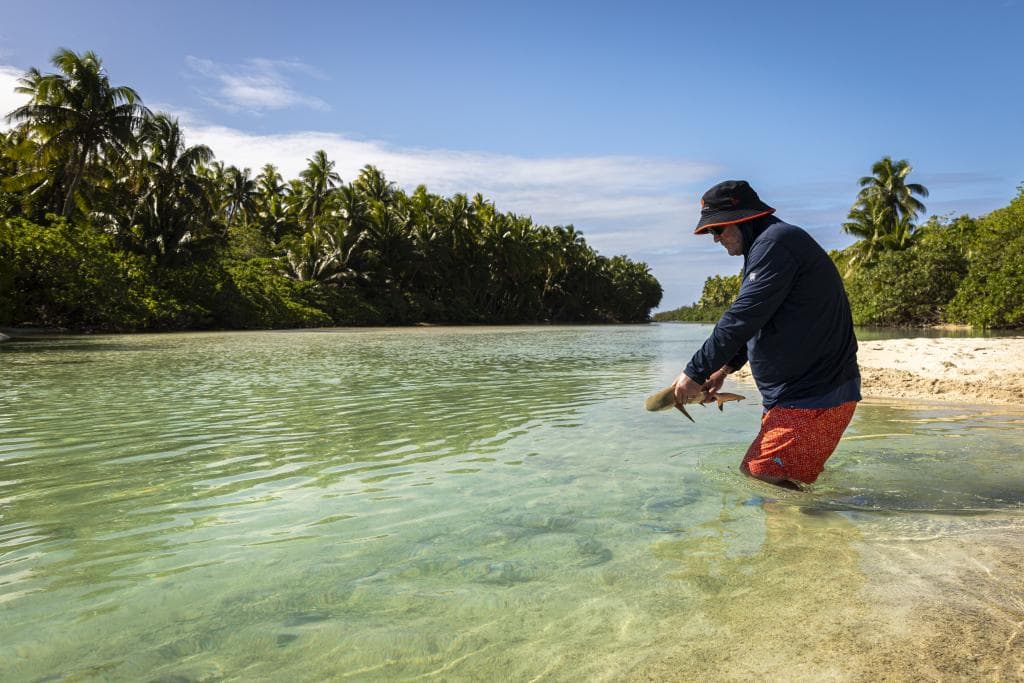
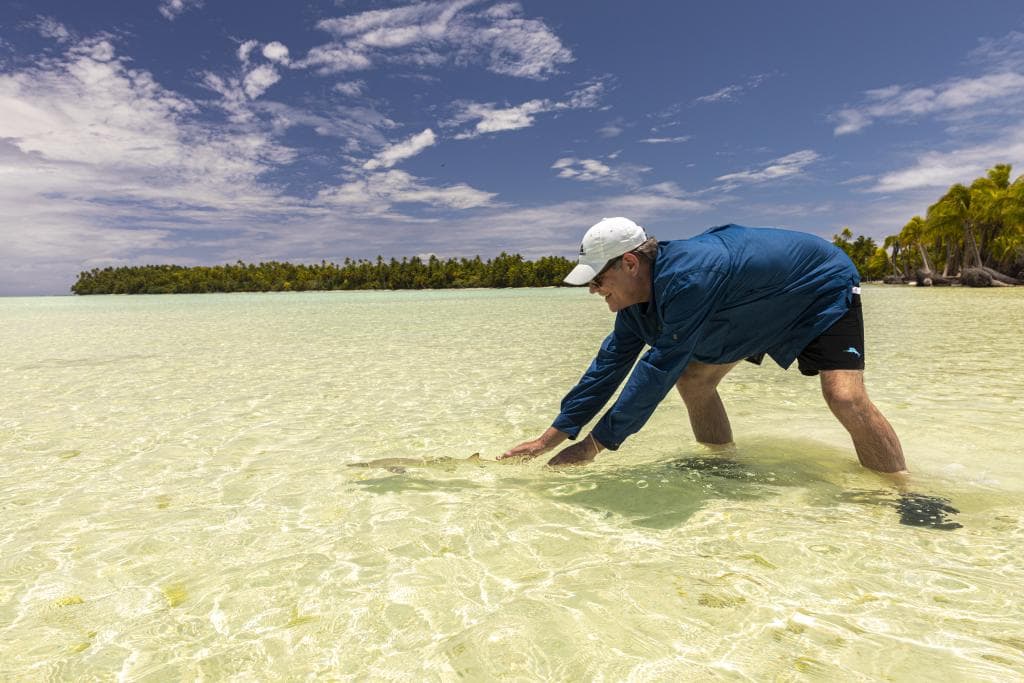
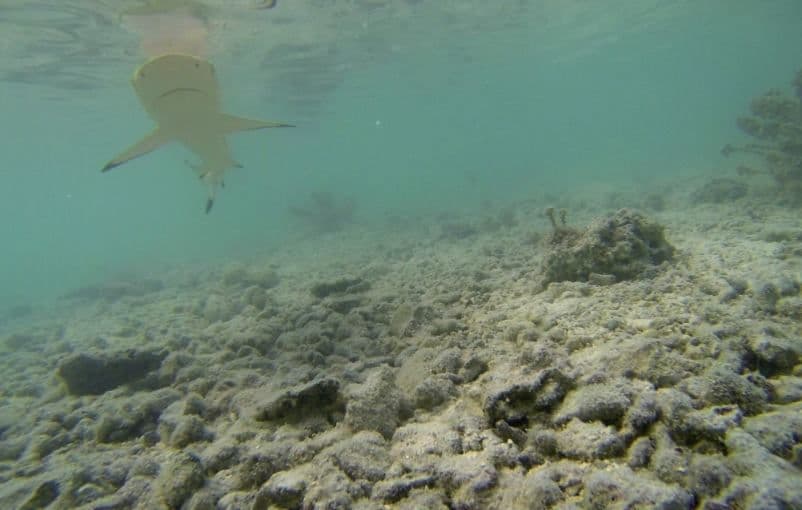
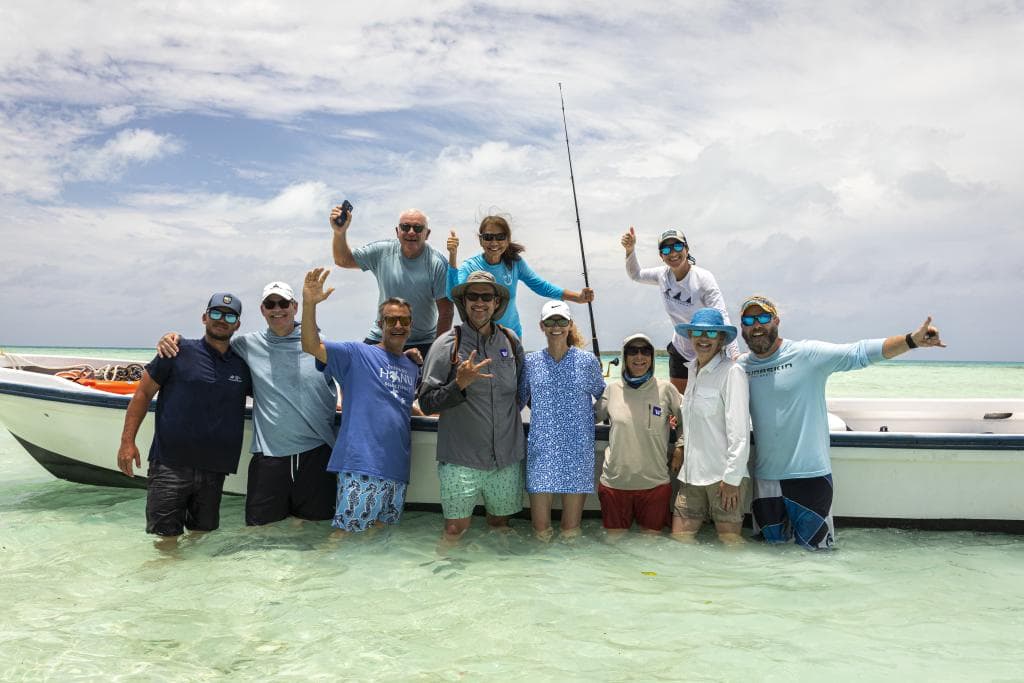
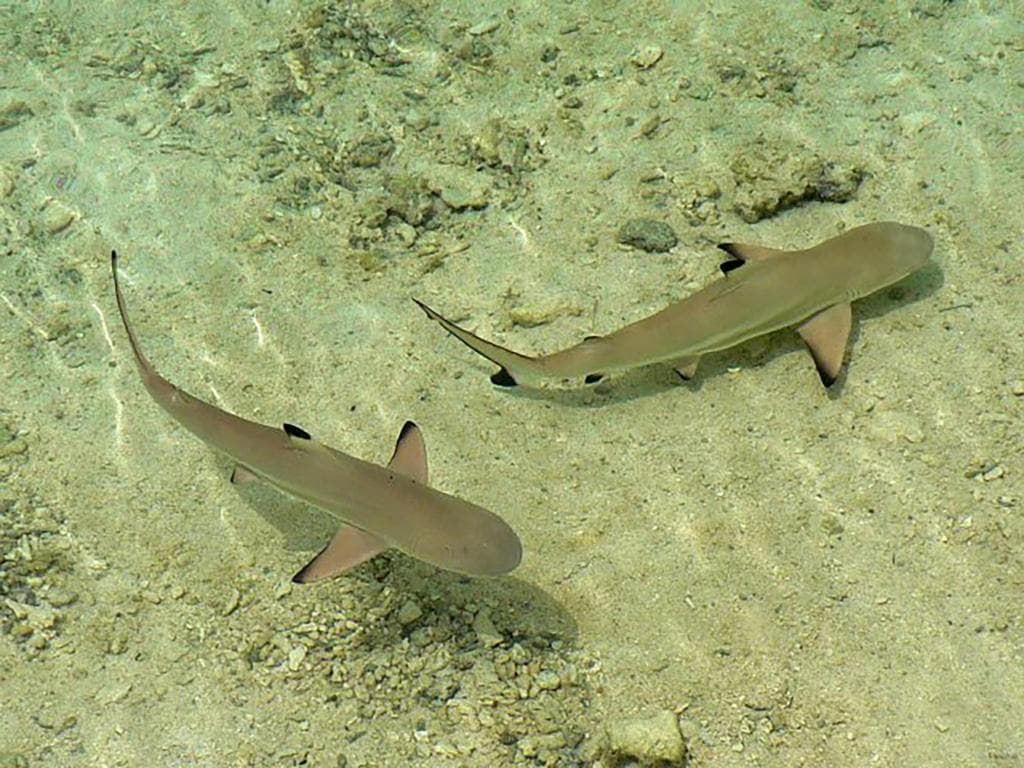
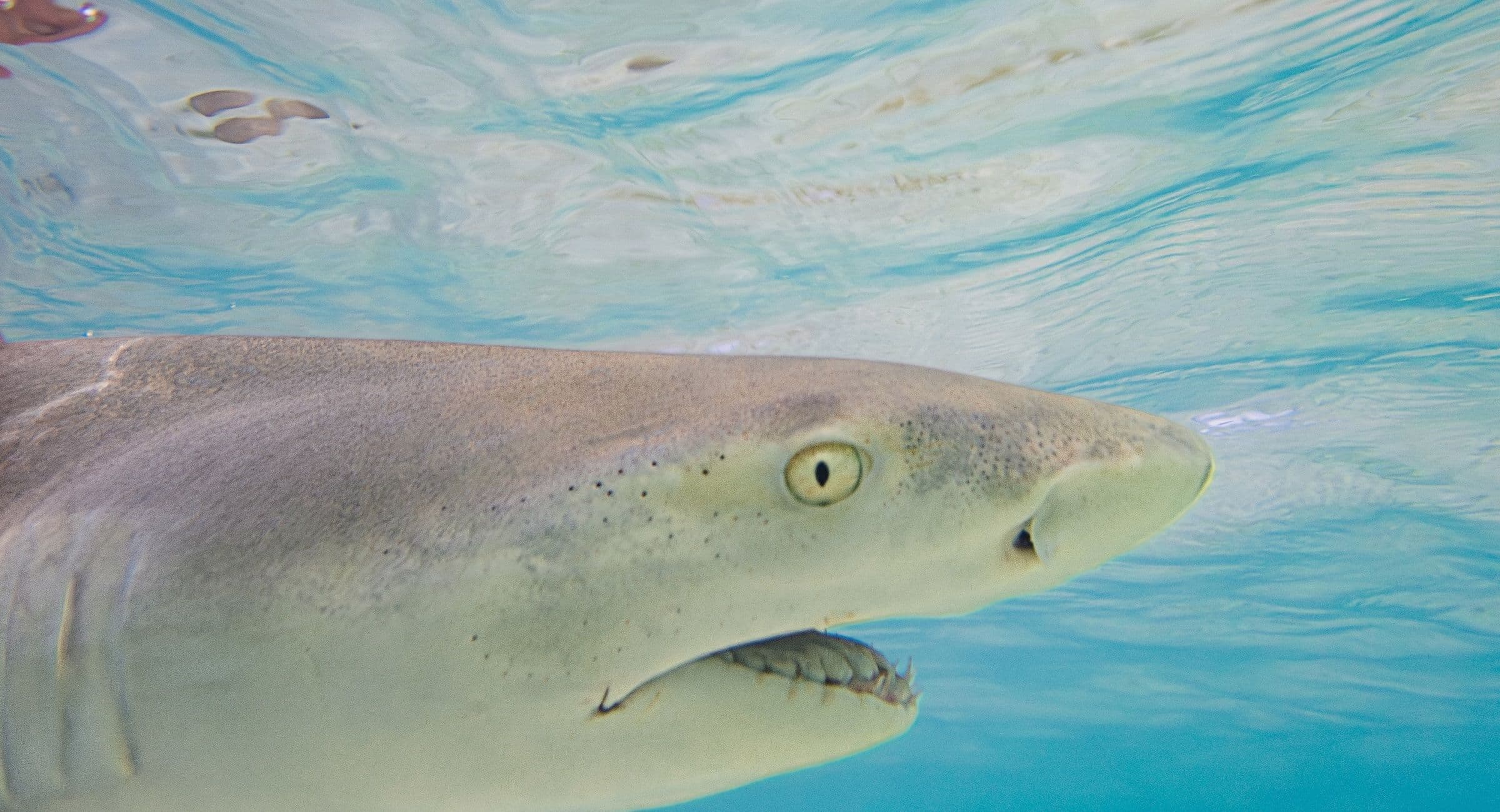
In partnership with the Tetiaroa Society, scientists from the University of Washington, Florida International University, and the Centre de Recherches Insulaires et Observatoire de l’Environnement (CRIOBE) continued the first long-term study on the spatial of ecology of sicklefin lemon (Negaprion acutidens) and blacktip reef sharks (Carcharhinus melanopterus) inside Tetiaroa’s lagoon. During the trip, we equipped 15 more sharks with internal tracking transmitters, bringing us to a total of 32 blacktips and 13 lemons! We also serviced and downloaded all of the positional data from the 9 acoustic receivers in the lagoon, giving us tens of thousands of new shark locations dating back to the inception of the project (October 2021) and thus unparalleled capacity to examine movements of and interactions between blacktip and lemon sharks, and among adult and juveniles of each species, in lagoon environments.
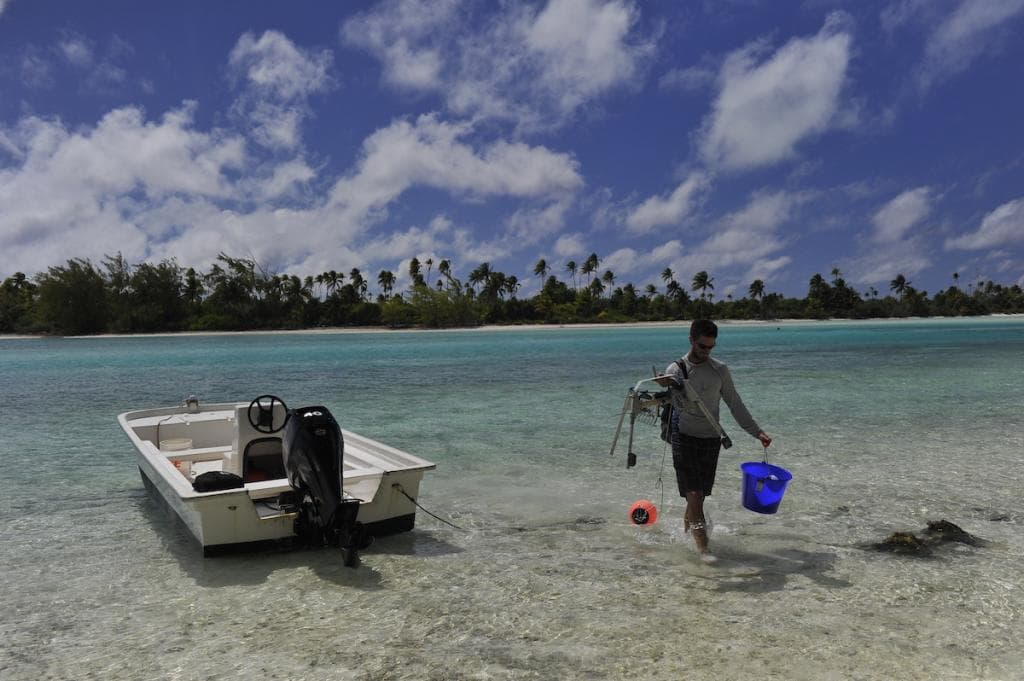
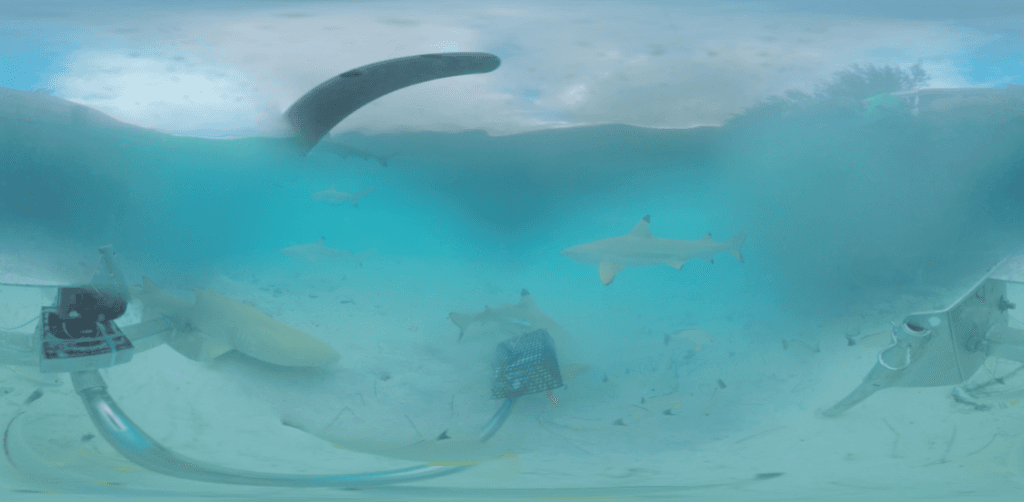
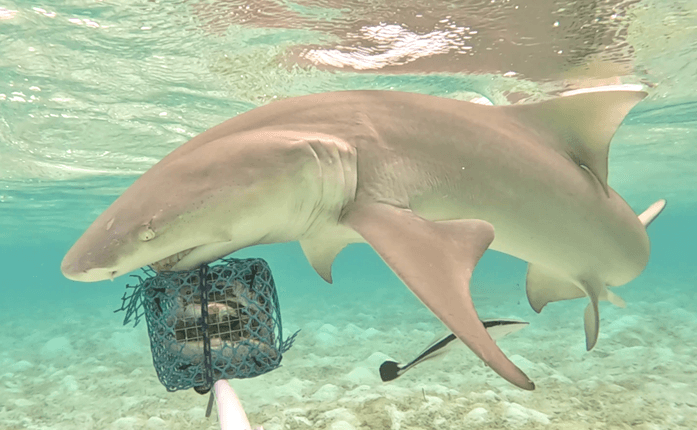
Finally, this 2022 trip served as the launching point for a new project aimed at using baited remote underwater video systems, or BRUVs, to better understand daily activity patterns of sharks in the lagoon and the effects of shark activity on other species in the ecosystem. Some of these BRUVs have been deployed in shallow water (< 1 m in depth) to target small, juvenile shark behavior for the very first time, while others have been deployed on the forereef, allowing us to record the presence and behavior of sharks and other species outside the lagoon. This BRUVs project is being led by Fulbright Fellow Aarthi Kannan, who will be in Tetiaroa as part of the shark team through June 2023.
Project updates: October 2021
In partnership with the Tetiaroa Society, scientists from the University of Washington, Florida International University, and the Centre de Recherches Insulaires et Observatoire de l’Environnement (CRIOBE) began the first long-term study on the spatial of ecology of sicklefin lemon (Negaprion acutidens) and blacktip reef sharks (Carcharhinus melanopterus) inside Tetiaroa.
The collaborative research team was able to deploy a network of 10 underwater acoustic receivers throughout Tetiaroa’s lagoon, each capable of tracking the movements of tagged sharks for years to come. Using minimally invasive fishing methods, the researchers also tagged 23 blacktip reef and 7 sicklefin lemon sharks, ranging from juveniles to mature adults. This long-term study will provide much needed data that can be used to assess the potential impacts of climate change, coastal development, and differing conservation management decisions on sharks. Furthermore, researchers will use these data to explore critical ecological questions, including how juveniles and adults use the lagoon differently, how long juveniles stay in Tetiaroa before migrating to other systems, if sharks that leave the lagoon come back in subsequent years, and identifying areas of the lagoon that are more frequently used (and thus of potential importance for sharks).
anchor.jpg
Gallery