
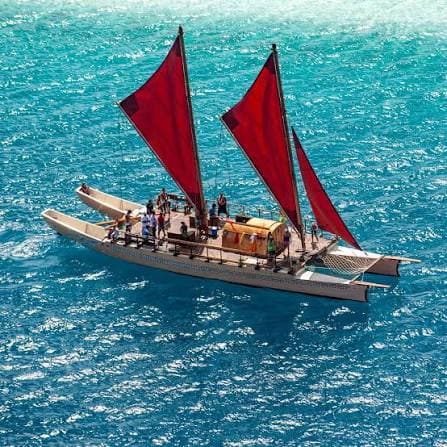
Build a titiraina
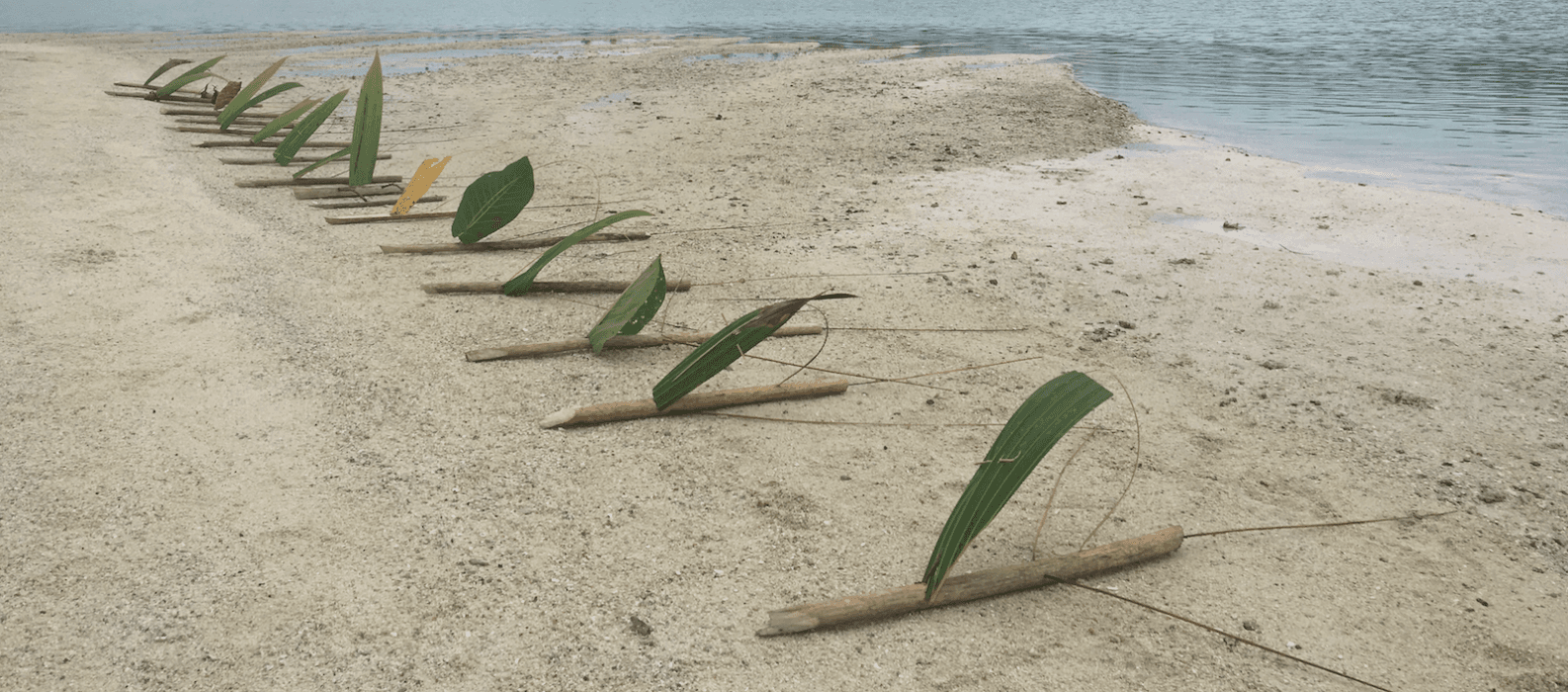
Build a titiraina and sail it across the lagoon of Tetiaroa. Will yours arrive?
From the Archive / Tetiaroa
Continuous science on the atoll since 2014
From coral nurseries to seabird recovery
Documented in a living guide to the atoll
Universities, labs, and NGOs worldwide
17 of 480 entries

Build a titiraina and sail it across the lagoon of Tetiaroa. Will yours arrive?
From the Archive / Tetiaroa

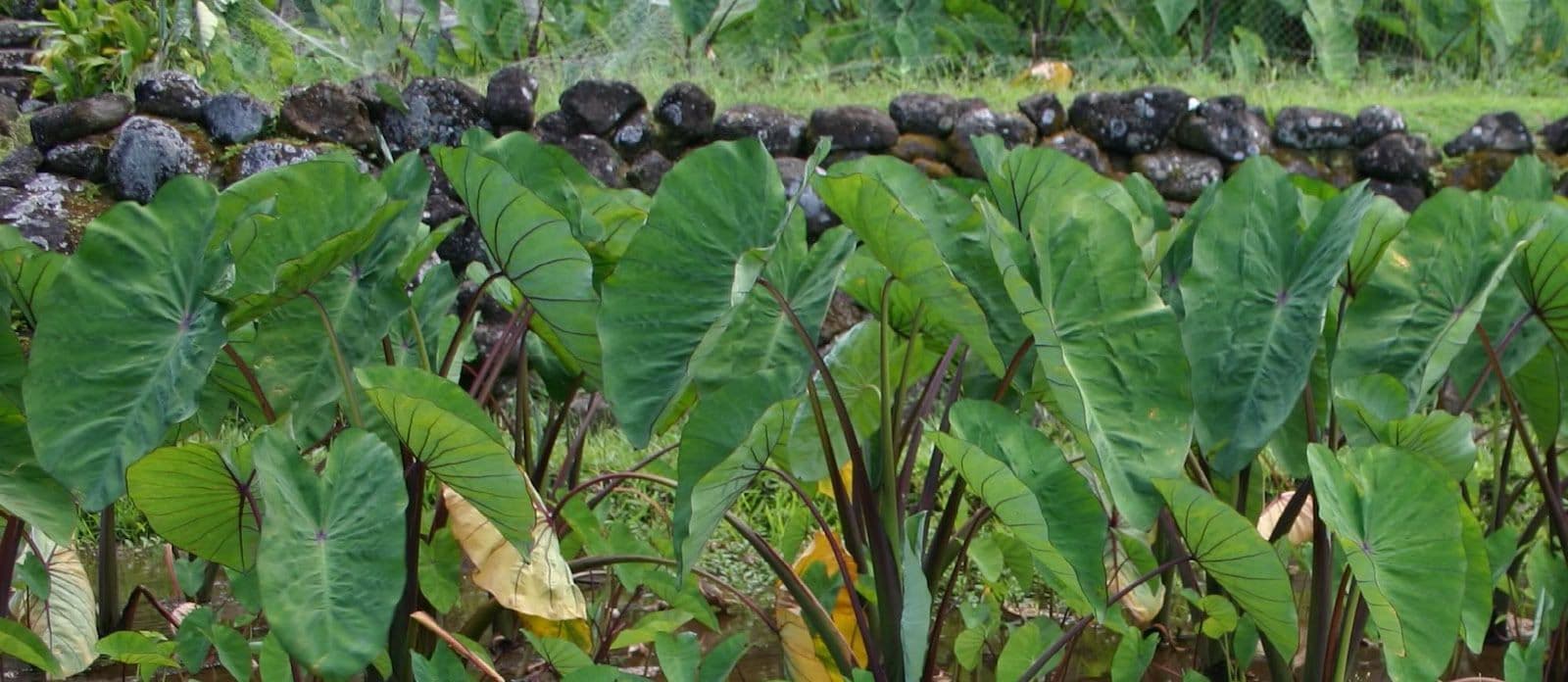
Maite : traditional practices for agriculture
From the Archive / Tetiaroa

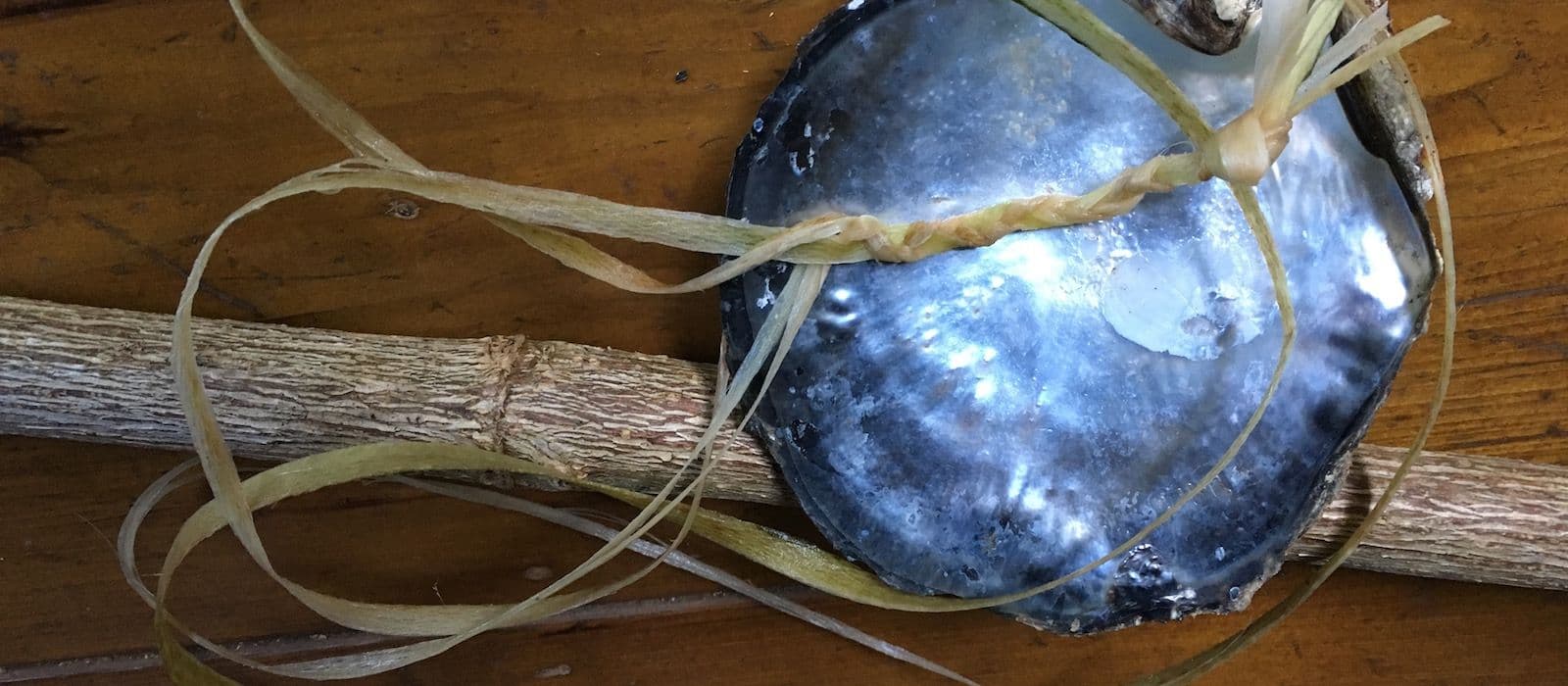
Students will learn how to make a kerikeri, a traditional digging spade used on atolls. They will braid their own cording materials, then use the cord to attach the handle to the shell blade. Ready ... set ... dig!
From the Archive / Tetiaroa

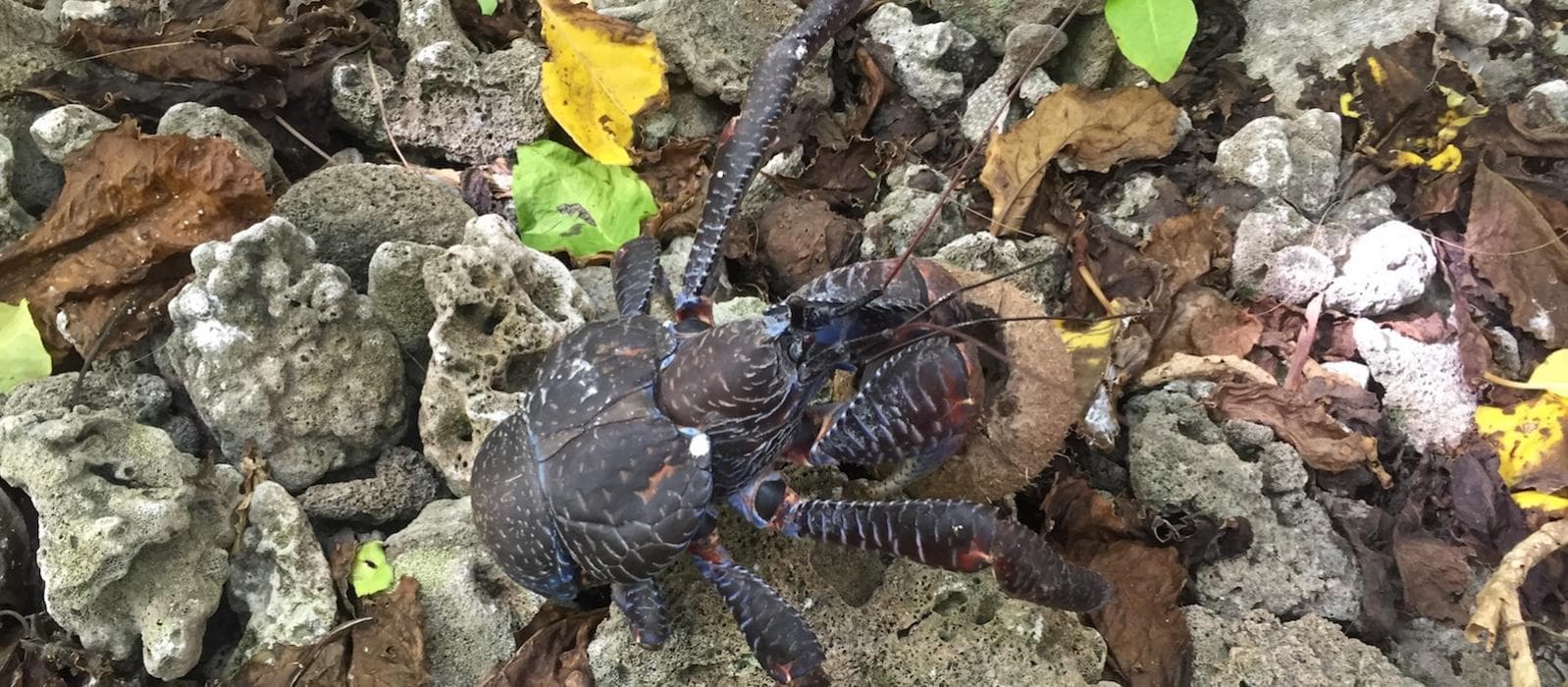
Discover coconut trees and all of their uses.
From the Archive / Tetiaroa

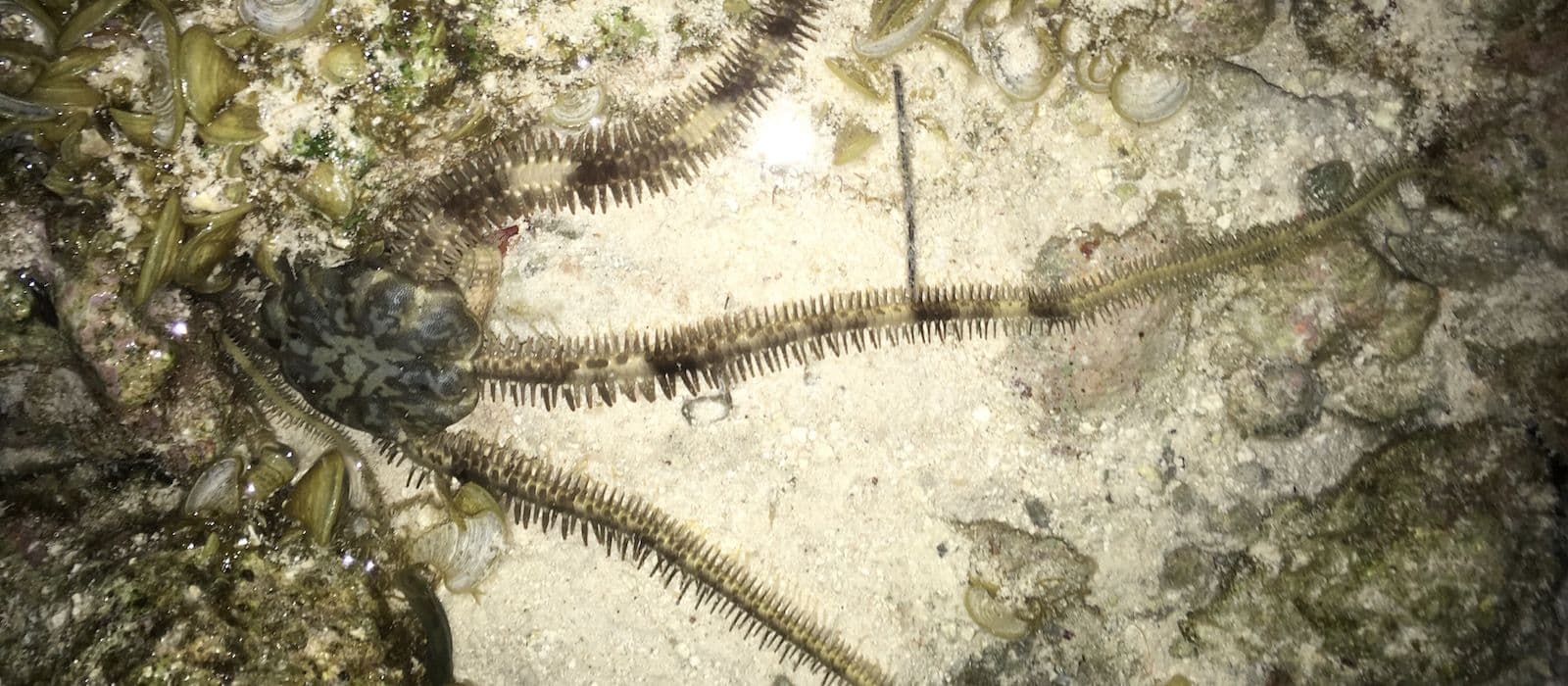
The highest diversity of shallow benthic species in the world is in tropical Indo-Pacific, so let's see how many we can find and identify. Students will each be a 'census-taker' of 1 coral outcropping or patch reef. If the patch reef is large, 3 or 4 student.
From the Archive / Tetiaroa

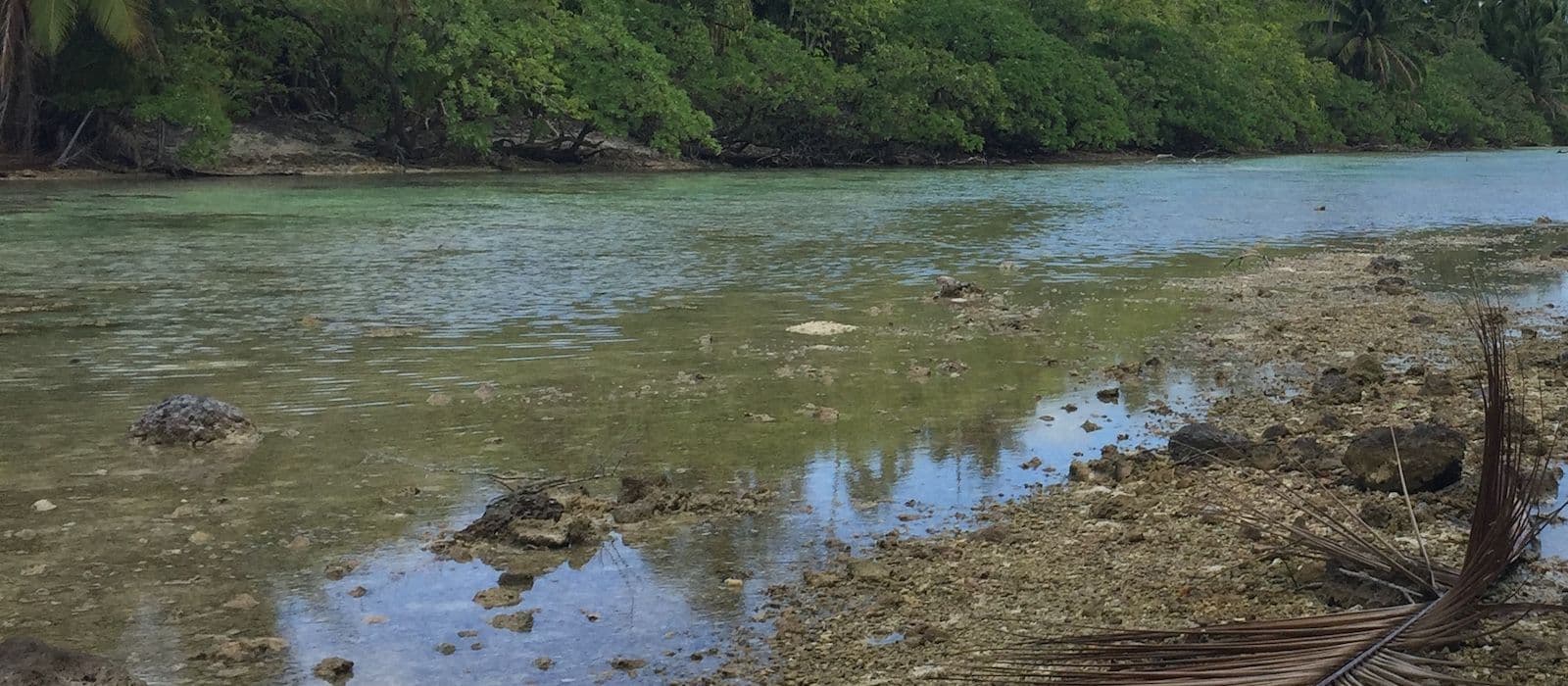
Snorkel in the lagoon, dig in the sand, tramp through the forests, sink into the wetland mud, and you are sure to learn much about Tetiaroa's ecosystems. This introduction to atoll ecosystems is a hands-on (masks on) adventure, studied from the viewpoint of..
From the Archive / Tetiaroa

Stargaze and see the constellations that the Polynesian navigators used to find islands. How must it have felt to be out on the ocean with only the stars to show the way? Topics: - Navigation - Constellations - Va'a - Migrations & voyages
From the Archive / Tetiaroa

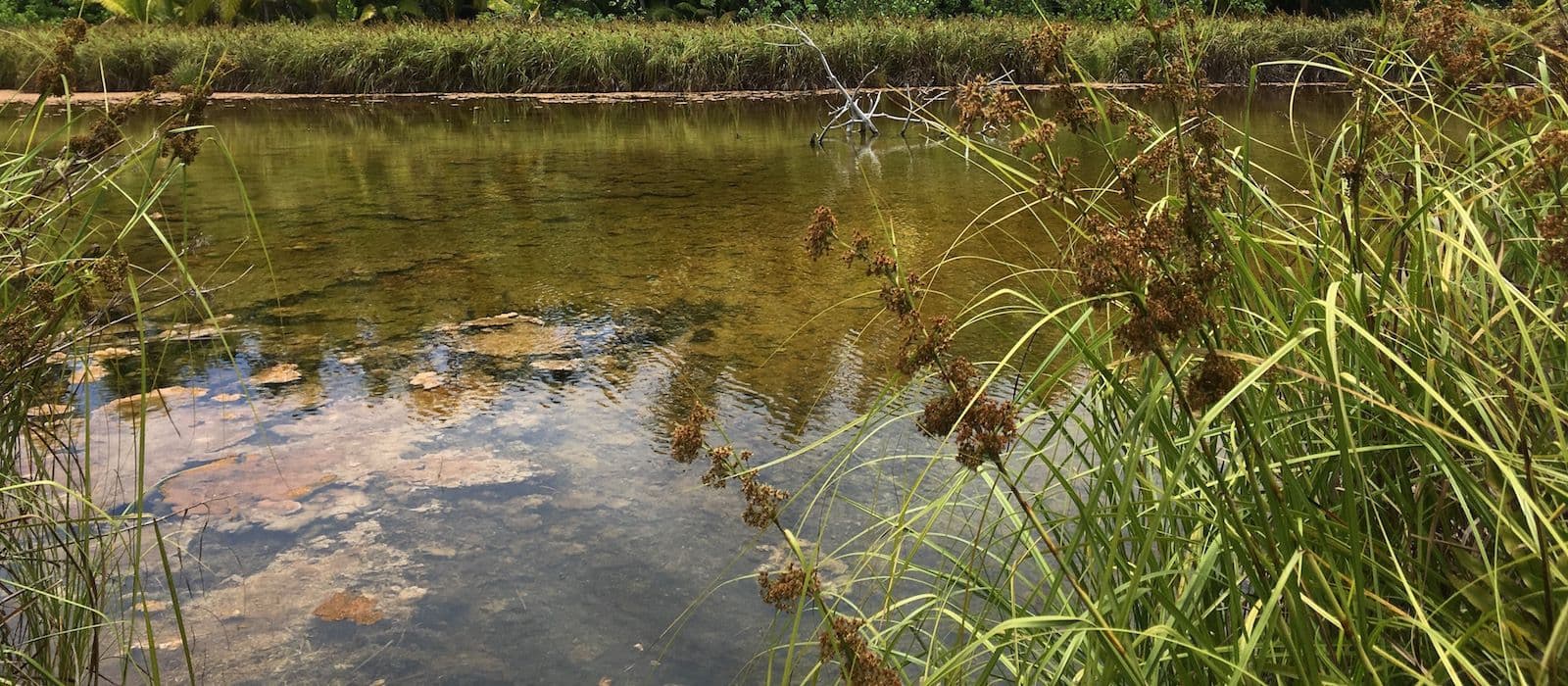
Discover the wetlands of Tetiaroa. The Kopara Pond is a unique ecosystem containing freshwater fish, algae, plants, and migratory birds. Under the microscope, microorganisms from samples of water, algae, and mud, can be seen.
From the Archive / Tetiaroa

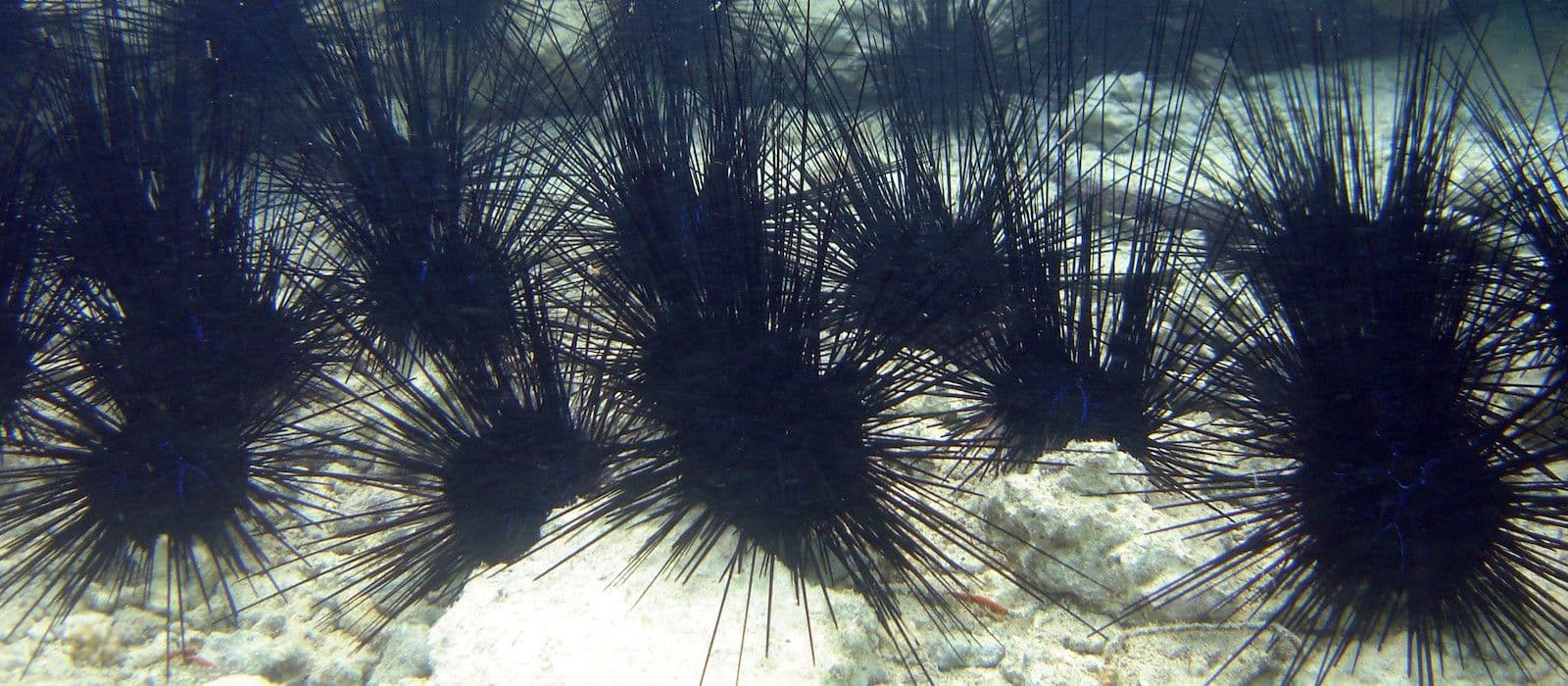
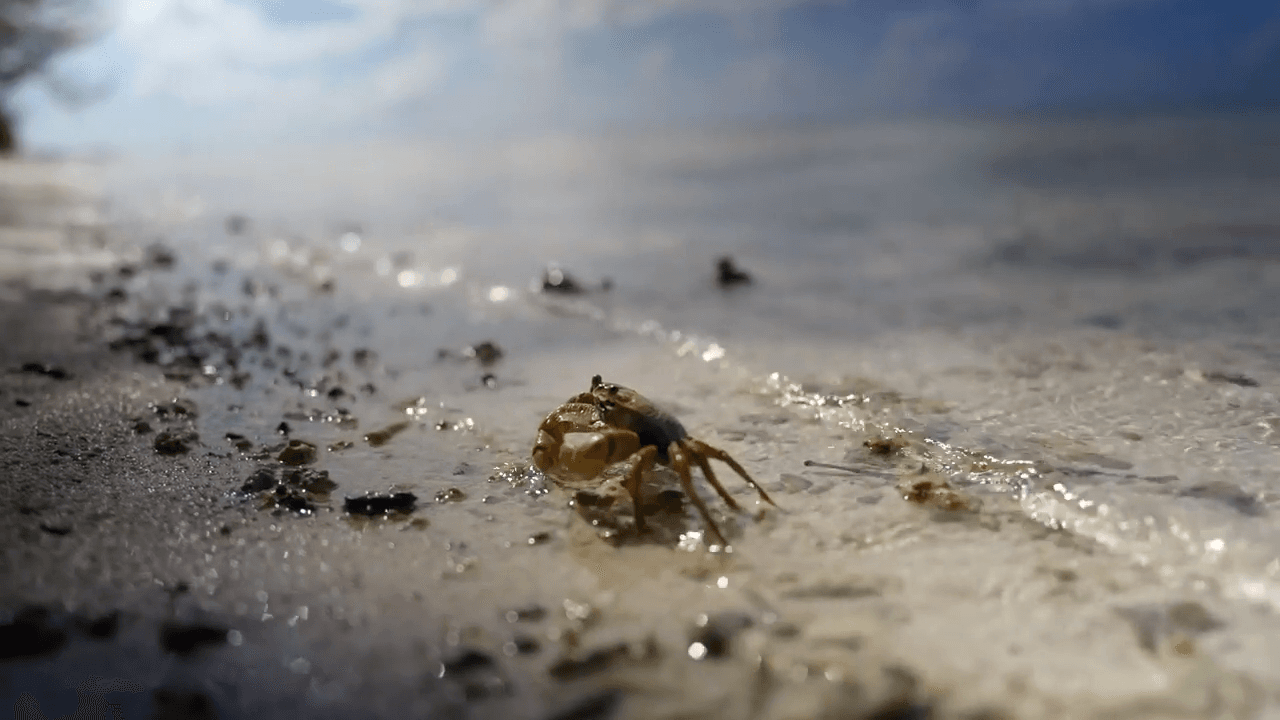
Focus on one organism in an ecosystem, and learn how its attributes determine is adaptability for the environment. Observe, then see the organism as its prey and predators see it. Catalog, compare, and contrast attributes, and understand how each organism f.
From the Archive / Tetiaroa

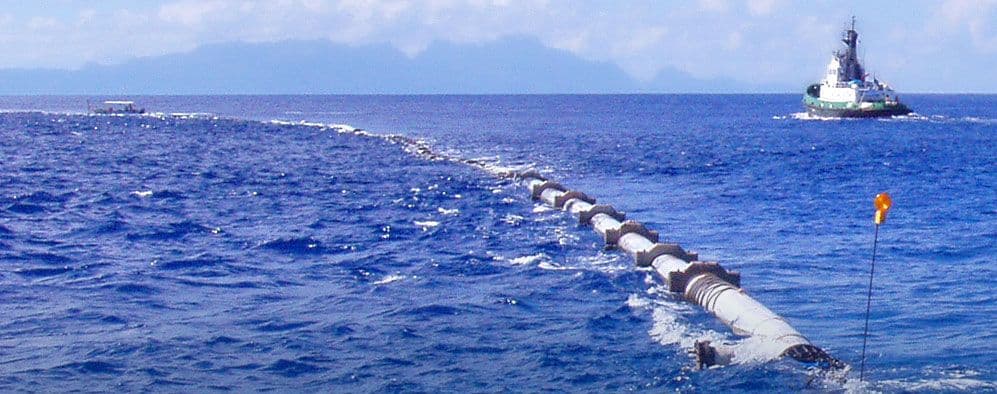
The students will see the SWAC facility on Tetiaroa. Then, they will build, test, and explain the functioning of their model heat transfer systems.
From the Archive / Tetiaroa

Learn which plants to gather, what each plant is used for, and how the plants are prepared for use in medicine, food, and ceremonies. Introduction: Students go for a 'plant walk' on the motu, where they will be introduced to a variety of atoll plants. -..
From the Archive / Tetiaroa

Gather knowledge of historical and cultural techniques and learn how to become part of the solution for ensuring sustainability.
From the Archive / Tetiaroa

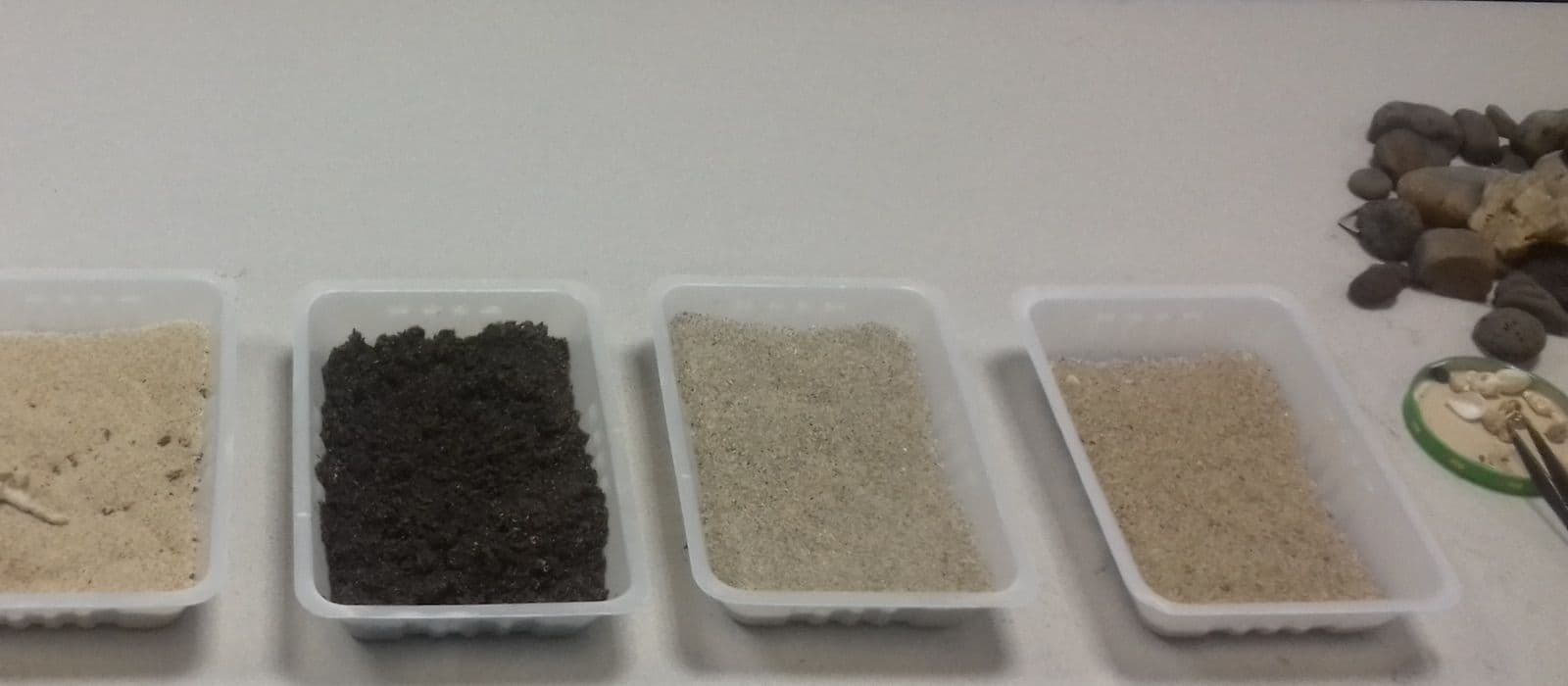
Discover the different properties of sand, and its origins.
From the Archive / Tetiaroa

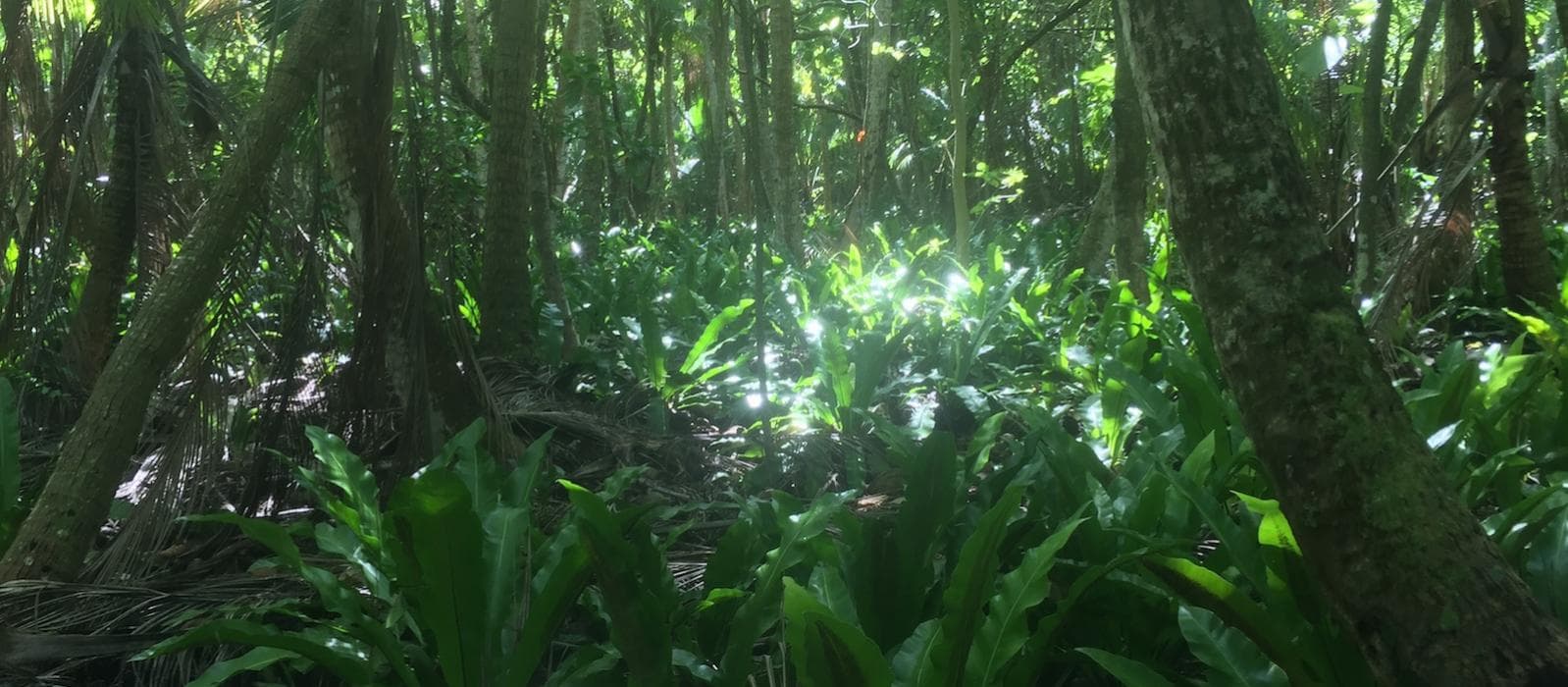
Discover the forest ecosystem of Tetiaroa with its diverse population of plants, birds, invertebrates ... and more. Students will hike through the forest, collect specimens, learn about abundance and richness, and map their walk using gps coordinates.
From the Archive / Tetiaroa

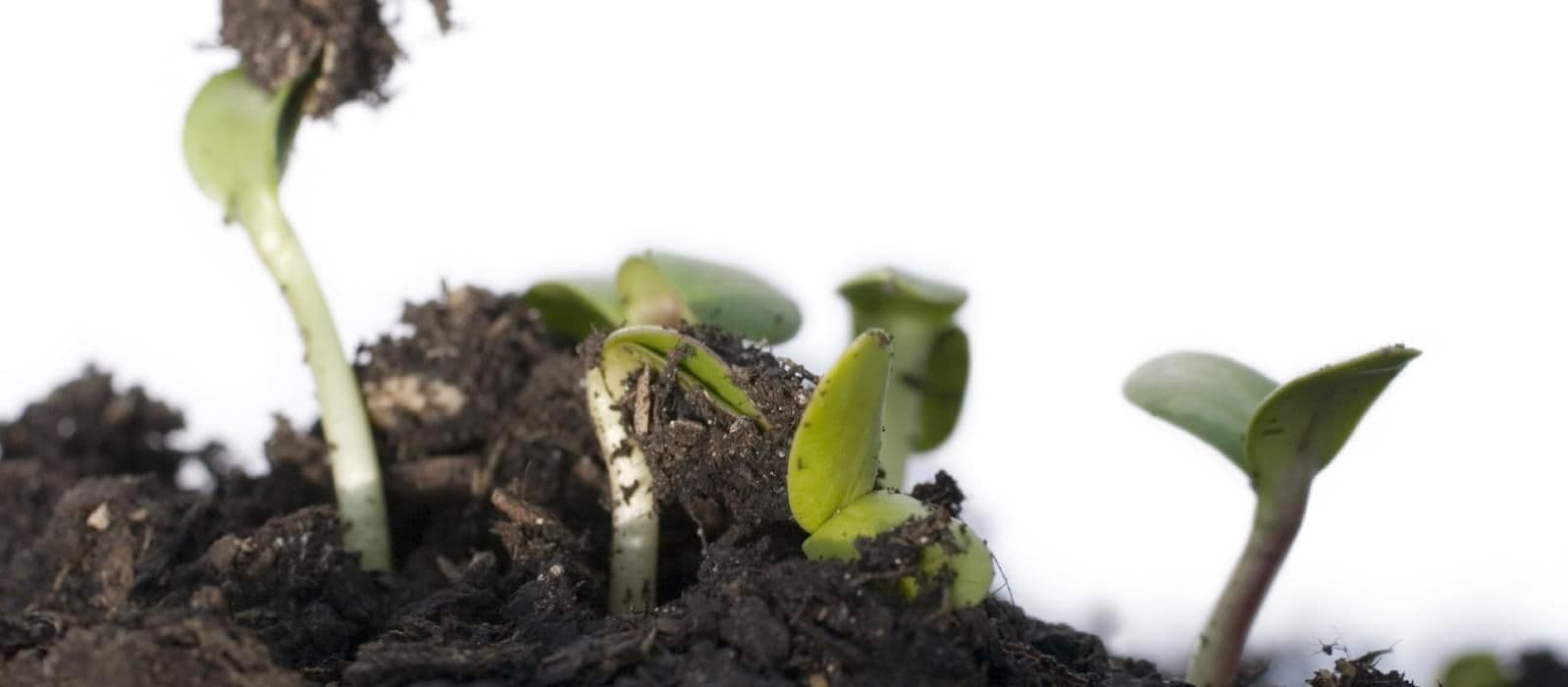
Visit the waste management facility and the organic garden on Motu One and discover how compost is made, what it is made of, and how it is used.
From the Archive / Tetiaroa

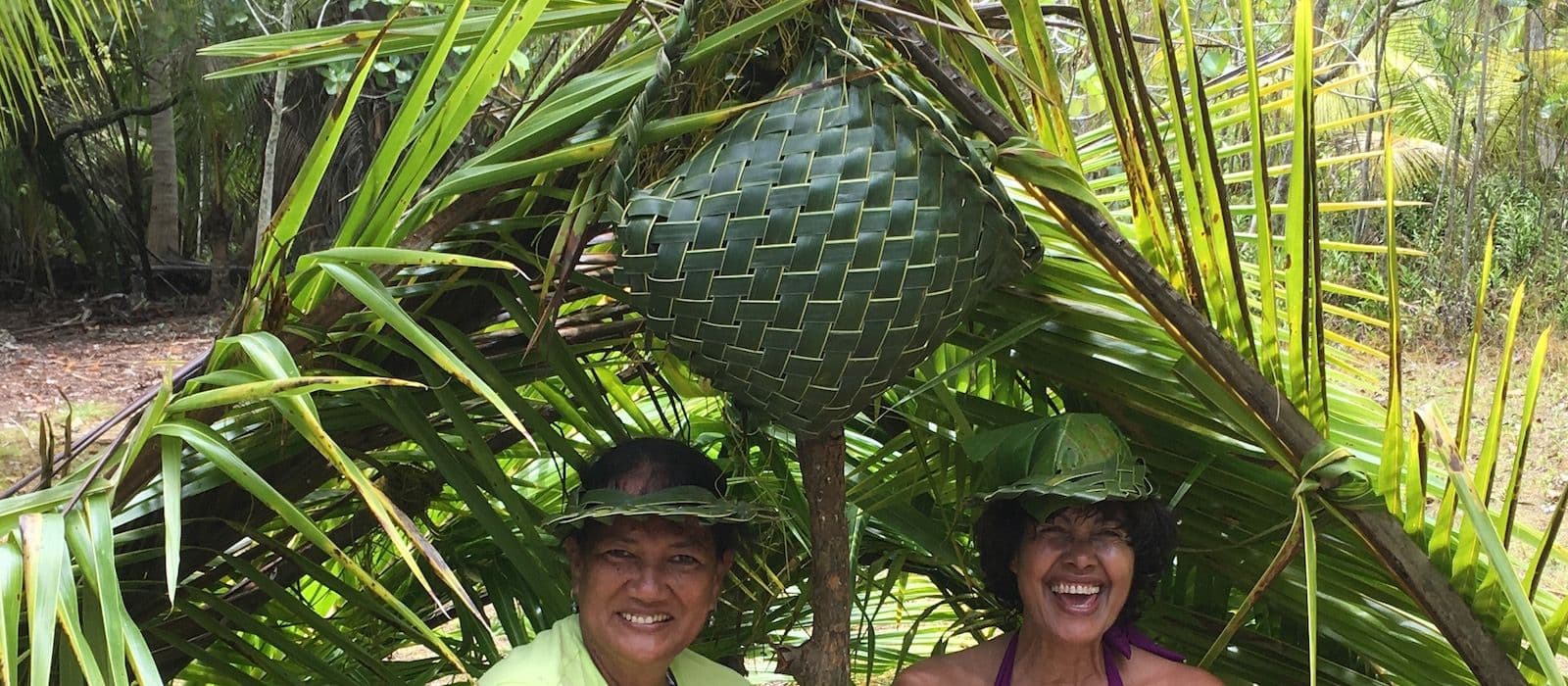
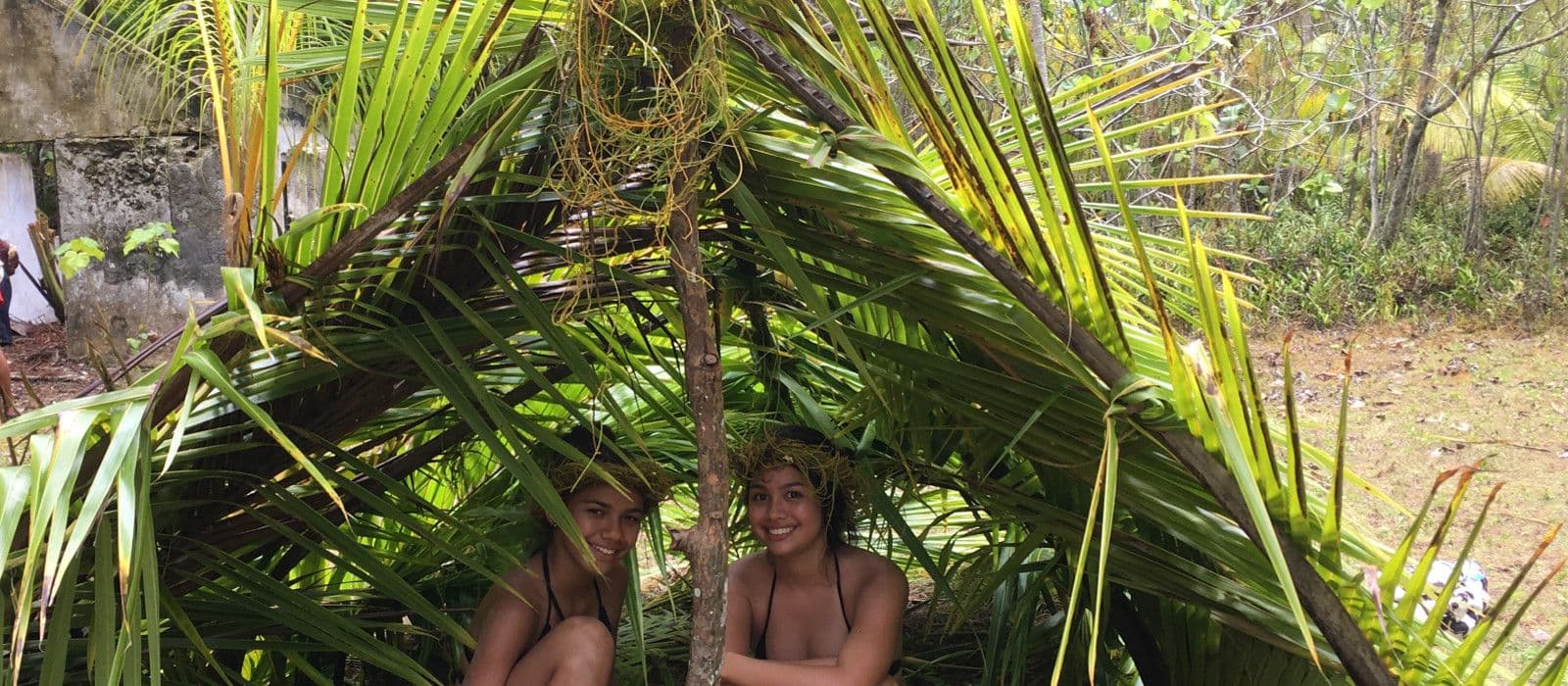
In this activity, students will construct a karuru: a traditional, temporary shelter used by the tupuna of the atolls. The karuru are built entirely of natural materials found on the motu. This activity was inspired by: "Material Culture in the Tuamotu A.
From the Archive / Tetiaroa

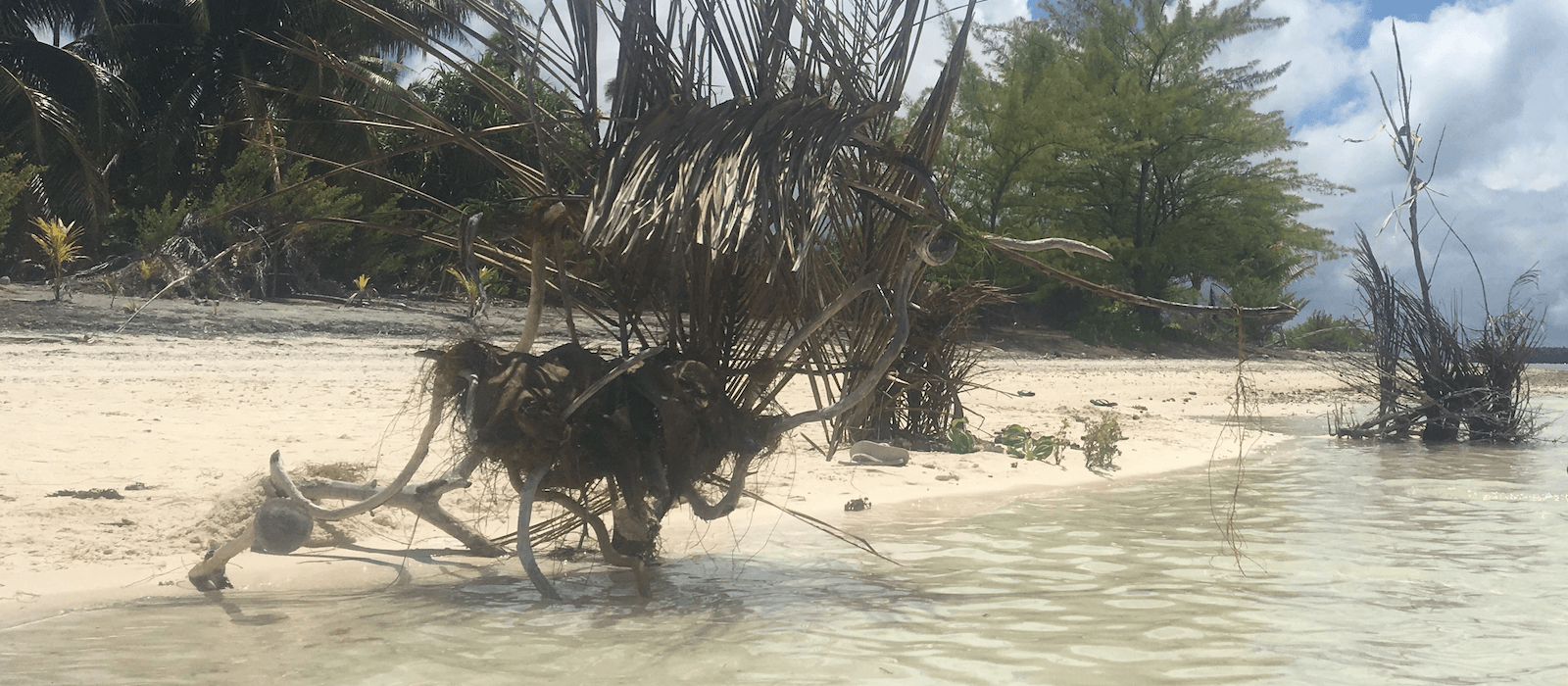
Gain a better understanding regarding the effects of human activity on islands by investigating beach erosion.
From the Archive / Tetiaroa