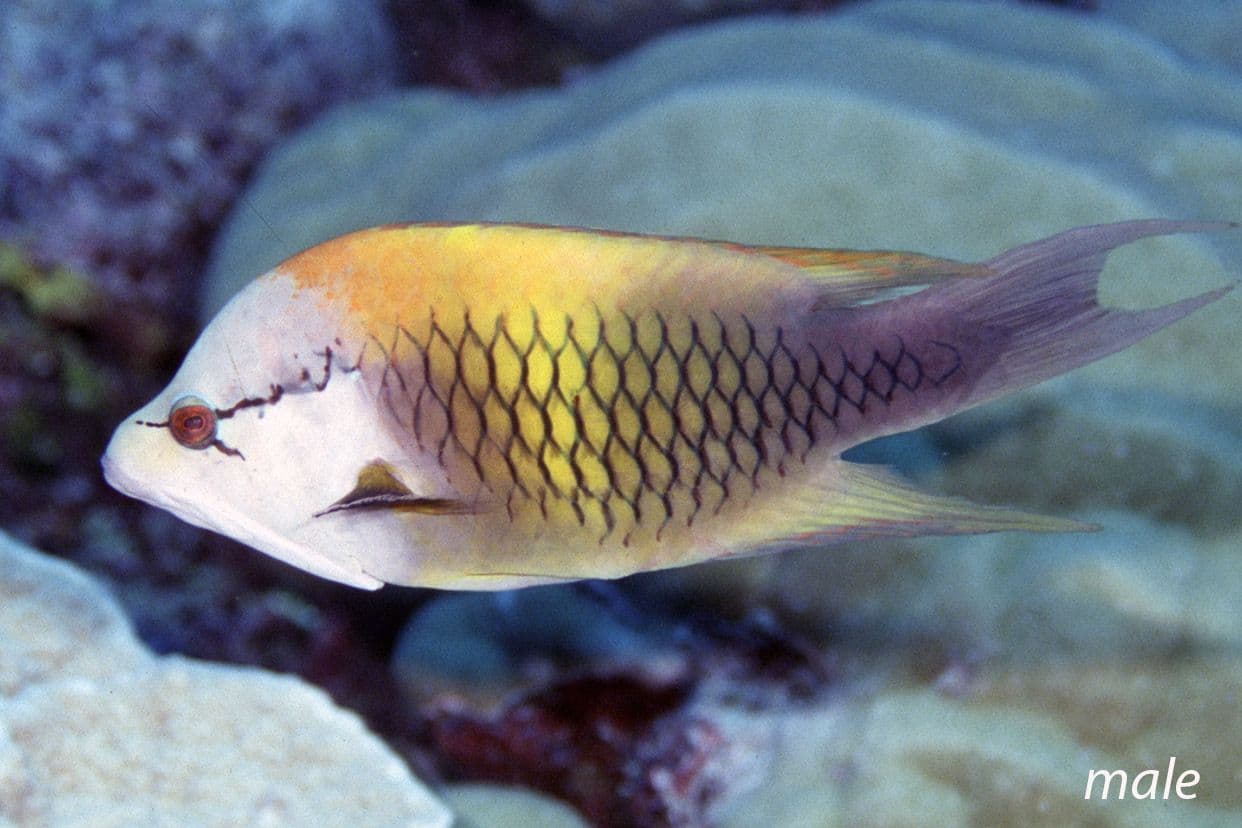
Its mouth shoots forwards into a tube, bringing a small fish or crustacean within reach in an instant.
- Local names
- Papae utu roa
- Habitat
- Lagoon and reef
About this species
Long, highly mobile jaws extend forwards and form a tube that draws prey into the mouth. Small fish and crustaceans are caught this way.
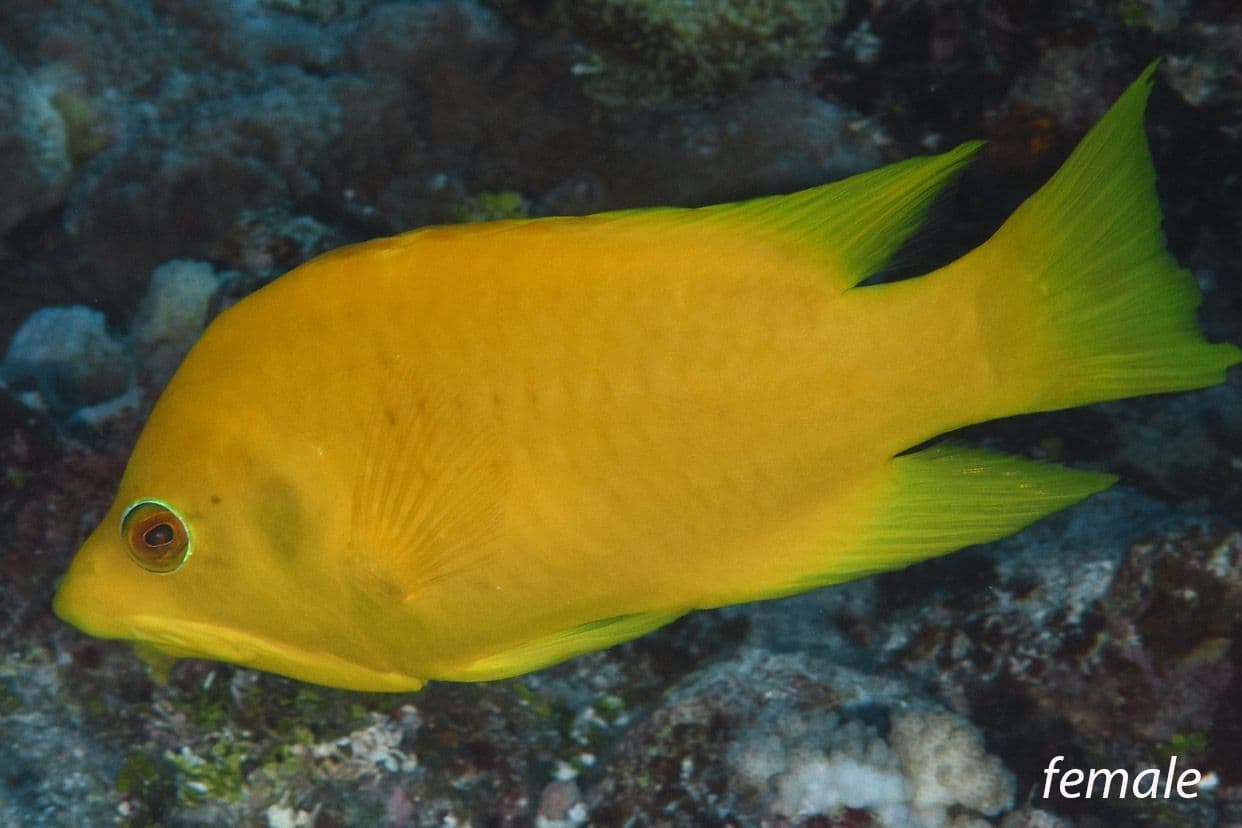
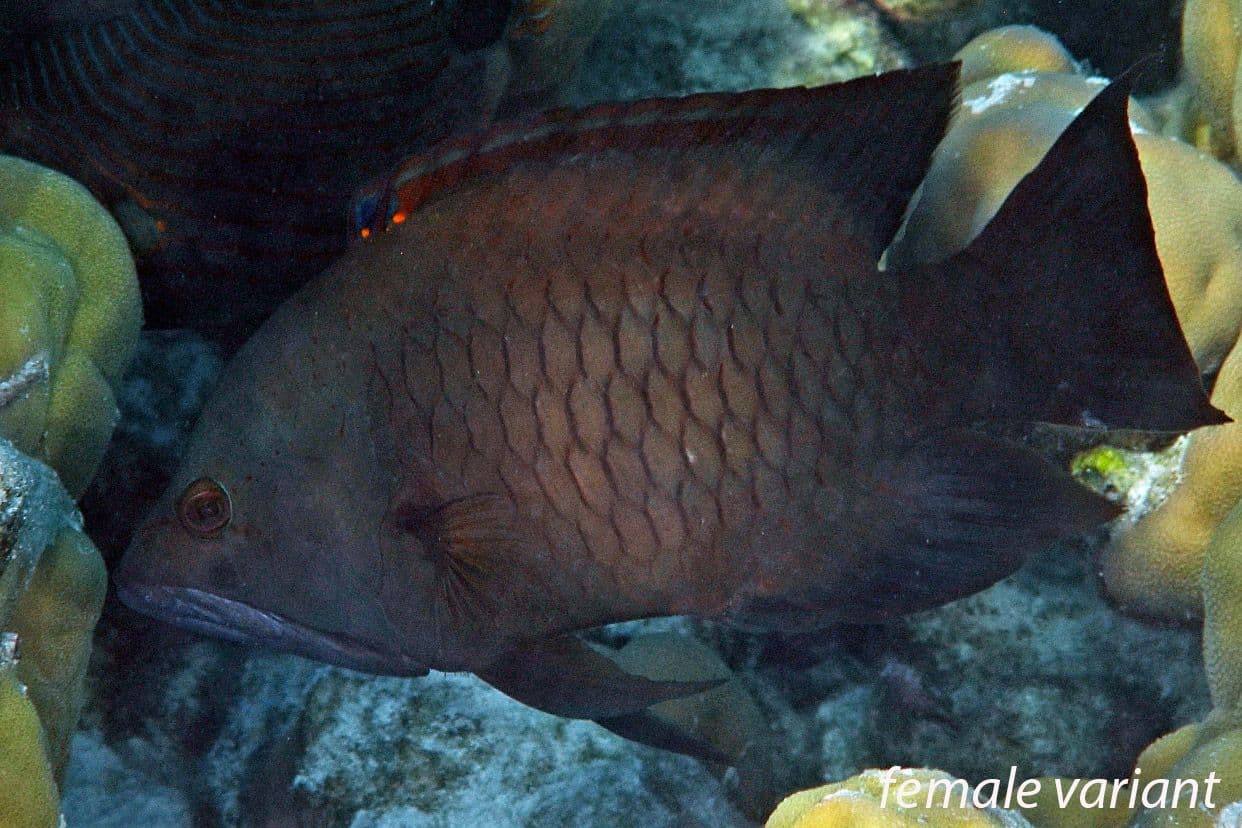
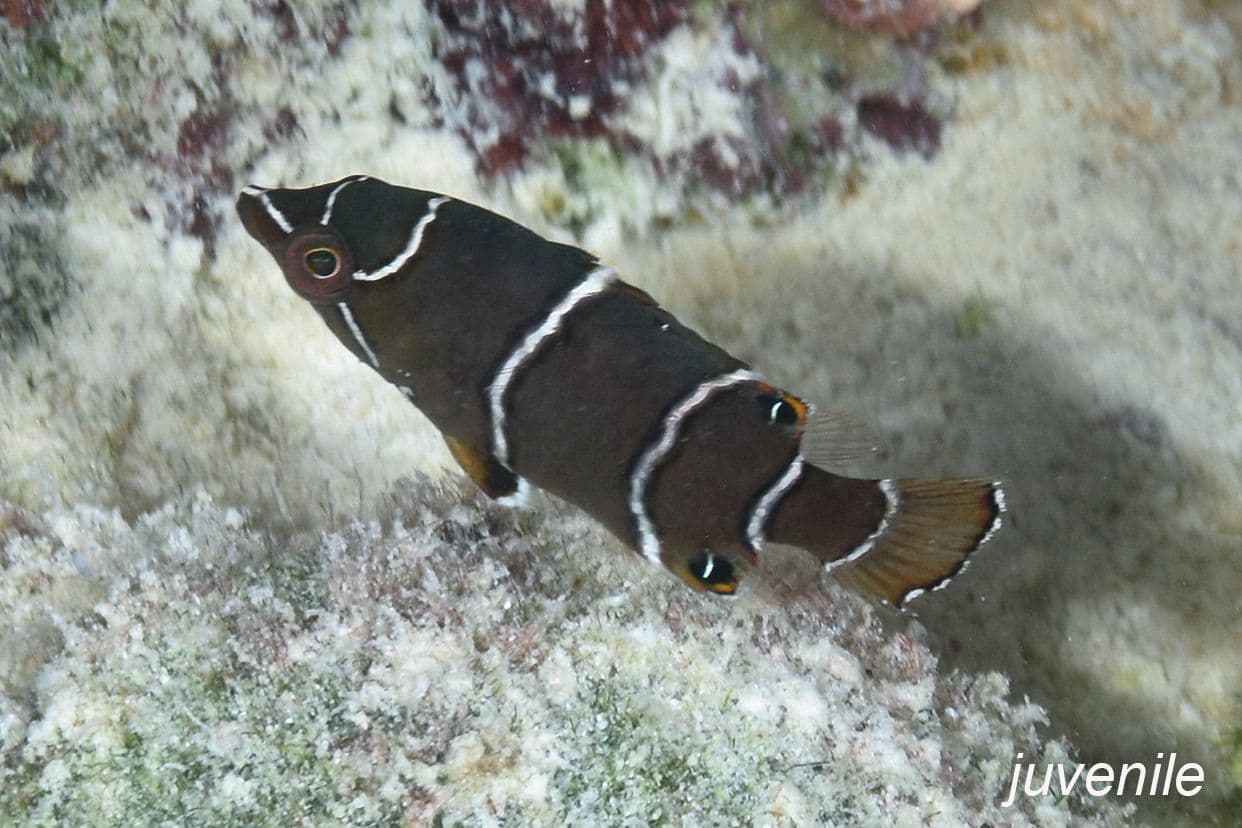
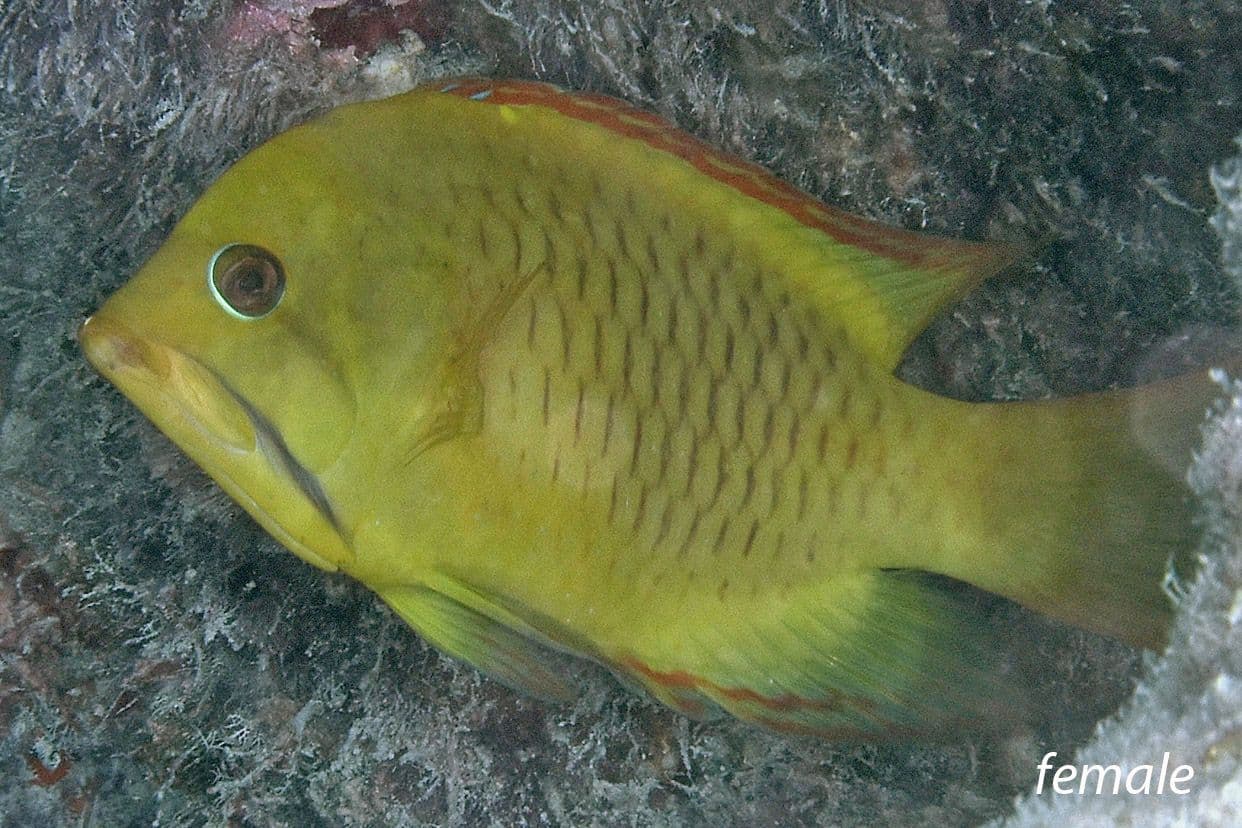
Initial-phase fish range from brown to bright yellow and have a rounded forehead. Terminal-phase males have a pale head, a dark body and an orange back. The species occurs on outer reef slopes and in calm, clear lagoon water.
- Guide des poissons de Tahiti et ses îles, Indo-Pacific Fish conference Tahiti 2017, P. Bachet, T. Zysman, Y. Lefèvre, Au vent des îles
- DORIS - Epibulus insidiator
- FishBase - Epibulus insidiator